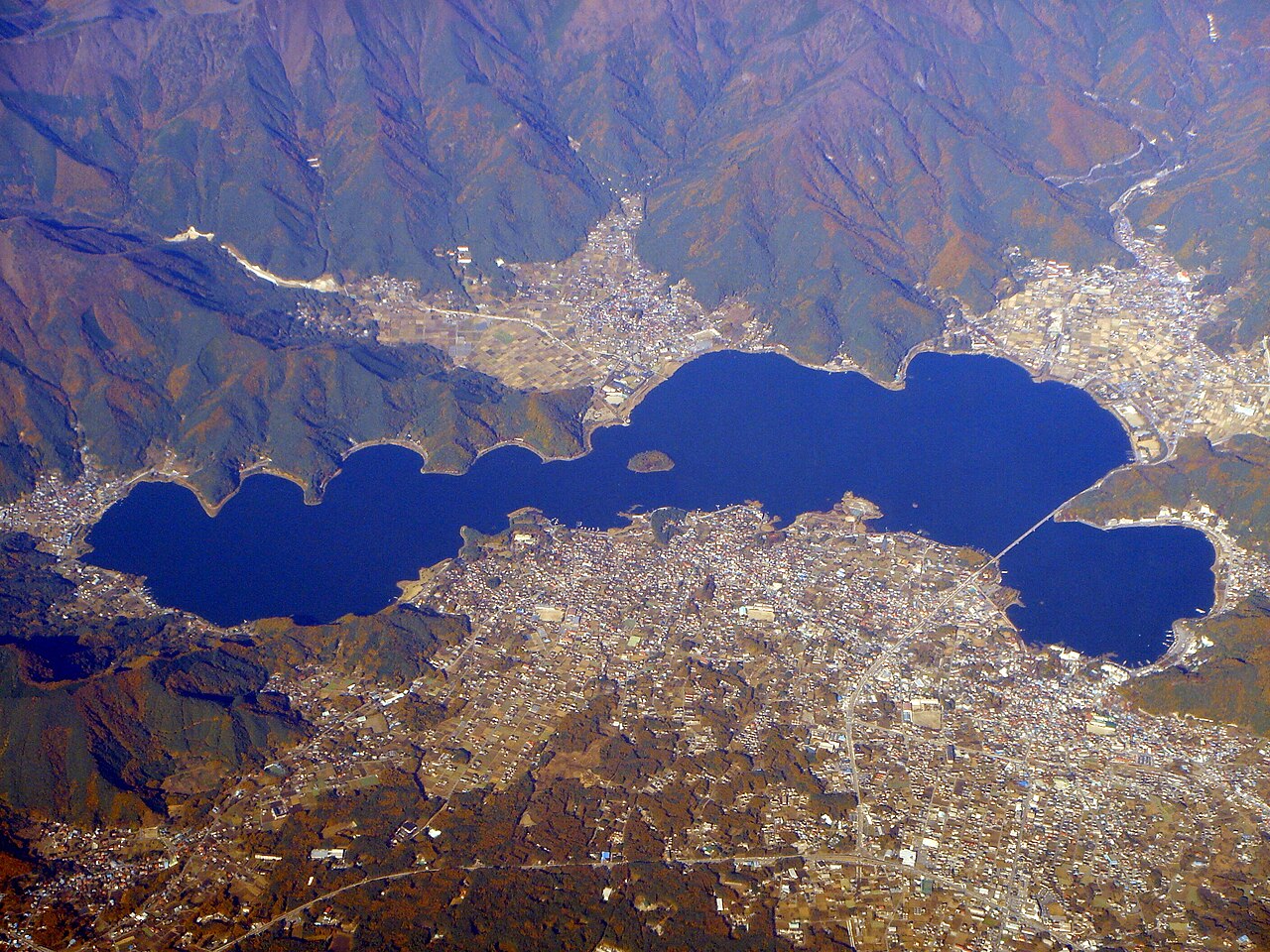
The most accessible of the Fuji Five Lakes, ringed by promenades and famous for mirror reflections of Mount Fuji on calm days.
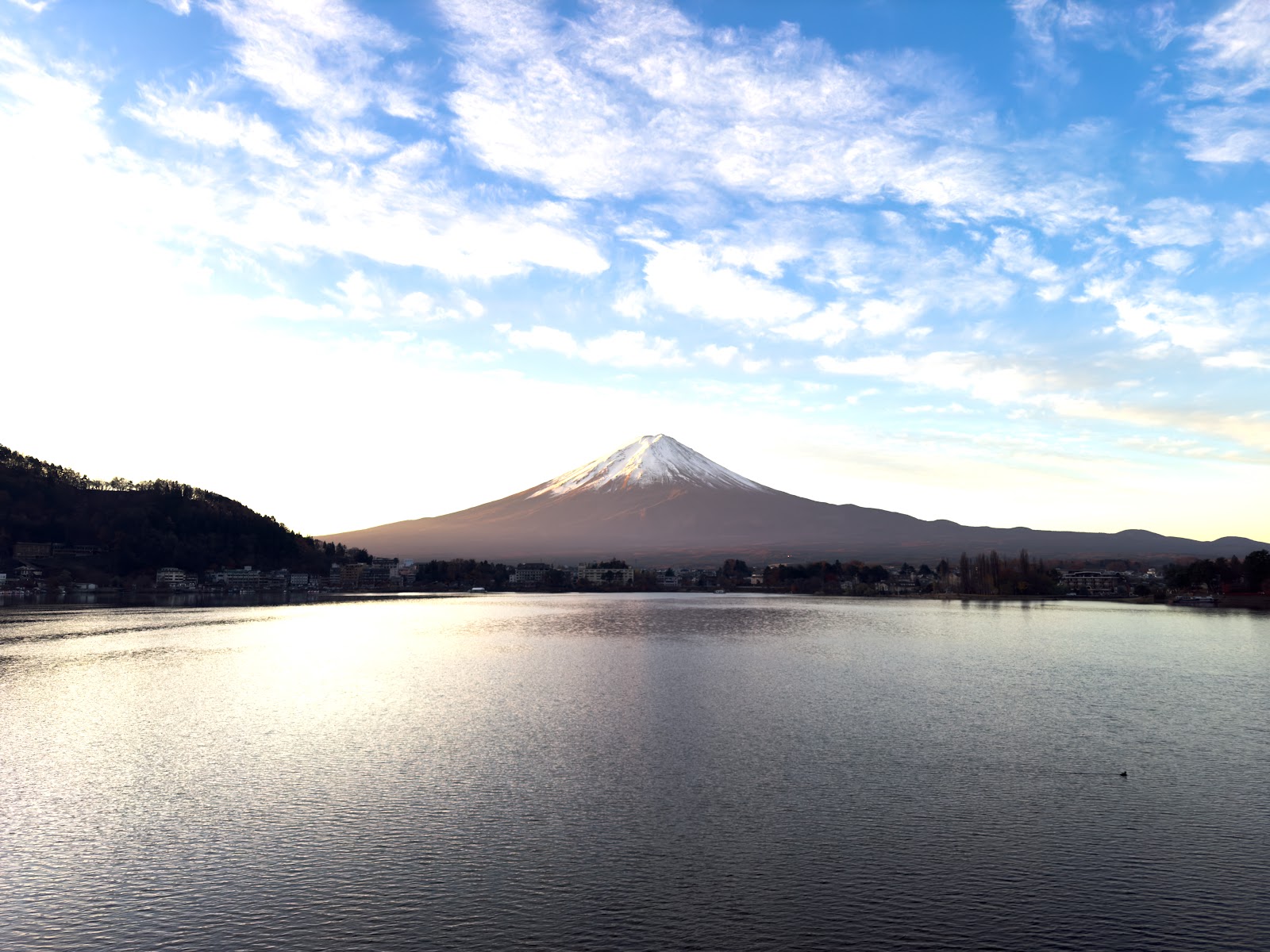
Lake Kawaguchi (Kawaguchiko) is the most developed and easily reached of the Fuji Five Lakes, a chain of lakes formed by ancient lava flows from Mount Fuji that dammed the surrounding valleys. Sitting at roughly 830 metres above sea level on the mountain's northern flank, it is the second largest of the five lakes and the undisputed hub of the region, its shoreline lined with hot spring inns, cafes, museums and viewpoints.
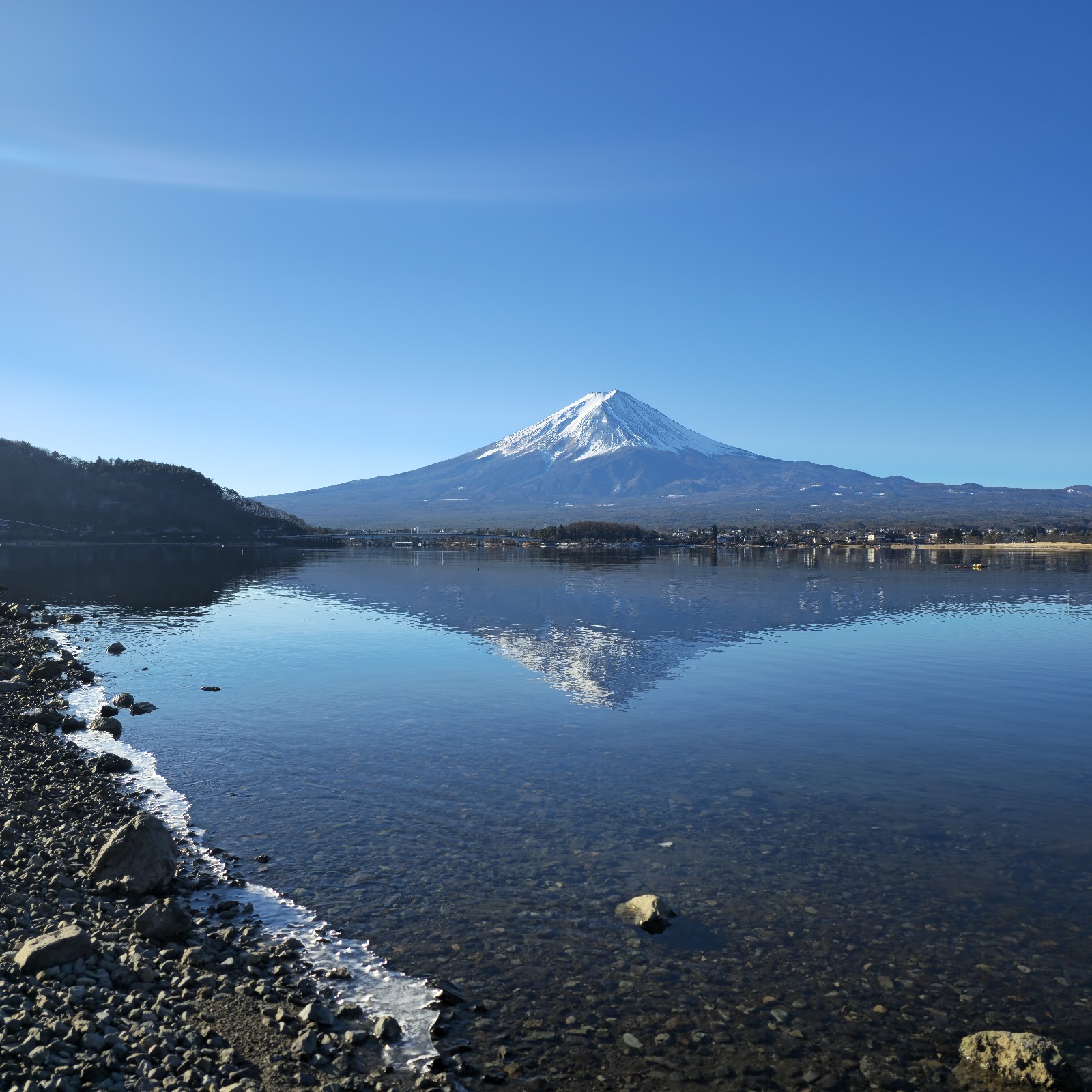
The lake's enduring fame rests on a single image: on a windless morning the water turns to glass and holds a perfect upside-down reflection of Mount Fuji, known in Japanese as 'Sakasa Fuji'. This inverted-mountain view is celebrated enough that it appears on the back of the 1,000 yen banknote, framed from the nearby northern shore. Cherry trees bloom along the eastern and northern banks in mid-April, while Japanese maples ignite the shoreline in mid-November, when the annual Momiji (Autumn Leaves) Festival lights up a tunnel of red maples near the Kawaguchiko Natural Living Center.
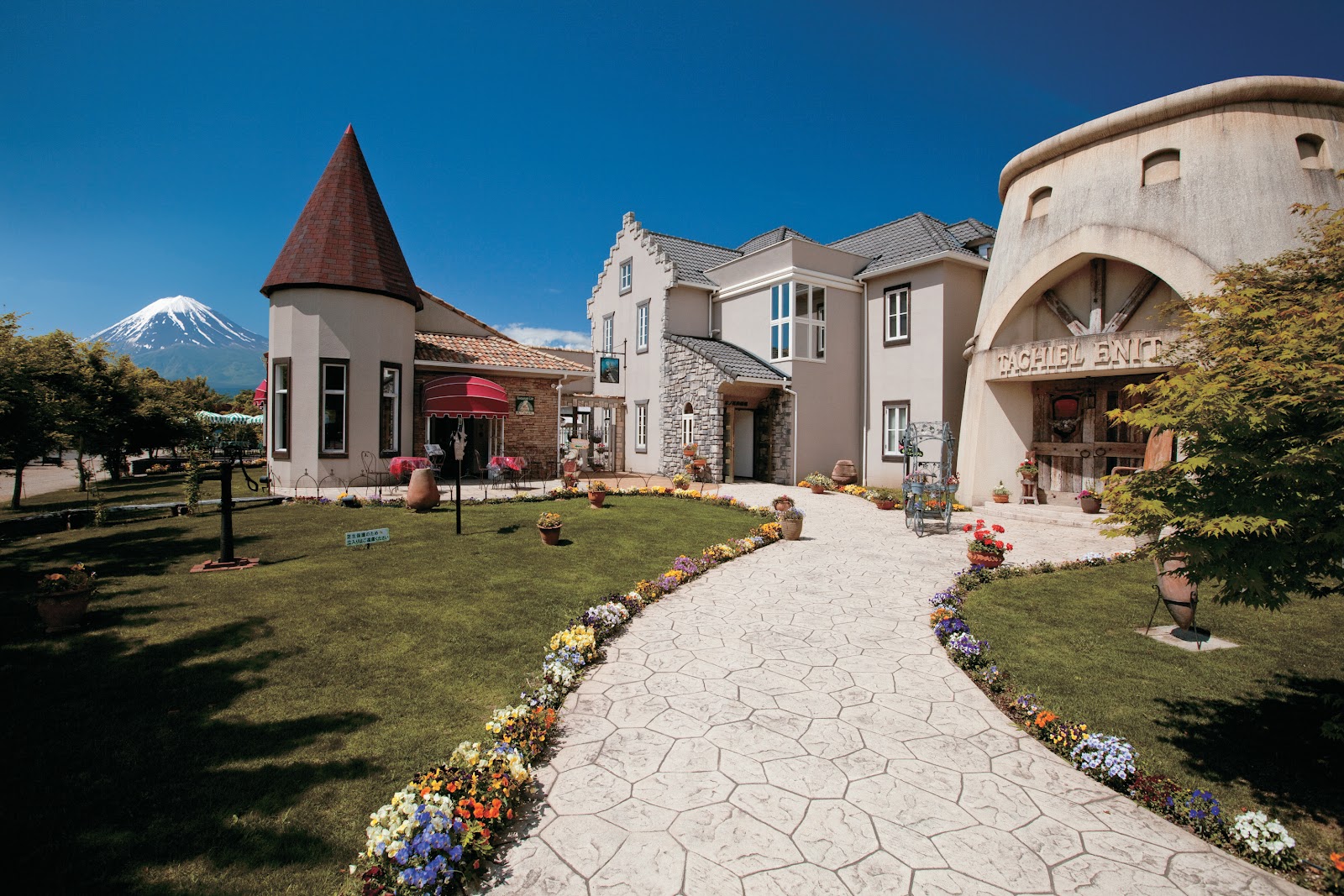
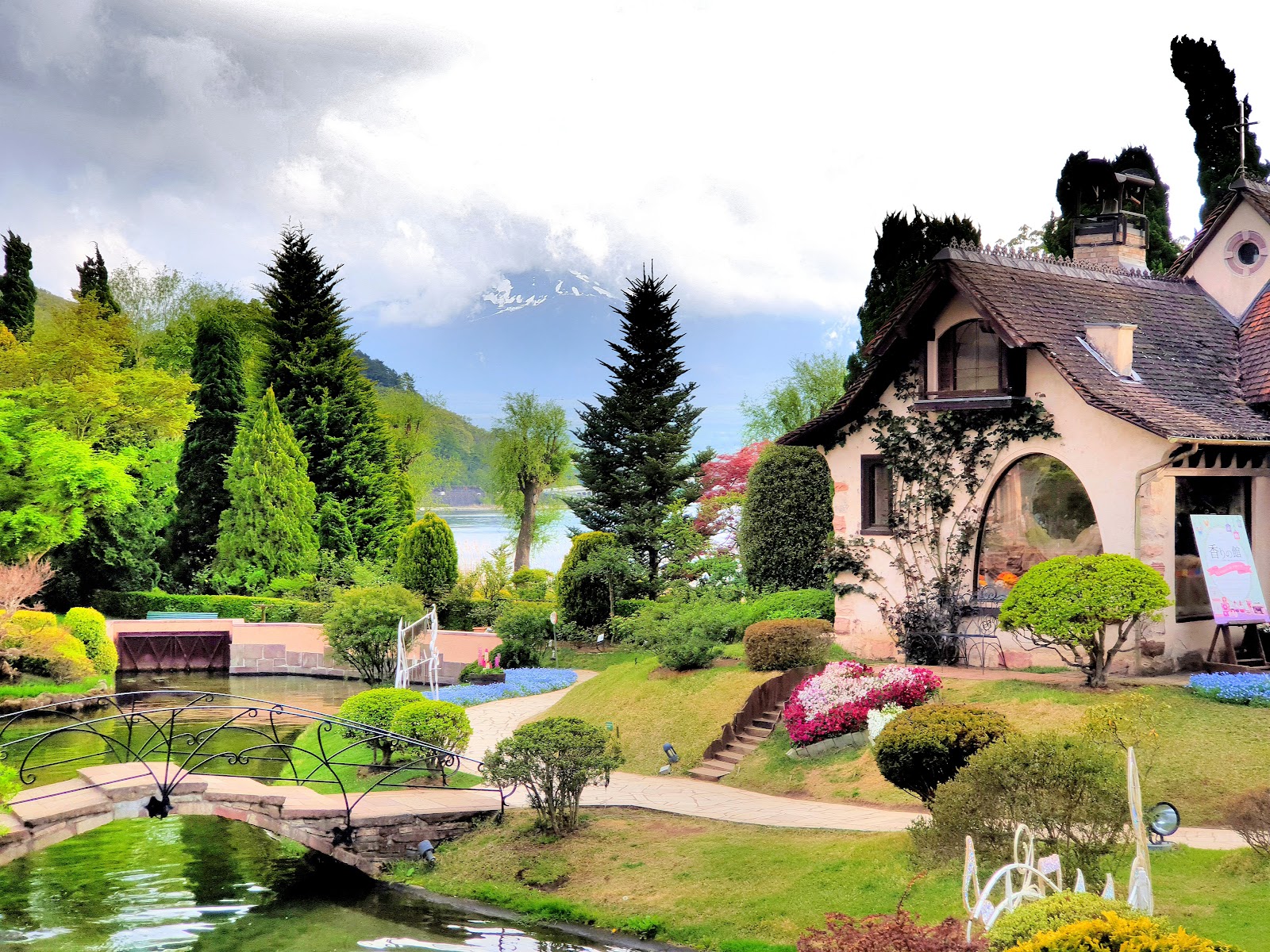
Highlights ring the water. A pleasant lakeside promenade runs for kilometres, ideal for cycling or a slow walk. Sightseeing boats and swan-shaped pedal boats depart from near the station, and the small Unoshima island sits offshore with a shrine. The eastern shore rises to Mount Tenjo, reached by ropeway, while the northern shore holds flower-filled Oishi Park. A notable detail: the lake freezes only partially in the coldest winters, and the calm cove waters here are famous among photographers for producing the sharpest reflections of any of the five lakes.
Visiting is straightforward and family-friendly. The ground around the station and southern shore is flat and largely paved, making much of the lakefront accessible to wheelchairs and strollers, and a convenient retro-styled sightseeing bus loops the shore with stops at every major attraction. There is no admission; the lake is simply there to be enjoyed, whether from a bench, a boat, an onsen bath, or a bicycle saddle.
Each season offers something distinct. Spring brings cherry blossoms and fresh green; summer is cool relief from Tokyo's heat and the season of the late-July lakeside fireworks; autumn delivers the celebrated maple colours; and winter, though cold, generally offers the clearest, snow-capped views of Fuji against deep blue skies. Early morning in any season gives the calmest water and the best chance of a reflection before the breeze picks up.
Getting there is easy but worth planning. From Tokyo, take the JR Chuo Line limited express or local to Otsuki, then change to the private Fujikyuko Line, which climbs to Kawaguchiko Station in about 50 minutes; note that this final leg is not covered by the Japan Rail Pass, though IC cards such as Suica and Pasmo work fine. Alternatively, direct highway buses from Shinjuku Expressway Bus Terminal reach Kawaguchiko in around two hours and often cost less. From the station the lakeshore is a five-minute walk, and the sightseeing buses fan out from the same terminal.
A local's tip
Walk 10-15 minutes west of the station to the quieter northern promenade near Ubuyagasaki Cape for the classic mirror-image 'Sakasa Fuji' reflection without the crowds.
Best time to visit
Early morning for still water and clear Fuji reflections
Getting there
From Tokyo take the JR Chuo Line to Otsuki, transfer to the private Fujikyuko Line to Kawaguchiko Station; the lakeshore is a 5-minute walk north. Direct highway buses also run from Shinjuku Expressway Bus Terminal to Kawaguchiko Station.
Good to know
- Parking
- Restrooms
- Rental boats
Plan the whole trip offline
Lake Kawaguchi is one of many places in the Real Japan app — with turn-by-turn directions, nearby spots and full offline maps you can use with no signal.