A modern, fully inland aquarium in leafy Umekoji Park, famed for its giant salamanders, penguins and jellyfish.
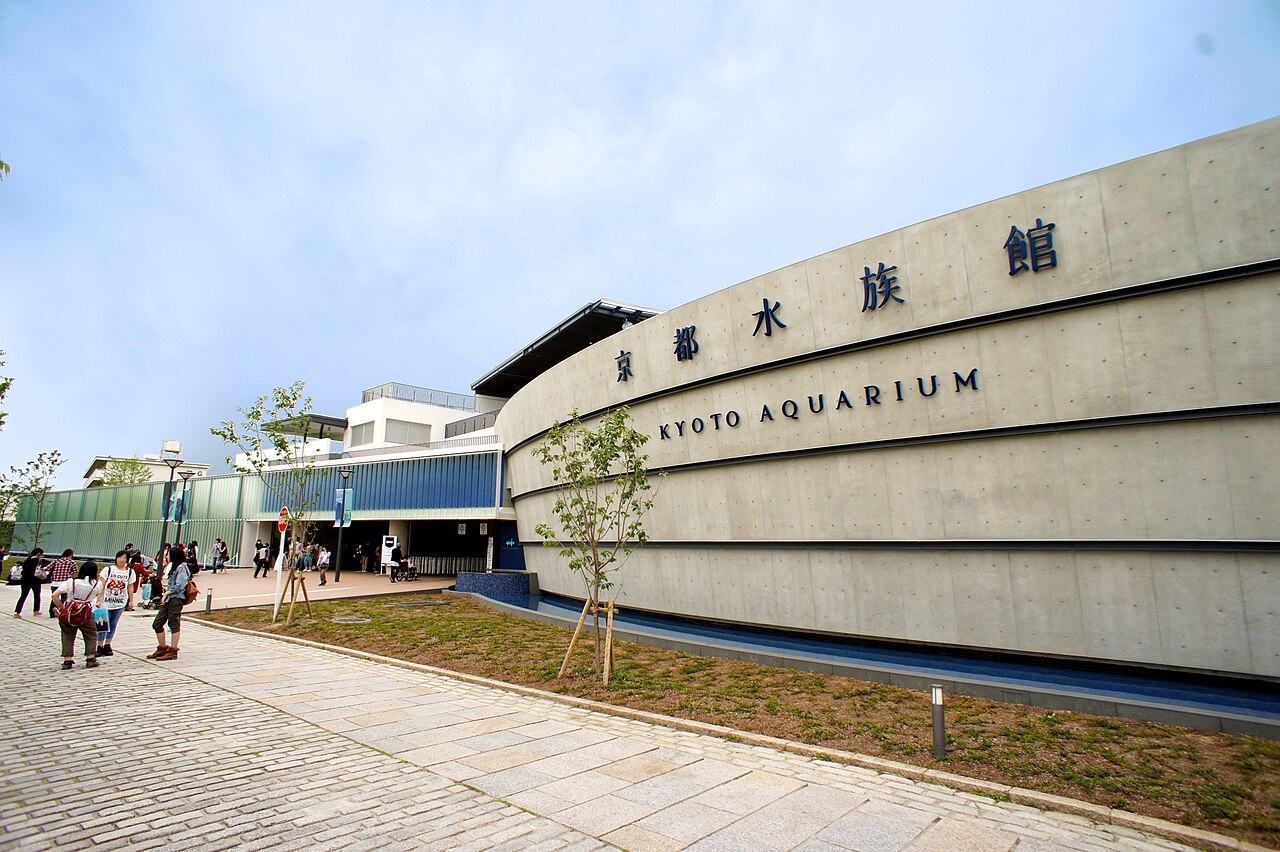
Kyoto Aquarium, which opened in 2012, was one of the first large aquariums in Japan built entirely inland, far from the sea. That constraint shaped its whole design philosophy: rather than simply displaying ocean spectacle, it tells the story of water itself, tracing rivers from the mountains of Kyoto down to the bay. The result is a thoroughly modern, thoughtfully curated attraction that works beautifully as a change of pace on a temple-heavy itinerary, and as a reliable rainy-day or family option.
The journey begins, fittingly, with fresh water. The opening zone is devoted to the rivers and wetlands of the Kyoto region, and its star is the Japanese giant salamander—a wrinkled, prehistoric-looking amphibian that can exceed a metre in length and is a nationally protected special natural monument. Seeing a cluster of these rarely-glimpsed creatures piled in their tank is genuinely startling, and it grounds the aquarium in the specific ecology of its home city.
From there the exhibits broaden to the sea. A large tank recreates the marine life of the seas off Kyoto Prefecture, while a sweeping penguin habitat—home to a colony of Cape penguins each named after a Kyoto street—draws crowds at feeding time. The jellyfish gallery is a highlight, a darkened room of backlit tanks where translucent moon jellies and other species drift like living lanterns, a favourite subject for photographers.
The aquarium’s centrepiece is an open-air dolphin stadium, where daily performances play out against a backdrop of Kyoto’s hills—an unusual sight, dolphins leaping with no ocean in view. There is also a seal pool with a clear tube the animals swim through, a coral-reef display, and interactive tide-pool zones where children can get close to smaller sea creatures.
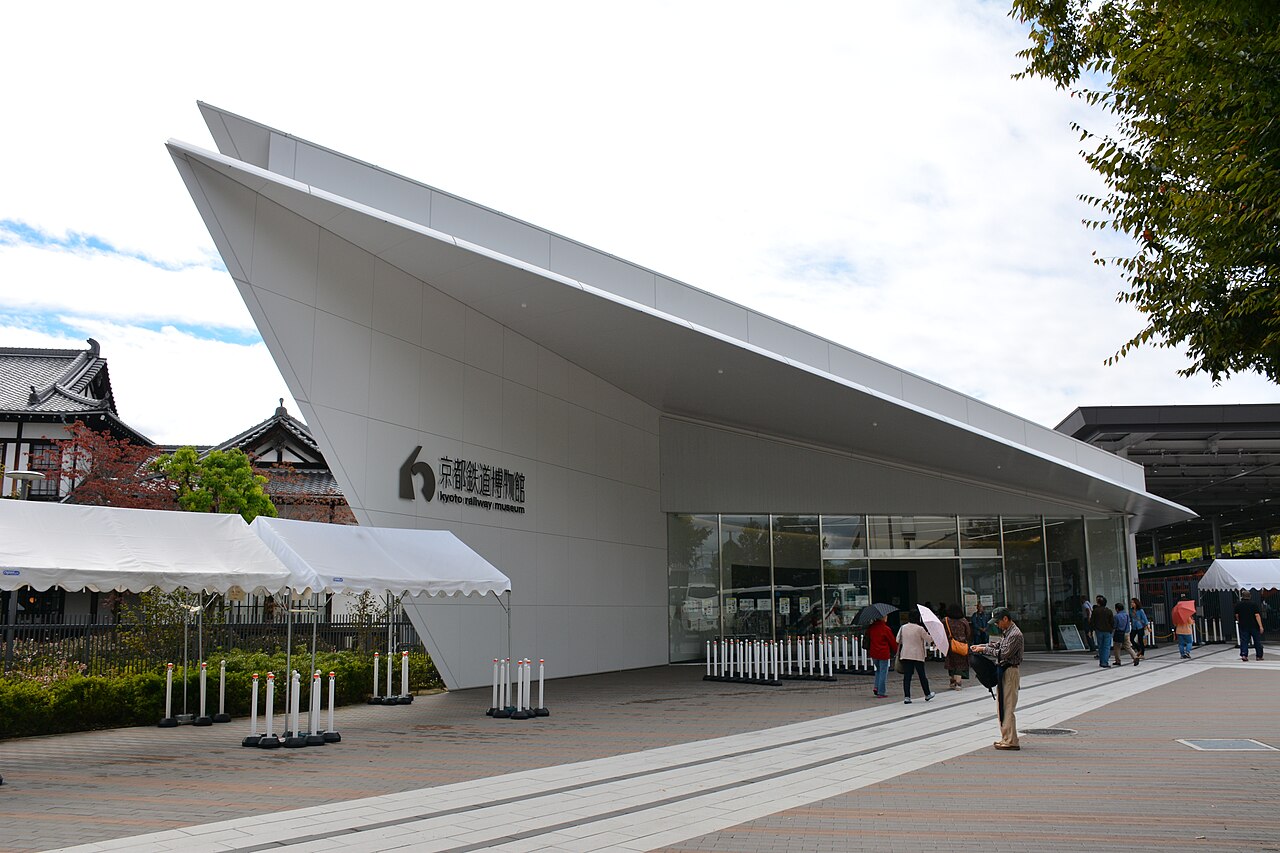
Design-wise the building is clean and contemporary, with a rooftop and cafe overlooking the surrounding greenery. It sits inside Umekoji Park, a spacious lawn on the western edge of central Kyoto that also contains the excellent Kyoto Railway Museum, so the two make a natural pairing for a half-day away from the shrines. The park itself is pleasant for a picnic, and cherry trees bloom here in spring.
Practically, the aquarium is an easy fifteen-minute walk west of Kyoto Station through the park, or a short hop to Umekoji-Kyotonishi Station on the JR Sagano Line. Weekday afternoons are the calmest; weekends and school holidays are busy with local families. Allow around two hours. For travelers with children, for anyone caught by Kyoto’s frequent rain, or simply for those wanting a modern, low-effort couple of hours, it is a well-run and quietly educational stop that keeps its focus firmly on the water that made Kyoto possible.
A local's tip
Time your visit for a dolphin performance in the open-air stadium, and don’t miss the giant salamander tank near the entrance—a genuinely rare, protected Japanese species.
Best time to visit
Weekday afternoons
Getting there
Walk about 15 minutes west from Kyoto Station through Umekoji Park, or one stop to Umekoji-Kyotonishi Station on the JR Sagano Line.
Good to know
- Cafe
- Wi-Fi
- Gift Shop
- Restrooms
Plan the whole trip offline
Kyoto Aquarium is one of many places in the Real Japan app — with turn-by-turn directions, nearby spots and full offline maps you can use with no signal.