One of Japan's three premier castles, famed for its curved 'musha-gaeshi' walls and dramatic post-earthquake reconstruction.
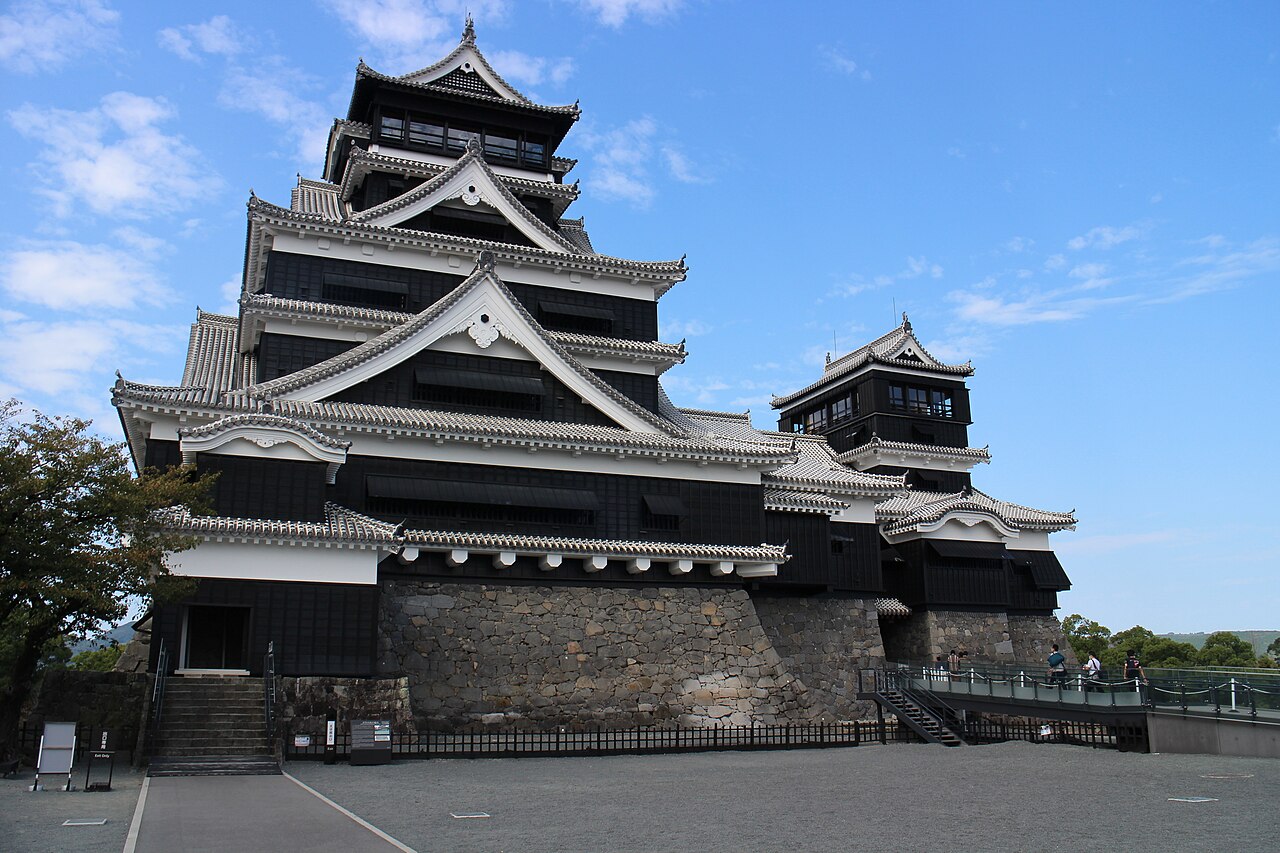
Kumamoto Castle is widely ranked among Japan's three greatest castles, alongside Himeji and Matsumoto, and for many visitors it is the single reason to come to Kyushu's central plain. Built between 1601 and 1607 by the warrior-lord Kato Kiyomasa, a general renowned as both a fierce commander and a brilliant civil engineer, the fortress was designed to be nearly impregnable. Its most famous feature is the 'musha-gaeshi' stonework: walls that rise gently at the base and then curve outward sharply near the top, making them impossible to scale. Kiyomasa reportedly planted nut trees and packed the floors with edible tatami in case of a long siege.
The castle's defences were tested during the 1877 Satsuma Rebellion, when the garrison withstood a 53-day siege by Saigo Takamori's forces. Fire destroyed the original main keep during that conflict, and the striking black-and-white tower you see today is a 1960 reconstruction, though many turrets, gates and long stretches of wall are genuine Edo-period survivors.
In April 2016 two powerful earthquakes struck Kumamoto, toppling stone walls, collapsing turrets and leaving the keep badly damaged. The image of a single corner of stones improbably holding up the Iida-maru turret became a symbol of the city's resilience. A decades-long restoration followed, and the main keep reopened to visitors in 2021, its interior rebuilt as an excellent modern museum tracing the Kato and Hosokawa clans who ruled here.
Today a visit combines genuine history with the fascination of watching one of Japan's largest cultural-heritage repairs still underway. The elevated Special Access Route, a 350-metre wooden walkway, carries you above the grounds so you can view damaged and repaired sections side by side. From the top floor of the keep the view stretches across the city to the smoking cone of Mount Aso.
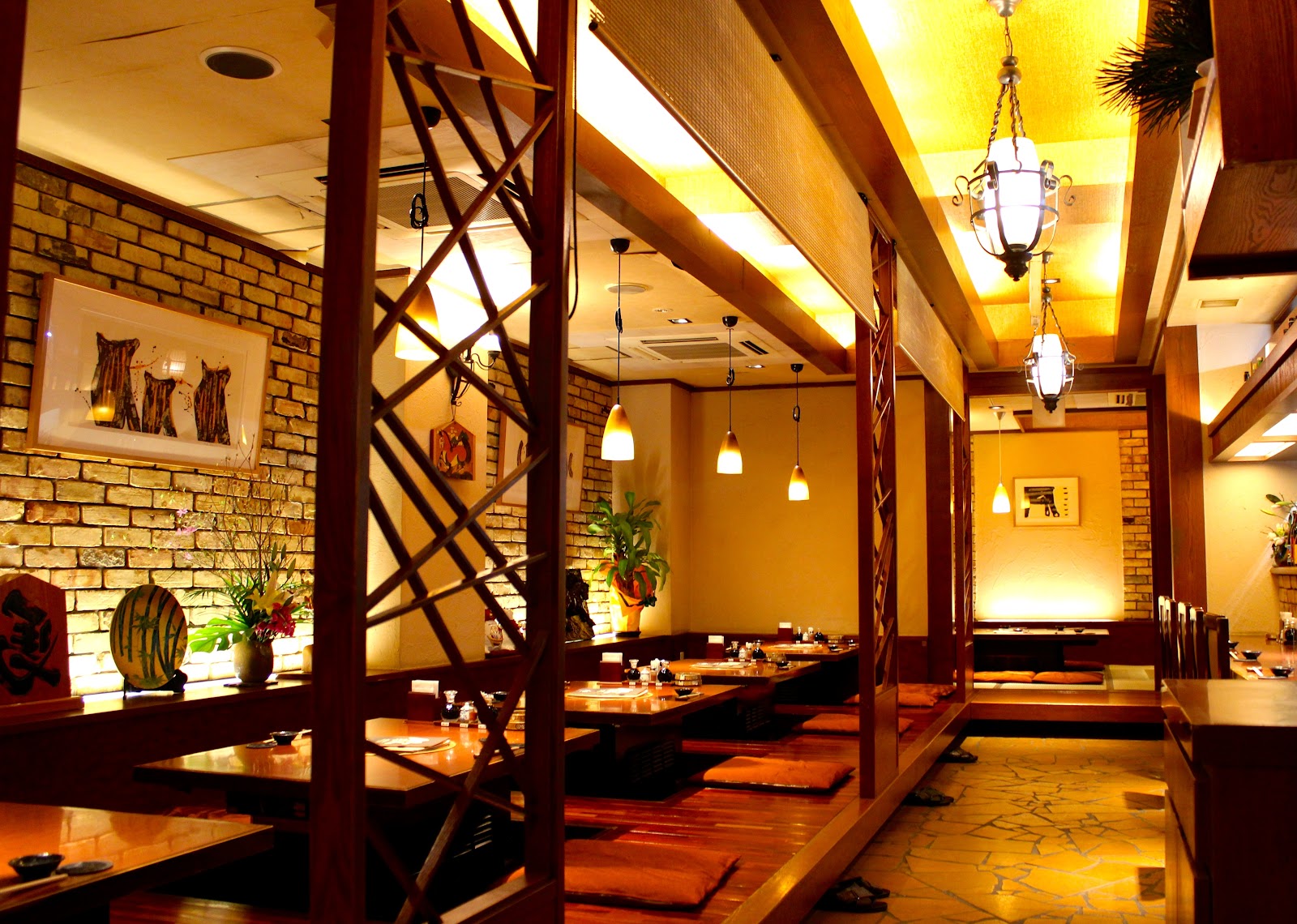
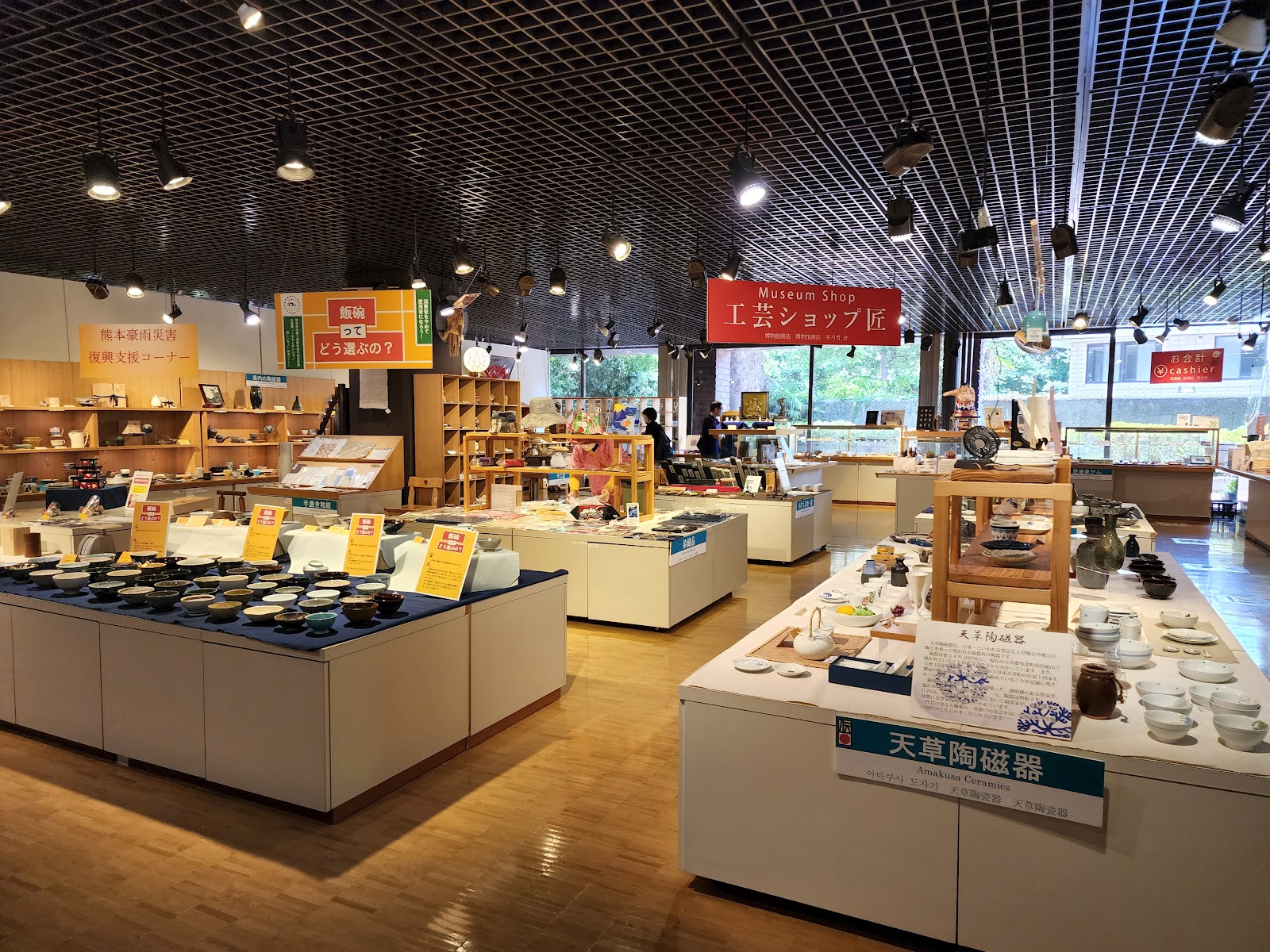
The surrounding park is one of Kyushu's best cherry-blossom spots, with around 800 trees framing the black walls in spring, while autumn brings colour to the ginkgo and maples. Just outside the walls, the Sakura-no-baba Josaien district recreates an Edo castle town with restaurants and craft shops, making it easy to pair the visit with lunch.
Allow at least two hours. From Kumamoto Station, the A-line tram reaches Kumamoto-jo/Shiyakusho-mae in about 17 minutes; from there it is a short uphill walk to the ticket gate. Early morning is best both for softer light on the stonework and to enjoy the grounds before tour groups arrive.
A local's tip
Walk the elevated Special Access Route (the 350 m wooden skywalk) built after the 2016 earthquake — it lets you see the reconstruction up close and the massive fitted stone walls from above.
Best time to visit
Spring for cherry blossoms; early morning to beat crowds
Getting there
From Kumamoto Station take the A-line tram (about 17 min) to Kumamoto-jo/Shiyakusho-mae, then walk 8 minutes uphill to the castle entrance. The Shiro-megurin loop bus also circles the castle from the station.
Good to know
- Wi-Fi
- Gift shop
- Restrooms
Plan the whole trip offline
Kumamoto Castle is one of many places in the Real Japan app — with turn-by-turn directions, nearby spots and full offline maps you can use with no signal.