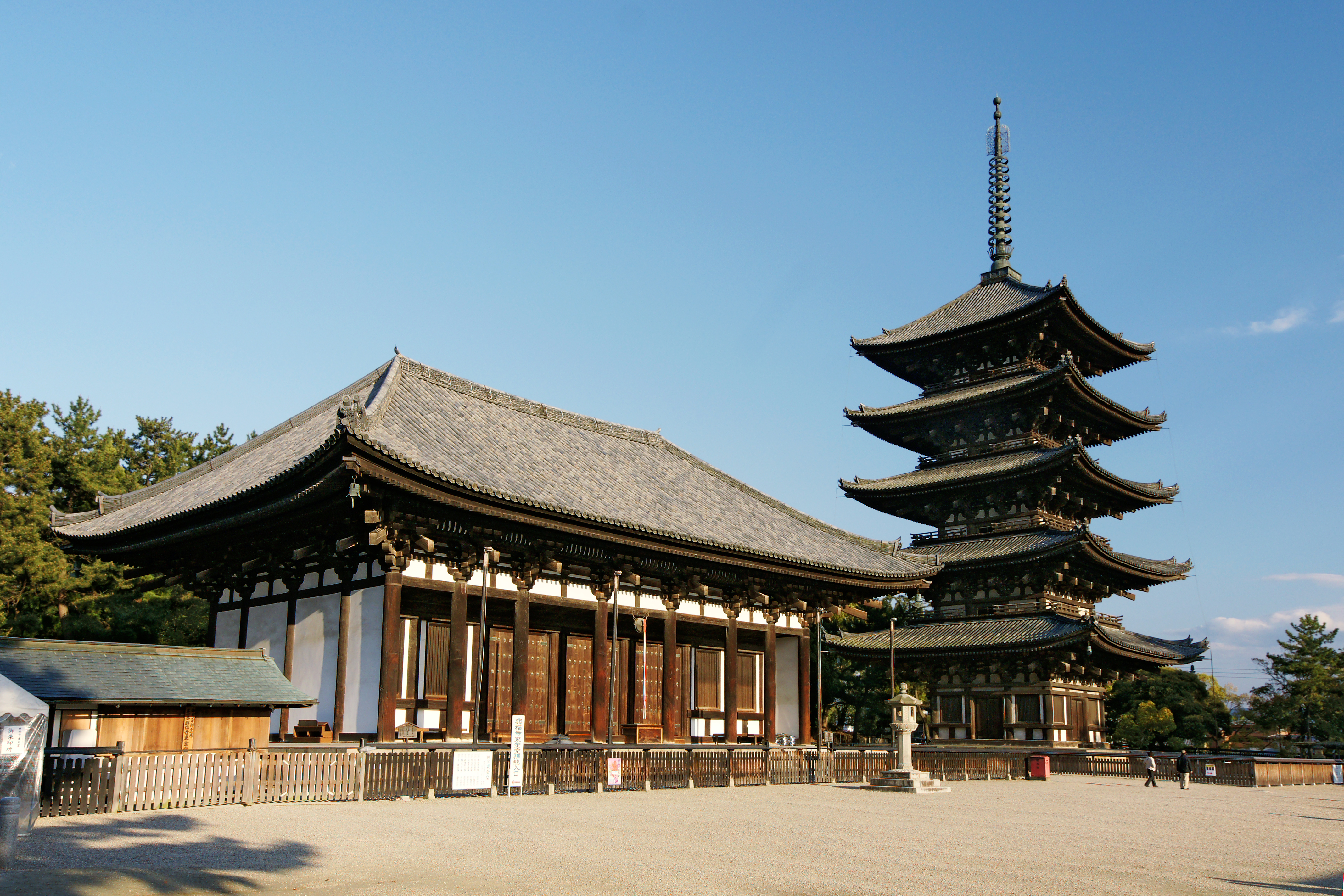
Nara's iconic five-story pagoda and the ancient headquarters of the Fujiwara clan, home to Japan's beloved Ashura statue.
Kofuku-ji is the temple whose slender five-story pagoda has become the visual shorthand for Nara itself, rising 50 metres above the park where sacred deer wander. Founded in 669 by the wife of statesman Fujiwara no Kamatari and moved to its present hilltop in 710 when the capital shifted to Heijo-kyo, it grew into one of the Nanto Shichi Daiji, the Seven Great Temples of the ancient capital. As the tutelary temple of the immensely powerful Fujiwara family, Kofuku-ji wielded political and military influence for centuries, at times fielding armies of warrior monks that could sway the imperial court.
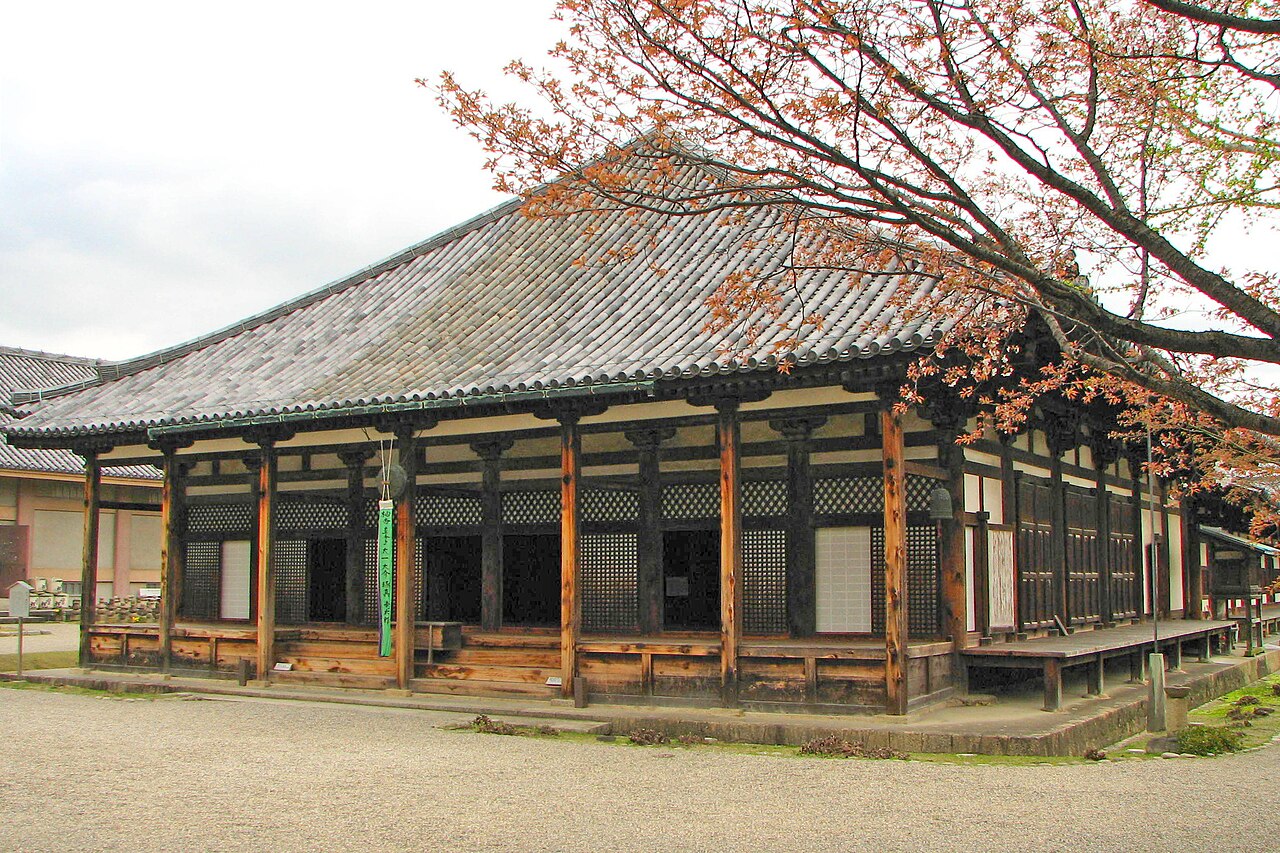
Today the temple is part of the Historic Monuments of Ancient Nara, a UNESCO World Heritage Site, and it remains the national headquarters of the Hosso (East Asian Yogacara) school of Buddhism. The buildings you see are survivors and careful reconstructions, because fire and war repeatedly levelled the complex over its long history. The five-story pagoda, first raised in 730 and last rebuilt in 1426, is the second tallest wooden pagoda in Japan. Beside it stands the Tokondo, the Eastern Golden Hall, and the recently reconstructed Central Golden Hall (Chukondo), completed in 2018 to recover the temple's Nara-period silhouette.
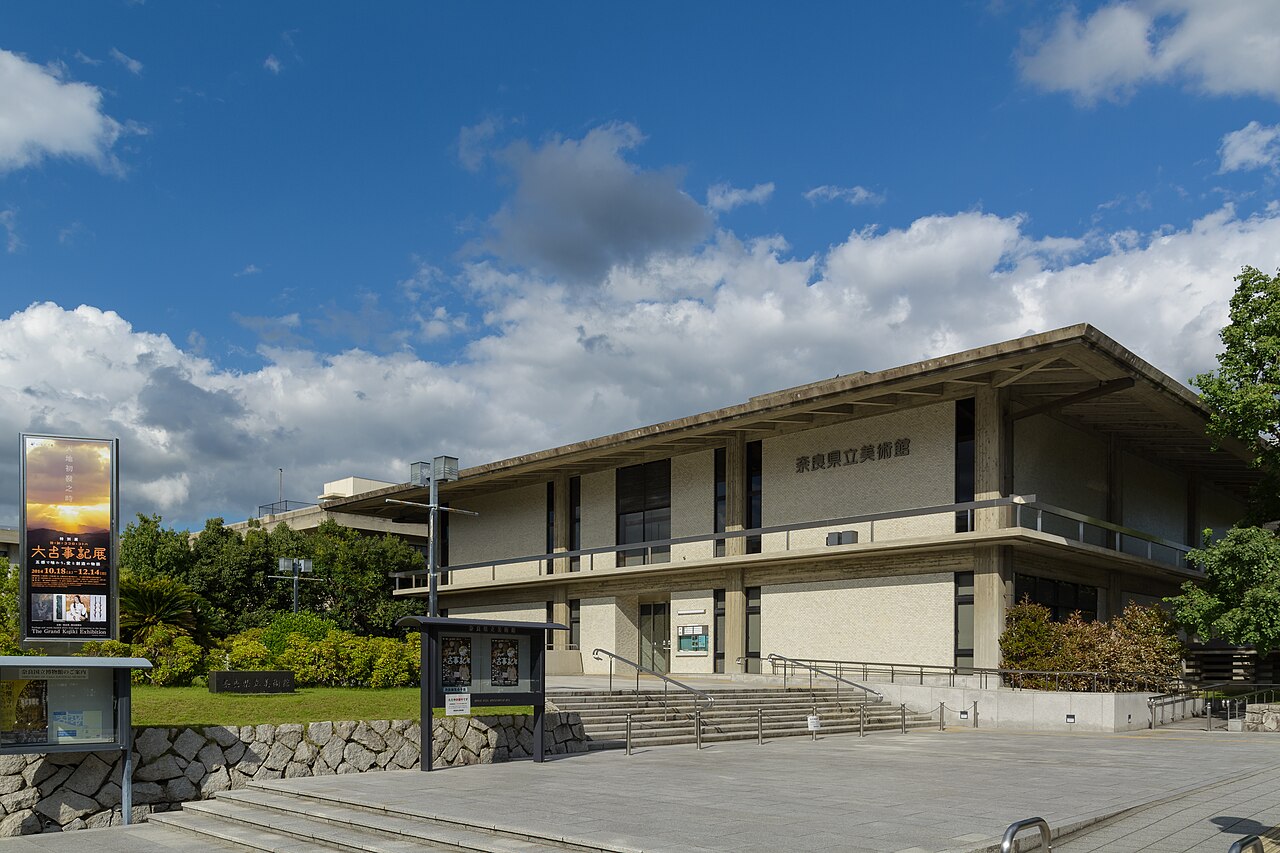
The real treasures, though, are inside. The National Treasure Museum (Kokuhokan) holds one of the finest collections of Buddhist sculpture in the country, crowned by the eighth-century dry-lacquer statue of Ashura, a slender, three-faced, six-armed guardian with an expression of such gentle melancholy that it has become one of the most loved images in all of Japanese art. Standing before it is the reason many visitors come to Nara at all.
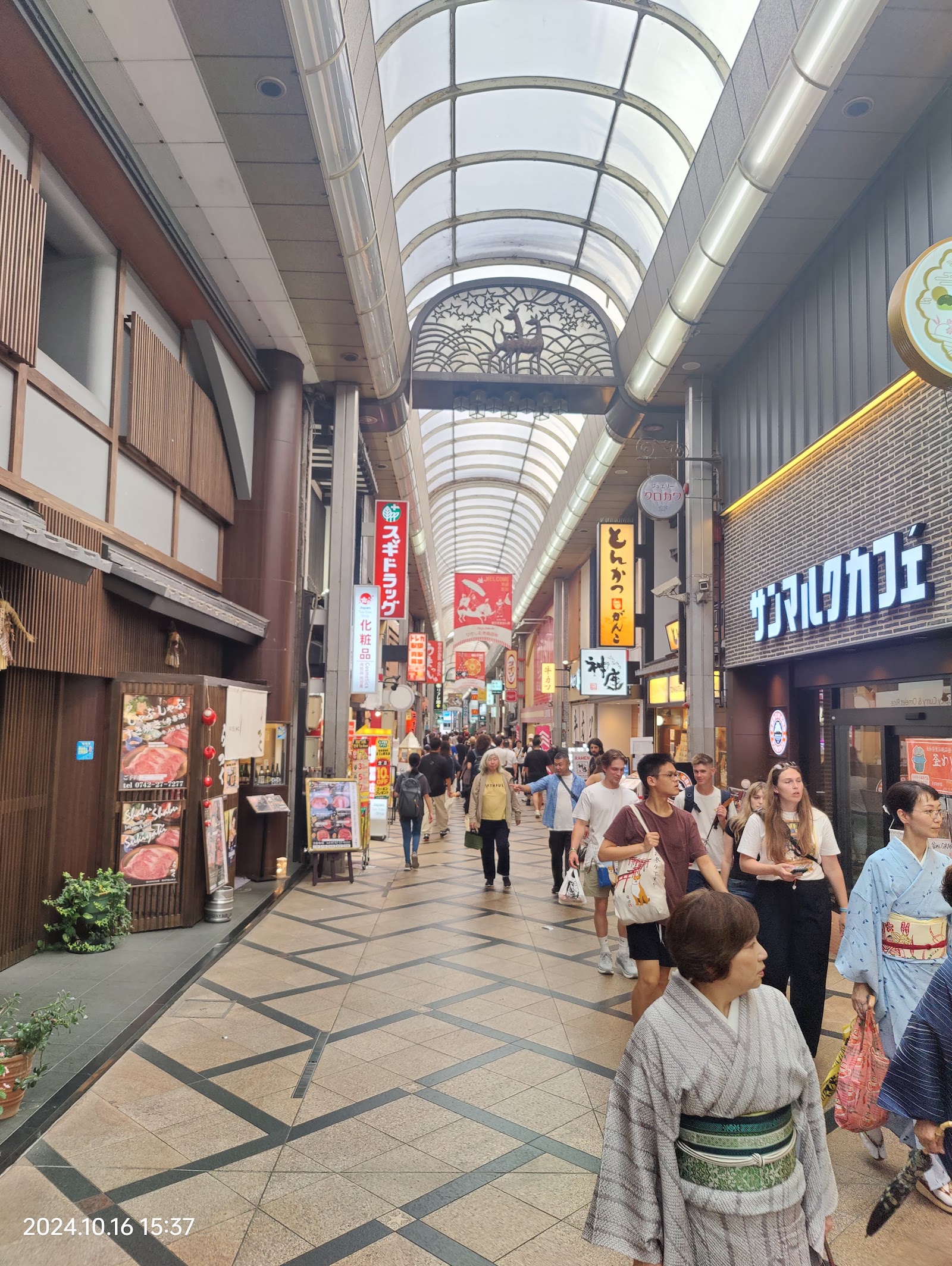
The visiting experience is refreshingly open. The grounds are free to wander and blend seamlessly into Nara Park, so you can drift here between Todai-ji and the shopping lanes of Higashimuki without a fixed plan; you pay only to enter the individual halls and the museum. Paths are broad and mostly level, making the site easy for most visitors, and deer graze right up to the pagoda's base. In spring, cherry blossoms frame the halls; in autumn, the maples around Sarusawa Pond just below turn fiery, and the pagoda's reflection in the water is one of Nara's classic photographs.
Come in the late afternoon if you can. The low sun lights the pagoda's grey tiers in warm gold, day-trip crowds have mostly moved on, and the walk down to Sarusawa Pond at dusk, deer silhouetted against the water, is quietly unforgettable. Getting there could not be simpler: Kofuku-ji is a five-minute stroll east from Kintetsu Nara Station and about fifteen minutes on foot from JR Nara Station, making it the natural first stop on any walk into the park.
A local's tip
Skip the paid halls if you are short on time and instead circle the five-story pagoda at dusk, when the crowds thin and the tiered roofs glow against the sky. The National Treasure Museum, however, is worth every yen for the three-faced, six-armed Ashura statue.
Best time to visit
Late afternoon for golden light on the pagoda
Getting there
A 5-minute walk east from Kintetsu Nara Station, or about 15 minutes on foot from JR Nara Station. The temple sits on a rise at the western edge of Nara Park, so you can fold it into a single loop with Todai-ji and Kasuga Taisha.
Good to know
- Wi-Fi
- Restrooms
- Wheelchair access
Plan the whole trip offline
Kofuku-ji is one of many places in the Real Japan app — with turn-by-turn directions, nearby spots and full offline maps you can use with no signal.