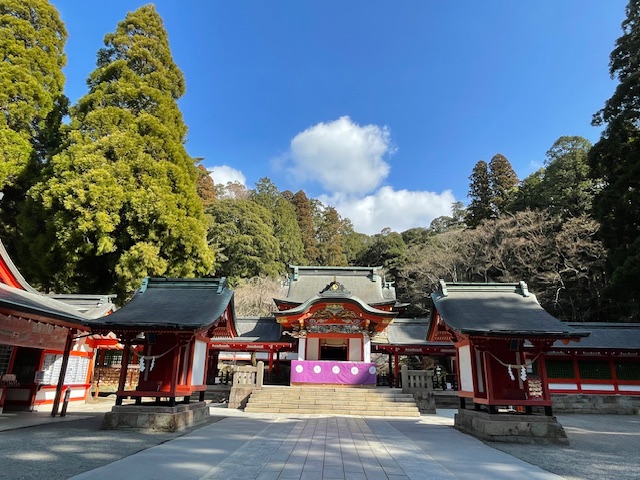
A vivid vermilion shrine wrapped in ancient cedar forest, rooted in Japan's founding mythology.
Kirishima-Jingu is one of the most beautiful and spiritually significant shrines in southern Kyushu, its brilliant vermilion halls set against a backdrop of towering cedar forest on the flanks of the Kirishima volcanic range. Dedicated to Ninigi-no-Mikoto, the grandson of the sun goddess Amaterasu, the shrine sits at the mythological heart of Japan's founding legends and draws pilgrims and travellers alike into an atmosphere of deep antiquity.
According to Japanese mythology, Ninigi descended from the heavens to the peak of nearby Mount Takachiho, bringing with him the sacred sword, mirror and jewel that became the imperial regalia, to establish divine rule over the land. Kirishima-Jingu enshrines this god of the heavenly descent, and the whole region is steeped in the myths recorded in Japan's oldest chronicles. The shrine's origins reach back over a thousand years, though its early buildings, perched higher on the volcano, were repeatedly destroyed by eruptions. The present magnificent structures date from 1715, rebuilt by the Shimazu lord of Satsuma at their current, safer location.
The architecture is a highlight in itself. The main hall glows with red-orange lacquer, gold fittings and intricately carved and painted eaves, a richness unusual among Japan's often austere shrines and reflecting both the wealth of the Satsuma domain and continental artistic influence. A grand stone-paved approach climbs beneath a great torii gate and through the forest to the halls, passing ancient trees including a revered sacred cedar said to be some 800 years old. The surrounding woodland, frequently wreathed in the mountain mists that give the Kirishima ('fog island') range its name, lends the site a genuinely otherworldly air.
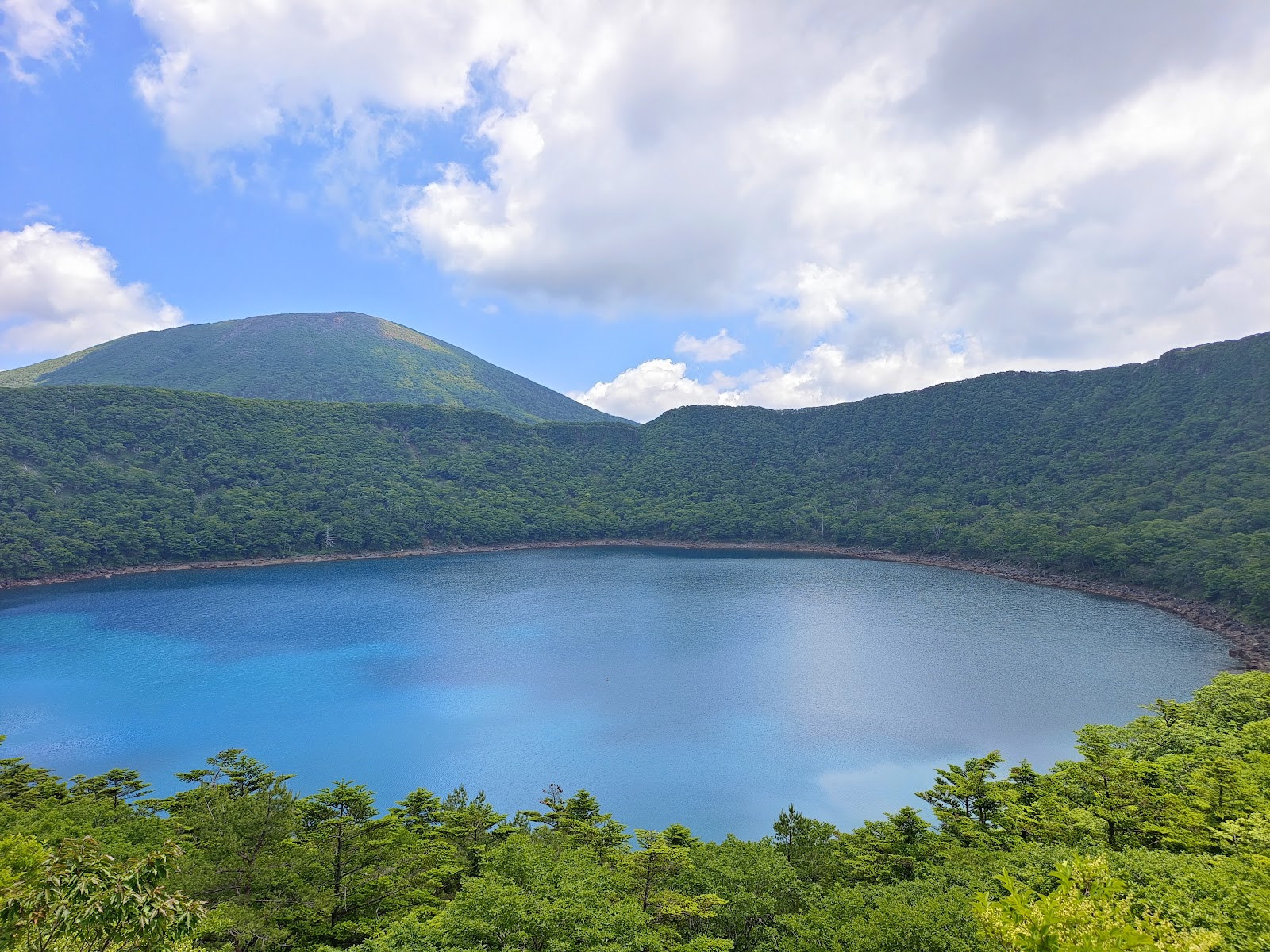
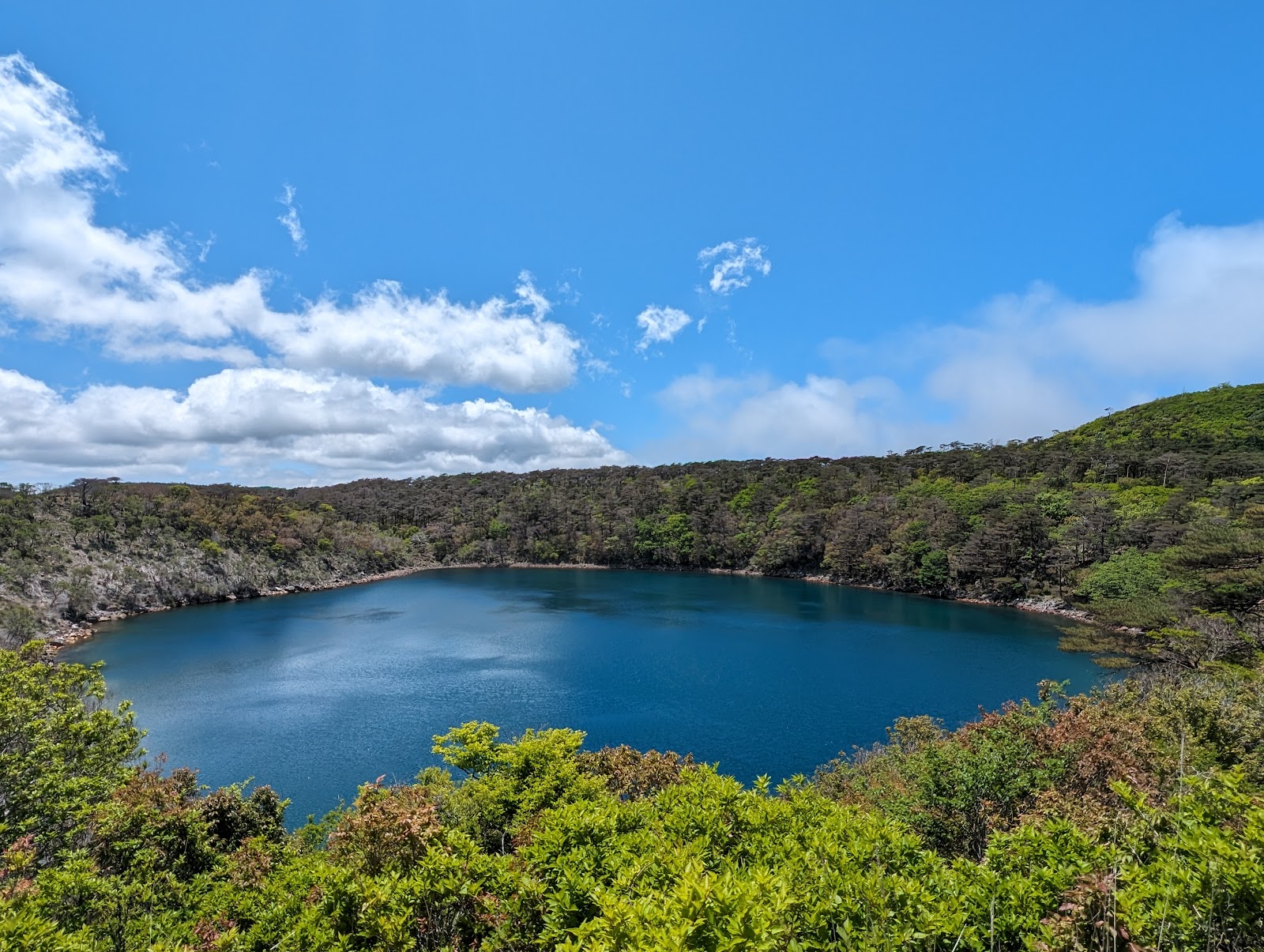
Beyond its beauty, the shrine is a living centre of worship. Visitors come to pray for good fortune, and the grounds host lively festivals through the year, including ceremonies rooted in the ancient myths. A viewpoint near the shrine looks out over the Kirishima plateau toward Kinko Bay and, on clear days, the distant cone of Sakurajima. The wider Kirishima area is a national park prized for its volcanoes, crater lakes, hiking trails and hot springs, making the shrine a natural base for exploring one of Kyushu's finest highland landscapes.
A visit is free and rewarding. The main approach involves some steps and a gentle climb through the forest, though much of the grounds can be enjoyed at a relaxed pace; restrooms, parking, a shop selling amulets and local crafts, and cafes are close at hand. Autumn brings fiery maple colour and spring a scattering of cherry, while misty mornings offer the most atmospheric photographs.
Getting here takes some effort, which keeps the crowds manageable. From Kagoshima city, JR trains on the Hisatsu Line reach Kirishima-Jingu Station in around an hour, from where a short local bus climbs to the shrine; by car it is a scenic drive up into the highlands. Combine the shrine with the hiking, onsen and crater lakes of Kirishima-Kinkowan National Park for a memorable day beyond the city, at a place where Japanese myth, volcanic nature and vivid architecture meet.
A local's tip
Come on a misty morning — when cloud drifts through the cedar forest around the vermilion halls, Kirishima-Jingu earns its reputation as one of the most atmospheric shrines in Kyushu.
Best time to visit
Autumn for foliage; misty mornings for atmosphere
Getting there
From JR Kirishima-Jingu Station take a local bus (about 10-15 minutes) up to the shrine; by car it is roughly an hour from Kagoshima city.
Good to know
- Cafe
- Parking
- Gift Shop
- Restrooms
Plan the whole trip offline
Kirishima-Jingu Shrine is one of many places in the Real Japan app — with turn-by-turn directions, nearby spots and full offline maps you can use with no signal.