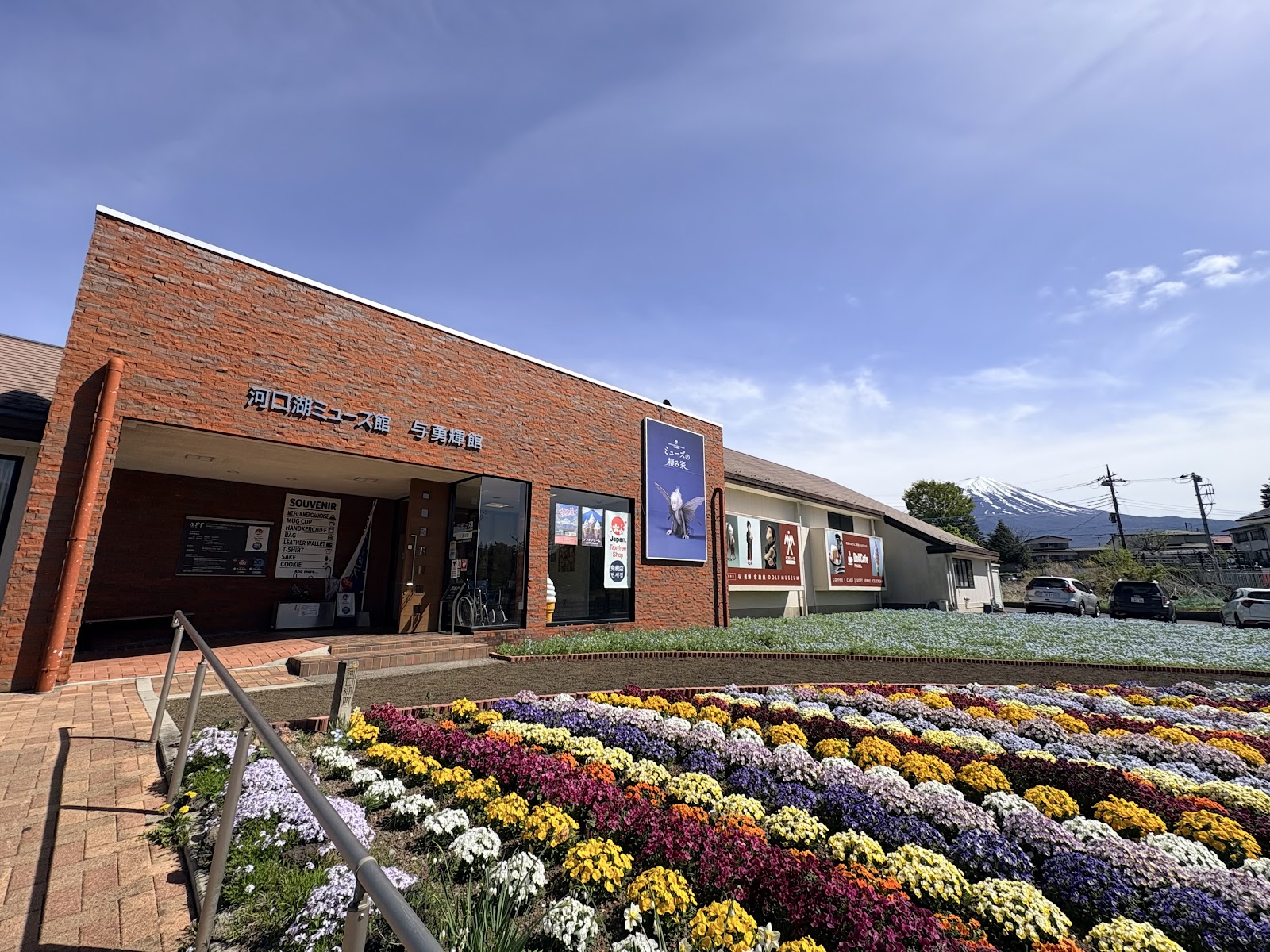
Lakeside museum devoted to Yuki Atae's astonishingly lifelike fabric dolls of Showa-era childhood.
Tucked inside Yagizaki Park on the quieter eastern shore of Lake Kawaguchi, the Kawaguchiko Muse Museum is a small but deeply memorable stop dedicated to the doll artist Yuki Atae. Atae, born in Tokyo in 1937, spent decades crafting figures out of cloth that capture the vanished world of Showa-era Japan — barefoot children chasing dragonflies, a grandmother bent over her sewing, siblings sharing a single umbrella in the rain. What sets his work apart is the uncanny sense of life in each piece: a tilt of the head, a wrinkle in a hand-dyed kimono, a wistful sideways glance. Visitors regularly describe the sensation that the dolls are about to move or speak.
The museum building itself is modest and calm, purpose-built so that natural light falls gently across the display cases. Rotating exhibitions mean the pieces on show change through the year, and the curators arrange them into little scenes — a village festival, a snowy morning, a summer riverbank — so the collection reads almost like a series of freeze-framed short stories about ordinary Japanese life. For international visitors it doubles as a tender, wordless history lesson about the country in the decades after the war.
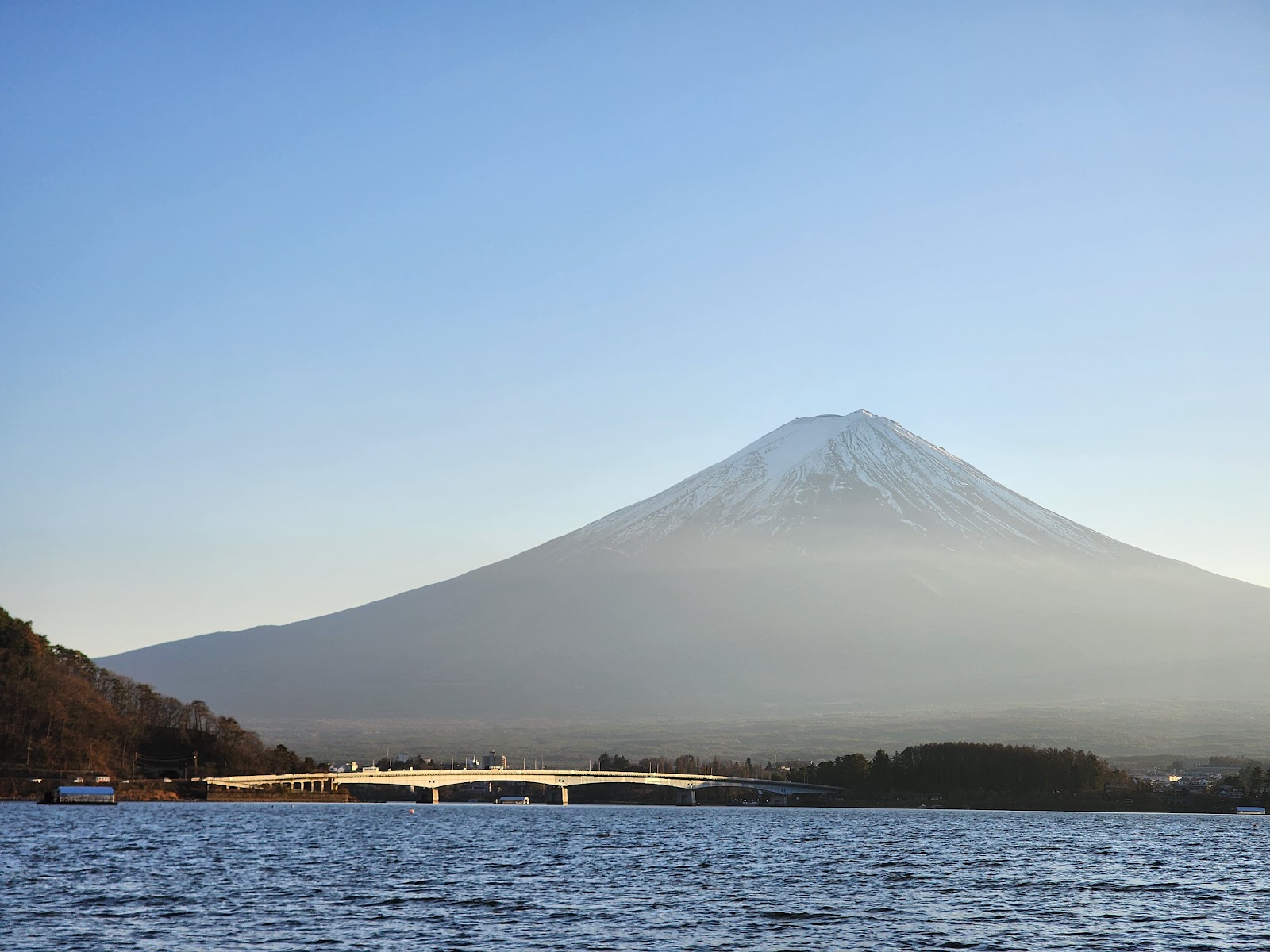
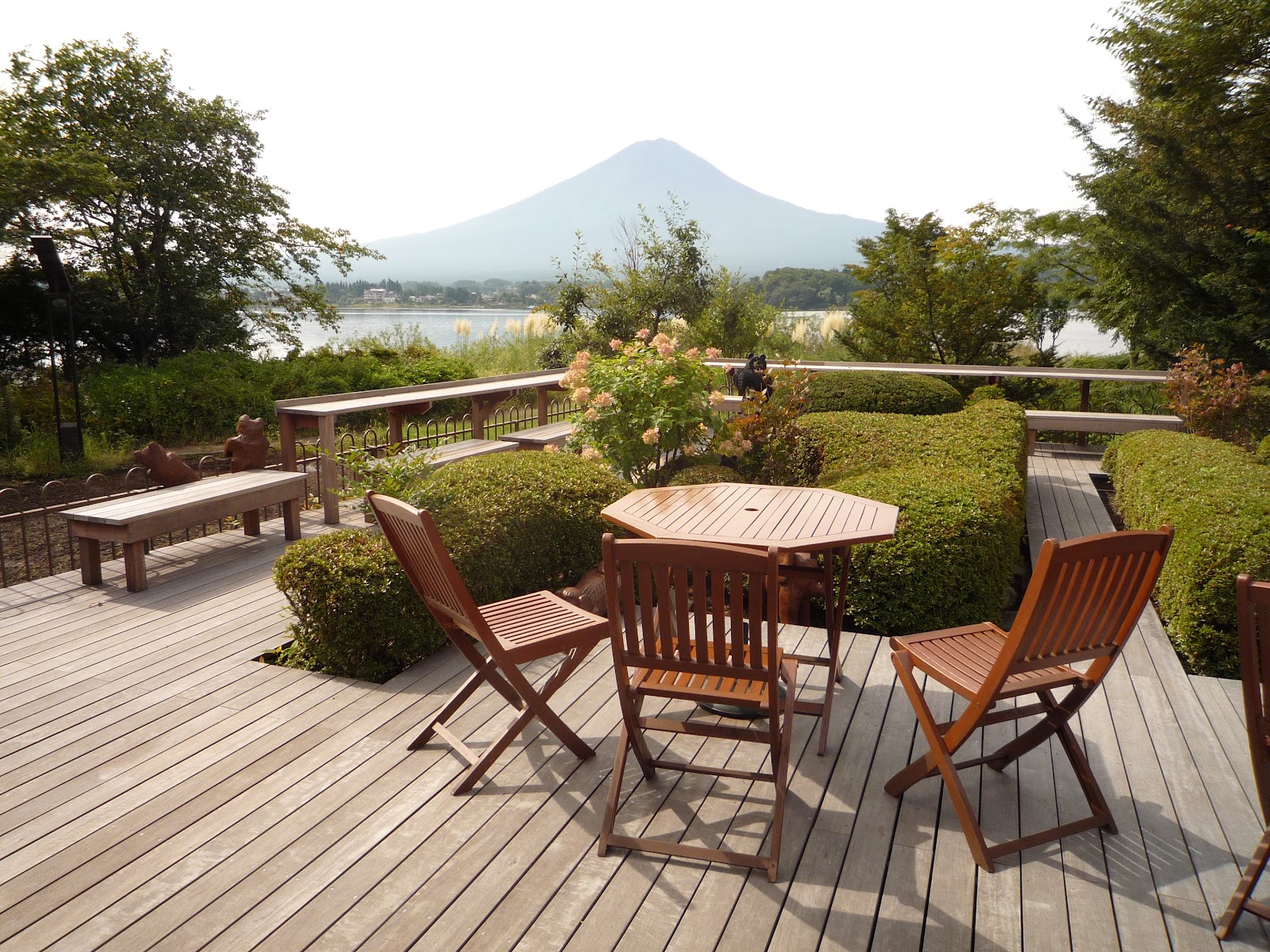
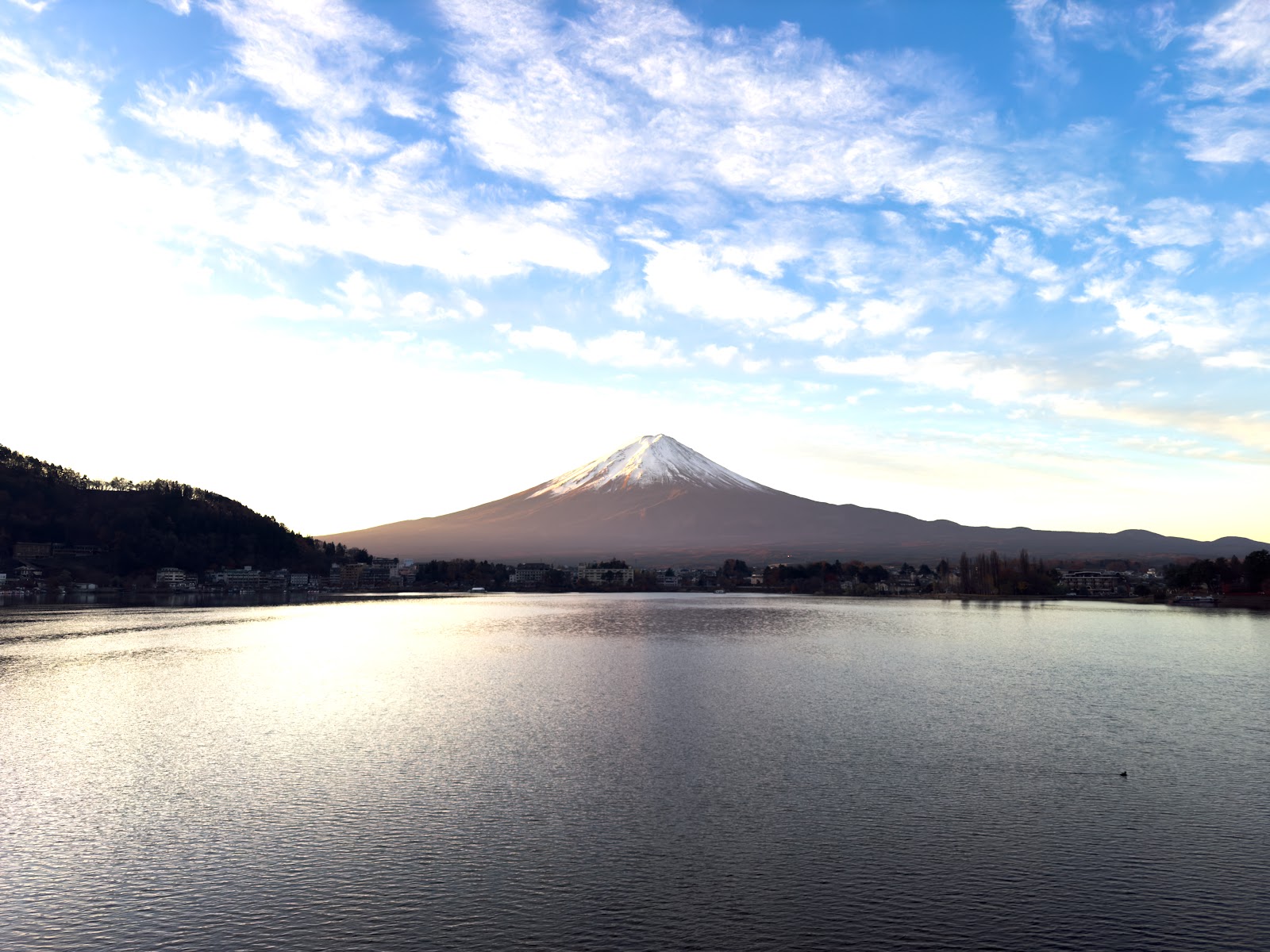
Just as much a draw is the setting. The museum stands within a landscaped park right on the lakeshore, ringed by a rose garden that blooms twice a year and frames a classic view of Mt. Fuji rising across the water. Many people spend as long in the garden as inside the galleries, and the combination of art, flowers, lake and mountain makes this one of the most photogenic corners of the northern shore.
A little history: the museum opened in 1994 as part of Fujikawaguchiko's effort to build a cluster of small, high-quality art museums along the lake — a strategy that also gave the area the Itchiku Kubota and Music Forest museums nearby. Together they turned a resort town into a genuine cultural destination.
The visiting experience is relaxed and accessible. The building is single-level and easy to navigate, English signage covers the essentials, and a gift shop sells doll-themed postcards and books. Allow around 45 minutes inside, more if you linger in the garden. It pairs naturally with a walk along the Yagizaki lakeshore path.
The best time to come is late spring or mid-autumn, when the roses are open and the air is clear enough to see Fuji reflected in the lake; winter mornings, though cold, offer the sharpest mountain views. Getting there is simple: from Kawaguchiko Station board the red-line Kawaguchiko Sightseeing Bus, a hop-on omnibus that loops the lake, and step off at the Muse Museum / Yagizaki Park stop. Drivers will find free parking beside the park.
A local's tip
The rose garden around the museum peaks in June and again in October — visit then to pair the dolls with the flowers and an unobstructed Mt. Fuji backdrop.
Best time to visit
Any season; combine with a lakeside walk
Getting there
From Kawaguchiko Station take the red Kawaguchiko Sightseeing Bus toward Yagizaki Park and alight at the 'Muse-kan / Yagizaki Koen' stop; the museum sits inside the lakeside park.
Good to know
- Cafe
- Gift Shop
- Restrooms
Plan the whole trip offline
Kawaguchiko Muse Museum – Yuki Atae is one of many places in the Real Japan app — with turn-by-turn directions, nearby spots and full offline maps you can use with no signal.