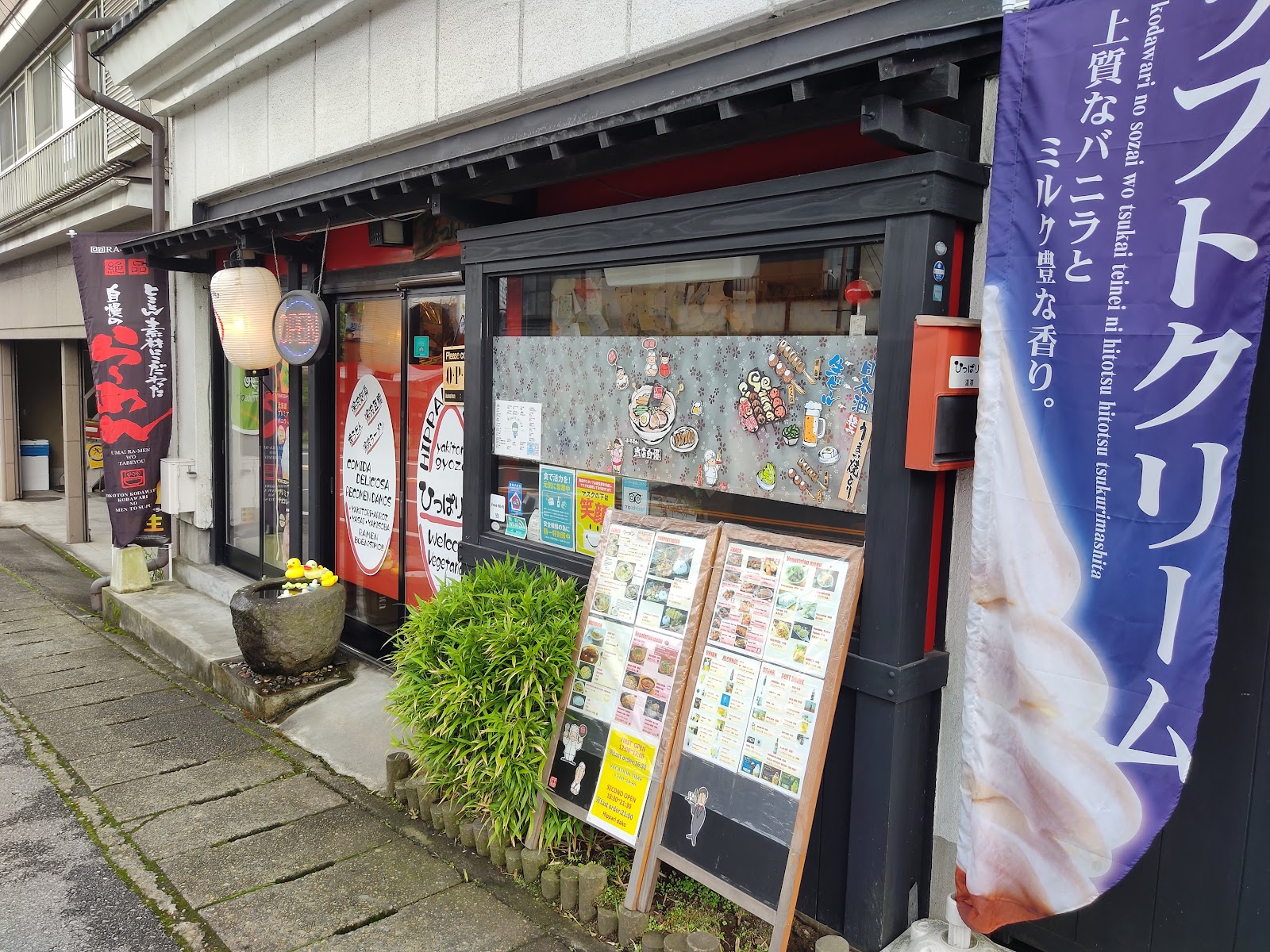
Nikko's historic main street of traditional shops and yuba makers climbing toward the Shinkyo Bridge and the shrines.
Kamihatsuishi-machi is the upper section of Nikko's historic main street, the old approach road that climbs from the town toward the vermilion Shinkyo Bridge and the entrance to the UNESCO World Heritage shrines and temples. Together with the adjoining Shimohatsuishi-machi, it forms the traditional heart of Nikko's commercial life, a gently rising ribbon of shops, restaurants, inns and craft workshops lining Route 119, the modern successor to the Edo-period Nikko Kaido pilgrimage road.
The street's importance is inseparable from the shrines above it. When the Nikko Kaido was developed from Nihonbashi in Edo as a pilgrimage route to Nikko Toshogu, enshrining the shogun Tokugawa Ieyasu, the road terminated at the Hatsuishi district just below the Shinkyo Bridge. For centuries pilgrims, merchants and processions passed through here on their way to worship, and the shops that grew up to serve them cemented Hatsuishi-machi as the town's main street. That long history survives in the old shopfronts, the rows of cedar on the approaches, and family businesses that have traded on the same spot for generations.
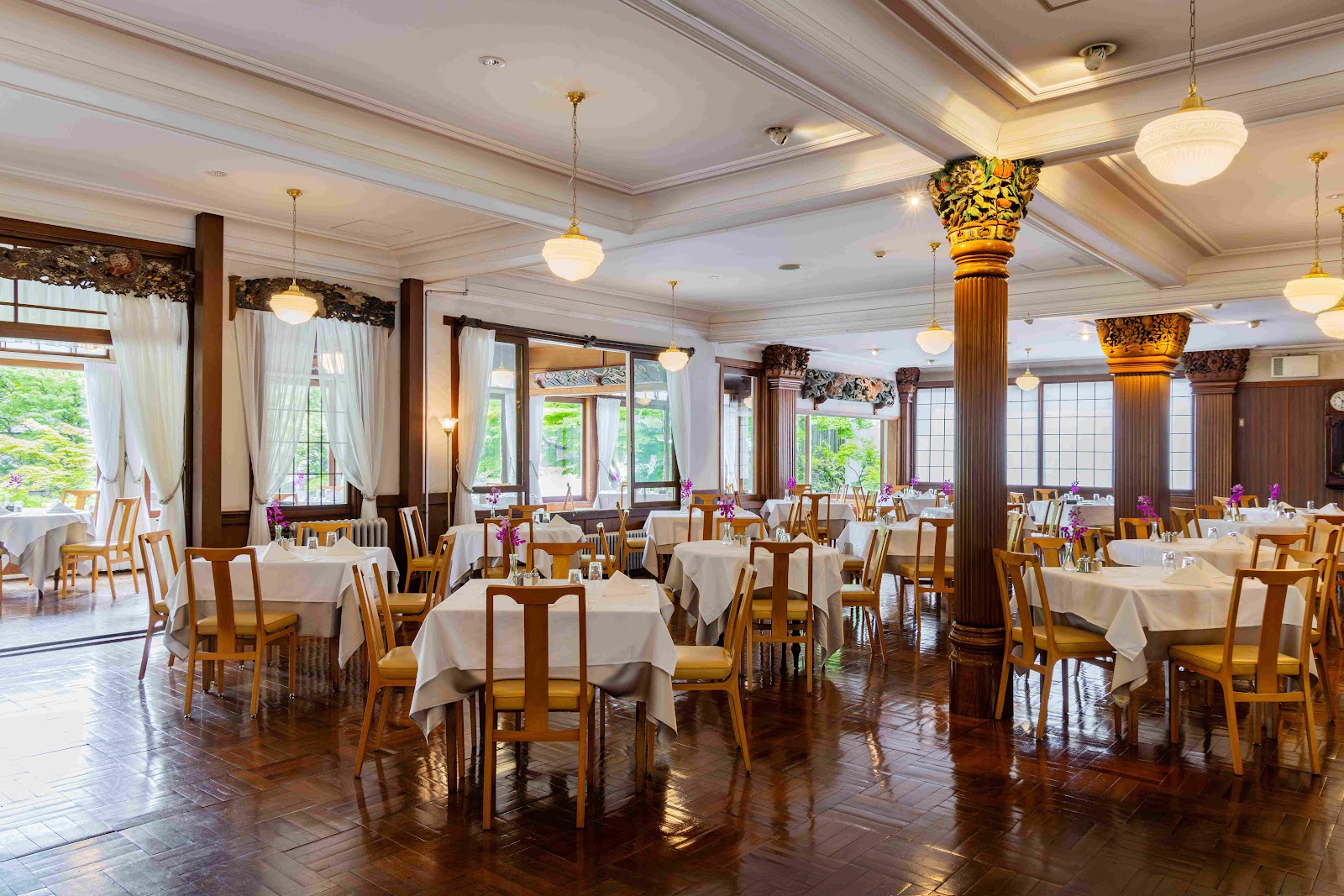
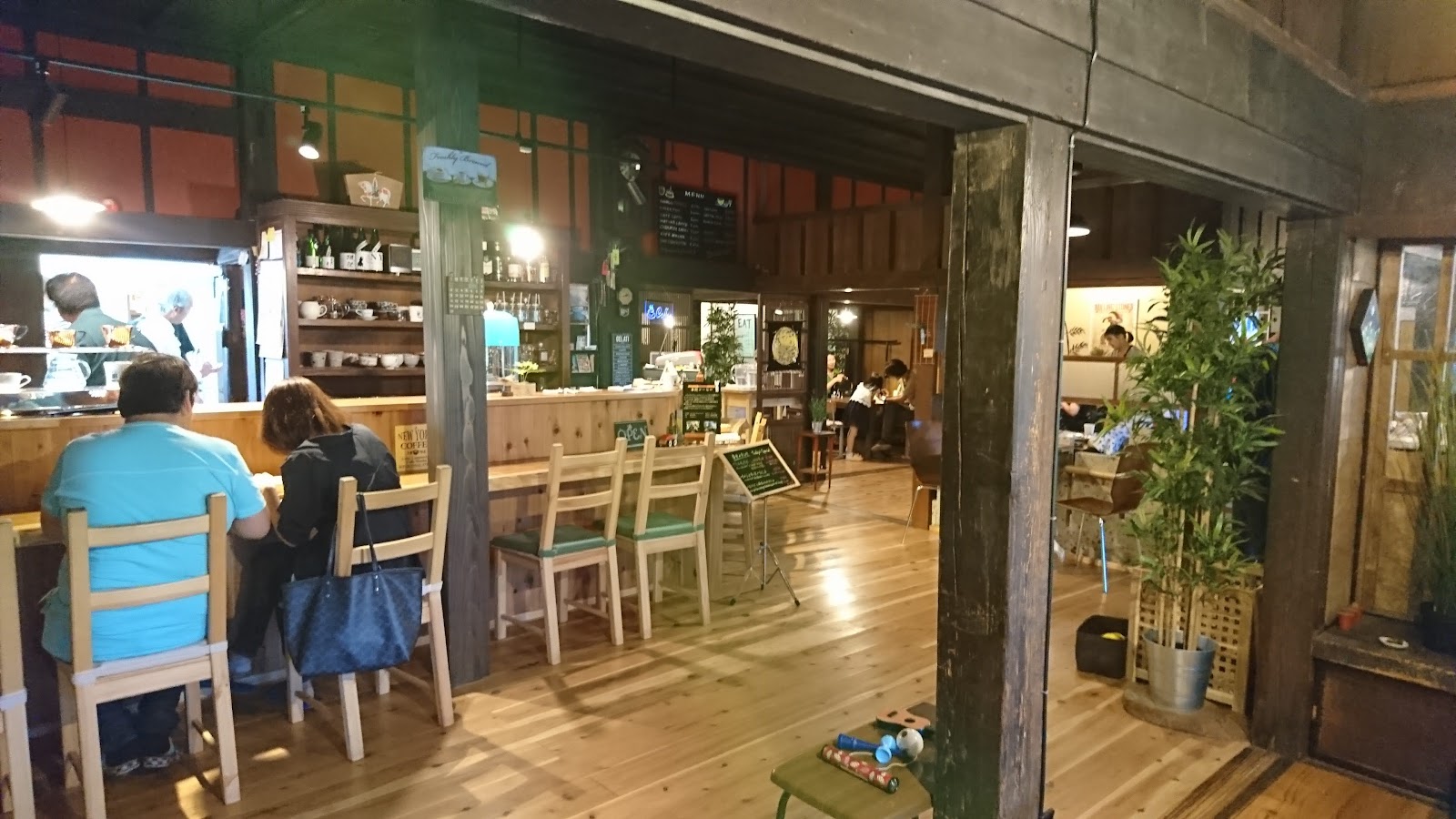
Today the district is the best place in Nikko to browse and eat between shrine visits. Shops sell regional specialties such as yuba (tofu skin), a Nikko delicacy tied to the area's Buddhist heritage, along with yokan sweet bean jelly, pickles, sake, and wooden and lacquer crafts; the yuba maker Fujiya, at 809 Shimohatsuishi-machi, is a well-known example of the street's traditional trades. Cafes serve Nikko coffee and shave ice made with the region's prized natural ice.
A notable fact is that this ordinary-looking shopping street is effectively the historical doorstep of the shrines: everything above Kamihatsuishi-machi, from the Shinkyo Bridge onward, was the sacred precinct, so for pre-modern travellers this was the last stretch of the secular town before entering holy ground.
The visiting experience is that of an easy, atmospheric stroll rather than a single sight, best woven into the walk between the station and the shrines. The route is a continuous, gentle uphill on paved sidewalks with restrooms, restaurants and plenty of shops, making it comfortable for most visitors, though the incline is steady and shops can be busy at midday. Note that many independent shops close on a varying weekday, so a weekend or public holiday visit finds the most open.
Spring, when cherry blossoms appear around the shrine approaches in late April, and autumn, when the surrounding hills turn colour, are the loveliest times to walk the street. To get there, walk uphill from Tobu-Nikko or JR Nikko Station along the main road for about fifteen to twenty minutes; Kamihatsuishi-machi is the upper stretch of shops just before the Shinkyo Bridge. World Heritage loop buses also stop nearby for those wishing to save the climb, and IC cards are accepted on the buses and at many shops.
A local's tip
Stop at long-standing shops here for Nikko specialties like yuba (tofu skin), yokan and locally made wooden crafts; the yuba maker Fujiya at 809 Shimohatsuishi-machi has been operating on this street for generations.
Best time to visit
Late April cherry blossom or autumn
Getting there
From Tobu-Nikko or JR Nikko Station, walk uphill along the main road (Route 119, the old Nikko Kaido) for about 15-20 minutes toward the Shinkyo Bridge; the Kamihatsuishi-machi district is the upper stretch of shops just before the bridge. World Heritage loop buses also stop nearby.
Good to know
- Shops
- Restrooms
- Restaurants
Plan the whole trip offline
Kamihatsuishi-machi is one of many places in the Real Japan app — with turn-by-turn directions, nearby spots and full offline maps you can use with no signal.