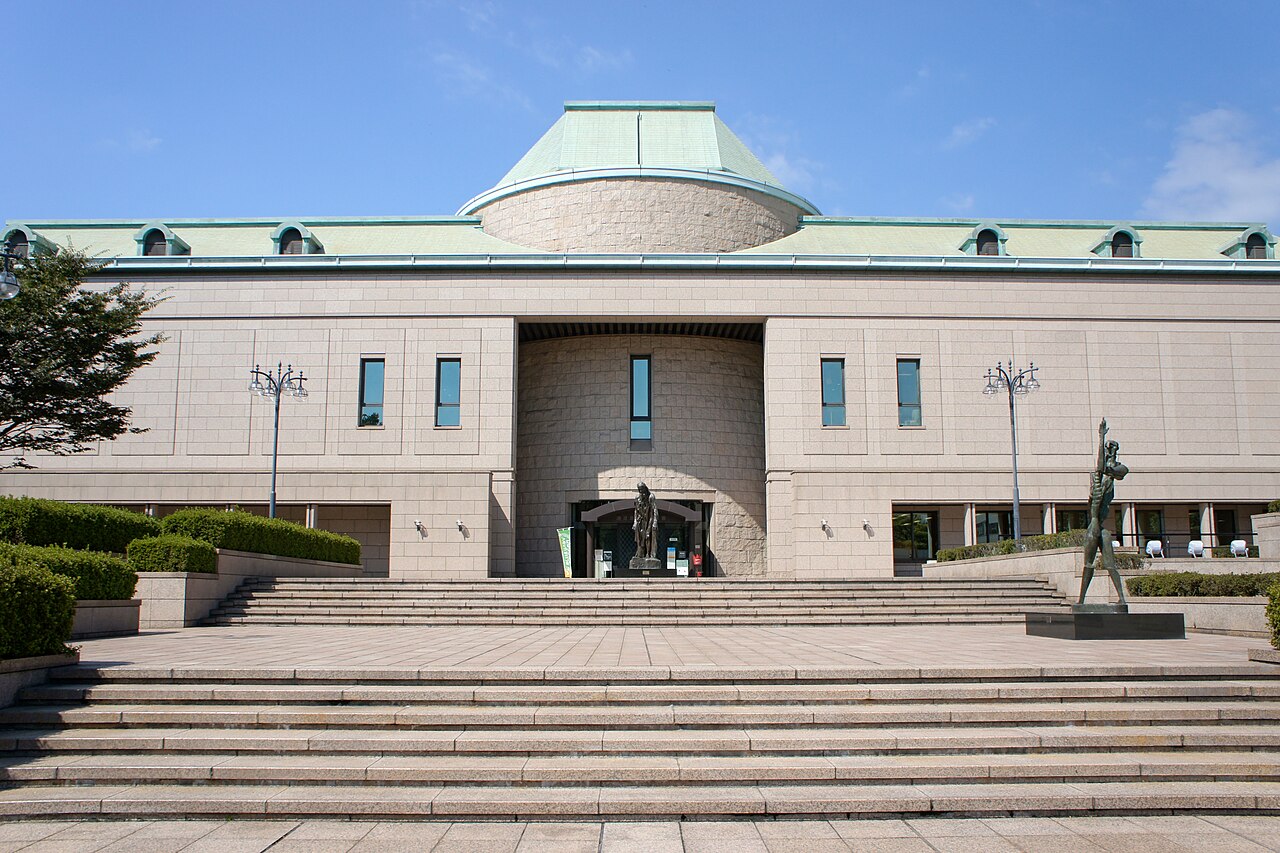
Kagoshima's civic art museum, strong on locally born masters and Western modern painting, near the old castle grounds.
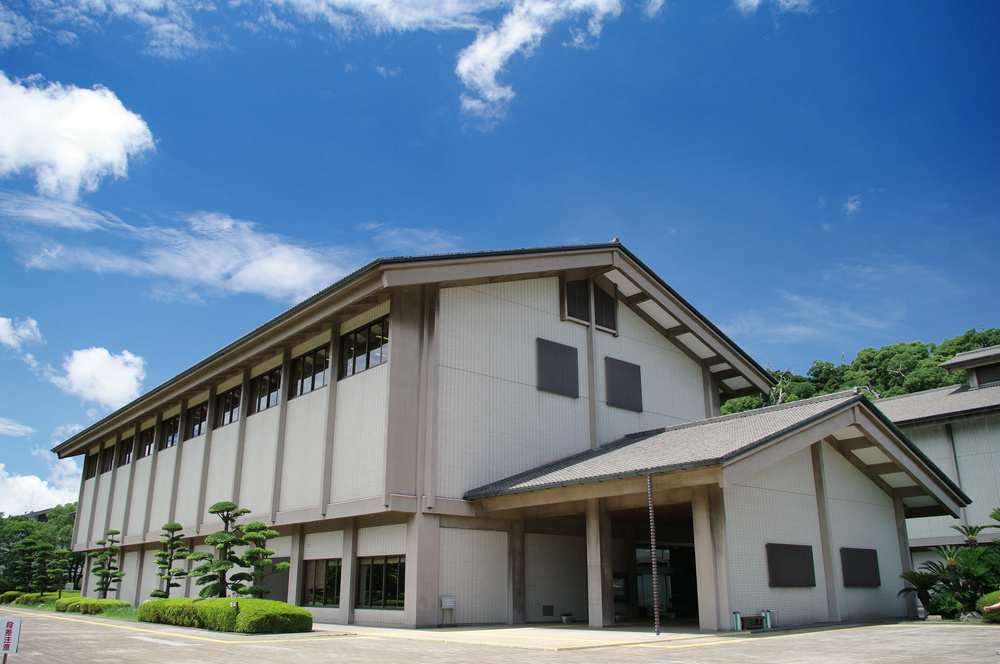
The Kagoshima City Museum of Art is the city's principal public art gallery, a compact and well-curated institution set in the cultural quarter at the foot of Shiroyama, close to the site of the former Tsurumaru Castle. It offers a satisfying introduction to both the art of Kagoshima's own celebrated painters and to wider currents of modern Japanese and Western art, making it a rewarding stop for anyone with an interest in painting during a visit to the city.
The museum's particular strength lies in its collection of works by artists born in Kagoshima Prefecture, a region that produced several major figures of modern Japanese painting. Foremost among them is Kuroda Seiki, often called the father of Western-style painting in Japan, whose luminous, French-influenced work helped transform Japanese art at the turn of the twentieth century. The collection also features Fujishima Takeji and other locally connected painters, and following their careers gives visitors a sense of how a southern city on the edge of Japan contributed disproportionately to the nation's artistic modernisation, much as it did to its political one.
Alongside these local masters, the museum holds a modest but genuine selection of Western art, including works by European Impressionist and modern painters such as Monet, Cezanne and Picasso, offering a taste of the movements that so influenced Japanese artists of the era. The permanent displays rotate portions of the collection, and the museum regularly hosts special temporary exhibitions, which range from major touring shows to focused thematic displays; these often carry a separate admission and are worth checking in advance, as they can be the highlight of a visit.
The building itself is calm and manageable in scale, the kind of museum that can be enjoyed thoroughly in an hour or so without fatigue. Its location is a further attraction: it sits within Kagoshima's concentrated cultural district, a short walk from the Reimeikan history museum, the prefectural museum and the historic castle grounds and Shiroyama slopes, so it slots easily into a half-day of sightseeing on foot.
Getting there is straightforward using Kagoshima's charming tram network, which is one of the easiest ways to move around the compact city centre. The Asahi-dori tram stop is only a few minutes' walk away, and the surrounding streets are pleasant and walkable. Admission to the permanent collection is inexpensive, with special exhibitions priced separately, and the museum is closed on Mondays as is common in Japan.
For visitors who want a break from Kagoshima's volcanoes and samurai history to appreciate its artistic heritage, the City Museum of Art is an excellent and unhurried choice. It illuminates the surprising role this southern city played in the story of modern Japanese painting, sets that story beside a glimpse of the European art that inspired it, and does so in a quiet, accessible setting right in the heart of the cultural district.
A local's tip
The permanent collection's strength is local Kagoshima-born artists like Kuroda Seiki and Fujishima Takeji, alongside a small but real cache of European Impressionists.
Best time to visit
Any time; check the special exhibition schedule
Getting there
Take the Kagoshima city tram to Asahi-dori, then walk about five minutes toward the Tsurumaru Castle area; the museum sits near the prefectural cultural district at the foot of Shiroyama.
Good to know
- Cafe
- Restrooms
- Museum shop
Plan the whole trip offline
Kagoshima City Museum of Art is one of many places in the Real Japan app — with turn-by-turn directions, nearby spots and full offline maps you can use with no signal.