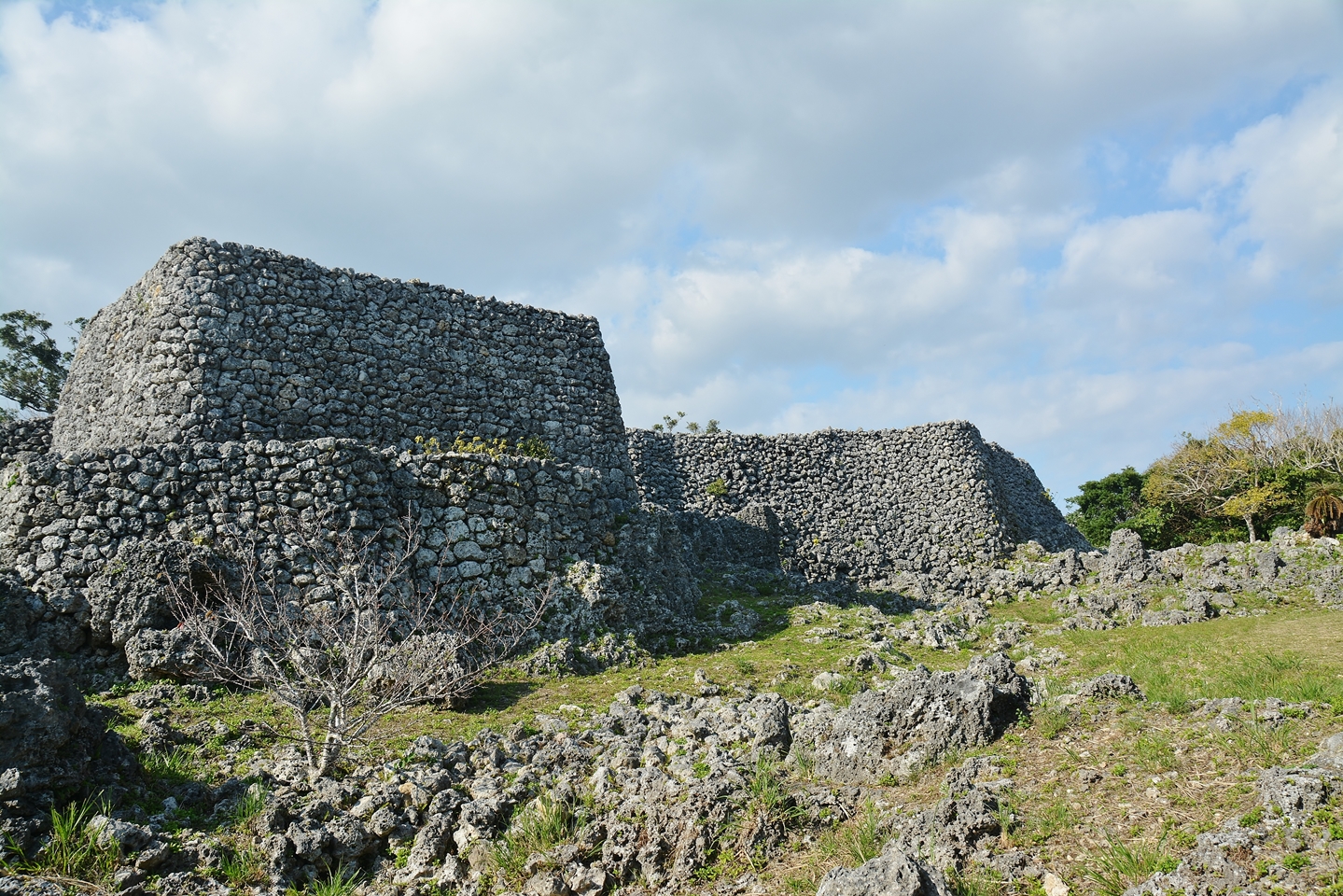
Well-preserved Ryukyuan castle ruins in southern Okinawa, prized for their elegant curved limestone walls.
The Itokazu Castle Ruins in southern Okinawa preserve some of the most graceful stonework of any gusuku on the island, a testament to the sophistication of Ryukyuan castle-building. Set on a hill in the rural landscape of Nanjo City, the site rewards visitors with elegant curving walls, a peaceful atmosphere and a layered history that reaches from the medieval period to the Second World War.
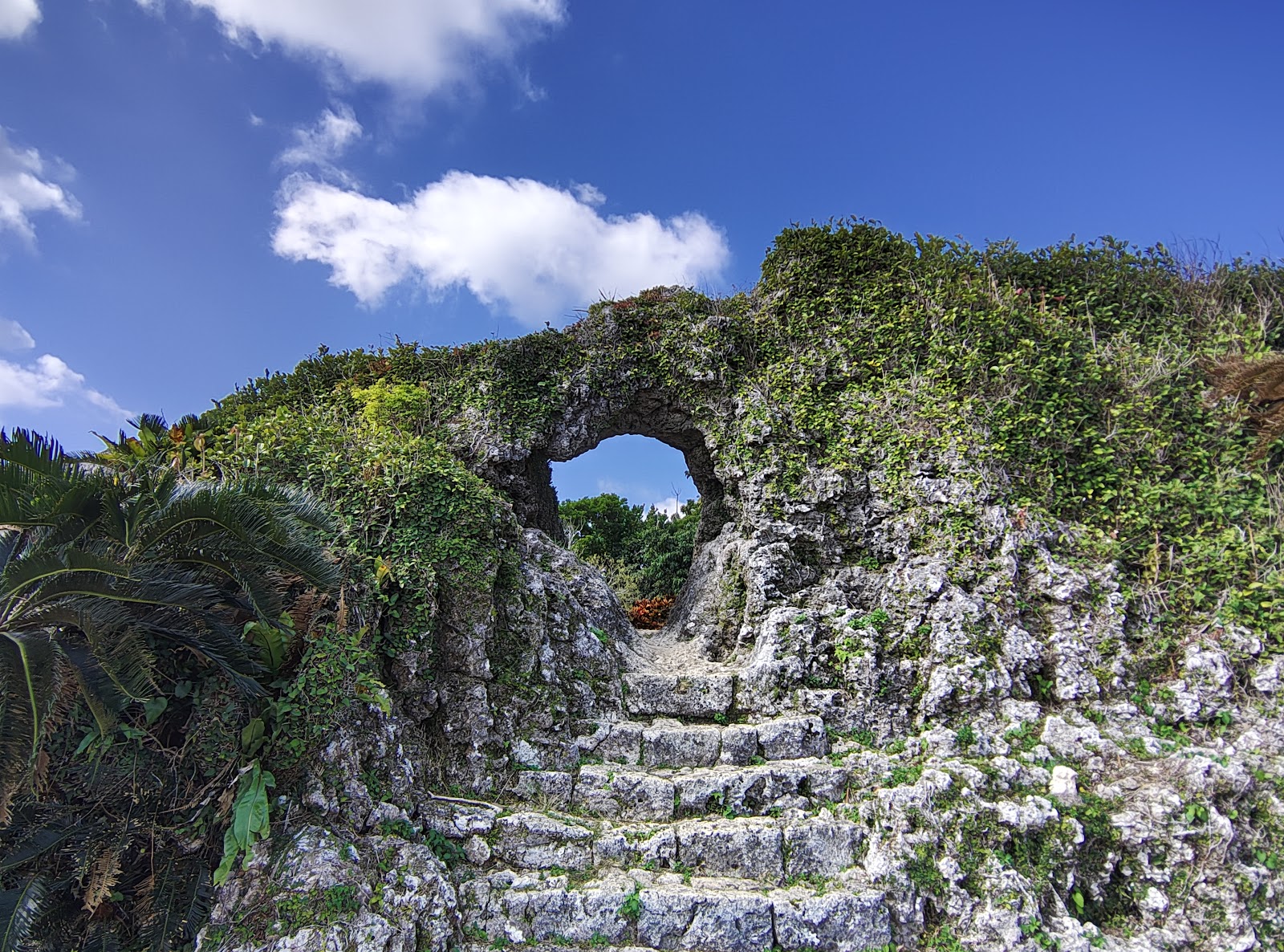
Itokazu Gusuku dates from the Gusuku period, the era of competing local lords that preceded the unification of the Ryukyu Kingdom. Like other castles of its kind it served a regional aji, or chieftain, as both fortress and administrative centre. What distinguishes Itokazu is the quality and preservation of its masonry. The main wall is built in the refined style of finely cut and fitted limestone blocks, sweeping in a graceful curve along the contour of the hill, and it is often praised as one of the finest examples of Ryukyuan stonework to survive. Walking along its base, visitors can appreciate the skill with which the coral-stone blocks were shaped and locked together without mortar.
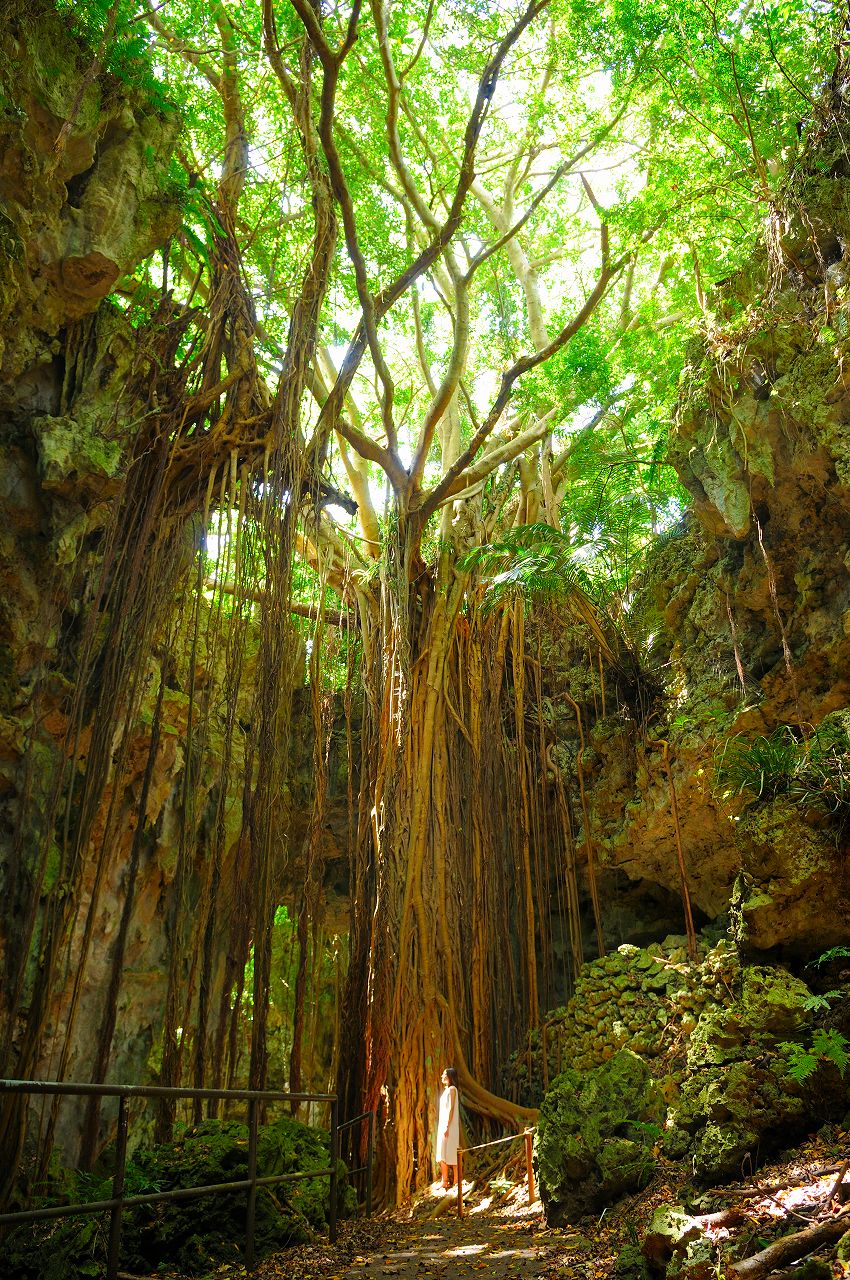
The castle enclosures, gateways and foundations remain legible among the subtropical growth, and interpretive signs help explain the layout and history of the site. Like most southern Okinawan gusuku, Itokazu also had a spiritual dimension, with sacred spots within the walls that were used for prayer, reflecting the way castles and religion were intertwined in Ryukyuan society.
A more sombre chapter is written into the ground beneath the castle. Southern Okinawa was the setting for the final, catastrophic stage of the Battle of Okinawa in 1945, and the natural caves and limestone terrain around Itokazu were used as shelters and defensive positions during the fighting. This proximity to the tragedy of the war gives the tranquil ruins an added poignancy, connecting the elegance of the medieval walls to the suffering of the 20th century in a single landscape.
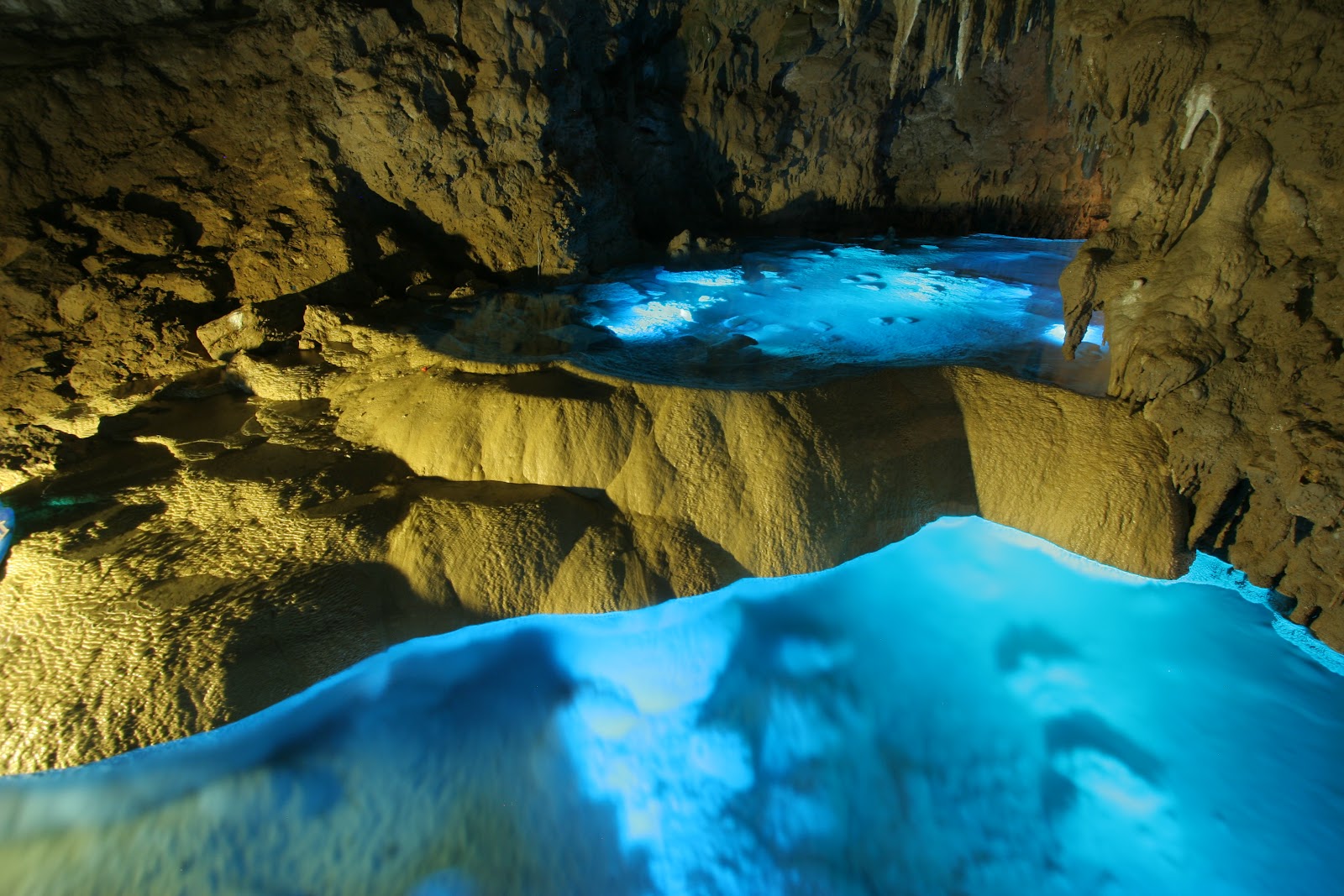
Because Itokazu sits in a quiet rural district away from the main tourist flow, it sees relatively few visitors, which only adds to its appeal for those who make the trip. It pairs naturally with other attractions of southern Okinawa, including the Gyokusendo limestone cave and the wider network of gusuku and sacred sites, allowing travellers to build a full day around the history and natural beauty of the island's south.
Entry is free, and the site can be explored in around 40 minutes. A car or taxi is the most practical way to reach it, and comfortable shoes are advisable for the short climb and uneven ground, with sun protection sensible in the exposed, bright conditions. For anyone with an eye for craftsmanship and a taste for uncrowded, evocative ruins, Itokazu offers a quietly beautiful encounter with the artistry of the Ryukyu stonemasons and the long, layered history of southern Okinawa.
A local's tip
Admire the beautifully preserved curved masonry of the main wall, considered some of the finest surviving Ryukyuan stonework, and note the wartime cave shelters below that link the site to the Battle of Okinawa.
Best time to visit
Daytime; the pale limestone walls glow in bright sun
Getting there
Itokazu lies in Nanjo City in southern Okinawa, most conveniently reached by car in about 35 minutes from Naha. Public transport is sparse, so a rental car or taxi is recommended. It combines well with Gyokusendo Cave and the other southern historic sites.
Good to know
- Parking
- Restrooms
Plan the whole trip offline
Itokazu Castle Ruins is one of many places in the Real Japan app — with turn-by-turn directions, nearby spots and full offline maps you can use with no signal.