A famous local eatery serving hoto, Yamanashi's hearty pumpkin-and-flat-noodle miso hotpot.
Hoto Fudo is one of the best-known places to try hoto, the signature comfort dish of Yamanashi Prefecture, in the Kawaguchiko area at the foot of Mt. Fuji. Hoto is a rustic hotpot of thick, flat wheat noodles simmered with pumpkin and seasonal vegetables in a rich miso broth, served bubbling in a heavy iron pot. Hearty, warming and inexpensive, it is exactly the kind of meal travellers crave after a cold morning by the lakes or a day exploring the mountain, and Hoto Fudo has become a regional institution with several branches around Kawaguchiko.
The dish itself has deep roots. Local tradition holds that hoto was eaten by samurai armies as a filling, easily prepared field meal, and it evolved into a staple home dish of the mountainous, rice-poor Yamanashi region, where wheat noodles and hardy vegetables like pumpkin, taro and mushrooms were more practical than rice. The noodles are wider and flatter than udon and are cooked directly in the miso soup rather than boiled separately, so the broth thickens naturally with their starch and the sweetness of the pumpkin, producing a stew-like richness. At Hoto Fudo the pot arrives at the table still simmering, and part of the pleasure is watching it settle and thicken as you eat, starting with the vegetables and finishing with the softened noodles.
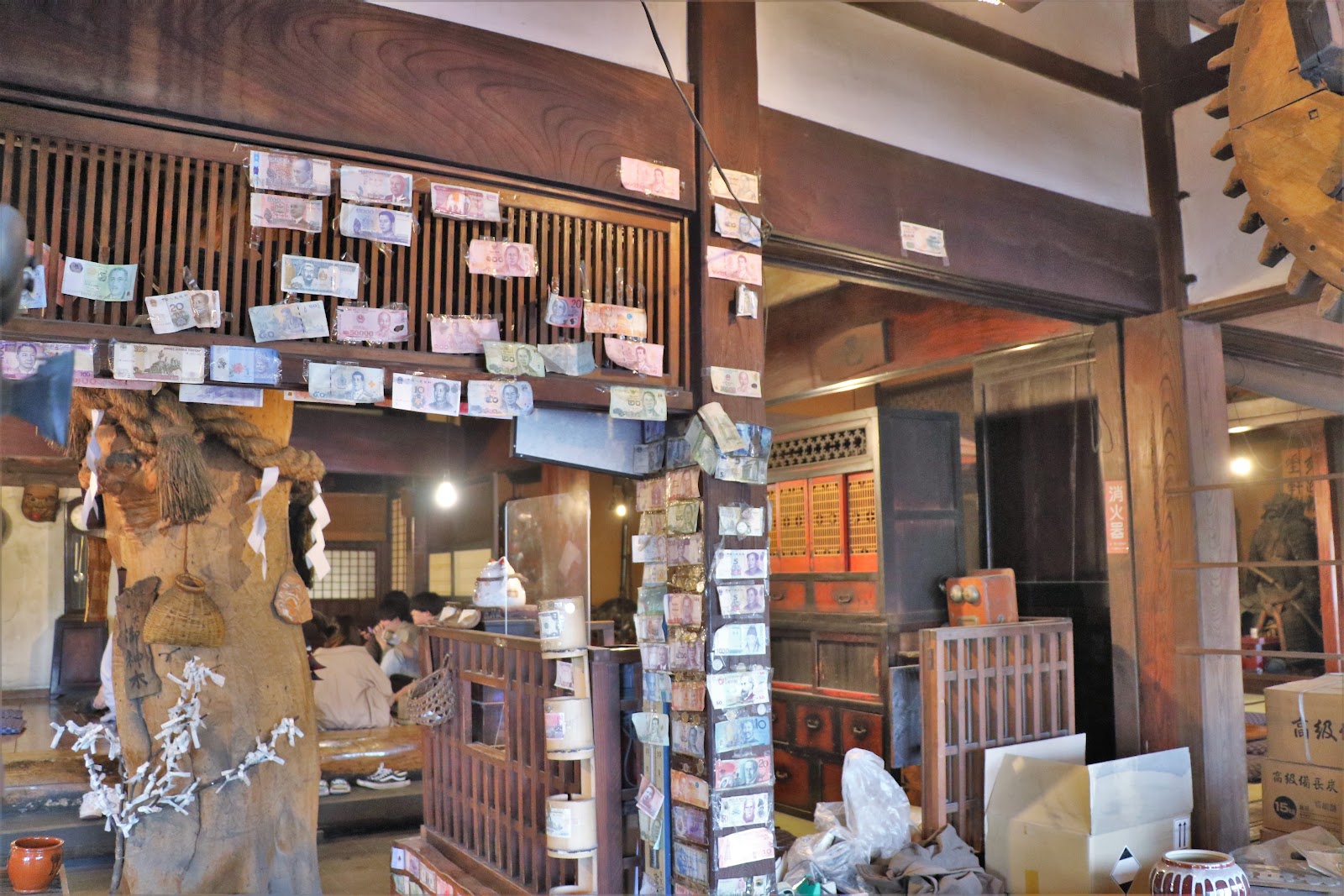
Hoto Fudo is also notable for its architecture. Its most famous branch, near the lake, is housed in a startling modern building with a smooth, white, cloud-like or cocoon-shaped roof designed by a celebrated Japanese architect, standing in vivid contrast to the traditional food served inside. The airy, cavernous interior has become a photo attraction in its own right, and travellers often seek out this particular branch as much for the building as for the meal. Other branches are more conventional but serve the same reliable food.
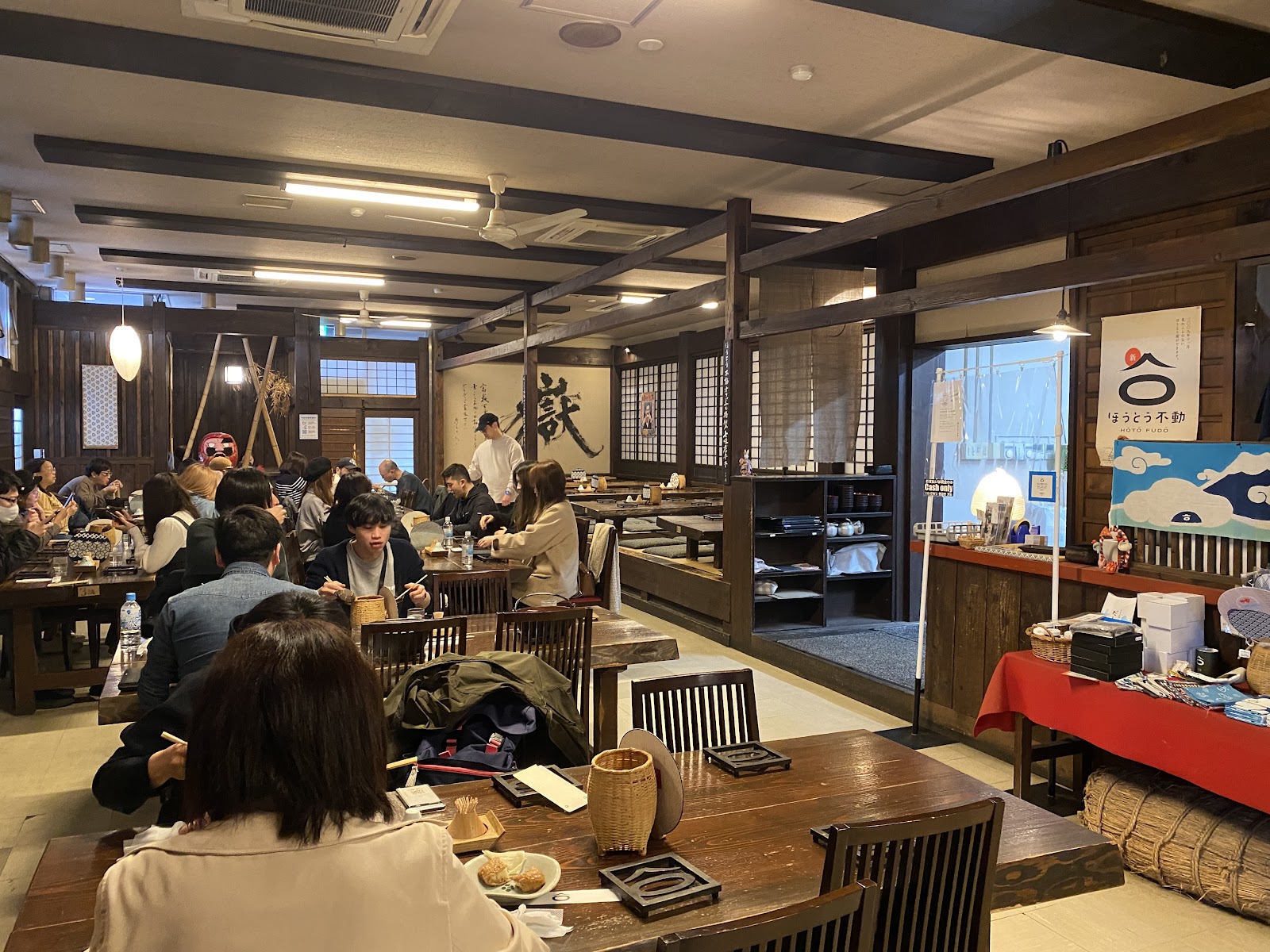
The menu is refreshingly simple, centred on the classic pumpkin hoto with variations that may include mushroom or other seasonal ingredients, along with a few side dishes such as horse-meat sashimi, another Yamanashi speciality, for the adventurous. Portions are generous and prices modest, typically around a thousand yen for a filling pot, and English menus are usually available given the area's popularity with international visitors. Seating is casual and turnover is fairly quick, so even at busy lunchtimes the wait is rarely long.
Because hoto is at its most satisfying in cool weather, the dish is especially appreciated in autumn and winter, when the Fuji region turns cold, though it is served year-round. The restaurant's location near Kawaguchiko Station and the lake makes it easy to fit into a day of sightseeing, whether before or after visiting the northern-shore museums or the lakeside viewpoints.
For travellers wanting to taste an authentic regional specialty rather than generic tourist fare, Hoto Fudo offers a genuine, affordable and warming introduction to Yamanashi's food culture, served in surroundings that range from the strikingly modern to the comfortably traditional.
A local's tip
Order the classic pumpkin hoto and let it bubble in the iron pot; the broth thickens as you eat, so start with the vegetables and finish with the noodles.
Best time to visit
Lunchtime; especially welcome on a cold or rainy day
Getting there
The most photographed branch, with its striking white cloud-like roof, is a short walk or bus ride from Kawaguchiko Station near the lake. Several branches operate around the town.
Good to know
- Seating
- Restrooms
- English menu
Plan the whole trip offline
Hoto Fudo Kawaguchiko is one of many places in the Real Japan app — with turn-by-turn directions, nearby spots and full offline maps you can use with no signal.