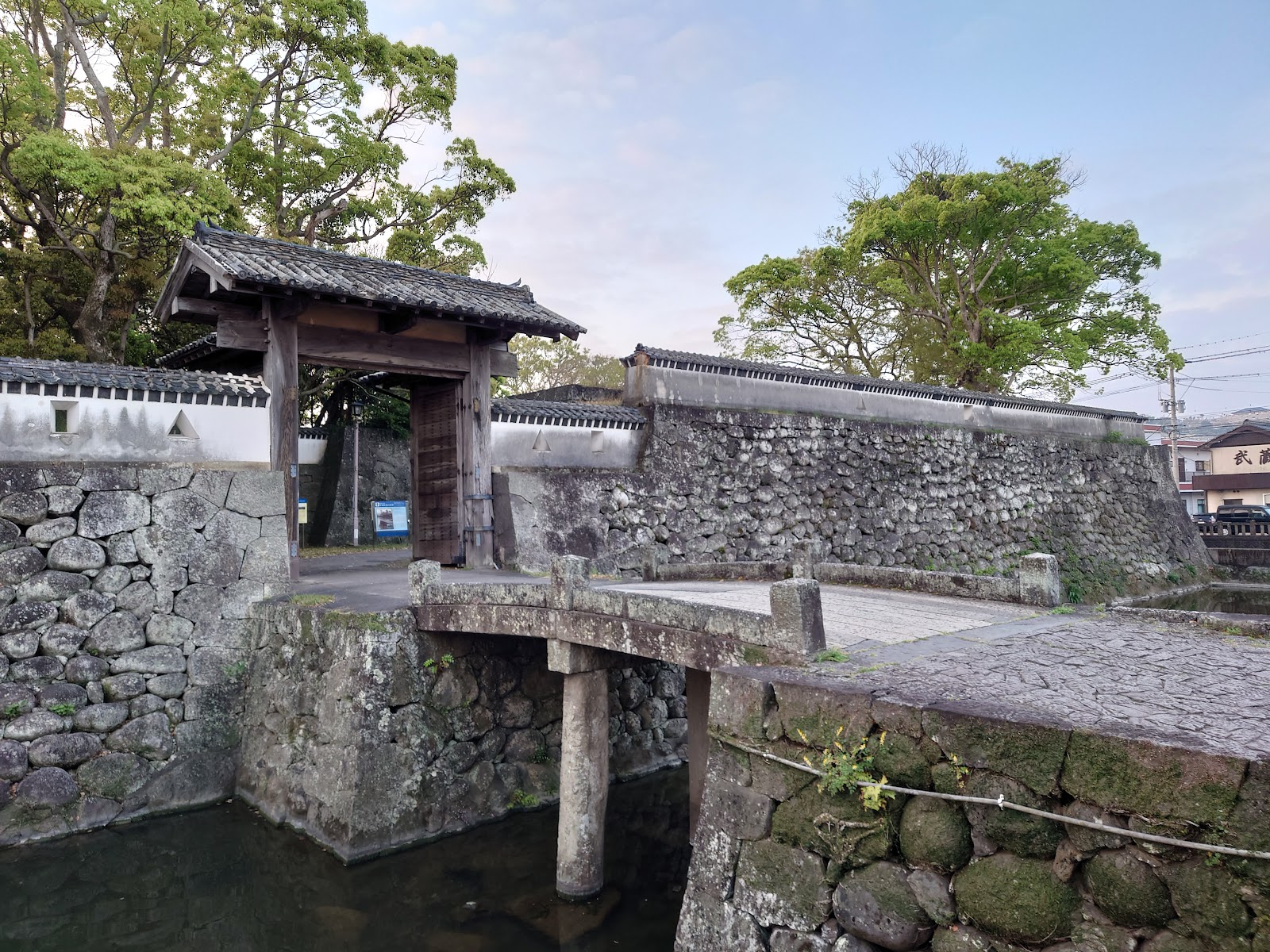
One of Japan's last castles ever built, guarding the Goto Islands with sea-fed moats and a serene samurai garden.
Fukue Castle, also known as Ishida Castle, stands in the town of Fukue on the Goto Islands, a remote archipelago off the west coast of the Nagasaki mainland. It holds a distinctive place in Japanese history as one of the very last castles ever constructed in the country, completed in 1863 in the final years of the samurai era, on the eve of the Meiji Restoration that would sweep the feudal order away. Built to defend this strategically important island group and guard against foreign vessels appearing off Japan's western shores, it is unusual among Japanese castles for having been designed with the sea itself as part of its defences.
The castle's most remarkable feature was its seaside setting, with moats fed directly by the ocean, making it one of a small number of Japanese sea castles. Although the main keep was never fully realised and the fortress had a short active life before the abolition of the feudal system, substantial stone walls, gates, and moats survive, and the grounds today host schools and public facilities alongside the historical remains. For visitors, the appeal lies in the castle's rarity, its dramatic maritime concept, and its role as a symbol of the Goto Islands' identity.
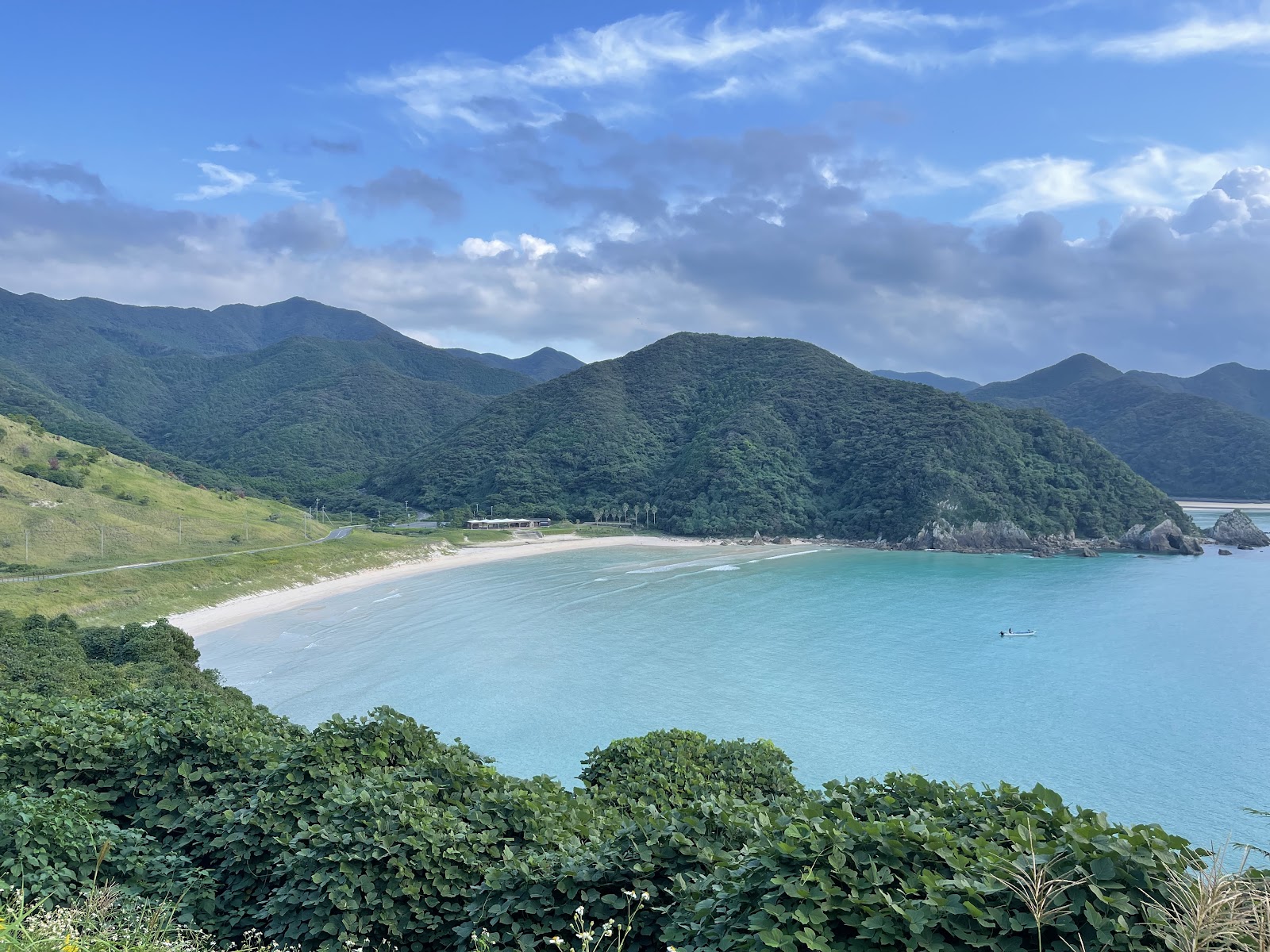
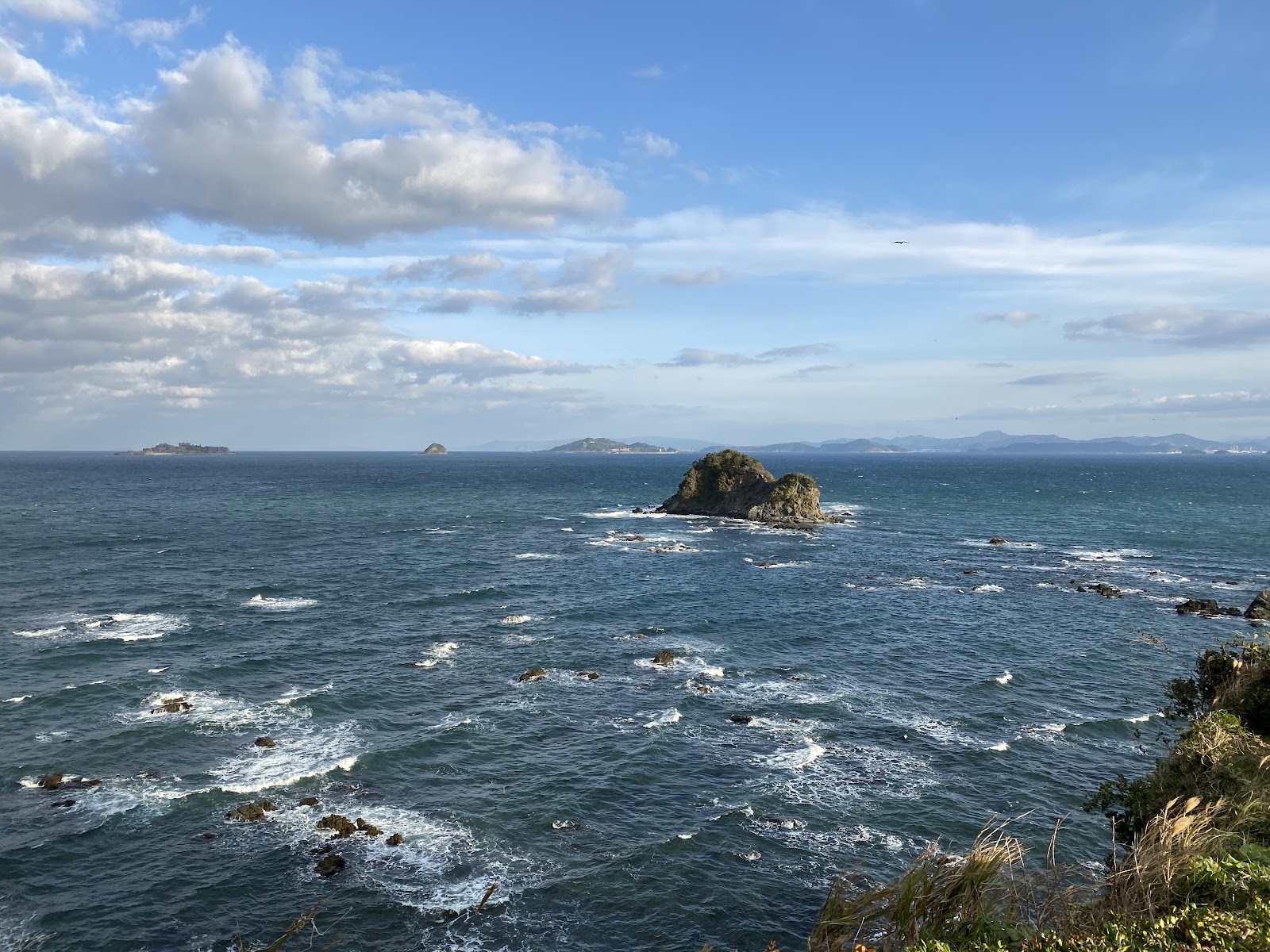
What to see includes the surviving stone ramparts and gates, the sea-fed moats that made the castle unusual, and above all the exquisite Kokh Enkei-tei garden preserved within the grounds, a tranquil traditional landscape garden that survives from the samurai period and rewards a quiet, unhurried visit. The castle also anchors a wider exploration of the Goto Islands, which are renowned for their beautiful coastline, hidden beaches, and the many churches built by the region's hidden Christian communities, several of which form part of the area's celebrated heritage.
The visiting experience is peaceful and off the beaten path, matching the remote, unhurried character of the islands themselves. The grounds and garden are mostly easy to explore on foot, with restrooms and parking available, and the compact scale means a visit fits comfortably into a day of island sightseeing. The sense of standing at one of the last castles Japan ever built, on a far-flung island frontier, lends the site a quiet historical resonance.
The best time to visit is spring or autumn for mild weather, ideally as part of a longer trip exploring the Goto Islands' churches and coastline. Getting there requires a sea or air journey: take a ferry from Nagasaki or Sasebo to Fukue Port, or fly to Fukue Airport, then walk about twelve minutes from the port to the castle. For travellers venturing to the Goto Islands, Fukue Castle is a historically singular and atmospheric highlight.
A local's tip
Visit the beautiful Kok Enkei-tei garden within the grounds, a rare survivor from the samurai era.
Best time to visit
Combine with exploring the Goto Islands' churches and coast
Getting there
Reach Fukue on the Goto Islands by ferry from Nagasaki or Sasebo, or by air to Fukue Airport, then walk about 12 minutes from Fukue Port.
Good to know
- Parking
- Restrooms
Plan the whole trip offline
Fukue Castle (Ishida Castle) is one of many places in the Real Japan app — with turn-by-turn directions, nearby spots and full offline maps you can use with no signal.