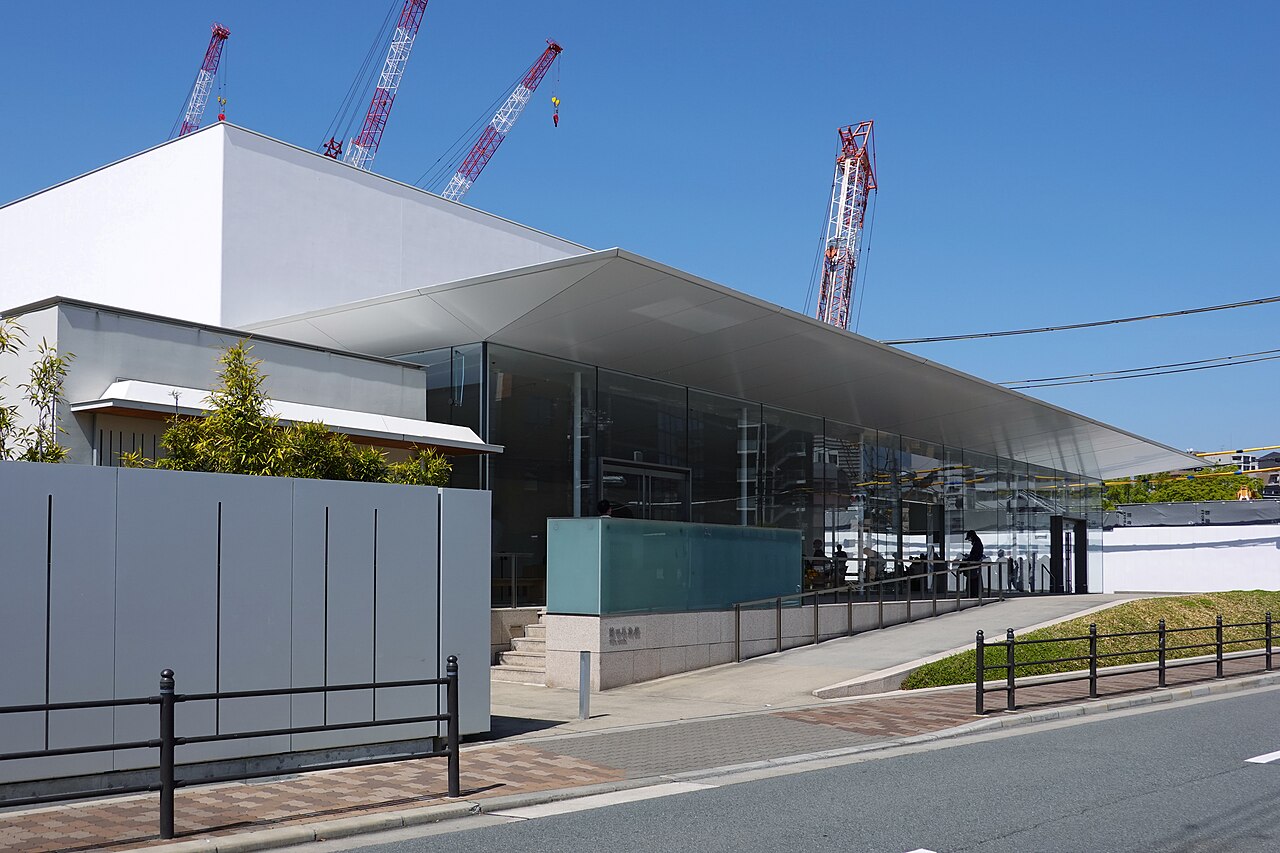
A jewel-box museum of classical East Asian art built from the Fujita family's collection, holding National Treasures of Buddhist painting and tea ceramics.
The Fujita Museum is a small but exceptional museum of classical Japanese and East Asian art, built on the private collection of the Fujita family — one of Osaka's great industrialist dynasties of the Meiji era. Baron Fujita Denzaburo and his sons amassed, from the late 19th century, an extraordinary trove of Buddhist sculpture and painting, tea-ceremony utensils, calligraphy, lacquer and Chinese art, much of it acquired as temple treasures came onto the market during Japan's turbulent modernisation. The museum opened in 1954 in a corner of the family's estate just north of Osaka Castle, and reopened in April 2022 after a complete rebuild into a sleek modern gallery.
The collection punches far above the museum's modest size. It includes several designated National Treasures and a large number of Important Cultural Properties — among them revered Buddhist paintings, illustrated handscrolls, ancient sutras, and celebrated tea-ceremony wares. Because the holdings are so rich and space is intimate, the museum shows its treasures in rotating, seasonally themed exhibitions rather than a fixed display, so each visit reveals a different, carefully curated selection. This makes checking the current exhibition worthwhile before you go, and gives repeat visitors a reason to return.
The rebuilt gallery is understated and elegant, designed to let the objects breathe: dim, focused lighting, generous space around each piece, and clear English labelling that helps international visitors appreciate works that reward slow, close looking. The scale is human — this is a place to spend an unhurried hour with a handful of masterpieces rather than march through endless halls.
A notable and poignant part of the story survives outside the galleries. The original Fujita mansion was destroyed in the air raids of 1945, but the estate's traditional garden endured, with its stone lanterns, pond and a historic teahouse relocated here. That garden, preserved beside the modern museum, is a quiet link to the family and the age of connoisseurship that created the collection, and it is lovely in cherry-blossom spring and again in autumn colour.
The visiting experience is refined and calm, well suited to those with an interest in Buddhist art, the tea ceremony, or classical painting. The building is accessible, there is a café, and photography rules depend on the exhibition. Allow about an hour, plus time to enjoy the garden.
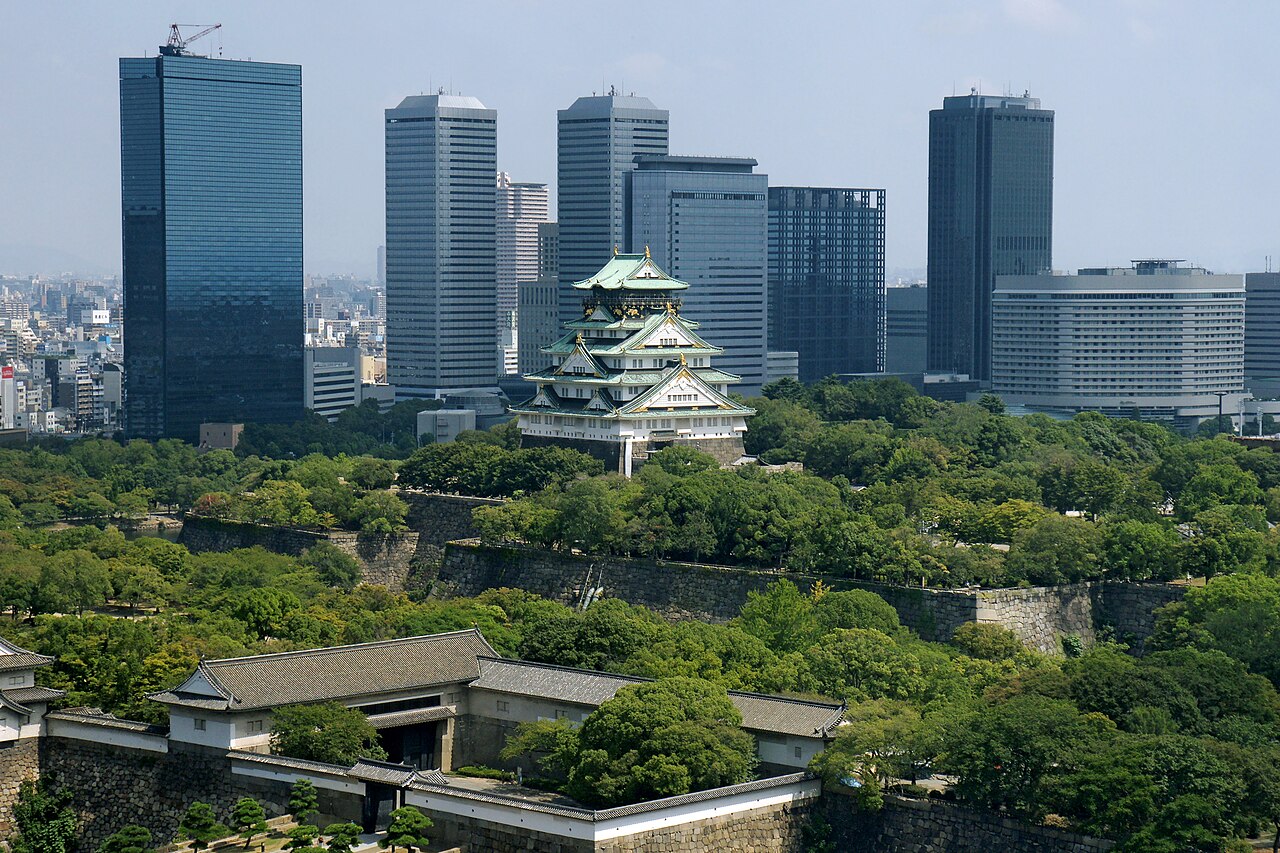
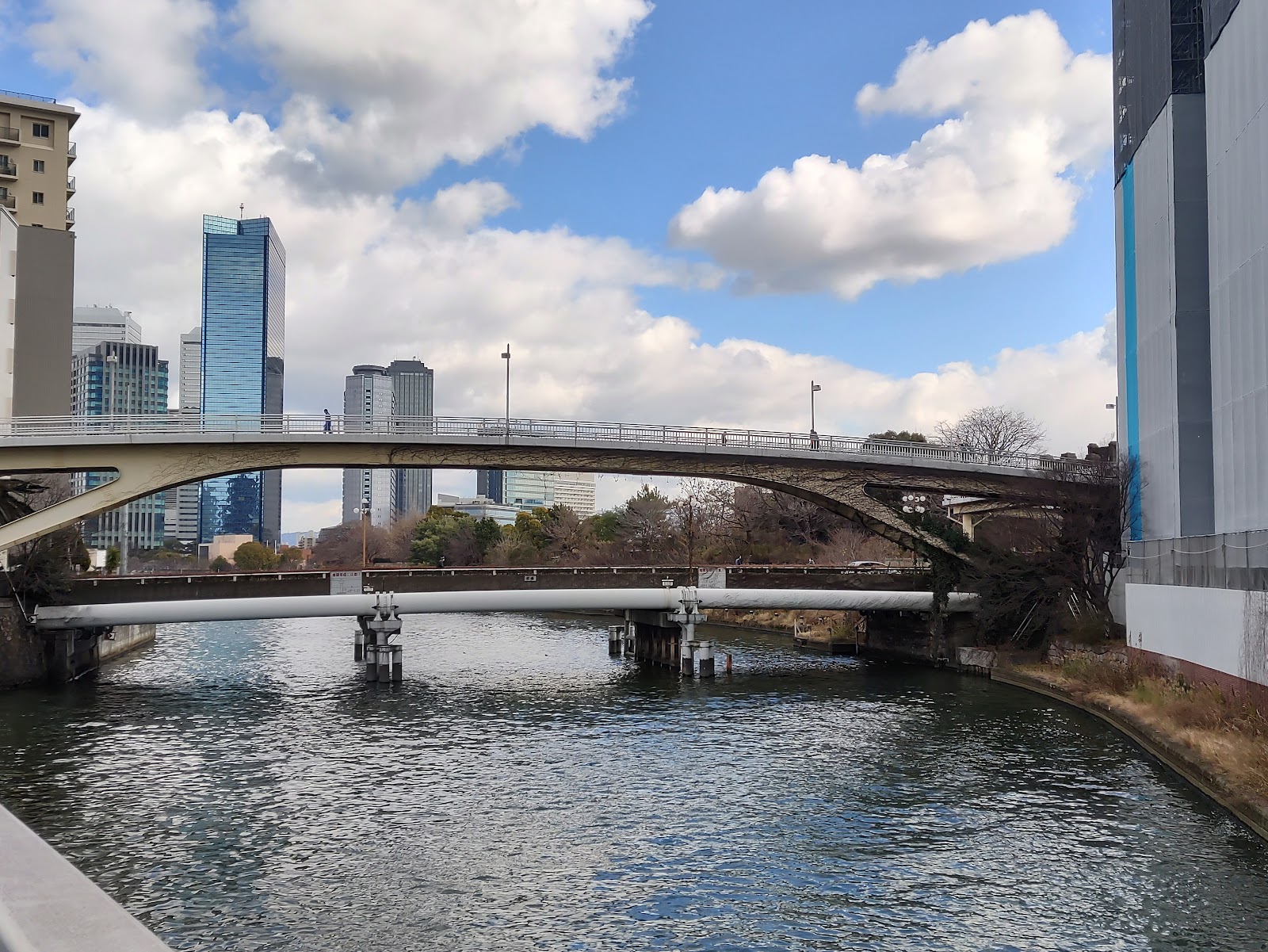
Getting there is remarkably convenient: the museum is a two-minute walk from Osakajokitazume Station on the JR Tozai Line — covered by the Japan Rail Pass — and about twelve minutes from Kyobashi, just across the Okawa River from the northern side of Osaka Castle Park. That location makes it an easy and rewarding cultural pairing with a walk around the castle, offering a concentrated dose of Japan's finest classical art in one of the city's most historic districts.
A local's tip
The museum's garden preserves original stone lanterns and a teahouse from the Fujita family estate — arrive a little early to walk the grounds, which survived the wartime bombing that destroyed the mansion.
Best time to visit
Check the exhibition schedule — the collection is shown in rotating seasonal displays
Getting there
Two minutes on foot from Osakajokitazume Station on the JR Tozai Line, or about a 12-minute walk from Kyobashi Station, just north of Osaka Castle Park across the Okawa River.
Good to know
- Cafe
- Wi-Fi
- Garden
- English
- Restrooms
Plan the whole trip offline
Fujita Museum is one of many places in the Real Japan app — with turn-by-turn directions, nearby spots and full offline maps you can use with no signal.