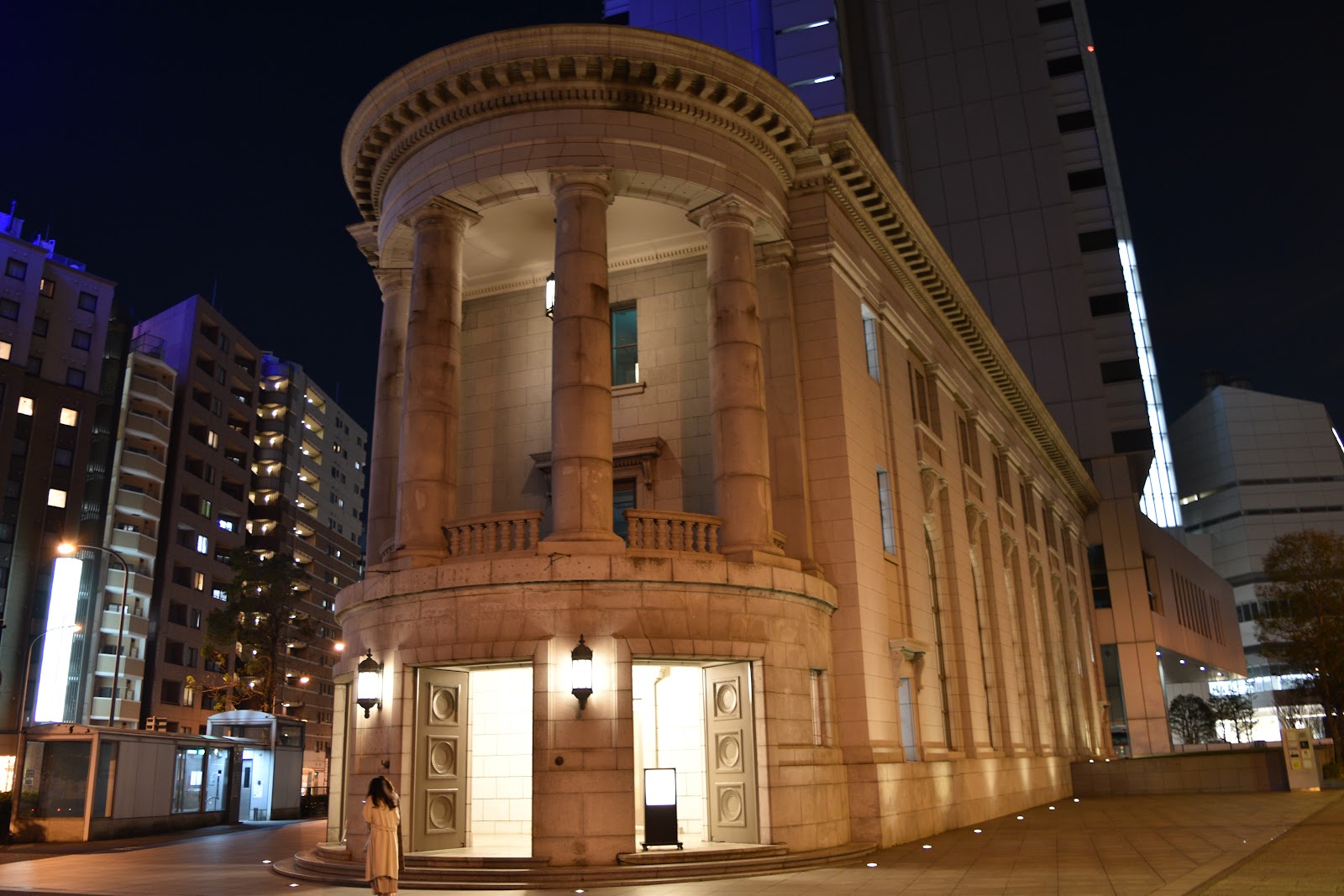
Yokohama's genteel gas-lamp avenue, the cradle of Japan's Western modernization, lined with brick banks, cafes and 'first in Japan' monuments.
Bashamichi — literally 'Carriage Road' — is one of the most historically charged streets in Japan, a broad, willow-and-ginkgo-lined avenue that runs from the Kannai district down toward the harbour. Its name comes from the horse-drawn carriages of foreign merchants that once clattered along it after Yokohama's port opened to international trade in 1859. Almost overnight this stretch became the conduit through which Western modernity flowed into a country that had been closed for two centuries, and the street still wears that history openly.
Walking Bashamichi today is a lesson in Japanese 'firsts.' It was here that the country saw its first gas street lamps, its first ice cream, its first daily newspaper, its first photography studio and its first street trees — each commemorated by a small bronze plaque or monument set into the pavement. Reproduction gas lamps, faithfully modelled on the Meiji-era originals, line both sides of the road and are lit each evening, casting a warm, nostalgic glow that has made the street a favourite for couples and photographers.
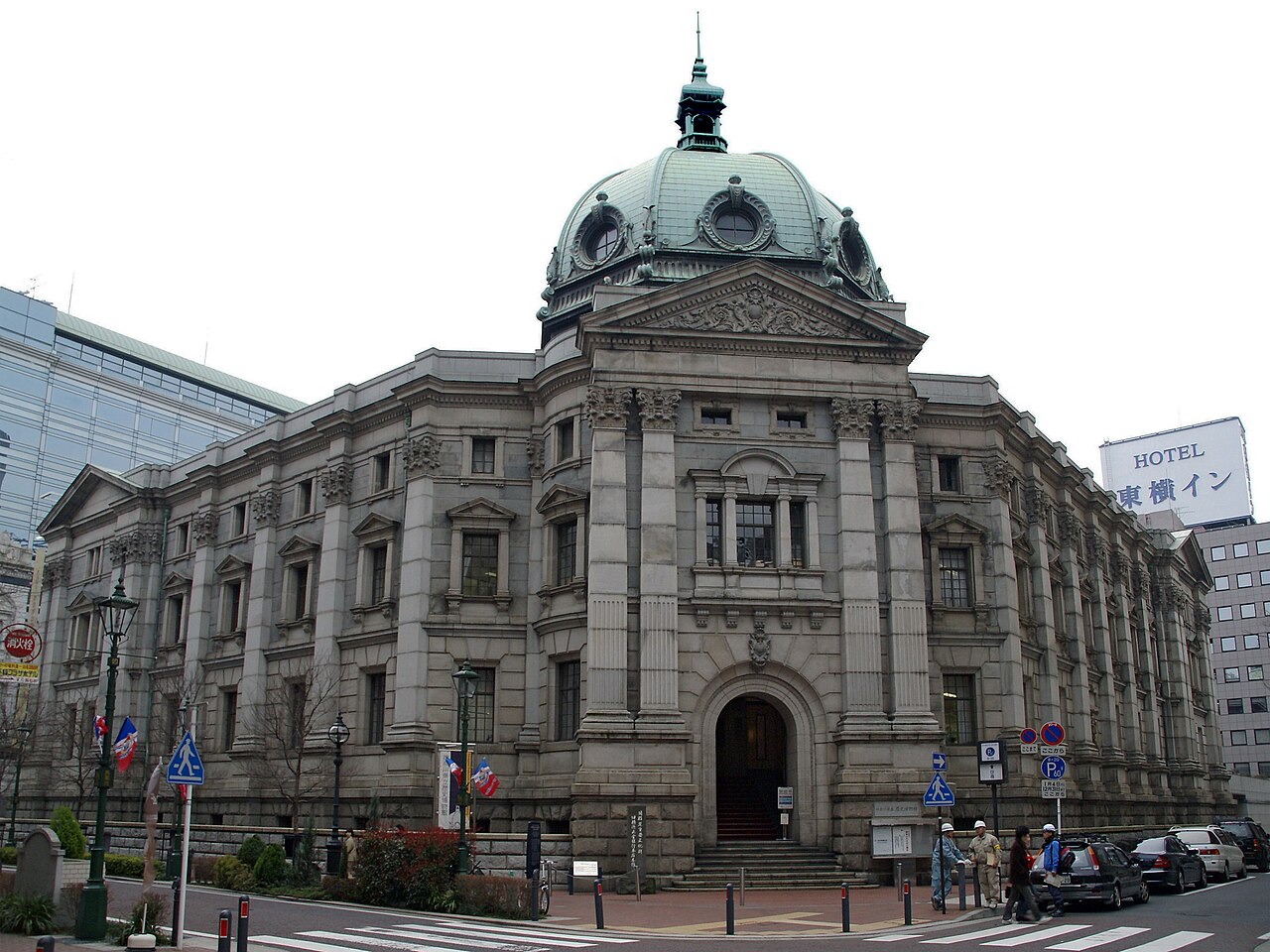
Architecturally, Bashamichi is a showcase of late-nineteenth and early-twentieth-century Western design. The imposing former Yokohama Specie Bank, now the Kanagawa Prefectural Museum of Cultural History, anchors the northern end with its neo-baroque dome and heavy stone columns. Nearby stand handsome brick and stone facades that survived war and earthquake, many now housing banks, boutiques, patisseries and long-established Western confectioners. The overall effect is more European boulevard than typical Japanese shopping street — deliberately so, as the city has carefully preserved the district's retro character.
The street is also a living commercial artery rather than a museum piece. Old-guard shops such as the Western sweets maker and stationery houses sit beside contemporary cafes, galleries and design stores. Long-established confectioners still sell the Western-style cakes and biscuits that Yokohama helped introduce to Japan, and it is a rewarding place to pause for coffee or a slice of history-flavoured cake. It is an easy, atmospheric stroll of only a few hundred metres, connecting the government and business core of Kannai with the waterfront attractions of Minato Mirai, the Red Brick Warehouse and Osanbashi Pier, which makes it a natural spine for a walking day in central Yokohama.
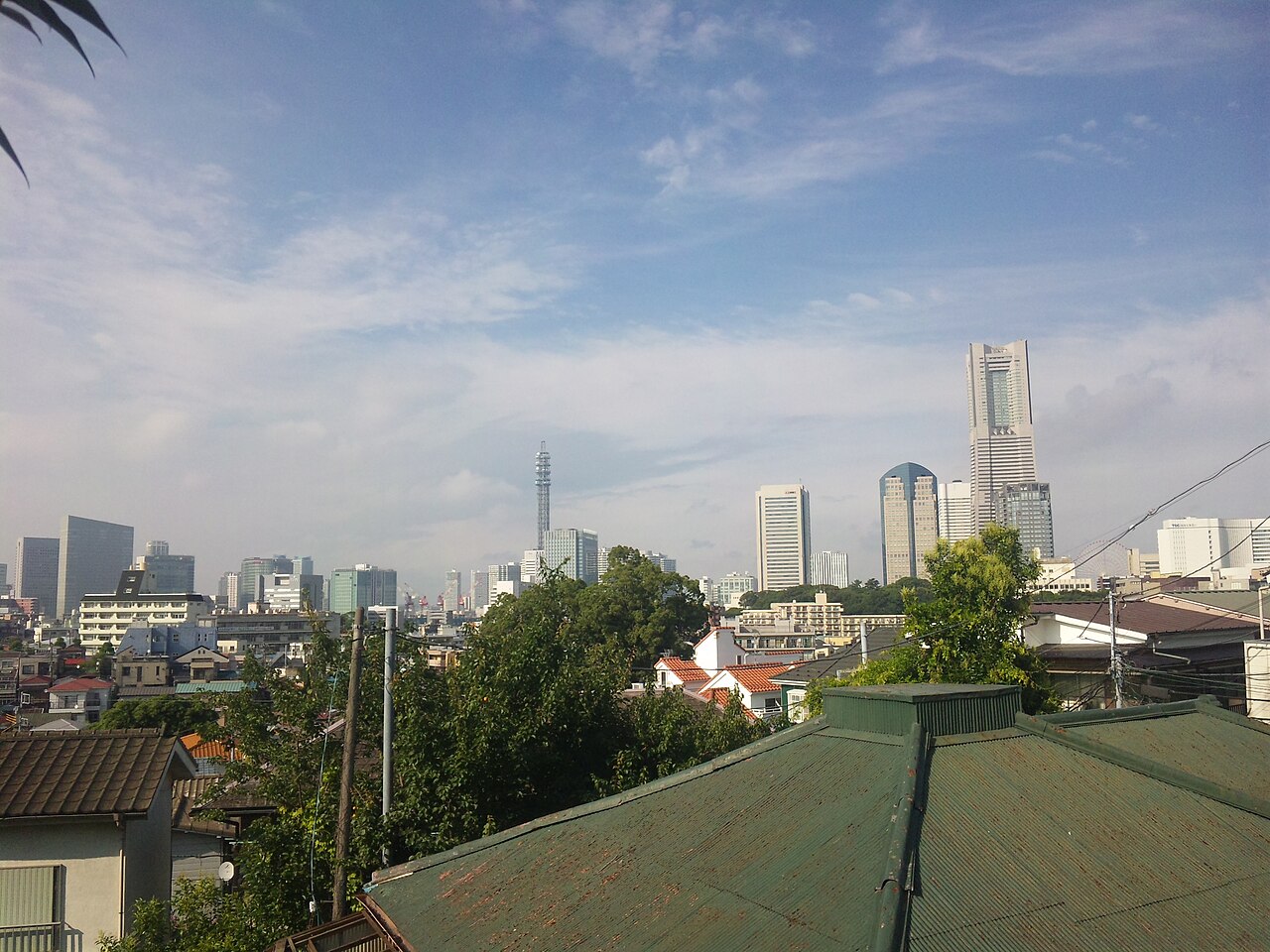
That central position is one of Bashamichi's practical strengths. Because it links the inland civic district to the harbour, the street works beautifully as the opening act of a longer waterfront walk, easing you from the historic core toward the modern skyline, museums and piers of the bay.
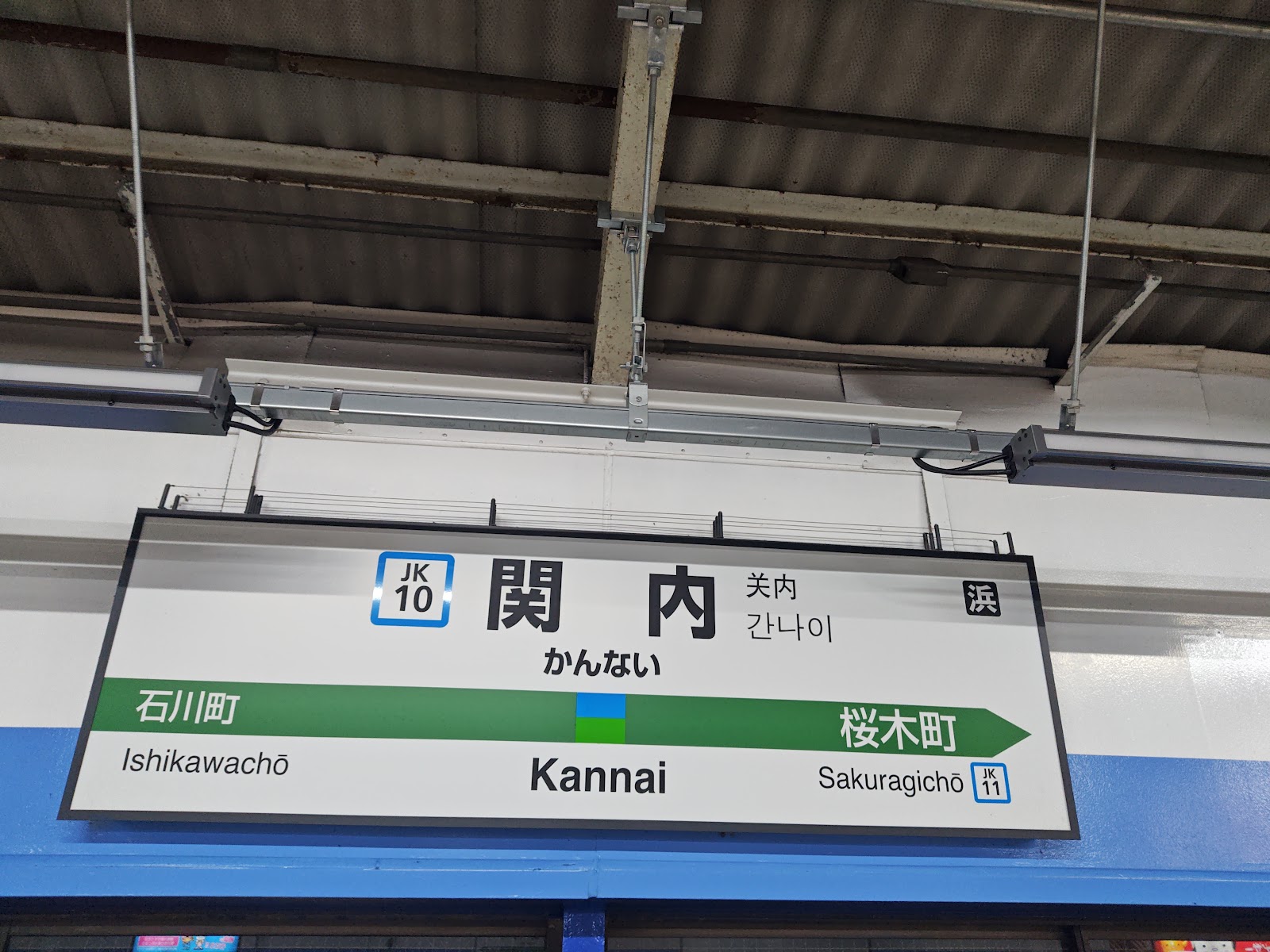
The best time to visit is the golden hour and the early evening, when the gas lamps flicker on and the brick buildings take on a soft amber tone. Autumn adds gold from the ginkgo trees, while December brings understated illuminations. Access could not be simpler: Bashamichi Station on the Minatomirai Line opens directly onto the avenue, and Kannai Station on the JR Negishi Line is a short walk south. Flat, wide and fully paved, the street is comfortable for wheelchairs, strollers and slow wanders alike, and benches let you pause to take in a scene that helped shape modern Japan.
A local's tip
Look down as much as up: the street is lined with reproduction gas lamps and plaques marking Japan's 'firsts' — the first ice cream, the first daily newspaper, the first street trees — all pioneered here.
Best time to visit
Late afternoon into the gas-lamp-lit evening
Getting there
Take the Minatomirai Line to Bashamichi Station; the street rises directly from Exit 5. From Kannai Station (JR Negishi Line) it is a five-minute walk north.
Good to know
- Cafes
- Wi-Fi
- Restrooms
Plan the whole trip offline
Bashamichi is one of many places in the Real Japan app — with turn-by-turn directions, nearby spots and full offline maps you can use with no signal.