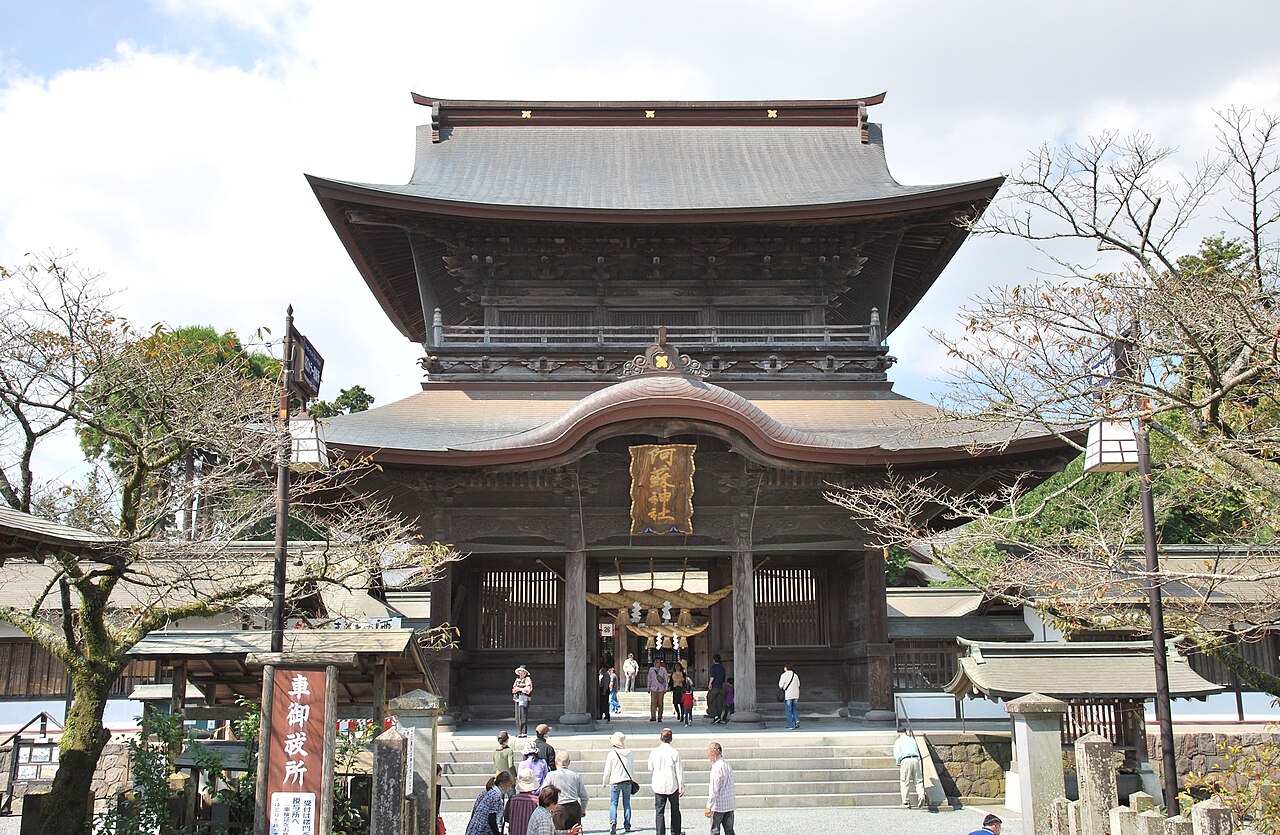
One of Japan's oldest shrines, guardian of the Aso volcano, with a magnificent gate rebuilt after the 2016 earthquake.
Aso Shrine is one of the oldest and most venerable shrines in Japan, set in the town of Aso within the vast volcanic caldera, and it holds deep significance as the spiritual guardian of the mountain and the fertile land around it. Tradition traces its origins back more than two thousand years, and it has long served as the head shrine of a network of Aso shrines across the region. It enshrines a group of deities associated with the legendary figure Takeiwatatsu-no-mikoto, said to be a grandson of the first emperor and credited in myth with taming the caldera and opening the land to agriculture, and the shrine remains closely tied to prayers for good harvests and protection from the volcano's power.
The shrine is architecturally distinctive, notably for its grand two-storey romon gate, ranked among the finest shrine gates in the country, and for a layout in which the worship halls face one another across the precinct in an unusual arrangement. In April 2016, however, the powerful Kumamoto earthquakes struck the shrine hard, collapsing the great romon gate and the haiden worship hall and causing severe damage. The images of the fallen gate became one of the enduring symbols of the disaster in the Aso region. In the years since, a painstaking reconstruction has restored these landmark structures, and the rebuilt romon gate once again rises proudly over the precinct, so a visit today is also a chance to witness the region's recovery and the care taken to preserve its heritage.
Beyond the shrine buildings, one of the pleasures of a visit is the approach street that leads toward it, a charming old thoroughfare of traditional shops, cafes and sake sellers. A special feature of this street is its 'mizukake' or water-drawing spots, small fountains of pure Aso spring water flowing freely along the road, where visitors can drink and shopkeepers keep produce cool, a delightful reflection of the abundant groundwater that defines the region. Sampling local sweets and spring water as you stroll to the shrine is very much part of the experience.
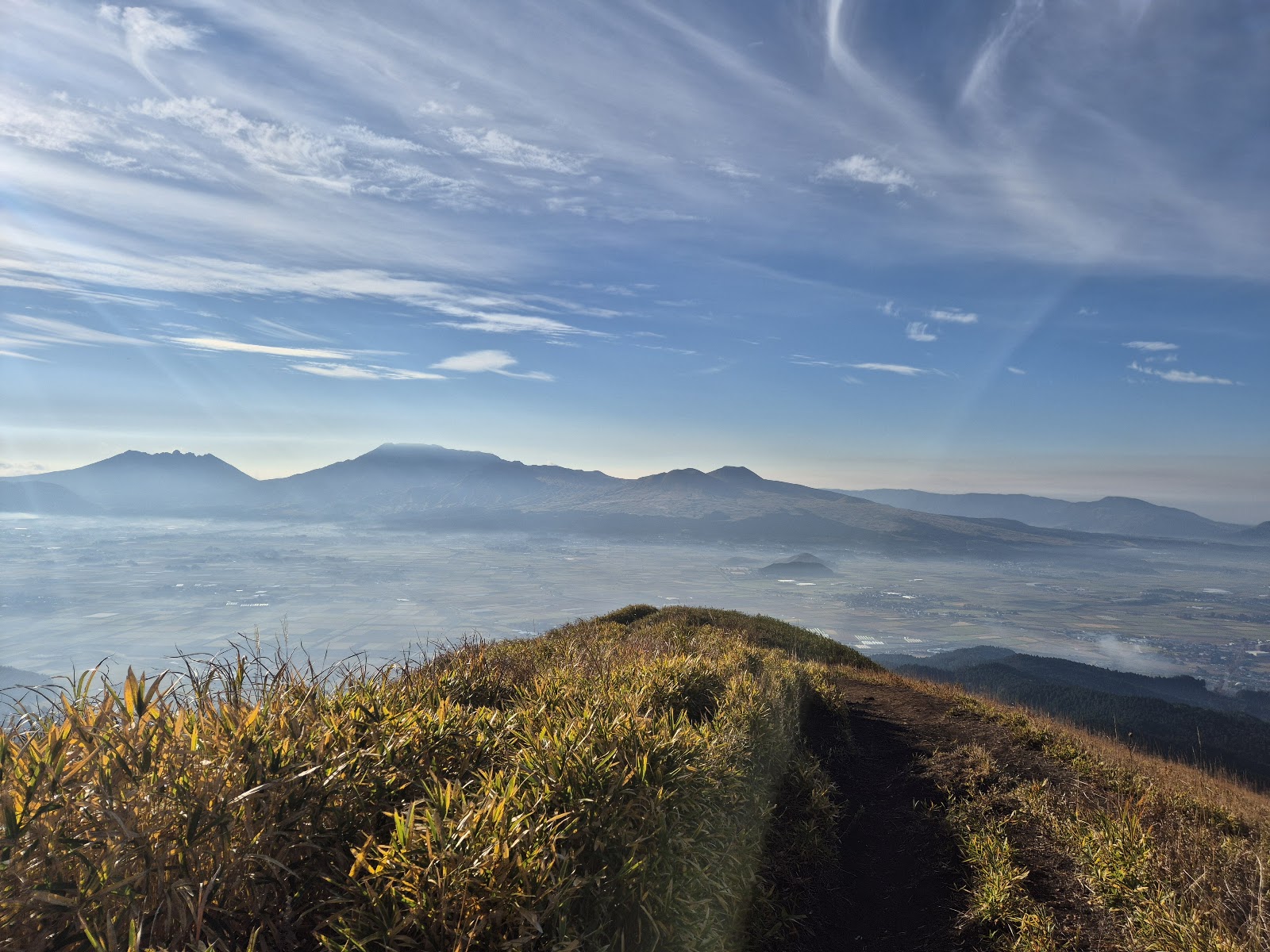
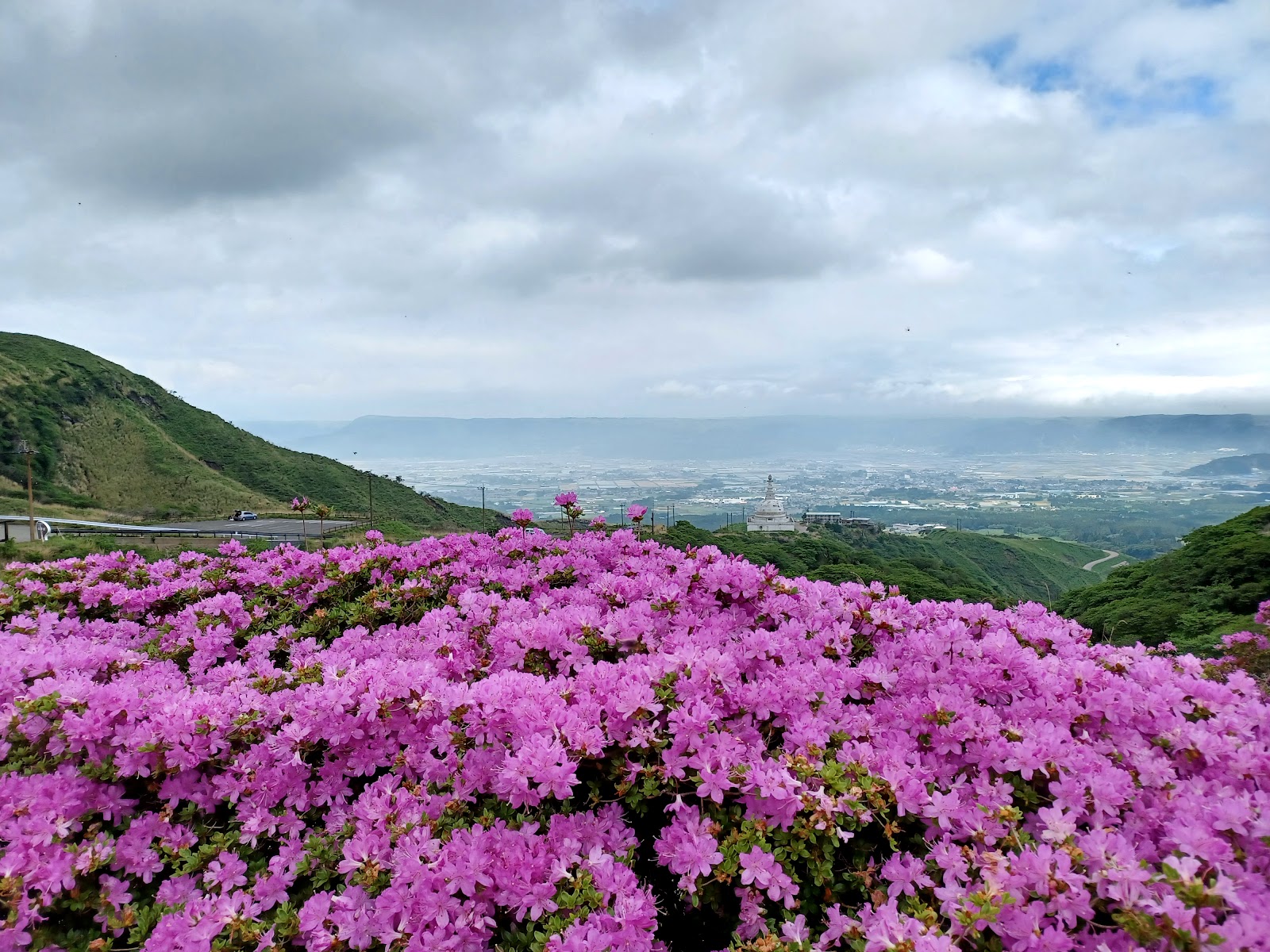
The shrine's setting within the caldera, ringed by the peaks of Aso, adds to its atmosphere, and it is easily combined with visits to the crater, Kusasenri and the caldera viewpoints for a full day exploring the volcano and its culture. Cherry blossom in spring and clear mountain air in autumn make those seasons especially pleasant.
Aso Shrine lies in Aso town and is reached on foot in about 15 minutes from Miyaji Station on the JR Hohi Main Line, or by a short drive; the JR line makes it accessible on a rail pass. The grounds are freely open at all hours. Allow around 40 minutes for the shrine and its approach street. As an ancient shrine, a symbol of resilience and a gateway to the region's spring-water culture, Aso Shrine is a rewarding stop on any exploration of the caldera.
A local's tip
Walk the shrine's approach street of old shops and springs, where free-flowing spring water fountains ('mizukake') line the road — a charming, lesser-known feature of the temple town.
Best time to visit
Any season; the rebuilt romon gate is a highlight year-round
Getting there
In the caldera town of Aso; from Miyaji Station on the JR Hohi Main Line it is about a 15-minute walk, or a short drive from Aso town.
Good to know
- Restrooms
- Spring water
- Charms/omamori
Plan the whole trip offline
Aso Shrine is one of many places in the Real Japan app — with turn-by-turn directions, nearby spots and full offline maps you can use with no signal.