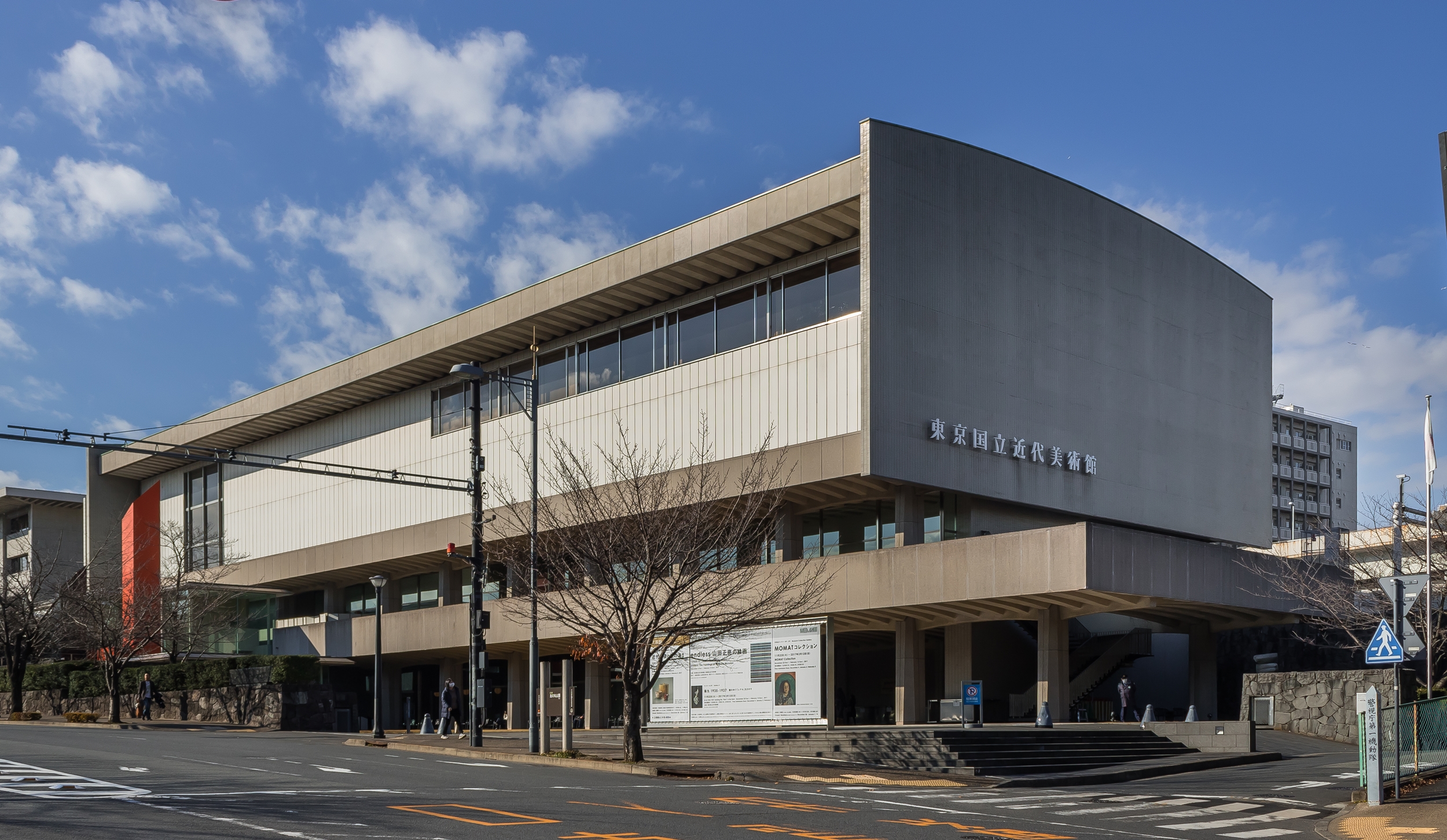
Japan's first national art museum, tracing Japanese modern art from 1900 through vivid Nihonga and postwar avant-garde.
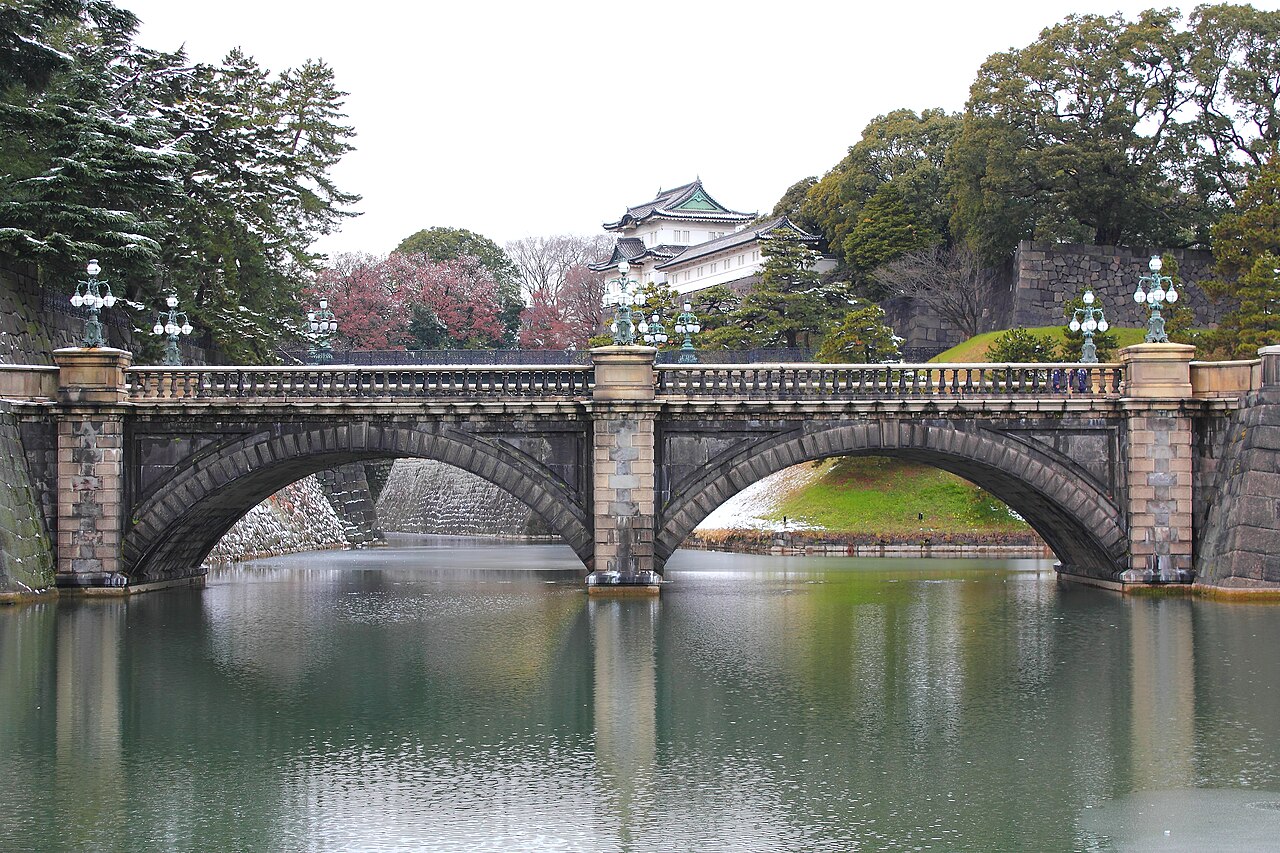
The National Museum of Modern Art, Tokyo, universally abbreviated to MOMAT, was Japan's first national art museum when it opened in 1952, and it remains the country's definitive collection of modern Japanese art. Standing beside the leafy moat of the Imperial Palace in the Kitanomaru quarter, it offers a calmer, more contemplative art experience than the tourist-heavy museums of Ueno, and it is the ideal place to understand how Japanese artists absorbed, resisted and reinvented the currents of twentieth-century art.
The heart of MOMAT is its permanent collection, displayed across the upper floors under the title MOMAT Collection and rotated regularly from a holding of more than 13,000 works. The journey begins in the early 1900s and moves decade by decade through the twentieth century and into the present. A particular strength is Nihonga, the modern reinvention of traditional Japanese-style painting on silk and paper, whose gold-ground screens and luminous seasonal scenes are a revelation to visitors who know only Western canvases. Alongside them hang Western-style yoga oil paintings, wartime documentary art, bold postwar abstraction, photography and sculpture, giving a uniquely complete picture of Japan's turbulent modern century. Highlights include works designated Important Cultural Properties, a rarity for art of such recent date.
The building itself, redesigned by architect Yoshiro Taniguchi and later refreshed, is understated and elegant, with generous natural light and easy circulation. A cherished feature is the fourth-floor rest room called A Room With A View, a free lounge whose picture window frames the Imperial Palace's East Gardens and the city beyond, a serene spot to pause between galleries. Special exhibitions, often ambitious retrospectives of major Japanese and international artists, occupy the ground-floor galleries and require a separate ticket.
The visiting experience is quiet and grown-up. Crowds are modest even on weekends, English captions and a free audio-style guide help non-Japanese visitors, and the scale is comfortable enough to enjoy in around ninety minutes. There is a stylish cafe and a museum shop, and the building is fully wheelchair accessible. Friday and Saturday evening opening until eight offers an especially peaceful visit. The nearby Crafts Gallery, once part of MOMAT, has relocated to Kanazawa, but the main museum alone amply rewards the trip.
The surrounding Kitanomaru Park makes MOMAT a delight in spring, when the palace moat is lined with cherry blossom, and again in autumn when the ginkgo and maples turn gold and red, so those seasons are ideal for pairing the museum with a walk. Weekday mornings are quietest. Admission to the collection is inexpensive and free on certain national holidays. Getting there is simple: take the Tokyo Metro Tozai Line to Takebashi Station and use Exit 1b, from which the museum is a three-minute stroll along the moat. Note that the Tozai Line is a subway not covered by the Japan Rail Pass, so budget a small IC-card fare, though from JR Tokyo Station it is also an easy fifteen-minute walk past the palace.
A local's tip
Do not miss 'A Room With A View' on the fourth floor, a free rest lounge with a wide window framing the Imperial Palace grounds; time your visit for the free-admission-collection days on some national holidays.
Best time to visit
Weekday mornings; autumn for palace-moat colour
Getting there
A 3-minute walk from Exit 1b of Takebashi Station on the Tokyo Metro Tozai Line. From Kudanshita or Otemachi it is a pleasant 12-15 minute walk along the Imperial Palace moat.
Good to know
- Cafe
- Restrooms
- Restaurant
- Wheelchair
- Museum Shop
Plan the whole trip offline
The National Museum of Modern Art, Tokyo is one of many places in the Real Japan app — with turn-by-turn directions, nearby spots and full offline maps you can use with no signal.