The former grounds of Edo Castle, once the largest fortress in the world, now open gardens with towering stone walls and keep foundations.
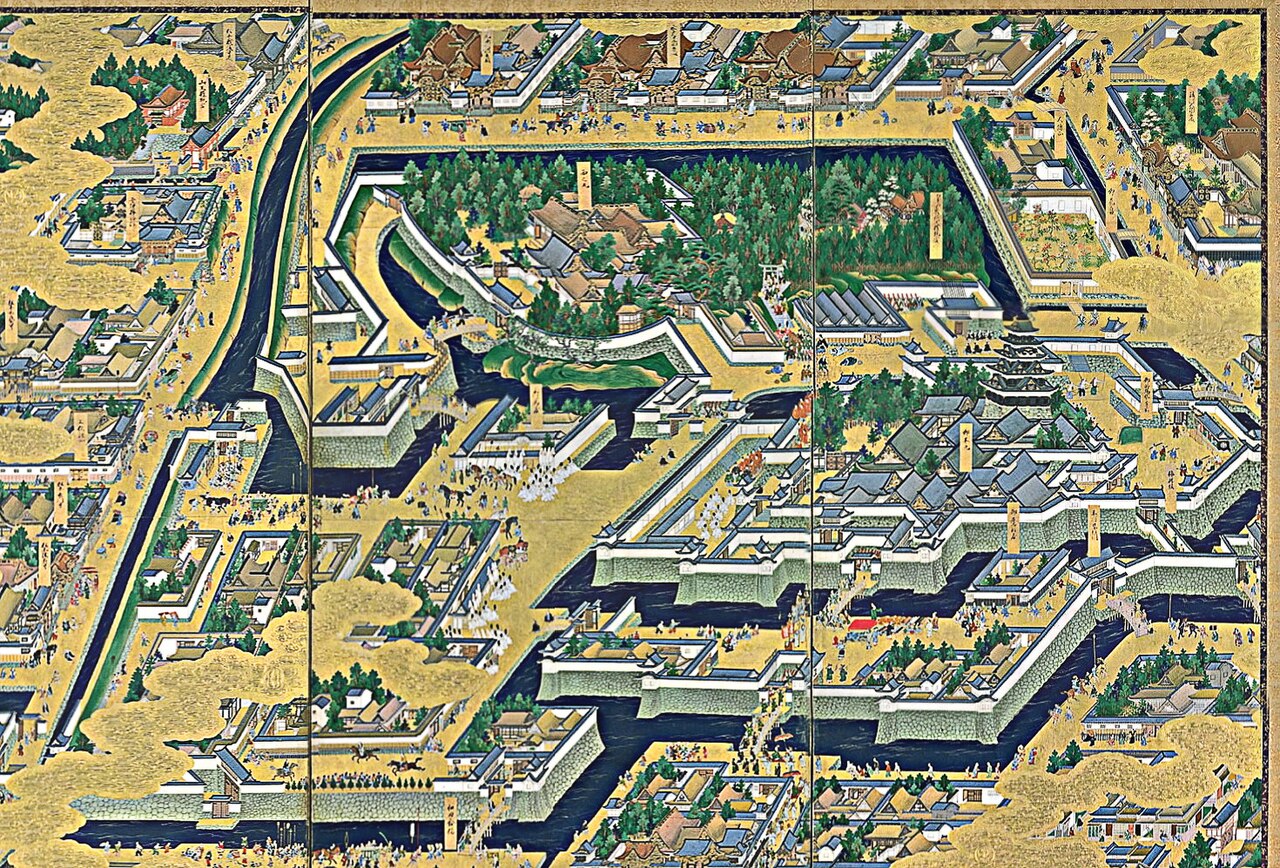
The Imperial Palace East Gardens occupy the former honmaru (main citadel) and ninomaru (secondary citadel) of Edo Castle, the fortress from which the Tokugawa shoguns ruled Japan for more than 250 years. When Tokugawa Ieyasu took up residence here in 1590 and later became shogun in 1603, he transformed a modest hilltop fort into the largest castle complex the world had ever seen, ringed by a spiral of moats that still shape central Tokyo's road map today. The castle's wooden palaces burned repeatedly and were never rebuilt after the Meiji Restoration of 1868, when the emperor moved from Kyoto into the western half of the grounds. In 1968 the eastern citadels were opened to the public as gardens.
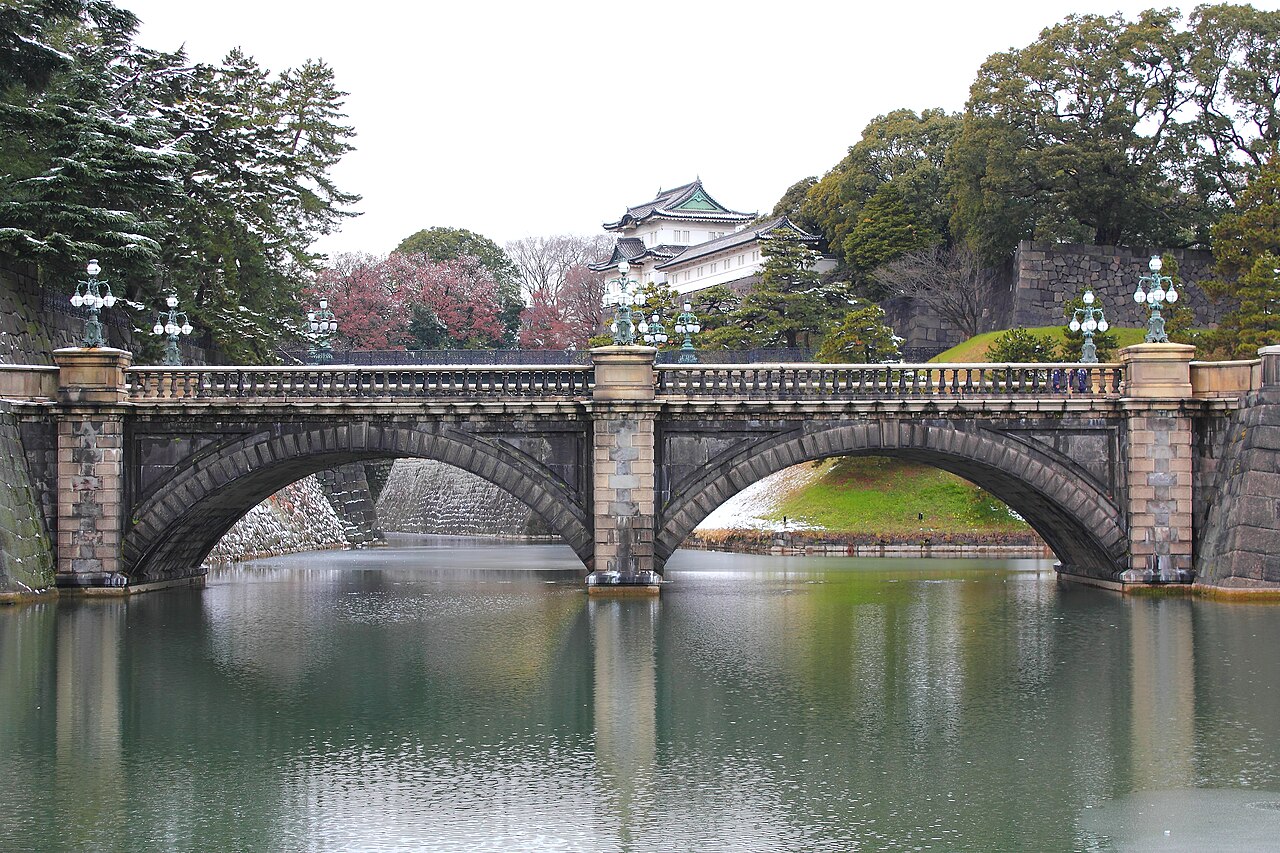
What survives is the raw stone skeleton of shogunal power. The most striking remnant is the base of the tenshukaku, the great keep: a massive platform of fitted granite blocks that once supported a five-story donjon soaring nearly 60 metres, until it was destroyed in the Great Fire of Meireki in 1657 and never replaced. You can climb the foundation for a view across the lawns of the former honmaru. Elsewhere, the sculpted Ote-mon and Hirakawa-mon gates, the guardhouse of the Hundred-Man Guard (Hyakunin-bansho), and the elegant Fujimi-yagura watchtower — the finest of the castle's surviving turrets — give a sense of the fortress's scale and craftsmanship.
Beyond the ruins, the gardens reward slow walking. The Ninomaru Garden, a restored Edo-period stroll garden with a pond, iris beds, and a small grove representing the trees of all 47 prefectures, is at its best when the irises bloom in June or the maples turn in November. In spring, a line of weeping and Somei-Yoshino cherries near the Ote-mon draws crowds without ever feeling as packed as Ueno or Chidorigafuchi.
The visiting experience is calm and unhurried. Entry is free, and the wide gravel paths and gentle slopes make the grounds accessible for most visitors, though the keep foundation and some gate steps require a short climb. The gardens close on Mondays and Fridays, so plan around those days. Because you enter and exit through controlled gates, security checks are quick but present.
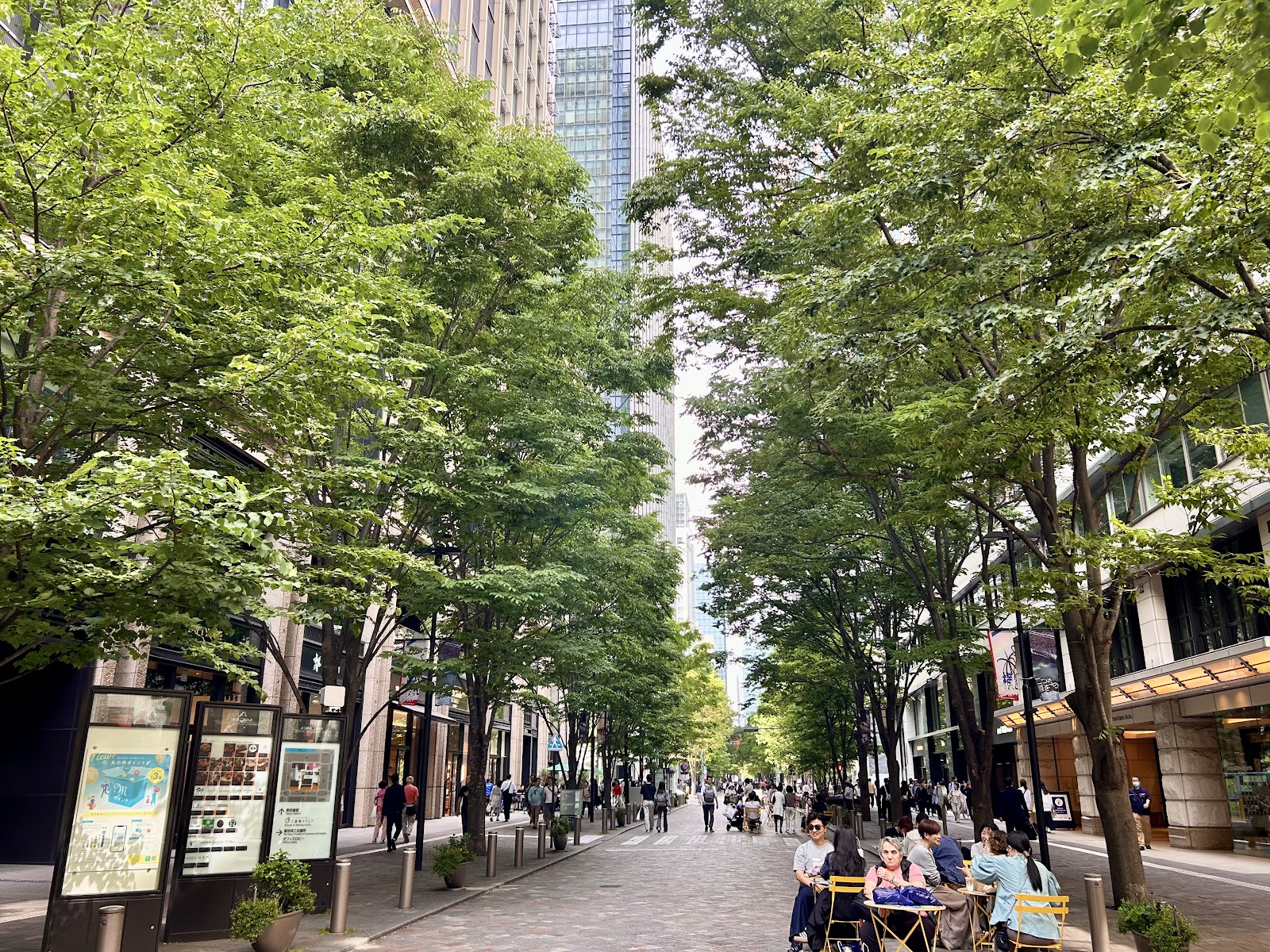
Aim for a morning visit before the day-tour buses arrive, when the light rakes across the great stone walls and the lawns are quiet. Spring and autumn are the standout seasons — cherry blossoms in late March and fiery maples in mid-to-late November. To get there, the simplest route is the Ote-mon Gate, a short walk from Otemachi subway station (exit C13b) or about ten minutes on foot from Tokyo Station's Marunouchi central exit. Combine it with a stroll along the outer moat to Nijubashi Bridge for a half-day of Edo history in the heart of the modern city.
A local's tip
Pick up a numbered plastic entry token at the gate and remember to hand it back when you leave — it's how the palace counts visitors, and there's no fee.
Best time to visit
Morning, or late March for cherry blossoms and autumn for maples
Getting there
From Otemachi Station take exit C13b and walk to the Ote-mon Gate, the main entrance. Also a 10-minute walk from Tokyo Station's Marunouchi side.
Good to know
- Benches
- Restrooms
- Rest house
Plan the whole trip offline
Imperial Palace East Gardens (Edo Castle Ruins) is one of many places in the Real Japan app — with turn-by-turn directions, nearby spots and full offline maps you can use with no signal.