An atmospheric old-Edo district of long-established sweet shops, the Amazake Yokocho lane and puppet-clock towers.
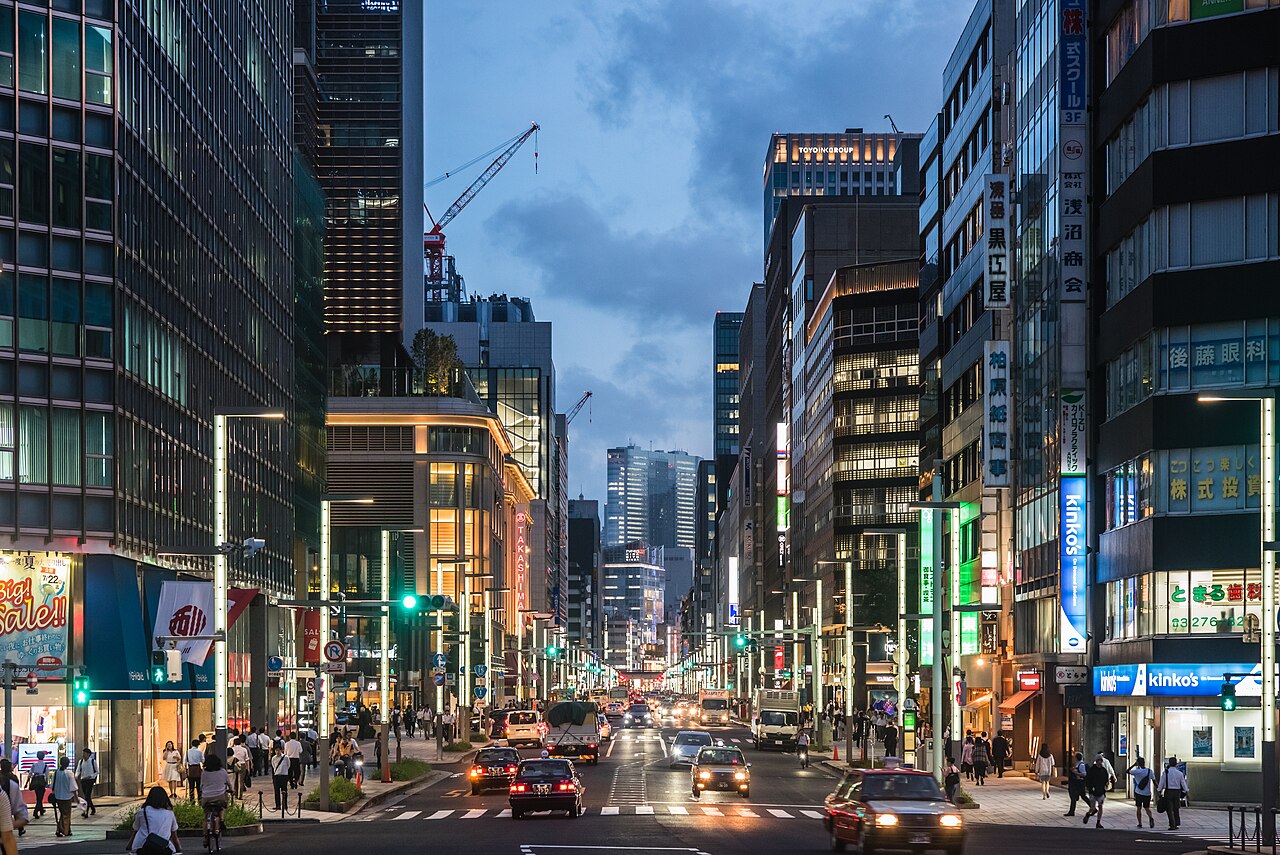
Ningyocho is one of the most atmospheric survivors of old, low-city Tokyo — a shitamachi district in Nihonbashi where the mood and many of the businesses date back to the Edo period. Its name means 'doll town,' a reminder that this was once the neighbourhood of puppeteers and doll-makers who supplied the nearby kabuki and ningyo-joruri puppet theatres. Though the theatres are long gone, the district has kept an unusual concentration of long-established, family-run shops and a genuinely traditional, unhurried character rarely found so close to the modern financial core.
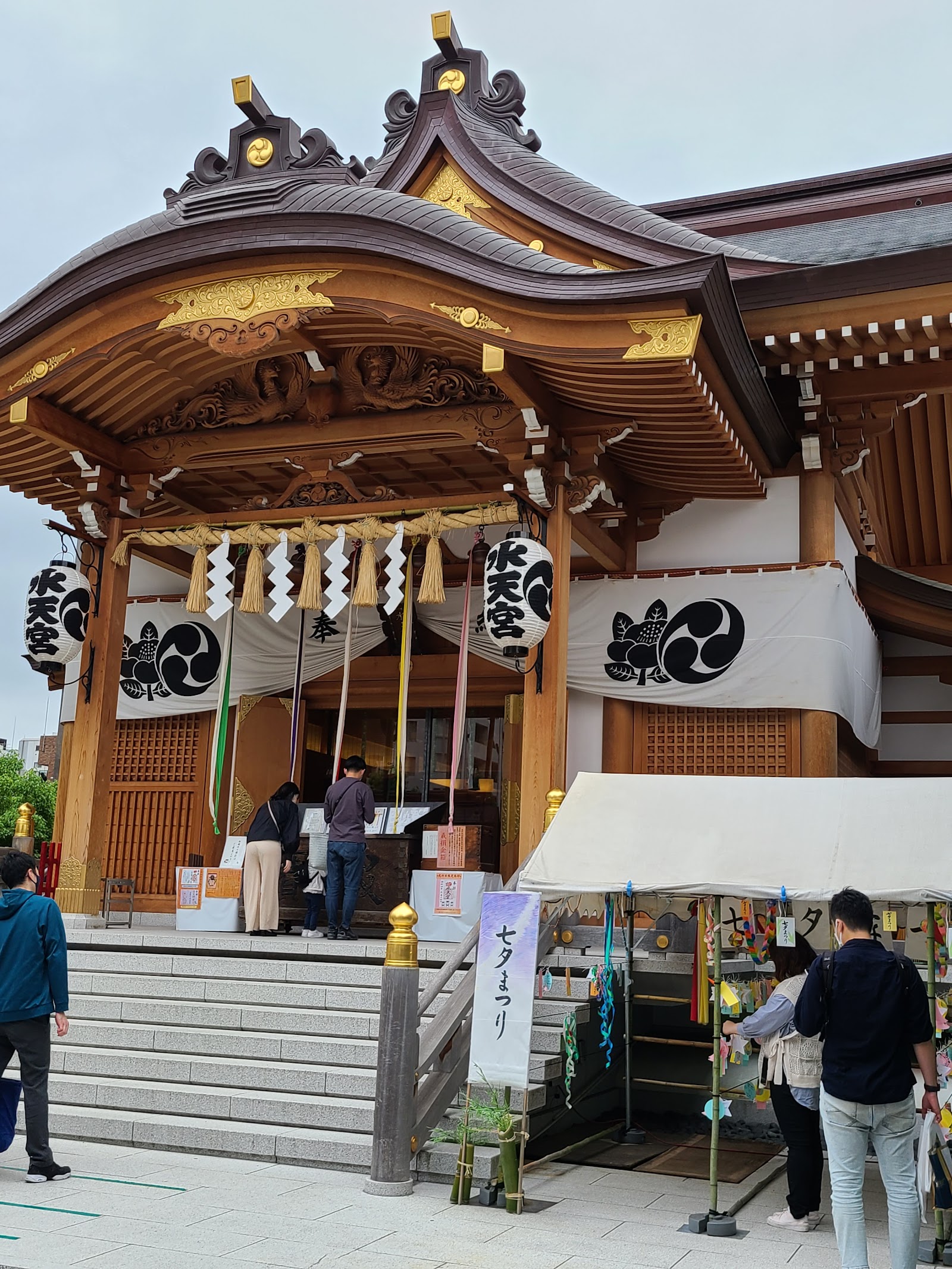
The heart of the district is Amazake Yokocho, a charming lane named after amazake, the sweet, lightly fermented rice drink once sold here. Along it and the surrounding streets you will find shops that have traded for generations: makers of ningyo-yaki doll-shaped cakes, taiyaki, senbei crackers, tsukudani (soy-simmered morsels), traditional sweets, tofu, tea and handmade crafts. Many have been in the same family for a century or more, and buying a warm snack straight from the maker is the best way to taste the neighbourhood's history. Tucked among them are venerable temples and shrines, including Suitengu, popular with expectant mothers praying for safe childbirth, and several stops on the Nihonbashi Seven Lucky Gods pilgrimage.
A delightful, distinctly Ningyocho touch is the pair of mechanical clock towers on the main street. On the hour, small doors open and puppet figures emerge to act out scenes of old Edo — fire brigades and townsfolk — a playful homage to the district's doll-making and theatrical roots that draws a small crowd of onlookers each time.
The experience is gentle and rewarding: a place to stroll slowly, snack on traditional sweets, pop into centuries-old shops and temples, and feel the texture of an older Tokyo that has largely vanished elsewhere. It suits travellers curious about history, craft and everyday tradition rather than big-ticket sights. The streets are flat, paved and easy to walk, comfortable for most visitors, and are at their liveliest from morning through mid-afternoon when the old shops are in full swing. Spring and autumn offer the most pleasant strolling weather.
Getting there is quick, though off the JR network: Ningyocho Station is served by the Tokyo Metro Hibiya Line and the Toei Asakusa Line, with Amazake Yokocho a two-to-three-minute walk from the exits. It is not covered by the Japan Rail Pass, but a Suica or Pasmo IC card works on both lines. It pairs naturally with a walk through the historic merchant district of Nihonbashi and its landmark bridge, a short stroll away.
A local's tip
Watch for the two mechanical clock towers on Ningyocho-dori: on the hour they open to reveal moving puppet figures re-enacting old Edo scenes, a nod to the district's doll-making past.
Best time to visit
Morning to mid-afternoon, when the old sweet shops and Amazake Yokocho stalls are busy
Getting there
Take the Tokyo Metro Hibiya Line or Toei Asakusa Line to Ningyocho Station; Amazake Yokocho and the main streets are a 2-3 minute walk from the exits.
Good to know
- Wi-Fi
- Old shops
- Restrooms
- Traditional sweets
Plan the whole trip offline
Ningyocho is one of many places in the Real Japan app — with turn-by-turn directions, nearby spots and full offline maps you can use with no signal.