Tokyo's sumo town — home of the Kokugikan arena, wrestler stables, chanko-nabe restaurants and the Edo-Tokyo Museum.
Ryogoku, on the east bank of the Sumida River, is the spiritual home of sumo in Tokyo and one of the city's most distinctive neighbourhoods. This is where Japan's national sport lives: the Ryogoku Kokugikan, the country's premier sumo arena, hosts three of the six annual Grand Sumo Tournaments, and many of the heya (training stables) where wrestlers live and train are clustered in the surrounding streets. Walk around and you may well pass a towering rikishi in a yukata and wooden sandals running an errand — an everyday sight here and nowhere else.
The district rewards visitors whether or not a tournament is on. During the January, May and September basho, the whole area buzzes as fans stream toward the Kokugikan, banners snapping in the wind and the thud of the ceremonial drum carrying over the streets; tickets let you watch a full day of bouts building to the top-division finale. Outside tournament time you can still absorb the culture at the Sumo Museum inside the arena, spot the stables, and — best of all — eat chanko-nabe, the protein-rich hotpot that wrestlers consume in vast quantities to build their frames. Several chanko restaurants around the station are run by retired wrestlers and serve the dish to anyone.
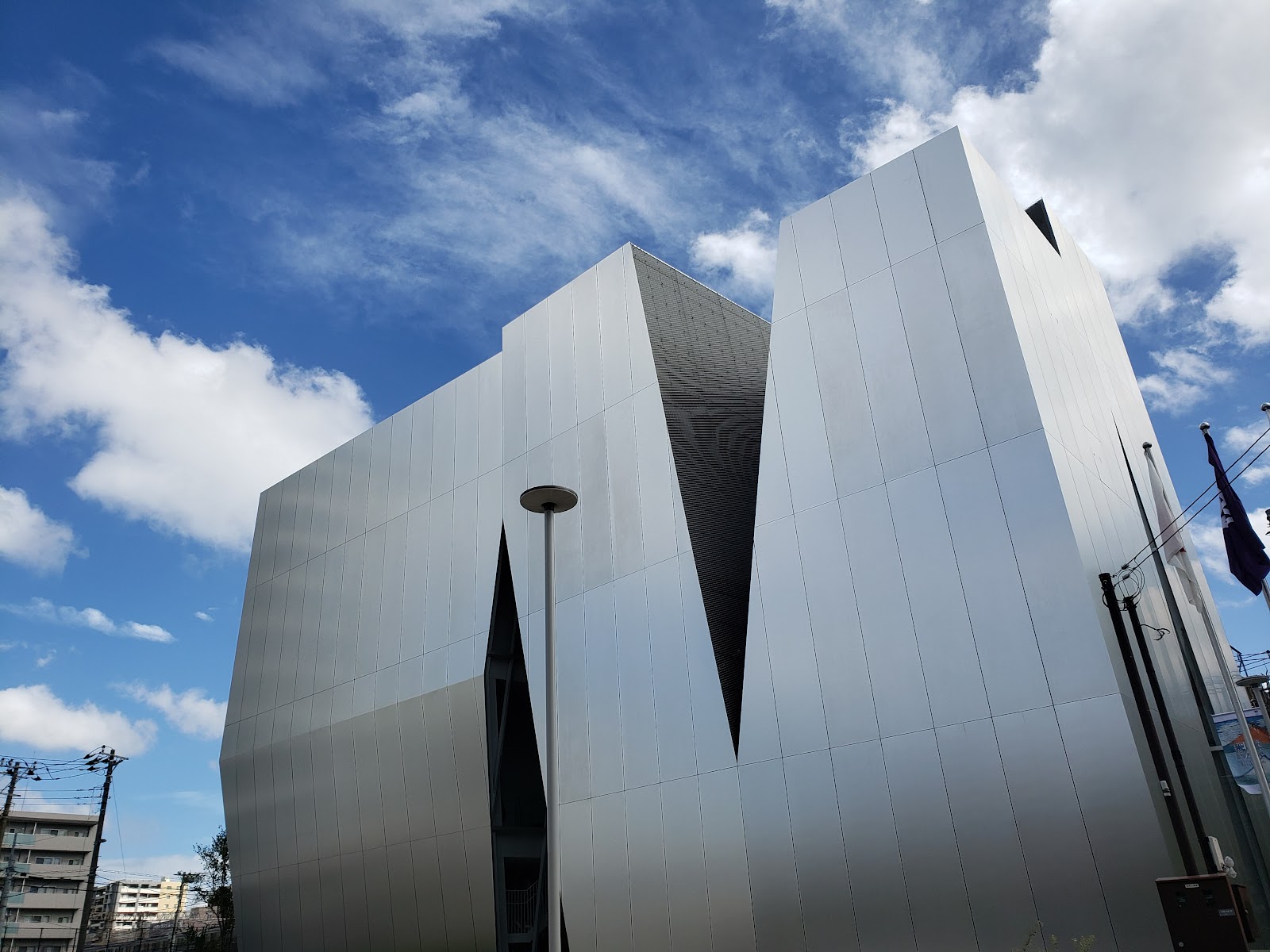
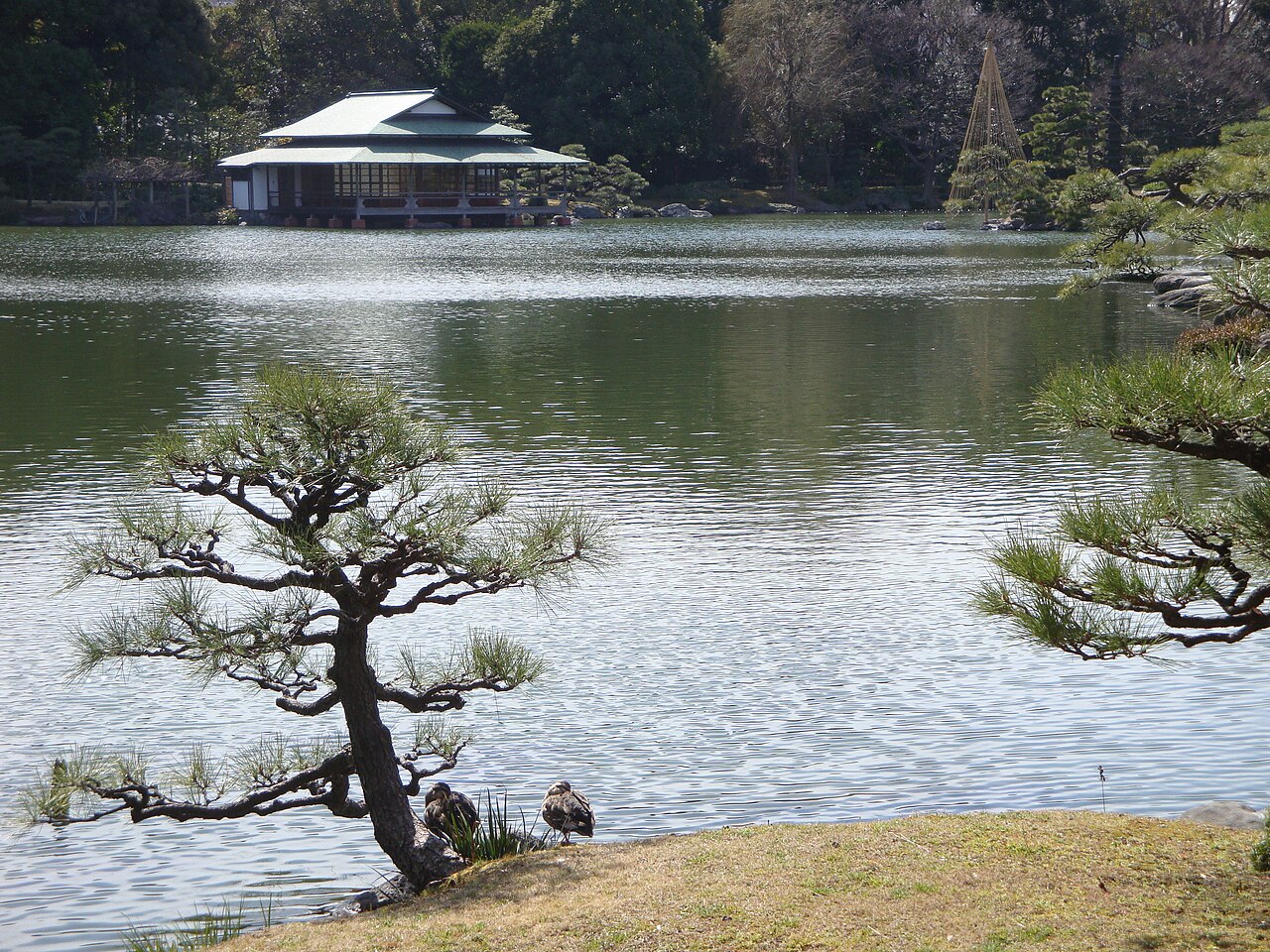
Ryogoku is also a serious cultural quarter. It is home to the Edo-Tokyo Museum, which vividly recreates the life of the old shogunal capital with full-scale models and immersive exhibits, and the striking Sumida Hokusai Museum, dedicated to the ukiyo-e master Katsushika Hokusai, who was born in the neighbourhood. Nearby are the tranquil Kyu-Yasuda Garden and, along the river, pleasant walking paths with views toward the Tokyo Skytree, so a visit easily fills half a day or more.
The experience blends sport, history and food in a way found nowhere else in Tokyo, making Ryogoku a great pick for travellers who want something beyond shopping and temples. The area is flat, well signposted and easy to navigate, with the arena, museums and restaurants all within a short, accessible walk of the station. The obvious best time to visit is during one of the three Tokyo tournaments, but the museums, stables and chanko restaurants make it worthwhile year-round; note that the flagship Edo-Tokyo Museum periodically closes for renovation, so check ahead.
Getting there is simple and rail-pass friendly: Ryogoku Station sits on the JR Chuo-Sobu Line, so it is covered by the Japan Rail Pass, and is also served by the Toei Oedo subway line. The Kokugikan and museums are a two-to-three-minute walk from the station, and a Suica or Pasmo IC card covers the trip either way.
A local's tip
Even outside tournament season you can eat chanko-nabe — the hearty hotpot sumo wrestlers live on — at restaurants around the station, several run by former rikishi.
Best time to visit
January, May and September, during the three Tokyo Grand Sumo Tournaments held at the Kokugikan
Getting there
Take the JR Chuo-Sobu Line or Toei Oedo Line to Ryogoku Station; the Kokugikan arena, sumo museum and chanko restaurants are all within a few minutes' walk.
Good to know
- Wi-Fi
- Museums
- Restrooms
- Sumo arena
- Restaurants
Plan the whole trip offline
Ryogoku is one of many places in the Real Japan app — with turn-by-turn directions, nearby spots and full offline maps you can use with no signal.