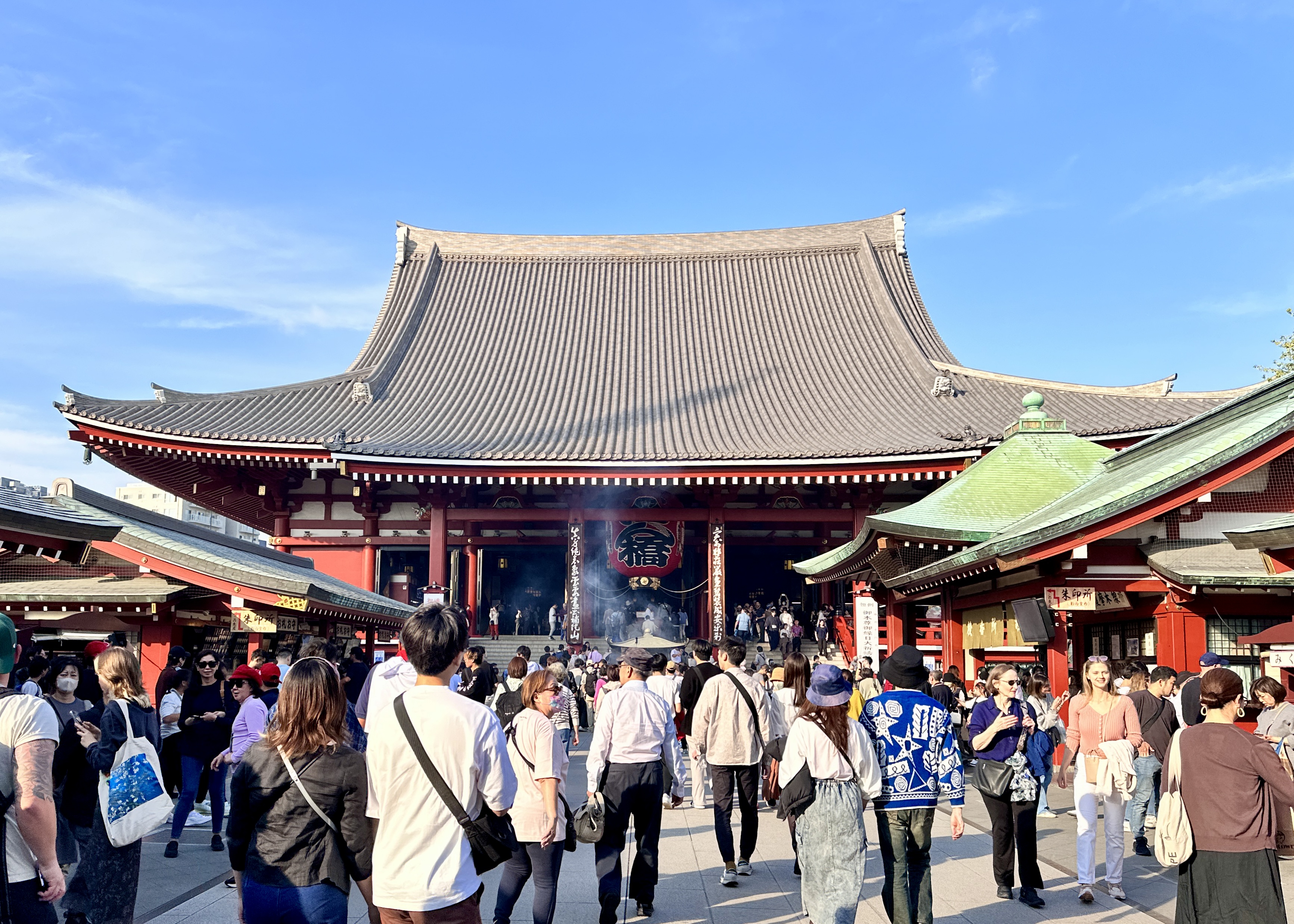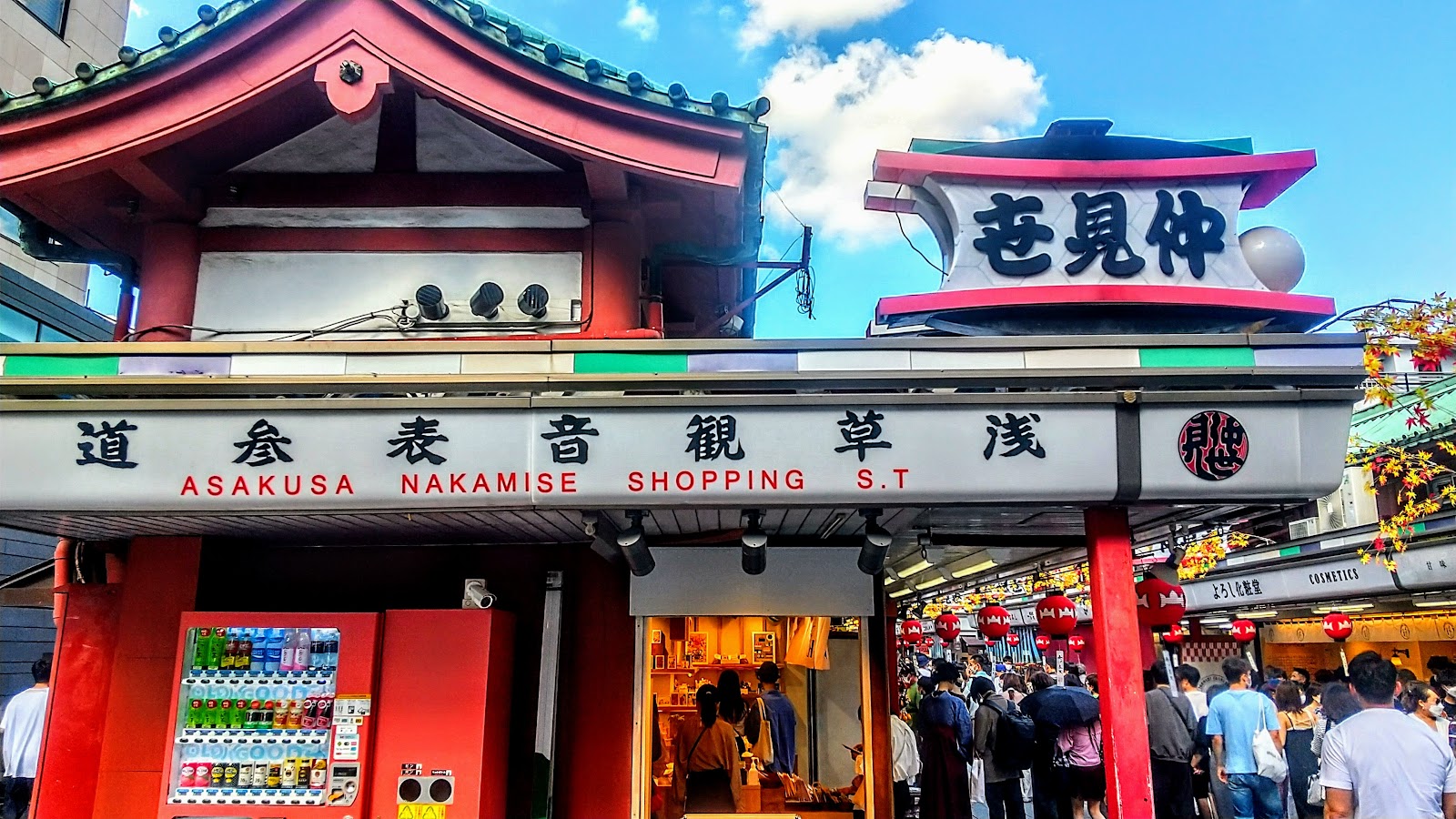
Tokyo's oldest shopping street, a 250-metre parade of traditional snacks and crafts leading to Senso-ji temple.
Nakamise-dori is one of the oldest shopping streets in Japan, a roughly 250-metre pedestrian avenue that runs from the thunderous Kaminarimon (Thunder Gate) straight to the great Hozomon gate of Senso-ji, Tokyo's oldest temple. Lined by around 90 tightly packed stalls, it has served pilgrims and sightseers since the late 17th century, when local residents were granted the right to set up shops in exchange for keeping the temple approach clean.
Walking beneath the red lanterns and paper decorations that change with the seasons, you pass a nonstop gauntlet of Edo-era temptations. Vendors sell freshly griddled ningyo-yaki (little sponge cakes filled with red-bean paste, cast in the shapes of lanterns and pigeons), age-manju (deep-fried bean buns), crisp senbei rice crackers grilled to order, and kaminari-okoshi puffed-rice sweets that share a name with the gate. Interspersed are shops of folding fans, hair combs, yukata, wooden geta sandals, ninja trinkets and Mount Fuji souvenirs — kitsch and craftsmanship side by side.
A lovely detail most visitors miss: when the shops close and pull down their metal shutters, the street transforms into a continuous open-air gallery. Each shutter is painted with a scene from Asakusa's traditional calendar — cherry blossoms, the Sanja Matsuri festival, summer fireworks over the Sumida River, snow on the temple roofs — so the after-hours street tells the story of the neighbourhood's year.
The experience is quintessentially, unapologetically touristy, and that is part of its charm; this has been a place of festive commerce for over three centuries. The flat, paved street is fully step-free and stroller- and wheelchair-friendly, though it grows shoulder-to-shoulder crowded from late morning through the afternoon, especially on weekends and holidays. Photographers and anyone wanting an unhurried stroll should arrive soon after 8am, when the lanterns glow and only a handful of early worshippers share the avenue, or return after 7pm for the painted shutters.
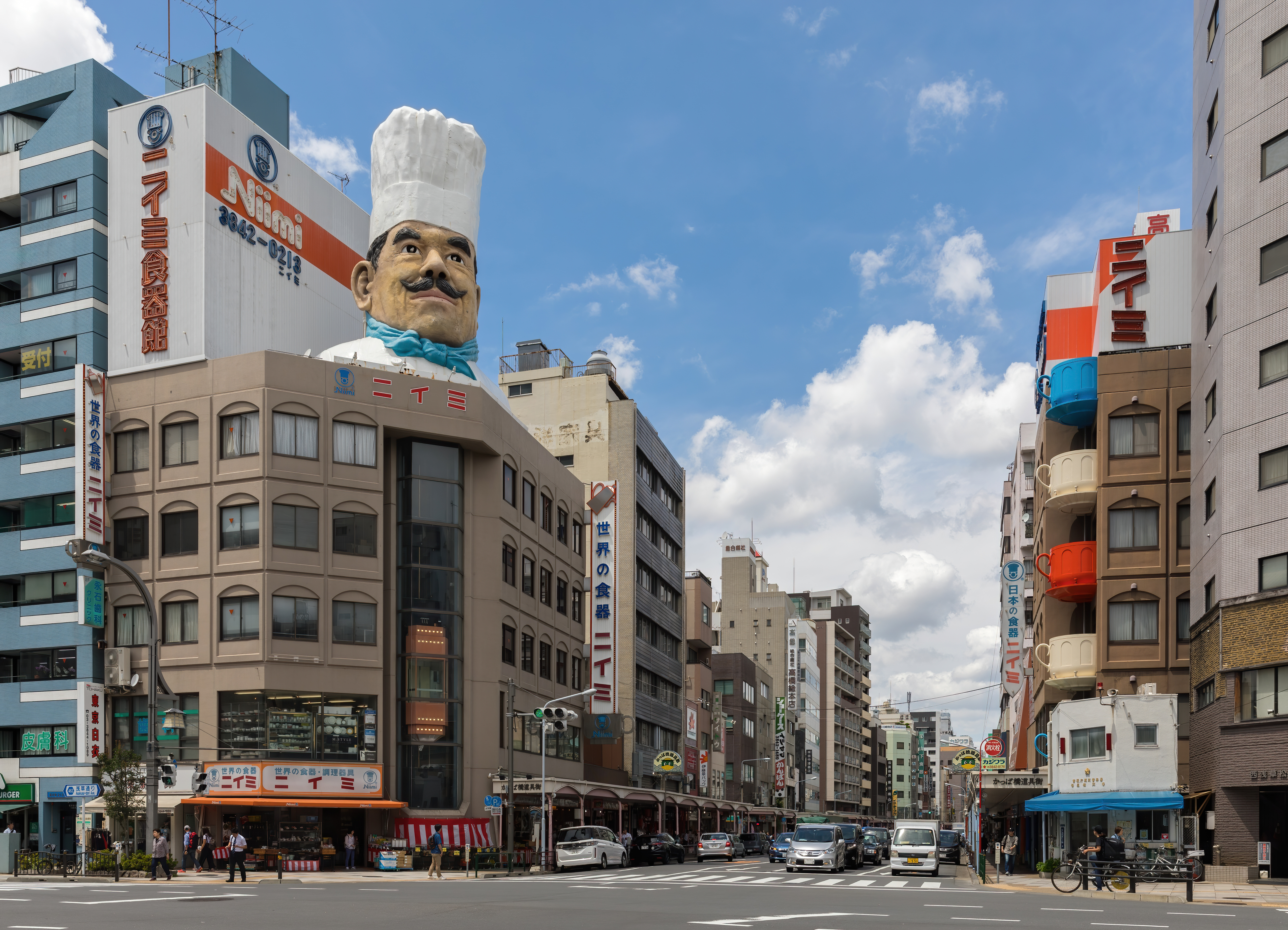
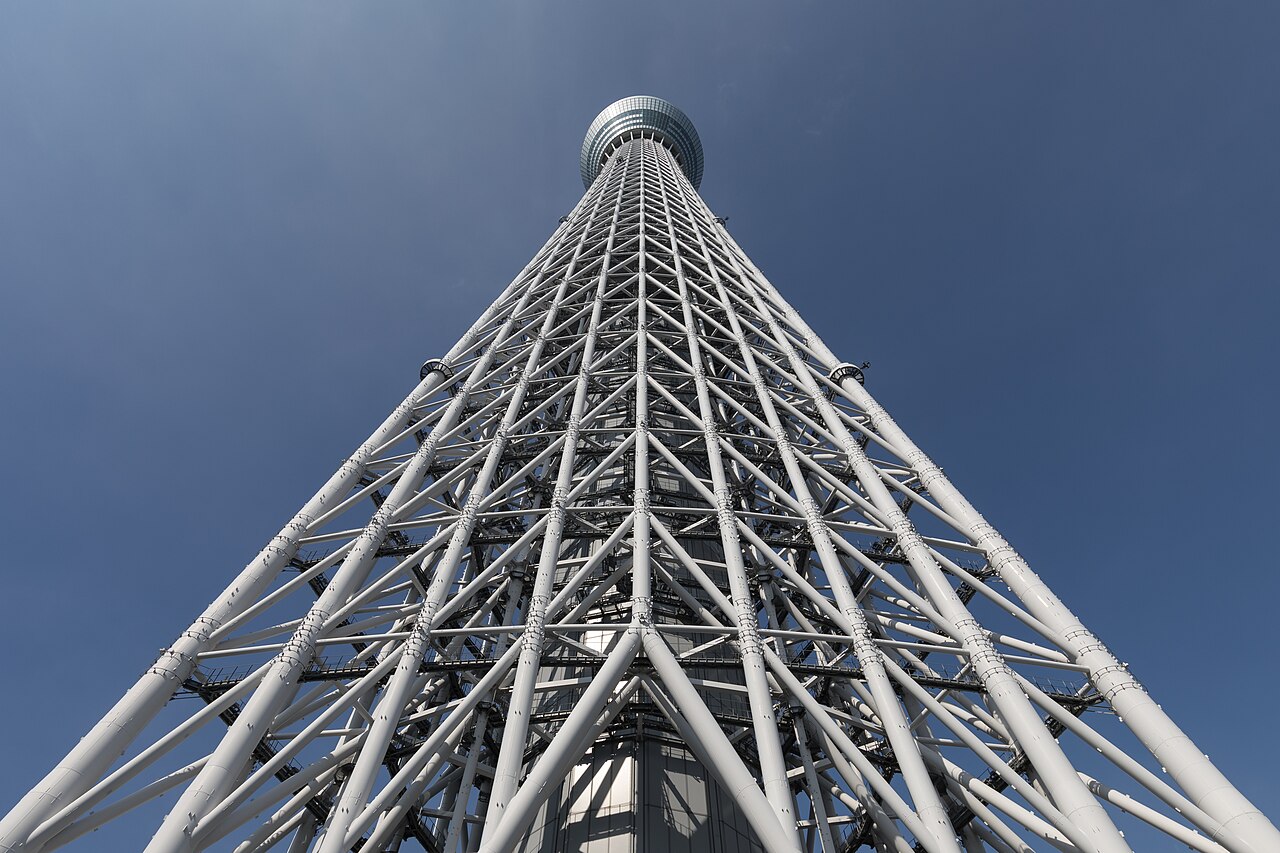
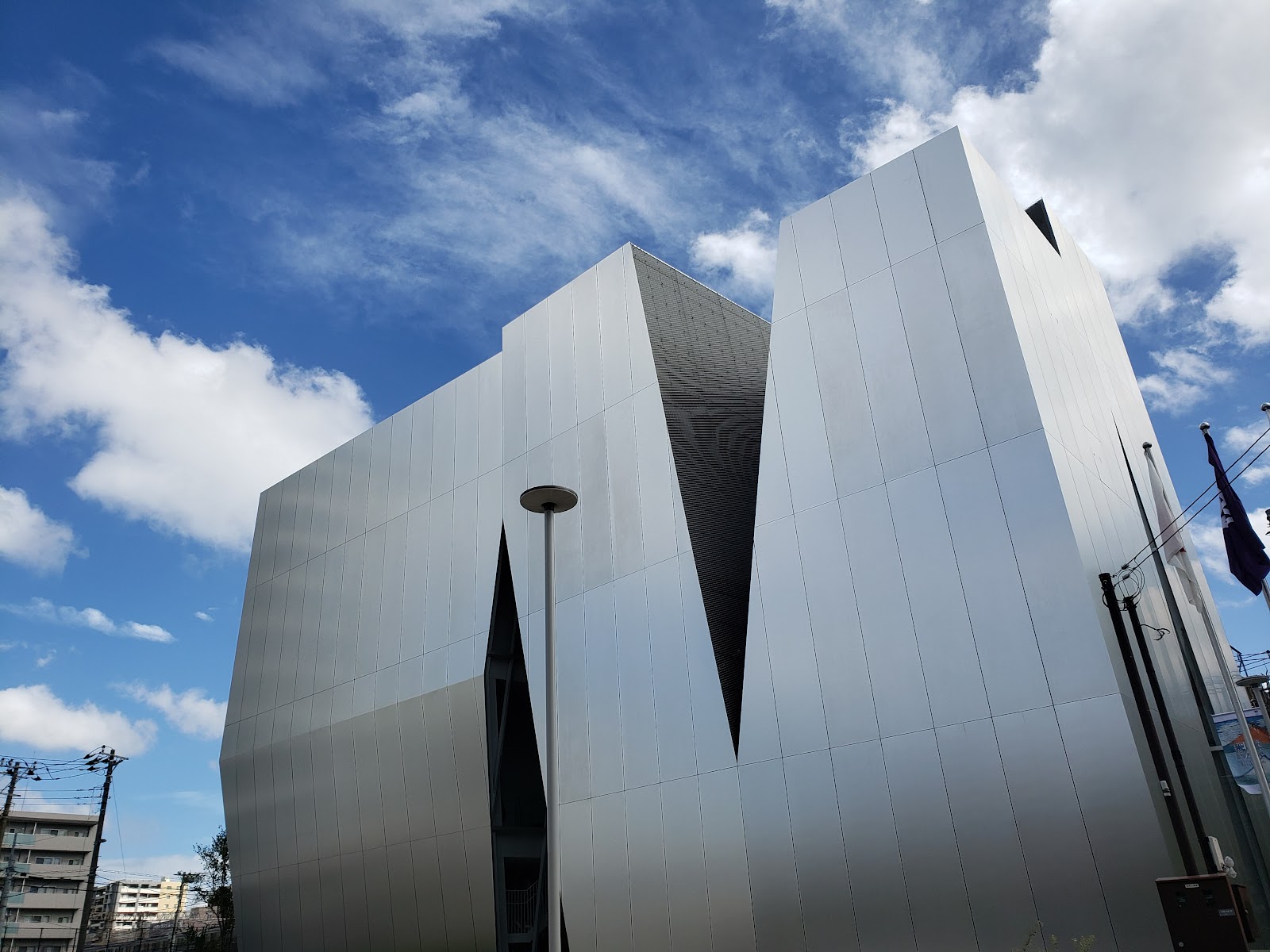
Spring brings cherry blossoms to the nearby Sumida riverbanks and the temple precinct, while the traditional shops look their best under the crisp light of autumn. Any season, pair the walk with the temple itself, the five-storey pagoda beside it, and the retro Hoppy-dori food alley a few streets west. Getting there is easy: Asakusa Station is served by the Tokyo Metro Ginza Line, the Toei Asakusa Line and the Tobu Skytree Line, and the Kaminarimon gate is a two-to-three-minute walk from any of them. It is not covered by the Japan Rail Pass, but a tap of a Suica or Pasmo IC card gets you to the door.
A local's tip
Come at 8am or after 7pm to walk the street almost empty; at closing time the shop shutters reveal a continuous painted mural of Asakusa's seasonal festivals.
Best time to visit
Early morning before the crowds, or evening when the shutters are painted
Getting there
From Asakusa Station (Ginza, Asakusa or Tobu lines) walk 2-3 minutes to the giant red Kaminarimon gate; Nakamise-dori begins directly behind it and runs to the temple.
Good to know
- Wi-Fi
- Restrooms
- Souvenirs
- Street food
Plan the whole trip offline
Nakamise-dori is one of many places in the Real Japan app — with turn-by-turn directions, nearby spots and full offline maps you can use with no signal.