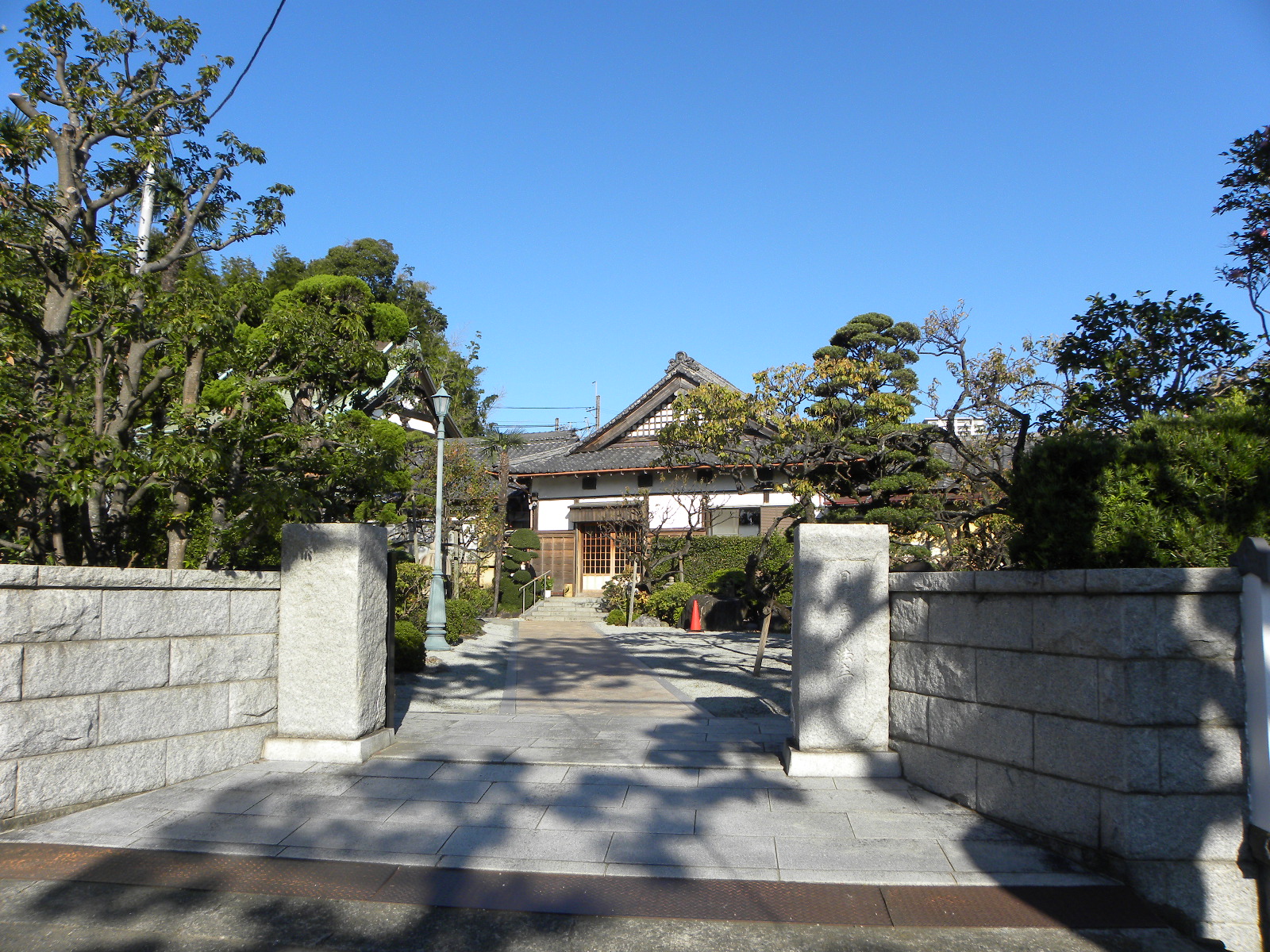
A historic Nichiren temple at the heart of the Sugita plum groves, famous since the Edo period for their blossoms.
Myōhō-ji (妙法寺) sits at the centre of the Sugita plum groves in Yokohama's Isogo ward, a temple whose fame is tied to one of the oldest and most celebrated plum-viewing traditions in the Kantō region. While Tokyo's plum spots draw big February crowds, the Sugita groves remain a local secret — a hillside of blossom and old temple architecture that rewards travellers willing to venture beyond the harbour sights.
The temple belongs to the Nichiren school of Buddhism and has stood in these hills for centuries, serving the communities of the old Sugita district. Its lasting renown, however, comes from the plum trees. During the Edo period the Sugita plum groves (Sugita no Ume) became one of the most famous ume-viewing destinations near the capital, celebrated in woodblock prints and travel writing, and drawing day-trippers who journeyed out from Edo (old Tokyo) each late winter to picnic beneath the blossoms. The variety of plum here was so admired that Sugita lent its name to a particular type of ornamental ume prized for its abundant, fragrant flowers.
Today the tradition continues each year with the Sugita Plum Blossom Festival, generally held over a weekend in late February. Myōhō-ji and the surrounding slopes fill with hundreds of white and pale-pink blossoms, the air turns sweet with their scent, and the neighbourhood stages a modest but charming celebration with local food stalls, tea, and sometimes music and performances on the temple grounds. Because plum blooms weeks before the cherry, a visit here offers a first taste of spring while the rest of the city is still wintry — and, crucially, without the dense crowds of the more famous sites.
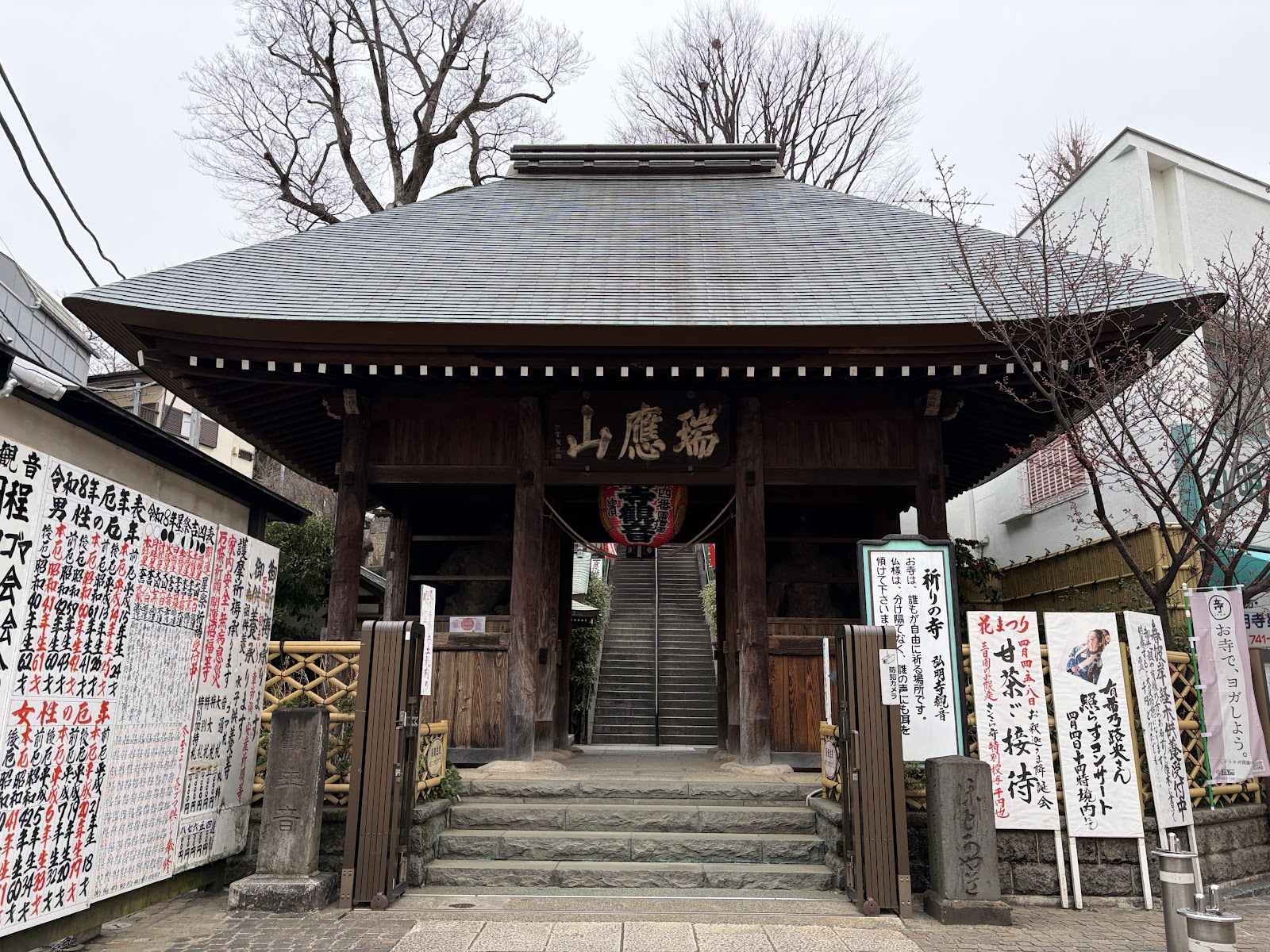
Beyond festival season the temple is a peaceful, unpretentious neighbourhood place of worship. Its wooden main hall, mossy stones, and hillside setting make for a pleasant, contemplative stop, and the elevation gives glimpses across the rooftops of Isogo toward the bay. This is not a grand monument but a working local temple with a genuinely storied past — the kind of place that connects a modern Yokohama suburb to the leisure culture of the Edo period.
Getting there takes a little effort, which is part of why it stays quiet. The temple is about a twelve-minute walk into the residential hills from Keikyu Sugita Station on the Keikyu Main Line, or from JR Shin-Sugita on the Negishi Line; note the Keikyu line is not covered by the Japan Rail Pass, though the JR approach is. Local buses also serve the area.
Allow around forty-five minutes, or considerably longer during the plum festival when the whole hillside becomes a slow, blossom-scented stroll. Come in late February or very early March for the flowers at their peak; outside that window the appeal is the tranquil temple itself and the sense of standing in a place that Edo-era travellers loved centuries before Yokohama's skyline existed.
A local's tip
Time your visit to the late-February Sugita Plum Blossom Festival, when the historic groves that once drew Edo-era day-trippers from old Tokyo bloom white and pink across the hillside — far quieter than Tokyo's famous plum spots.
Best time to visit
Late February to early March (plum blossom)
Getting there
A 12-minute walk from Keikyu Sugita Station or JR Shin-Sugita on the Negishi Line; head into the residential hills of Isogo ward toward the temple and surrounding plum groves.
Good to know
- Parking
- Restrooms
Plan the whole trip offline
Myōhō-ji (Sugita Plum Grove) is one of many places in the Real Japan app — with turn-by-turn directions, nearby spots and full offline maps you can use with no signal.