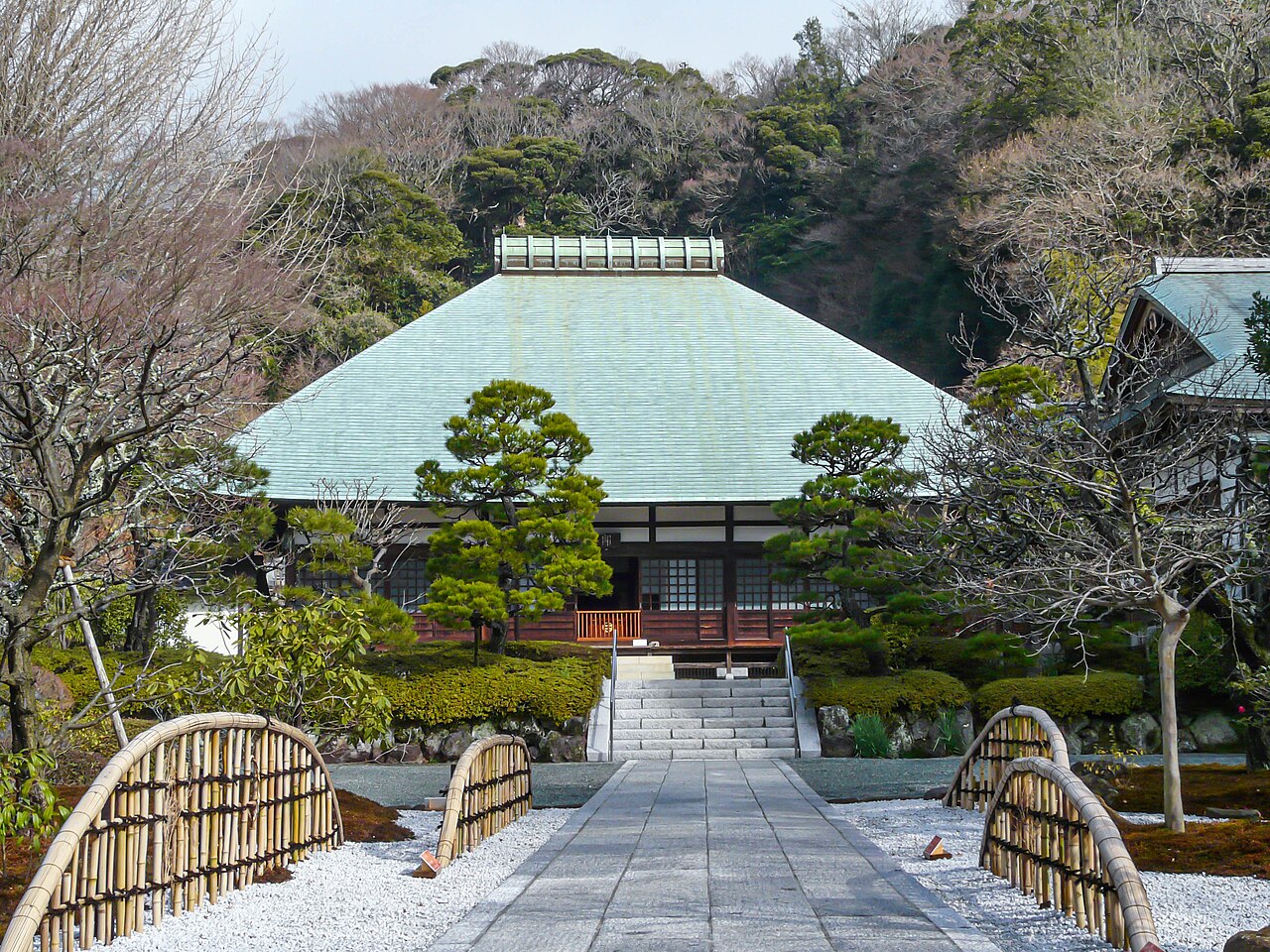
A serene 13th-century temple with a Pure Land paradise garden, arched bridge and reflecting pond in Kanazawa ward.
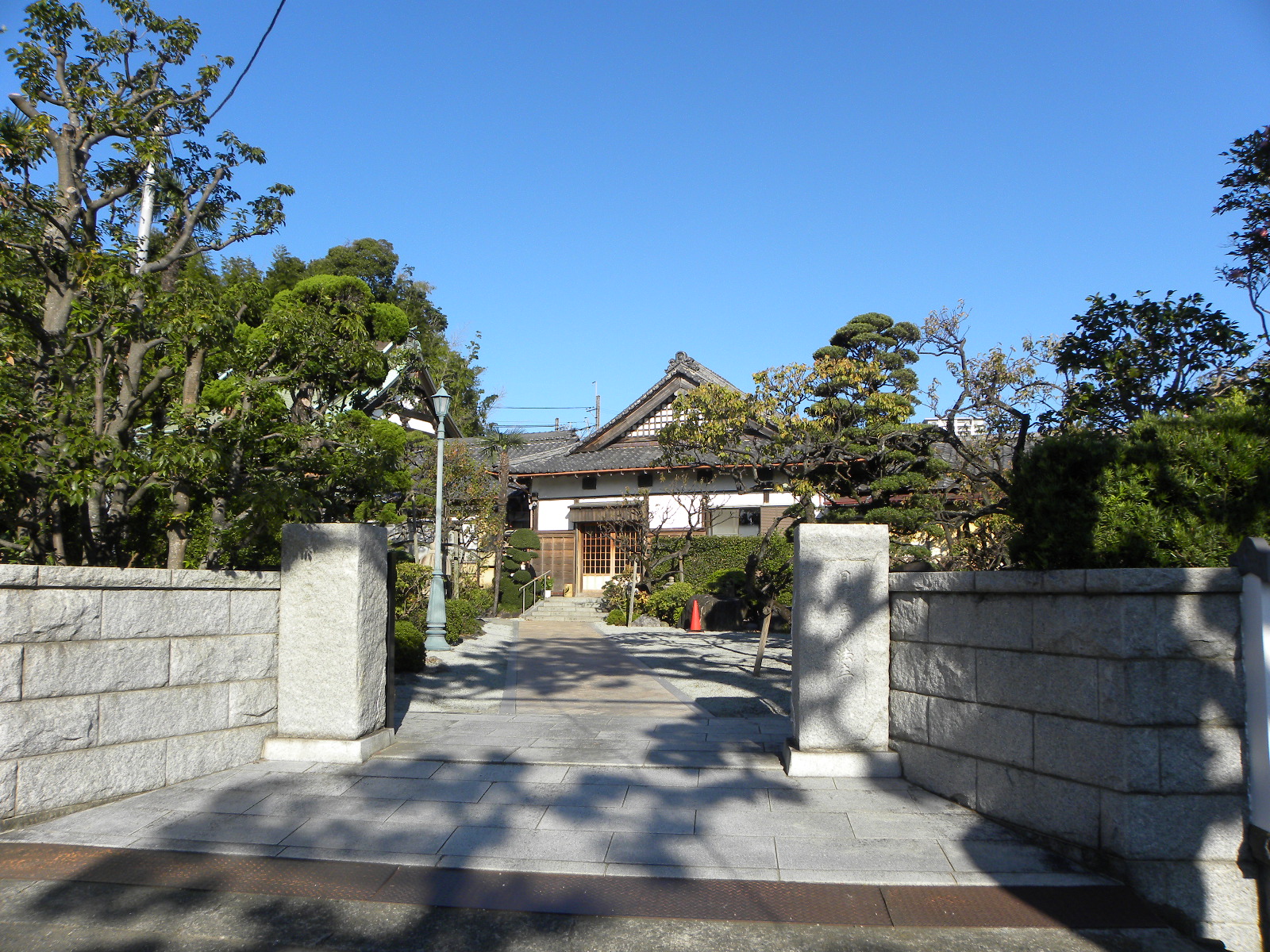
Shomyoji is one of the most beautiful and historically significant temples in Yokohama, a haven of medieval tranquility in the Kanazawa ward at the city's southern edge, far in spirit from the modern harbor. Centered on an exquisite Pure Land paradise garden, with an arched vermilion bridge reflected in a still pond, it is a place designed to evoke the Buddhist vision of the Western Paradise - and it succeeds so completely that stepping through its gate feels like entering another century.
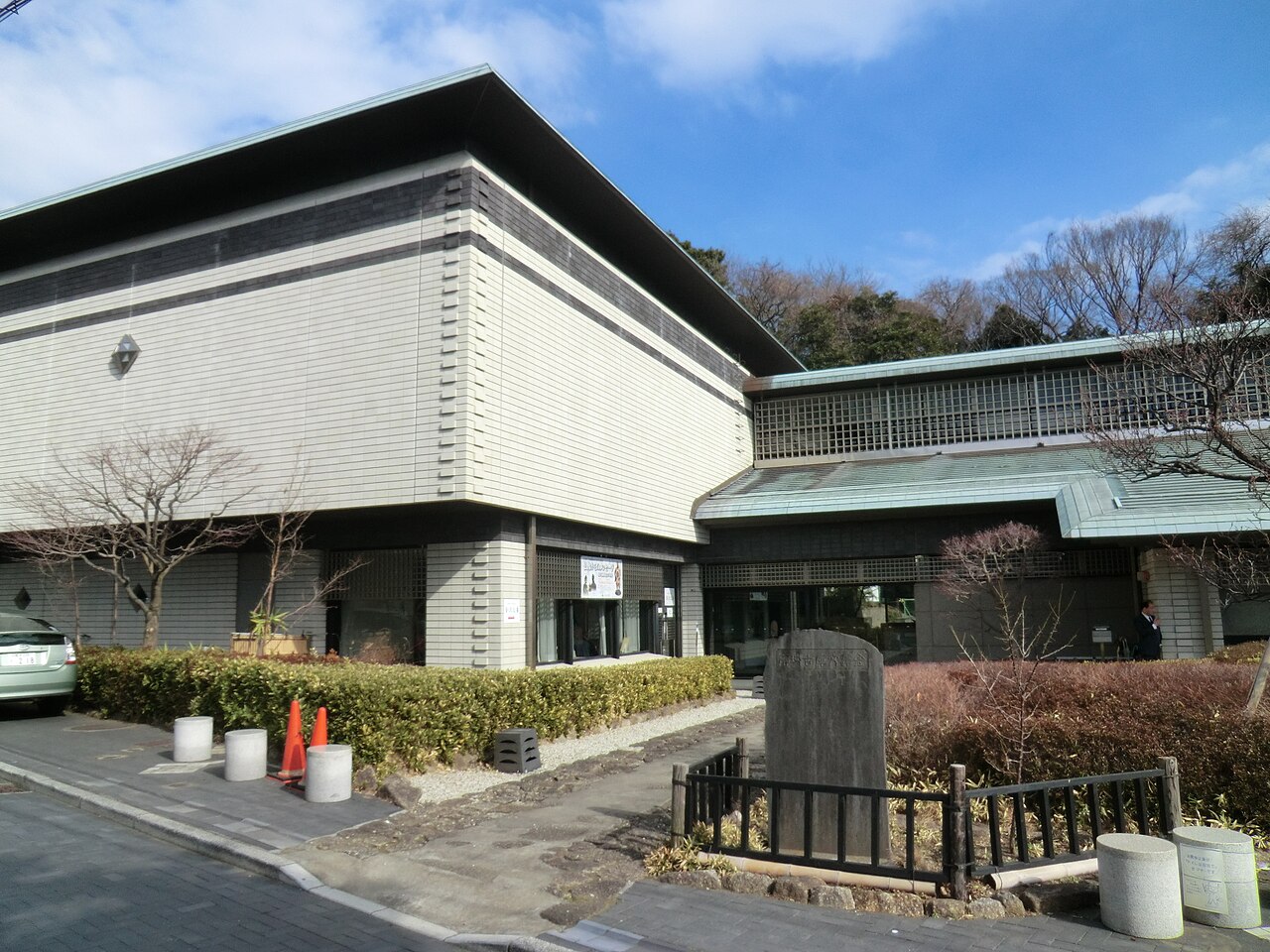
The temple was founded in 1259 by Hojo Sanetoki, a powerful member of the clan that ruled Japan as regents during the Kamakura period, and it belongs to the Shingon Risshu school of Buddhism. Sanetoki was not only a warrior-statesman but a passionate scholar and book collector, and it is to him that the area owes one of its greatest treasures. Behind the temple, reached through a small tunnel cut into the hillside, lies the Kanazawa Bunko, the library he established to house his vast collection of books and documents - one of the oldest libraries in Japan, founded in the thirteenth century and today preserved as a prefectural museum of medieval history and culture. The pairing of temple and library reflects the ideal of the cultivated Kamakura elite, who saw religious devotion and scholarship as two sides of the same pursuit.
The garden is Shomyoji's glory. Laid out as a jodo-shiki teien, a Pure Land style garden meant to represent Buddhist paradise on earth, it centers on the Ajiike pond, crossed by a steeply arched drum bridge and a flatter bridge that together symbolize the passage to enlightenment. The composition - water, bridges, the main hall beyond, the wooded hills as backdrop - has been recognized as a nationally designated historic site, and its bridge is celebrated as one of the finest scenic spots in Kanagawa. Through the seasons the garden transforms: cherry blossoms and irises in spring, deep green and lotus in summer, fiery maples in autumn, and stark beauty in winter. It is a place made for slow, meditative walking.
The visiting experience is peaceful and unhurried. You cross the bridges, circle the pond, pause before the main hall, and let the deliberate serenity of the design work on you - this is a garden intended to calm the mind and turn it toward the eternal. Allow an hour, more if you continue to the Kanazawa Bunko museum to see the medieval manuscripts, Buddhist art and treasures that survive from Sanetoki's great collection.
Getting there is straightforward: from Kanazawa-Bunko Station on the Keikyu line, it is about a twelve-minute walk through a quiet residential district. The temple grounds and garden are free to enter, with a separate admission for the museum. For travelers willing to venture beyond central Yokohama, Shomyoji offers something the harbor cannot - a genuine, nationally important medieval temple garden of rare beauty, paired with one of Japan's oldest libraries, in a corner of the city where the Kamakura age still quietly endures.
A local's tip
Walk through the tunnel behind the temple to reach the Kanazawa Bunko museum, one of Japan's oldest libraries, founded in the 13th century.
Best time to visit
Spring for irises and the pond; autumn for foliage
Getting there
About a 12-minute walk from Kanazawa-Bunko Station on the Keikyu line, in Kanazawa ward at the southern edge of Yokohama.
Good to know
- Garden
- Restrooms
- Museum nearby
Plan the whole trip offline
Shomyoji Temple is one of many places in the Real Japan app — with turn-by-turn directions, nearby spots and full offline maps you can use with no signal.