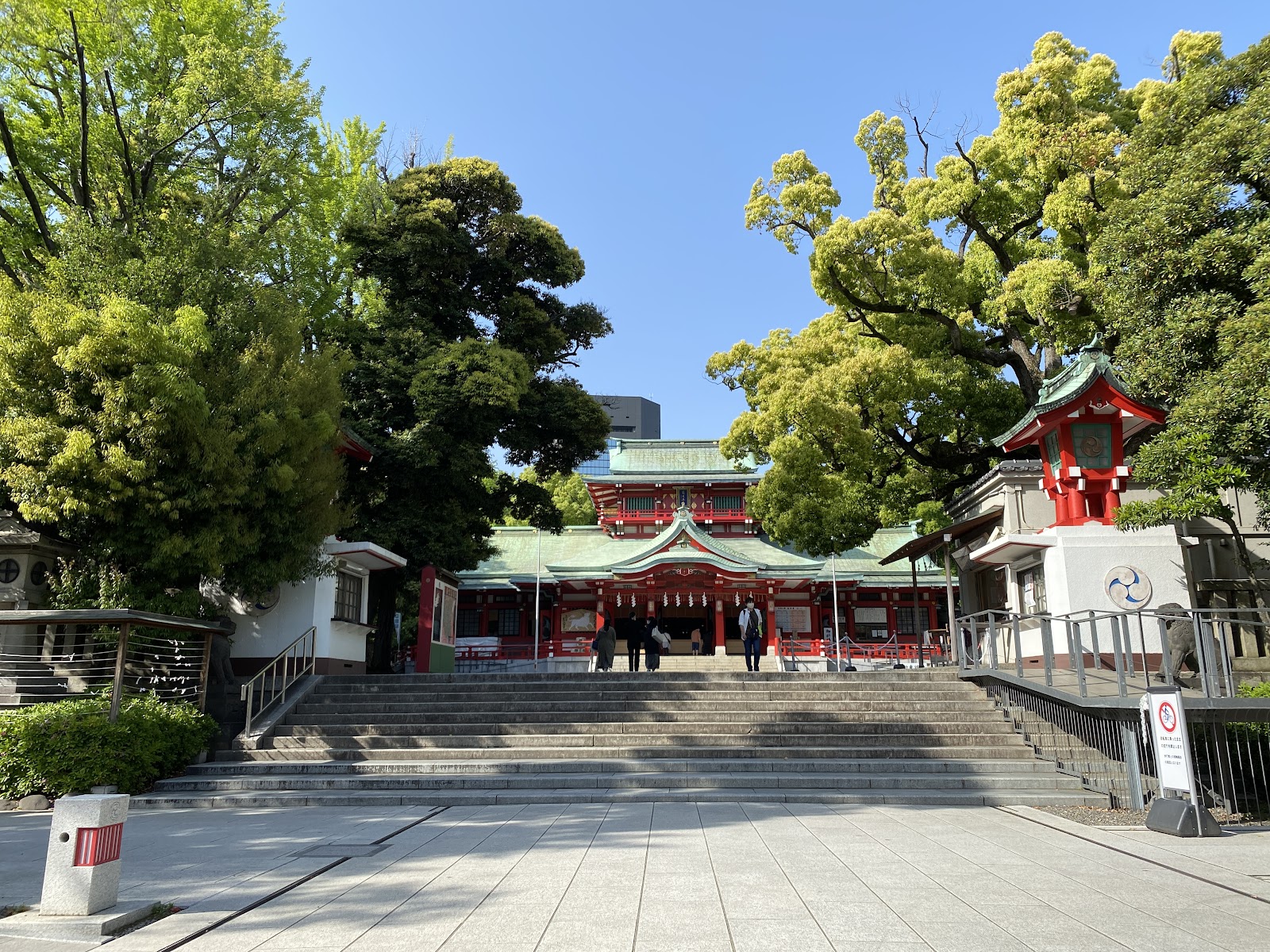
A hilltop shrine in southern Yokohama founded by Minamoto no Yoritomo, long revered as a guardian against tsunami.
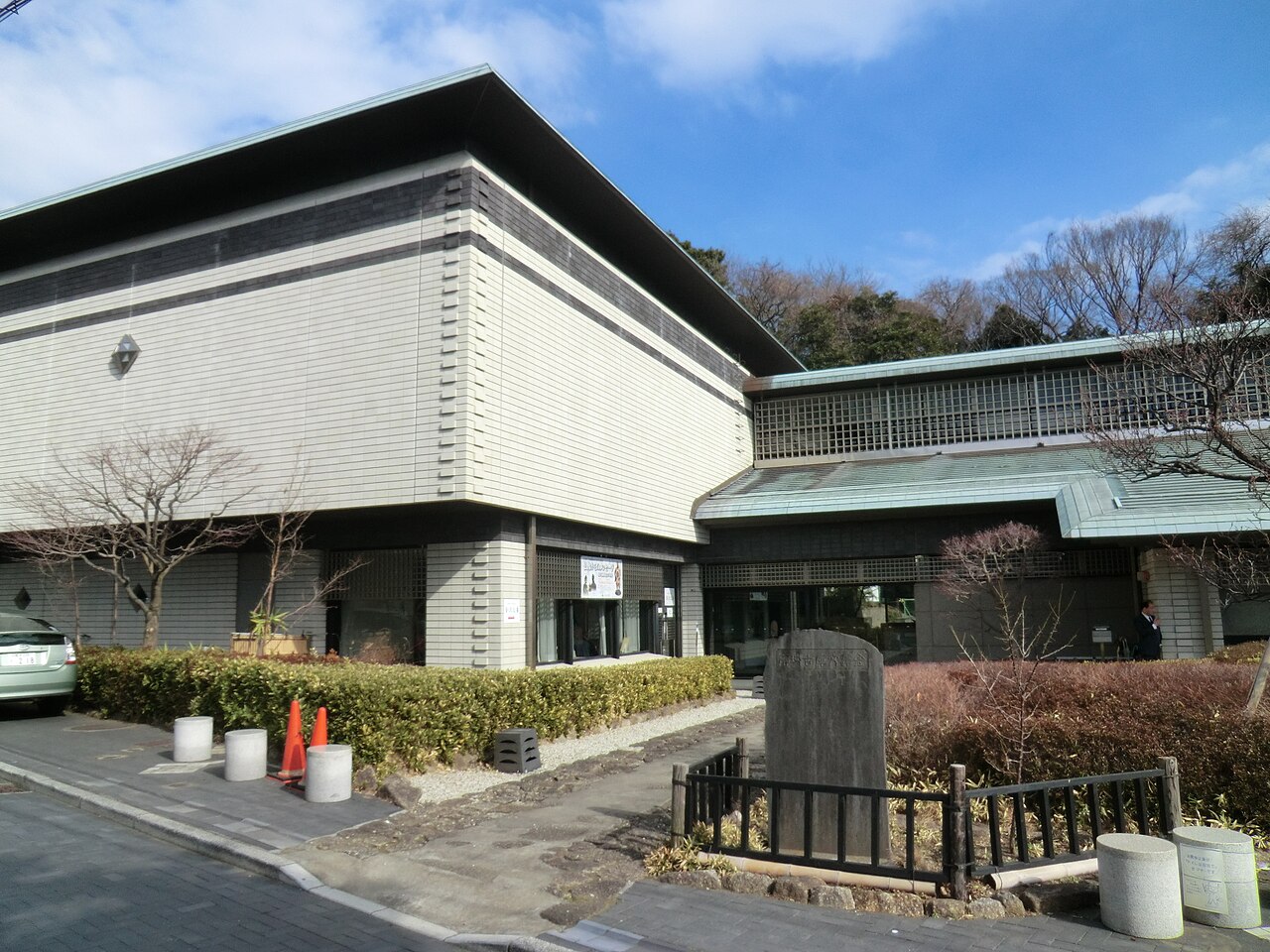
Tomioka Hachimangu is a historic Shinto shrine set on a wooded hill in the Kanazawa ward of southern Yokohama, a peaceful and locally beloved sanctuary with deep roots in the samurai age. Not to be confused with the more famous Tomioka Hachimangu of Fukagawa in Tokyo, this Yokohama shrine has its own distinguished history stretching back over eight centuries, and it rewards visitors who venture to this quieter, seaside corner of the city with genuine heritage, greenery and fine views.
According to tradition, the shrine was founded in 1191 by Minamoto no Yoritomo, the warrior who established Japan's first shogunate at nearby Kamakura and became the country's first shogun. Yoritomo is said to have enshrined the deity Hachiman - the Shinto god of war and the tutelary deity of the Minamoto clan - here to guard the northeastern approaches to his new capital, invoking divine protection for the region. The shrine's location on a hill overlooking the bay was strategically and spiritually significant, and over the centuries it grew into an important center of local worship. Like other Hachiman shrines, it is associated with protection, victory and the wellbeing of the community.
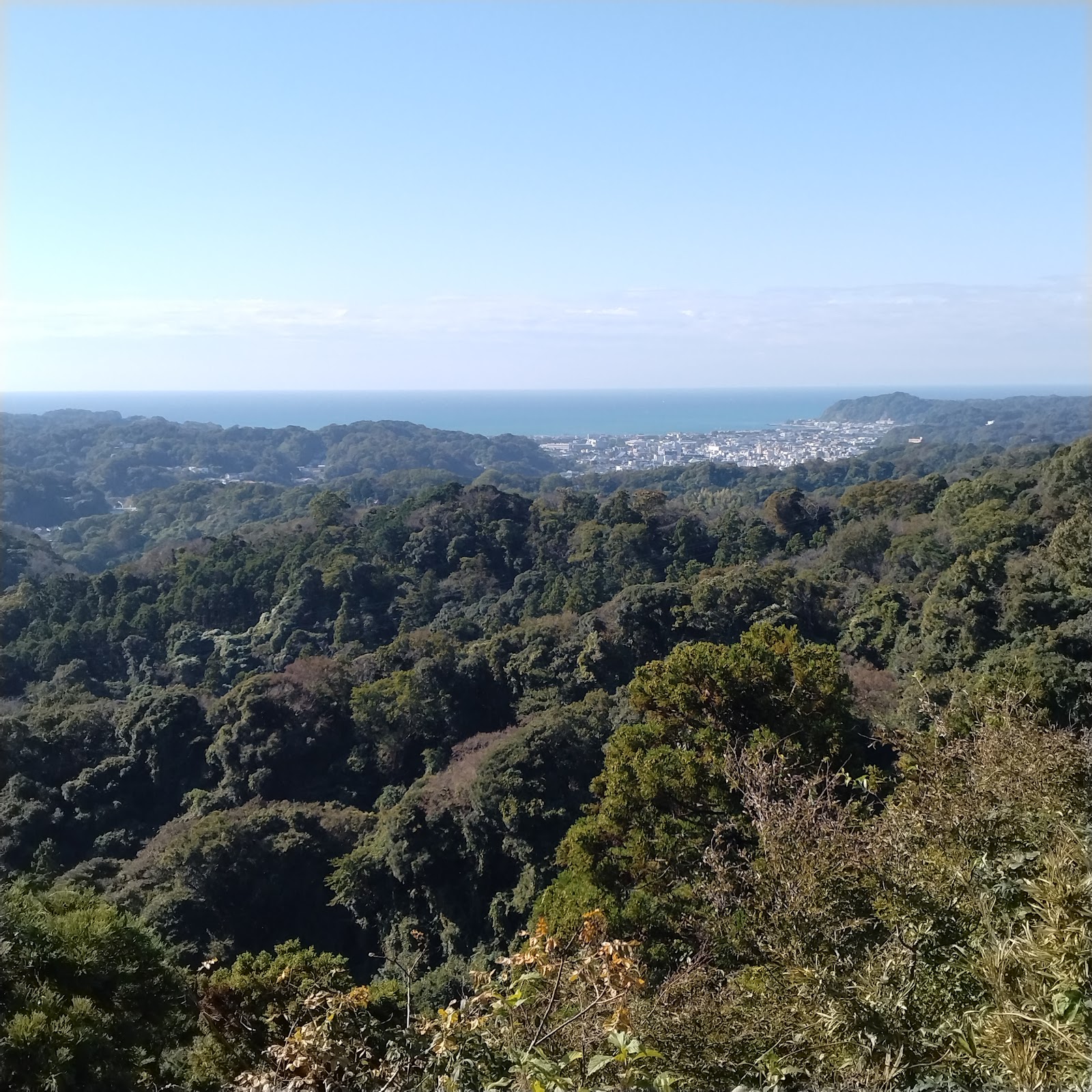
The shrine hill carries a striking local legend: it has long been believed to protect the town below from tsunami. The wooded rise on which the shrine stands, sometimes called the tsunami-protecting forest, is said to have shielded the settlement from destructive waves, and the deity has been thanked and revered for this guardianship through the generations - a poignant reminder of the constant relationship between coastal communities in Japan and the sea. Climbing to the shrine, you sense that protective role in the very landscape: the sacred grove rising above the houses, keeping watch over the shore.
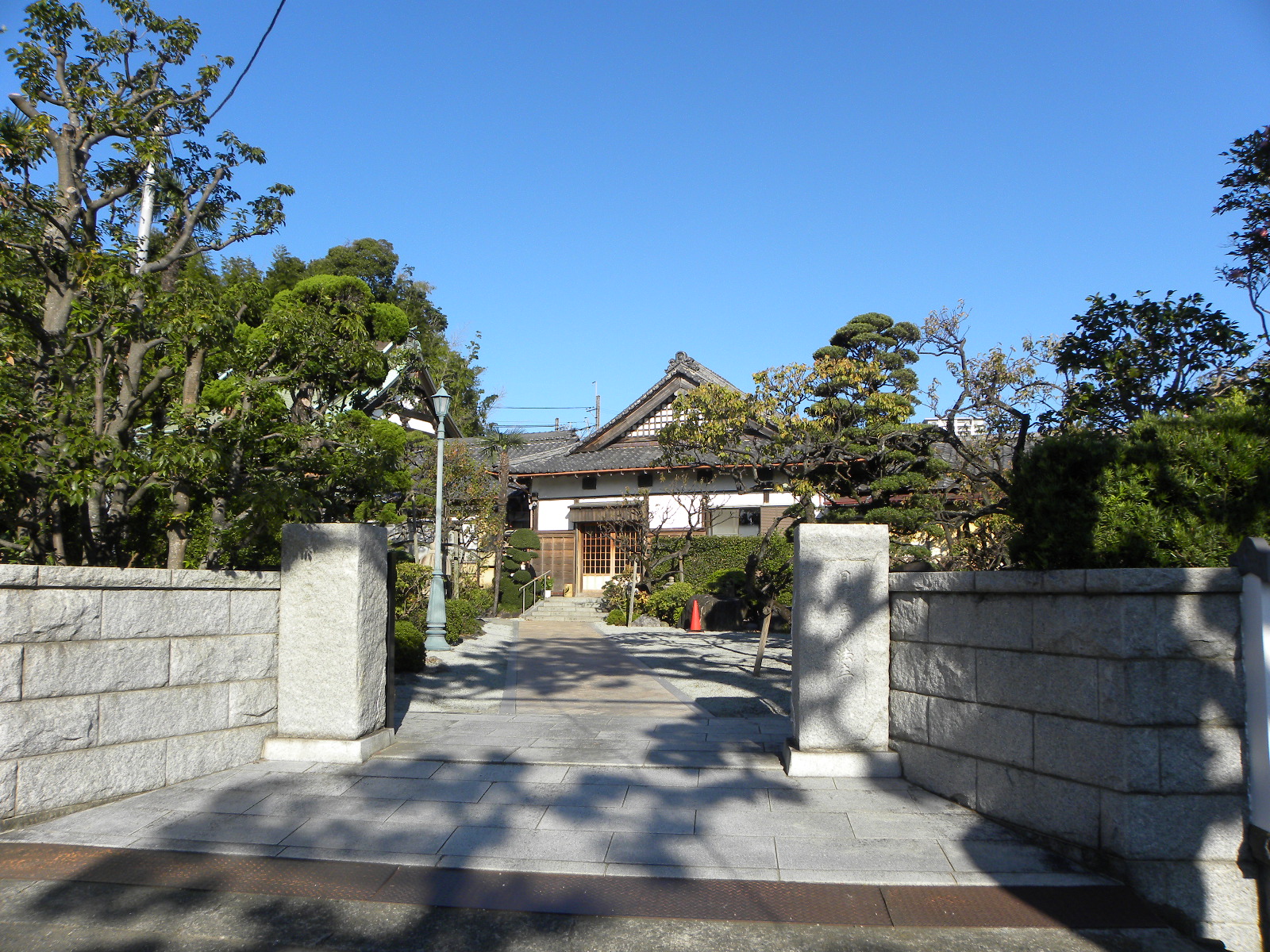
The precinct is quiet and atmospheric, with a traditional main hall, torii gates, stone lanterns and mature trees, and the elevated position offers pleasant glimpses over the surrounding townscape toward the water. In spring the grounds are lovely with cherry blossom and wisteria, and the shrine hosts seasonal festivals that draw the local community, most notably its annual matsuri, when the neighborhood comes alive with portable shrines and celebration.
The visiting experience is short, calm and unhurried - a climb of a few minutes up to the shrine, a moment of prayer at the hall, a look out over the town and bay, and time to appreciate a piece of Yokohama's history that predates the port city by seven hundred years. It is very much a local shrine rather than a tourist attraction, which is precisely its charm: you are likely to share it only with neighborhood worshippers.
Getting there is easy: from Keikyu Tomioka Station on the Keikyu Main Line, it is about an eight-minute walk, the last stretch up the shrine's wooded slope. Admission is free. For travelers exploring the Kanazawa ward - perhaps en route to Shomyoji temple or the Kanazawa seaside - Tomioka Hachimangu offers a quiet, authentic encounter with the age of Yoritomo and the shogunate, and with the enduring folk faith of a community that has trusted this hill to shield it from the sea.
A local's tip
This hill was long believed to shield the town from tsunami - climb it for a quiet view and the sense of a protective spirit over the bay.
Best time to visit
Spring for cherry and wisteria on the shrine hill
Getting there
About an 8-minute walk from Keikyu Tomioka Station in Kanazawa ward, southern Yokohama; the shrine sits on a wooded rise above the town.
Good to know
- Omamori
- Restrooms
- Viewpoint
Plan the whole trip offline
Tomioka Hachimangu Shrine is one of many places in the Real Japan app — with turn-by-turn directions, nearby spots and full offline maps you can use with no signal.