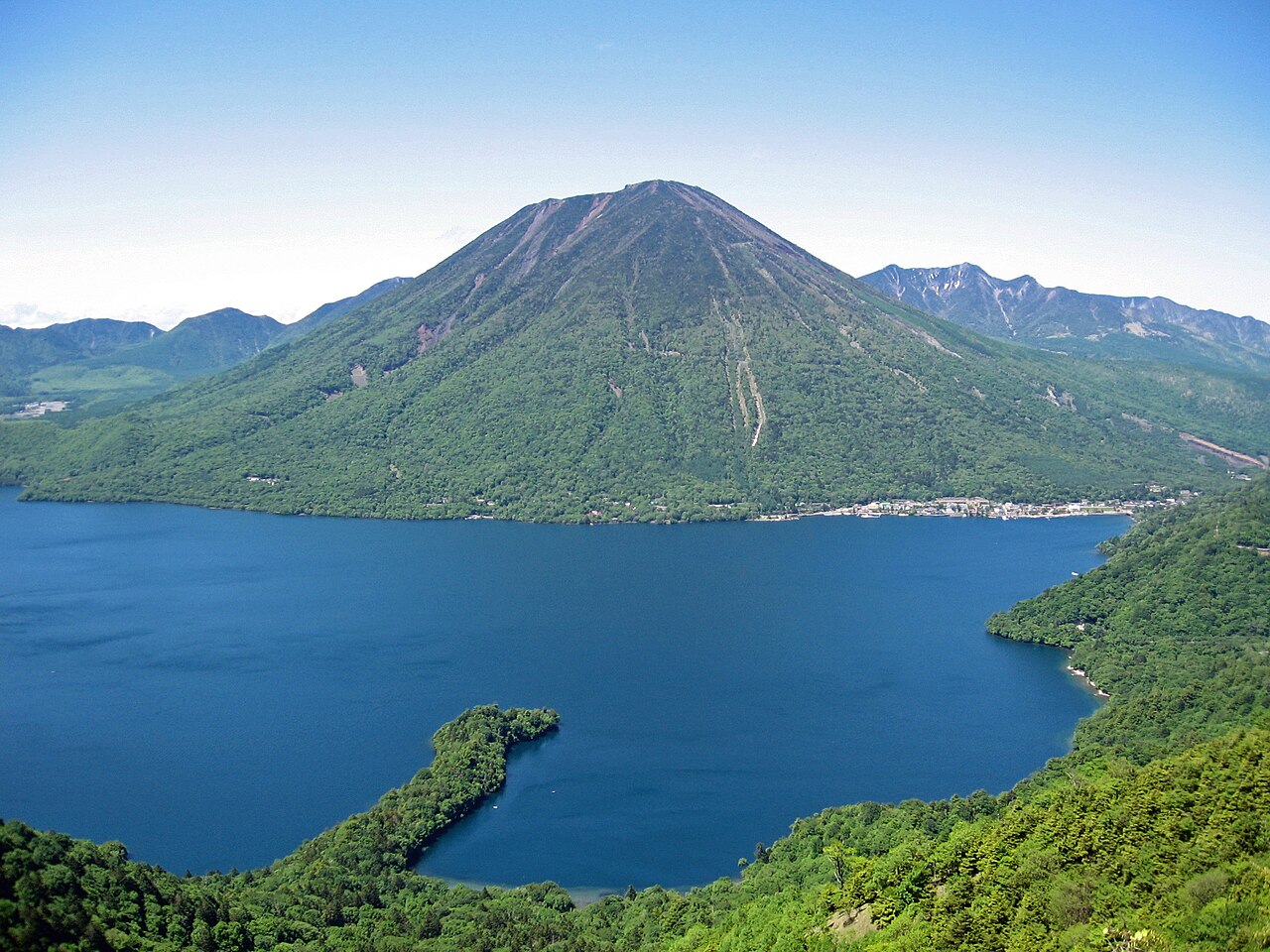
Nikko's sacred 2,486-metre volcano, whose ancient eruption created Lake Chuzenji and Kegon Falls.
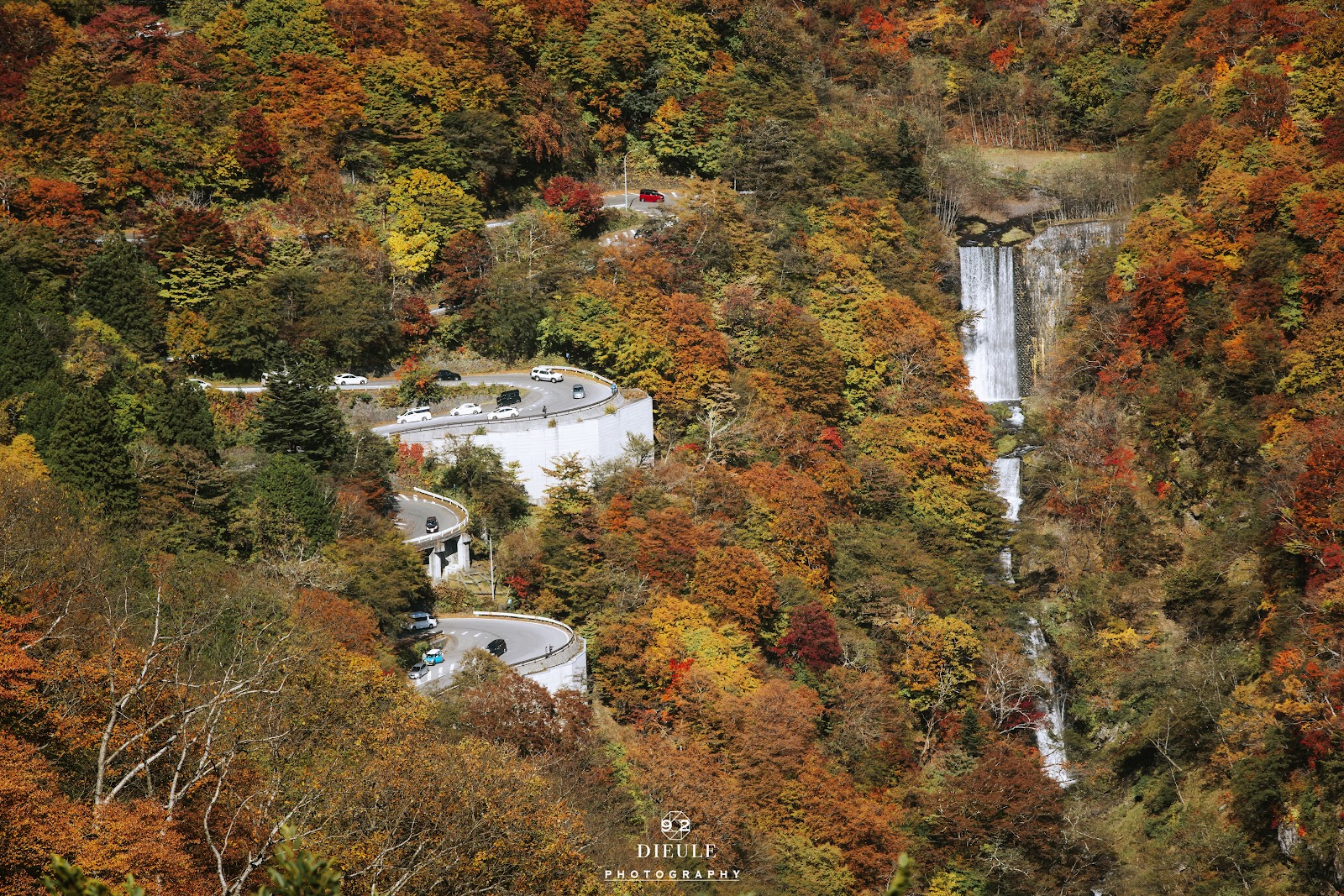
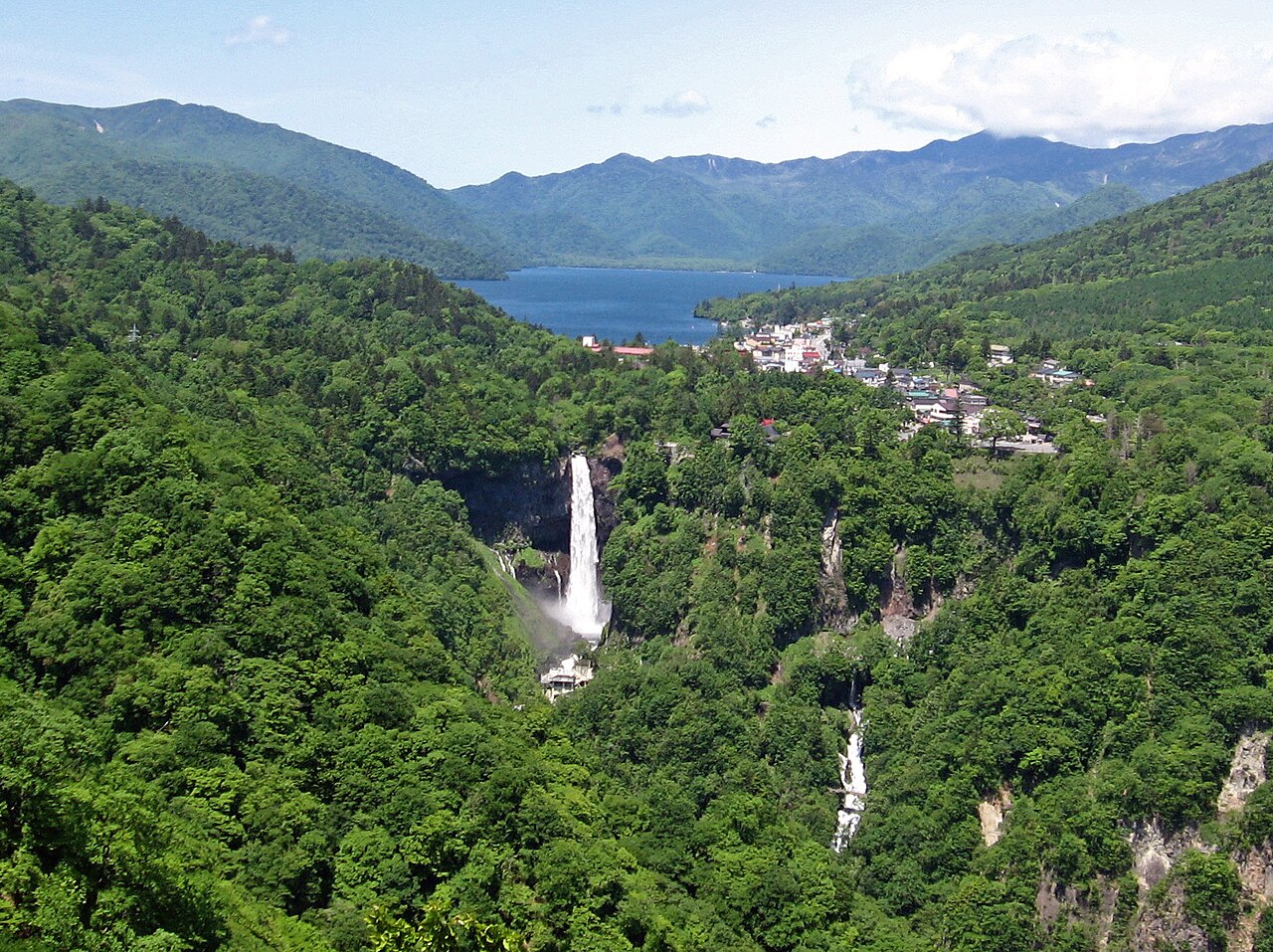
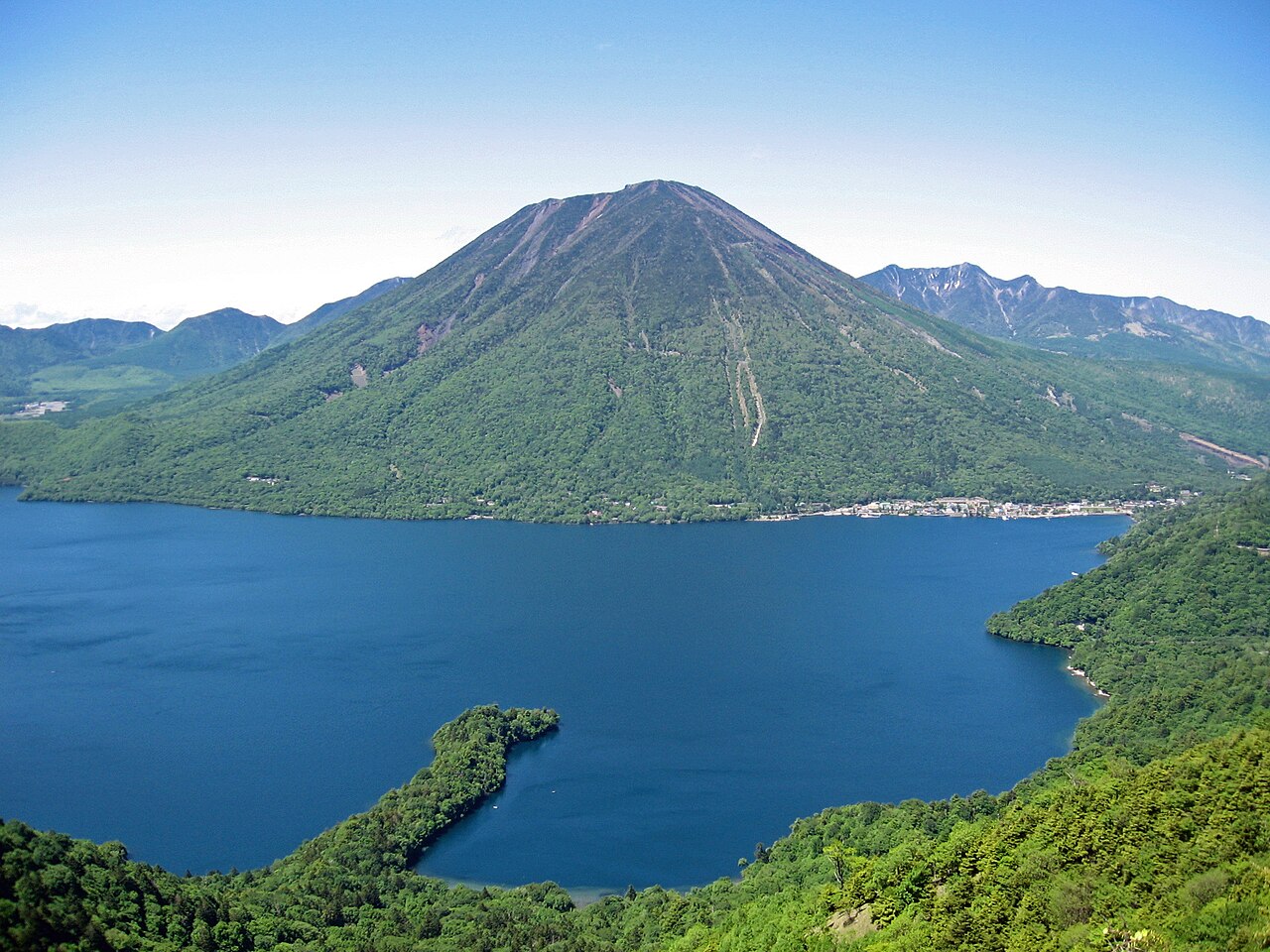
Mount Nantai is the great sacred volcano that towers 2,486 metres over Lake Chuzenji and gives the Okunikko highlands their dramatic shape. Its almost perfectly conical form has earned it the nickname Nikko Fuji, and it is the geological parent of the whole region: an eruption around 20,000 years ago dammed the valley below to create Lake Chuzenji, whose waters in turn spill over the resulting cliff as Kegon Falls. To understand Nikko's landscape is to understand this mountain.
Nantai has been an object of worship for well over a thousand years. It was first climbed by the Buddhist priest Shodo Shonin in the 8th century, and the mountain itself is regarded as the sacred body of a deity - the entire peak is the object of the Futarasan Shrine's veneration. The climb is therefore a pilgrimage as much as a hike. The trail begins at Chugushi Shrine on the northern shore of Lake Chuzenji, where climbers pass through a sacred gate, make a small offering, and enter what is considered holy ground. Small shrines and stone markers line the route, and a shrine stands at the summit.
The ascent is genuinely demanding. Over roughly four hours up, the path climbs steeply and almost without respite, from lakeside forest through changing bands of vegetation to a loose, rocky volcanic upper section of scree and boulders. The reward is a summit panorama that on clear days takes in Lake Chuzenji spread out directly below, the Senjogahara marshland, the surrounding peaks of the Nikko range, and distant mountains including, sometimes, Mount Fuji. A large sacred sword planted at the top marks the shrine's presence.
Because it is holy ground, access is controlled. Climbing is only permitted during the open season, roughly early May to late October, while the shrine gate is unlocked; outside those months and in bad weather the mountain is closed. An annual gate-opening festival in early August draws pilgrims who climb through the night to greet the sunrise. Climbers pay an offering at Chugushi Shrine and should start very early to complete the steep round trip in daylight, carrying proper footwear, layers and water, as high-altitude weather changes fast.
Nantai anchors Nikko National Park and looms over nearly every view in Okunikko. Even for those who do not climb, it is a constant, beautiful presence - reflected in Lake Chuzenji, framing Kegon Falls, and glowing above the autumn colour of Senjogahara. Non-climbers can pay their respects at the lakeside Chugushi Shrine and enjoy the mountain from the water or shore.
To reach the trailhead, take a Tobu bus from Tobu-Nikko Station bound for Chuzenji Onsen, about 50 minutes up the Irohazaka road, and alight near Chugushi Shrine on the lake's north shore. Confirm the climbing season and daily cut-off times before setting out, and treat the mountain with the respect its sacred status deserves.
A local's tip
The climb is only permitted while the shrine gate is open, roughly May to late October - start before 6 am, as the trail is relentlessly steep and you want to summit and descend the loose upper scree in daylight.
Best time to visit
May to October climbing season; the official gate-opening festival is in early August
Getting there
Take a Tobu bus from Tobu-Nikko Station bound for Chuzenji Onsen (about 50 minutes) and alight near Chugushi Shrine on the north shore of Lake Chuzenji, where the sacred trailhead begins.
Good to know
- Shrine
- Parking
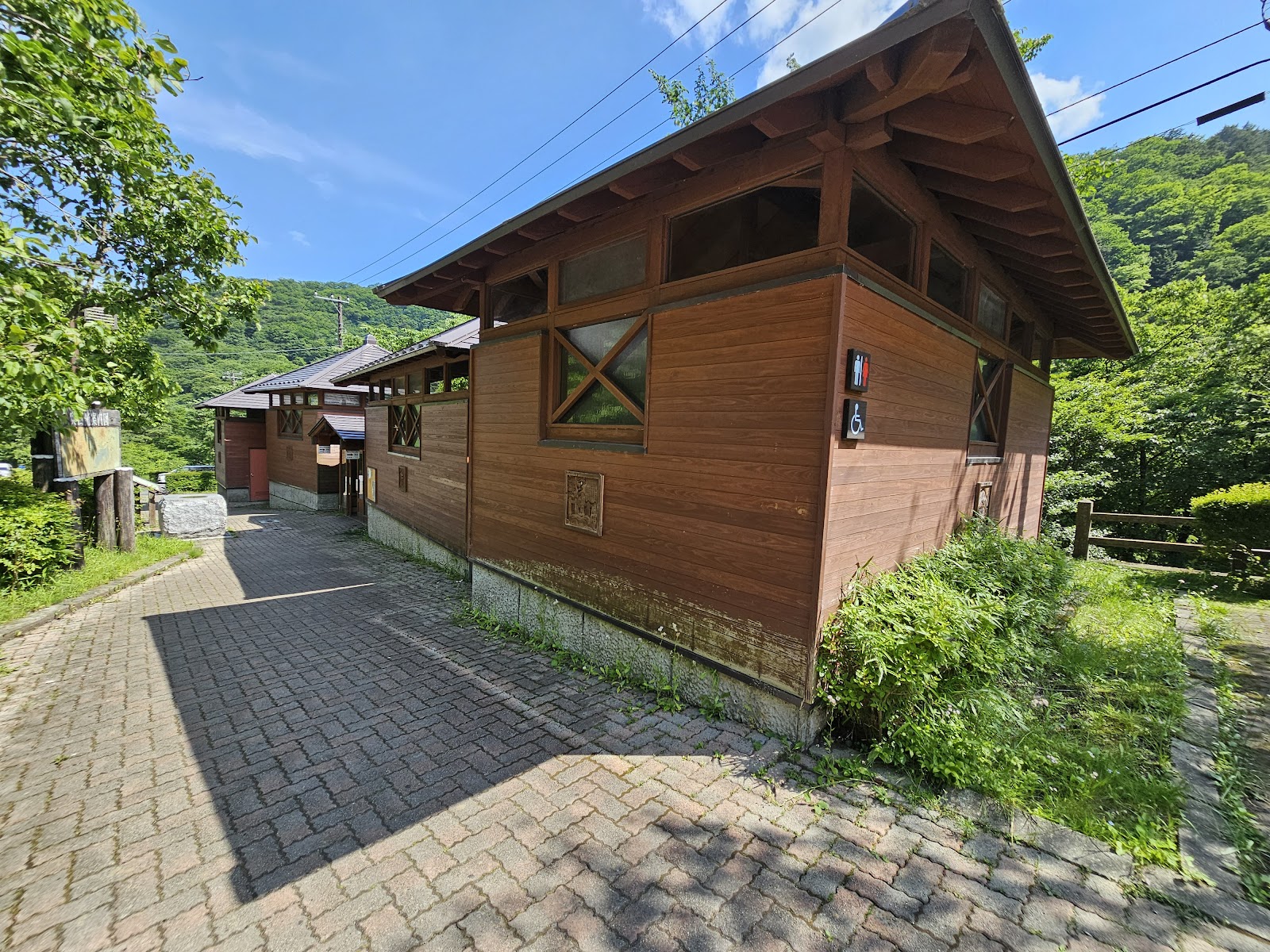
- Restrooms
Plan the whole trip offline
Mount Nantai is one of many places in the Real Japan app — with turn-by-turn directions, nearby spots and full offline maps you can use with no signal.