A 1,212 m peak on the Hakone crater rim, famous for the Kintaro legend and a head-on view of Mount Fuji.
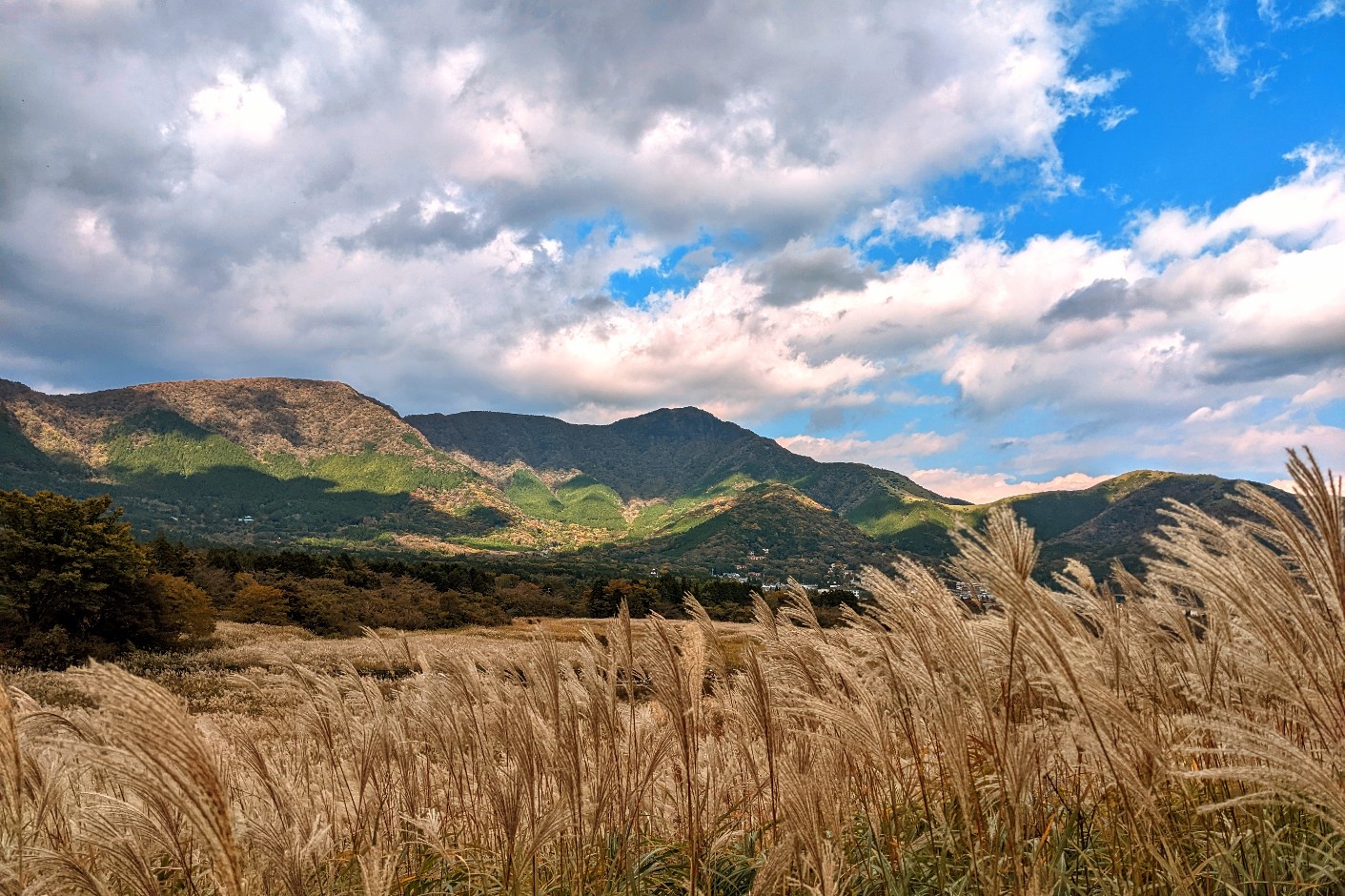
Rising to 1,212 metres on the northern rim of the Hakone caldera, Mount Kintoki (Kintokiyama) is the most popular hike in the region and one of Japan's celebrated Three Hundred Famous Mountains. Its fame rests on two things: a superb, almost head-on view of Mount Fuji from the summit, and its deep connection to one of Japan's best-loved folk tales.
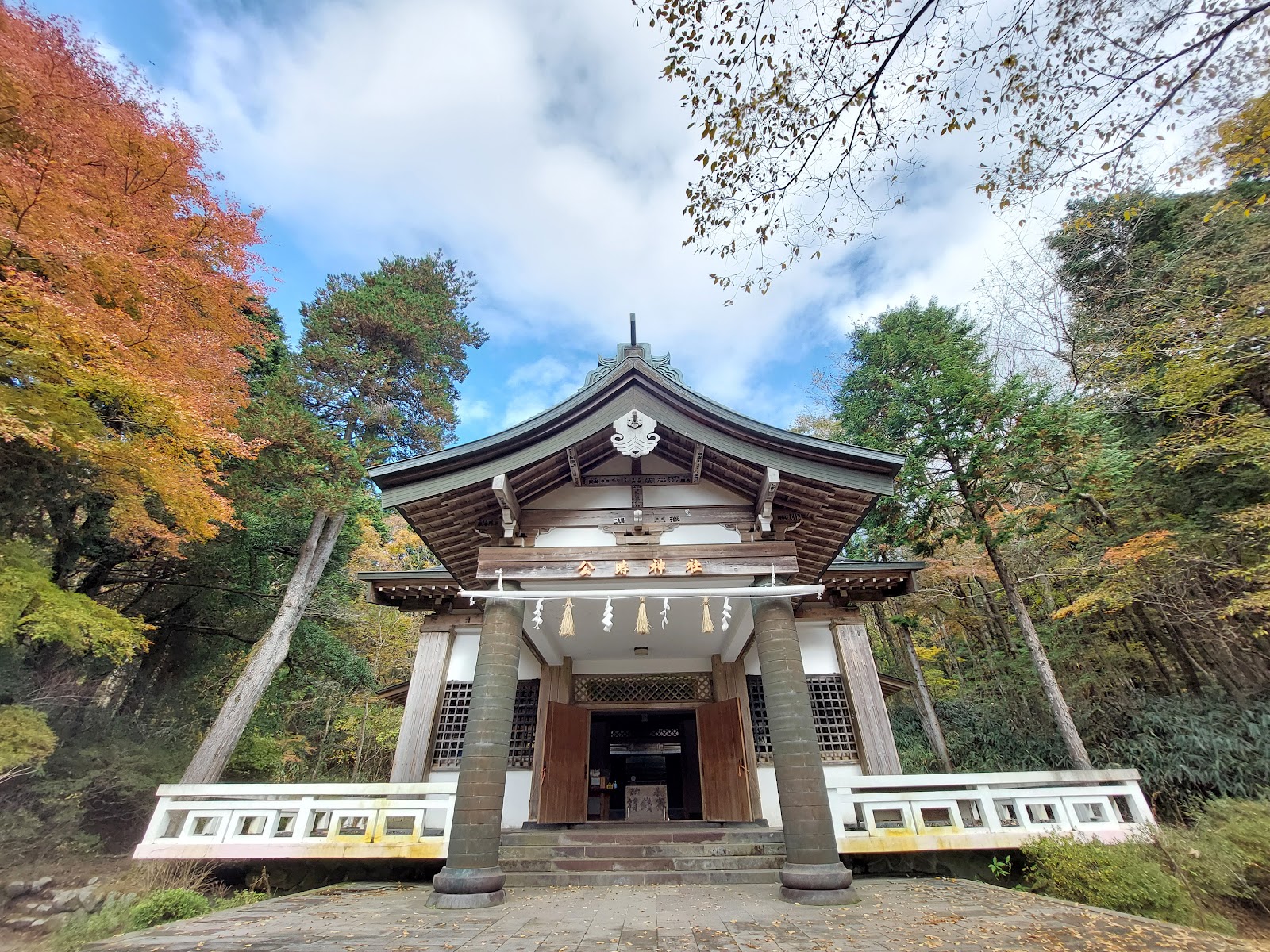
The mountain is named for Sakata no Kintoki, who according to legend was raised on these slopes as the wild, superhumanly strong boy Kintaro - often pictured wrestling bears and playing among the animals - before growing up to become a loyal retainer of the Heian-period warrior Minamoto no Yorimitsu. The story of Kintaro is known to every Japanese child, and the mountain leans into it: about thirty minutes up the main trail you pass Kintoki-yadori-ishi, a huge boulder split cleanly in two, said to mark where Kintaro and his mother once sheltered in a cave beneath a similar cracked rock. A small shrine to Kintoki stands at the trailhead.
What keeps hikers coming, though, is the summit view. Kintoki sits directly across from Mount Fuji with little in between, so on a clear day the great volcano fills the southwestern horizon, with Lake Ashi, the Sengokuhara highlands and the Owakudani steam vents laid out below. The peak is broad and open, and it is crowned by two rustic teahouses - a rare luxury on a Japanese summit - where you can buy a hot bowl of nameko mushroom soup and warm up while you take in the panorama. Autumn and winter mornings, when the cold air is clearest, give the sharpest Fuji.
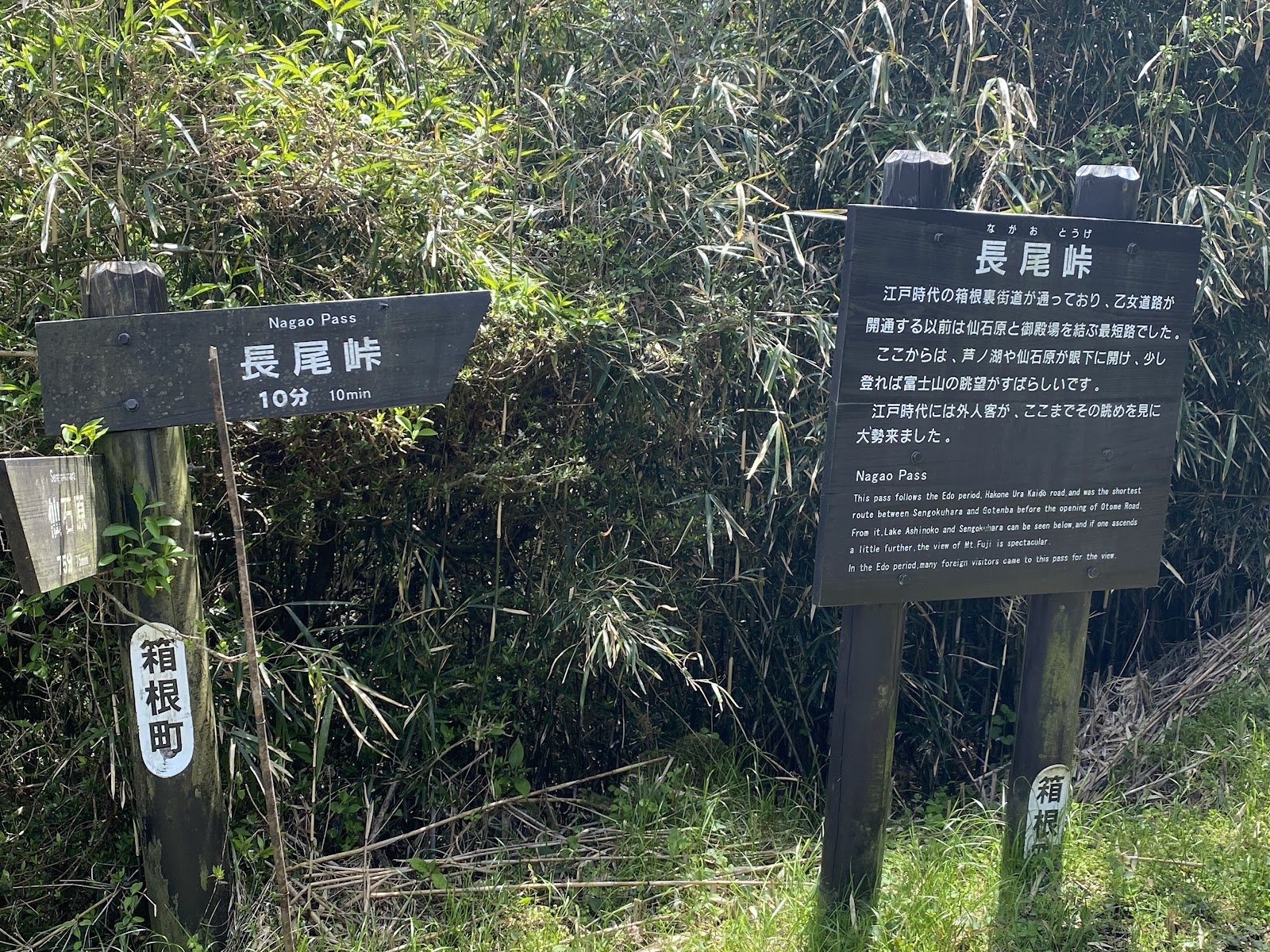
The climb is very manageable, which is a large part of the appeal. The standard route starts from the Kintoki Shrine entrance on the Sengokuhara side, where there is a free car park and a bus stop, and the round trip takes only about three hours. It is a genuine mountain trail - rooty, rocky and steep in its upper reaches, with some scrambling near the top - so proper footwear and care are needed, but no technical skill, and the modest time commitment means many people climb it on the spur of the moment. An alternative approach comes up from the Kintoki-jinja or Otome-toge pass side, and ridge routes link Kintoki to the neighbouring peaks of Myojingatake and Myojogatake for a longer traverse along the old crater rim.
Because it is open mountain there is no fee and no fixed hours, but it is very much a daylight outing: allow enough time to be down well before dark, carry water and a layer against the exposed summit wind, and check the forecast, since the whole point of the hike evaporates when cloud swallows Fuji. Spring brings fresh green and mountain cherries, autumn colours the slopes, and winter can leave frost or light snow near the top.
Getting to the trailhead is easy without a car. Hakone Tozan and Odakyu Hakone buses running between Hakone-Yumoto, Sengokuhara and Gotemba stop at the Kintoki-jinja-iriguchi stop, a few minutes from where the path begins, and IC cards are accepted. As with all Hakone transport the buses are Odakyu-operated and not covered by the Japan Rail Pass.
A local's tip
Start early from the Kintoki Shrine trailhead and reward the climb with a bowl of nameko mushroom soup at the summit teahouse while Mount Fuji fills the view straight ahead.
Best time to visit
Clear autumn and winter mornings for the sharpest Mount Fuji views
Getting there
From Hakone-Yumoto or Gotemba take a bus toward Sengokuhara and alight at the Kintoki-jinja-iriguchi (Kintoki Shrine entrance) stop, where the main trail begins beside a small shrine and free car park.
Good to know
- Restrooms
- Free parking
- Summit teahouses
Plan the whole trip offline
Mount Kintoki is one of many places in the Real Japan app — with turn-by-turn directions, nearby spots and full offline maps you can use with no signal.