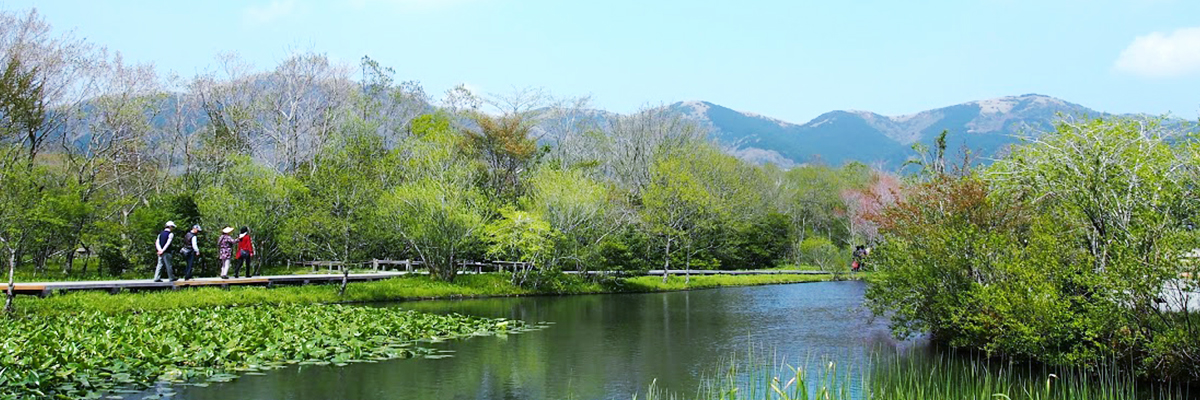
A specialist wetland garden on the Sengokuhara highlands protecting some 1,700 species of marsh and alpine plants.
The Hakone Botanical Garden of Wetlands is a rare and quietly absorbing place: Japan's only botanical garden devoted specifically to wetland plants. It was established in 1976 on the Sengokuhara highlands, at around 650 metres above sea level, partly to protect the fragile flora of the adjacent Sengokuhara Marsh - the only natural marshland in the whole of Kanagawa Prefecture. The land here was once poor rice paddies, irrigated from the nearby Haya River but too permanently waterlogged to farm well, and rather than drain it the authorities turned it into a living collection of the plants that thrive in exactly those conditions.
The garden gathers roughly 1,700 species across its grounds. Around 200 are true wetland plants collected from bogs, riversides, lakes and alpine marshes the length of Japan, from lowland swamps to high mountain moors, while a further 1,100 or so grassland, woodland and alpine species fill the surrounding beds, alongside a selection of rare foreign wildflowers. The result is a garden that changes almost week to week: the Japanese iris beds open the main season in late June, followed through high summer by lilies, bellflowers, veronica and the marsh species, with cotton grass, gentians and autumn colour rounding out the year before the garden closes for winter.
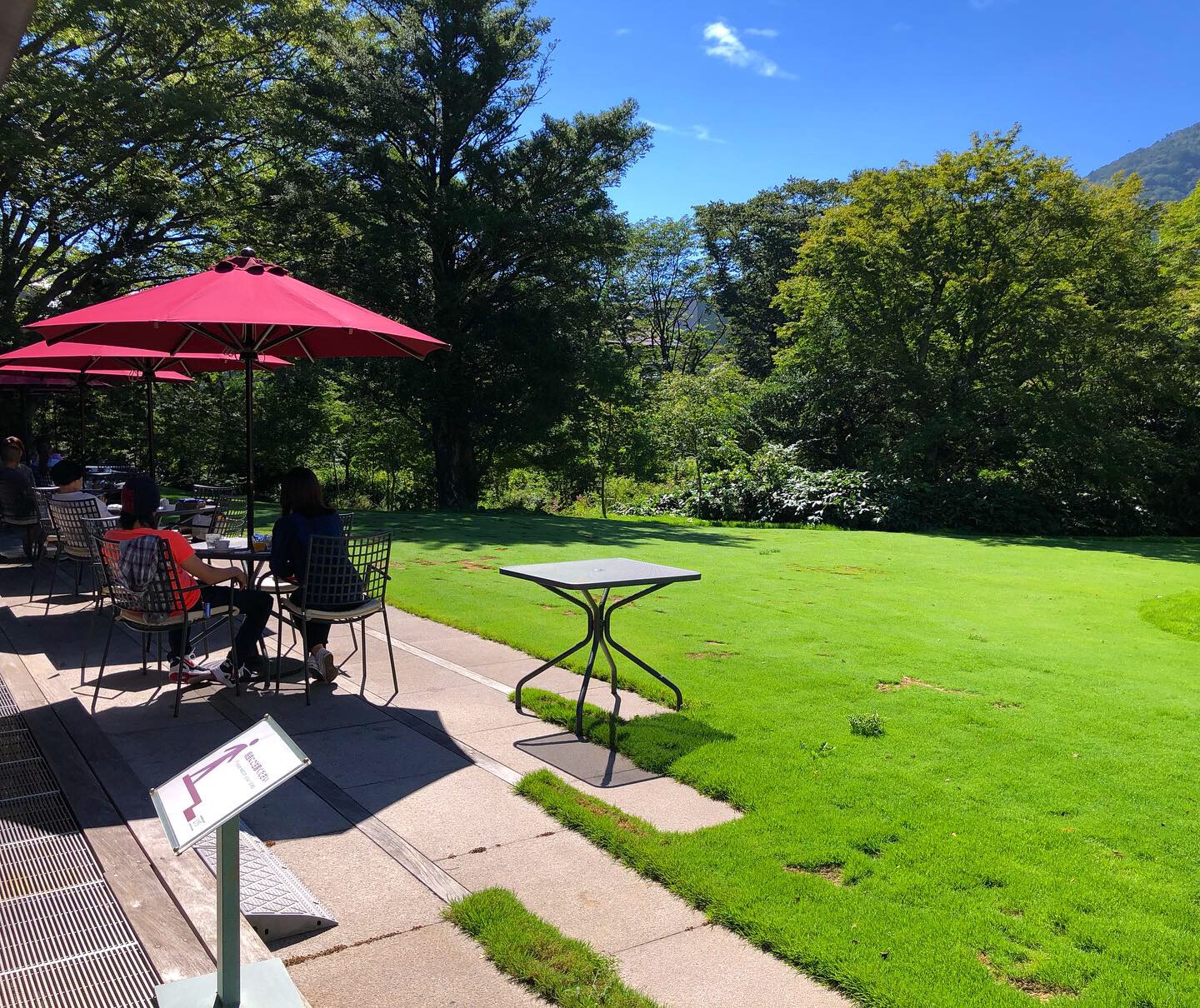
Raised wooden boardwalks are the key to the visit. They carry you directly out over the marsh and between the planted beds without disturbing the waterlogged ground, so you can look closely at plants that are usually impossible to reach - skunk cabbage pushing up in spring, dragonflies working the still water in summer, the marsh grasses turning gold in October. Interpretive signage identifies the collections, and because the paths are flat and largely boarded the garden is easy going for families, older visitors and anyone who has spent the day climbing Hakone's steeper trails.
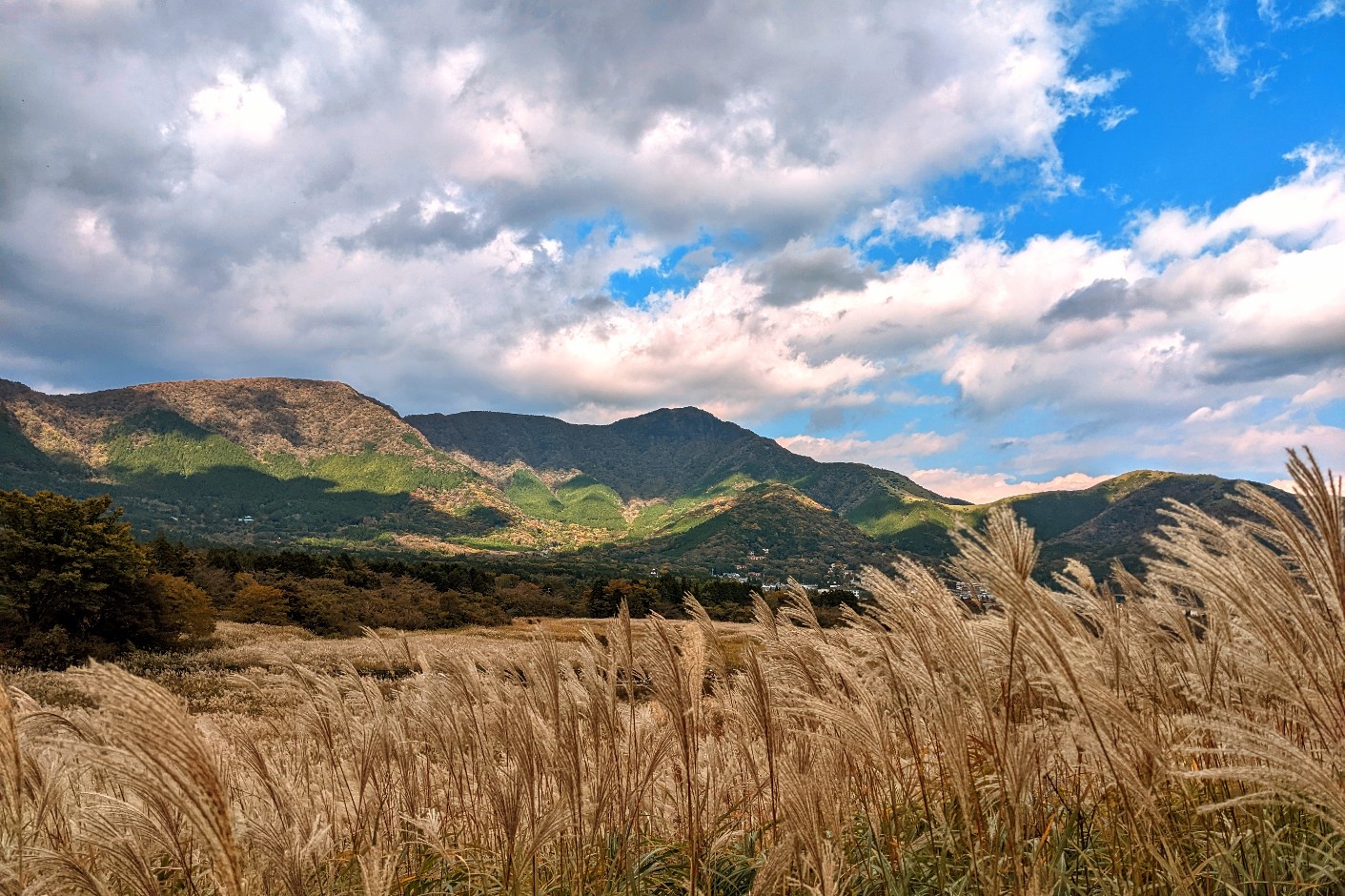
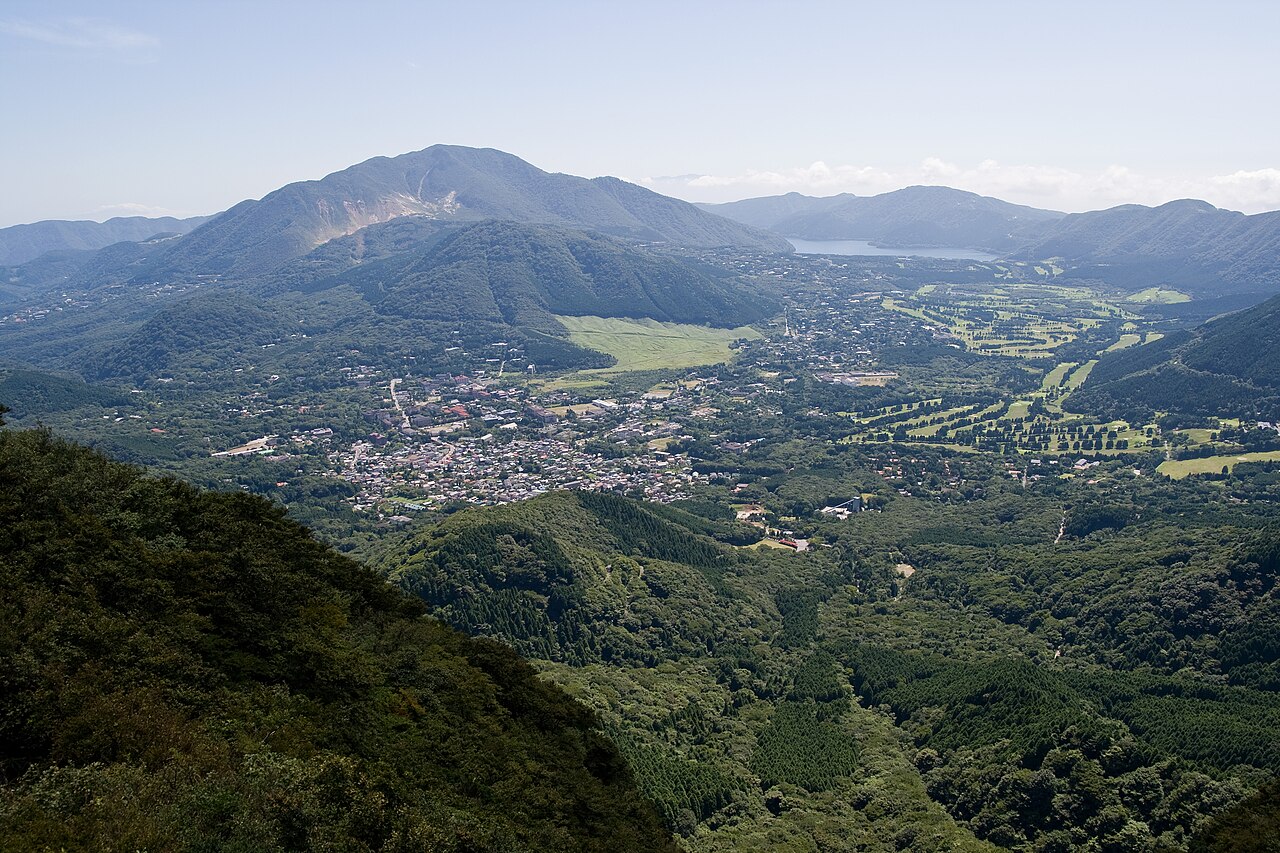
Its setting adds to the appeal. Sengokuhara is the coolest, most open part of Hakone, a broad highland basin ringed by the outer-crater peaks, and the botanical garden sits within the Fuji-Hakone-Izu National Park just a short walk from the famous Sengokuhara pampas-grass slopes. That makes it an easy pairing - the marsh garden and the silver grassland are barely a few hundred metres apart - and together they show the gentler, less-visited northern face of Hakone, away from the ropeway crowds.
A visit takes about an hour at an unhurried pace, longer if you are a keen botanist or photographer stopping at every bed. The garden is deliberately seasonal: it opens from around March through late November and closes entirely for the cold months, usually December to mid-March, when the highland freezes and little is in flower, so it is worth checking the calendar before making the trip up. Peak bloom is generally late June to July.
Getting there is straightforward. Hakone Tozan buses running between Hakone-Yumoto, Gora and Togendai stop at Shisseikaen-mae, right in front of the entrance, and IC cards are accepted. As elsewhere in the region the buses are Odakyu-operated and not covered by the Japan Rail Pass, so the Hakone Freepass is the practical ticket for linking the garden with the pampas fields, the ropeway and the rest of a Sengokuhara loop.
A local's tip
Go in late June when the Japanese iris beds and the adjoining Sengokuhara Marsh peak together - it is the only true marshland in Kanagawa Prefecture and the boardwalk lets you stand right in it.
Best time to visit
Late June for Japanese iris; July for alpine and marsh wildflowers
Getting there
From Hakone-Yumoto or Gora take a Hakone Tozan Bus toward Sengokuhara and alight at Shisseikaen-mae; the entrance is right at the stop. Closed in winter, typically December to mid-March.
Good to know
- Gift shop
- Restrooms
- Boardwalks
- Wheelchair access
Plan the whole trip offline
Hakone Botanical Garden of Wetlands is one of many places in the Real Japan app — with turn-by-turn directions, nearby spots and full offline maps you can use with no signal.