1,500 dazzling works by glass and jewellery master René Lalique, plus tea in a real Orient Express carriage.
The Lalique Museum Hakone, opened in 2005 in the highland meadows of Sengokuhara, is devoted to a single luminous obsession: the glass and jewellery of René Lalique (1860–1945), the French genius who defined two design eras. Its collection of more than 1,500 pieces is one of the largest Lalique holdings anywhere, and it turns the Frenchman's shimmering output into an unexpectedly moving story of a career.
Lalique first made his name in the Art Nouveau period as a jeweller of astonishing imagination, setting enamel, horn, gemstones and glass into brooches and pendants shaped like insects, nymphs and flowers. The museum's jewellery room — home to some 230 precious pieces, including celebrated works such as the 'Butterfly Nymph' brooch — is a highlight, displayed like the treasury it is. In mid-life Lalique reinvented himself for the Art Deco age as a master of moulded glass, producing the vases, car mascots, perfume bottles, tableware and lighting that made his name a byword for luxury. The galleries trace this full arc, from delicate jewelled fantasies to the cool geometry of Deco glass, and even reconstruct opulent interior panels he designed for luxury liners and trains.
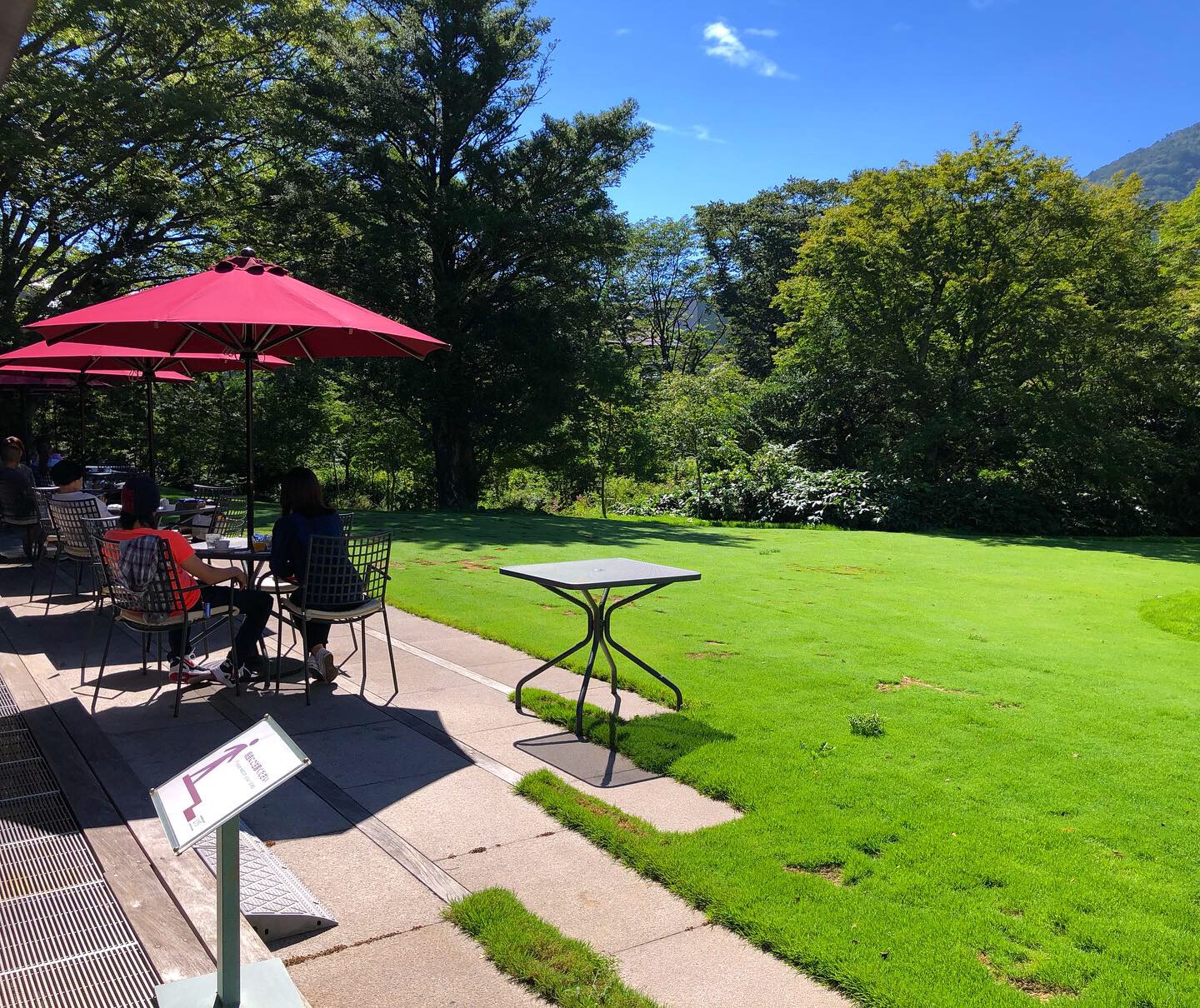
The museum's showpiece sits outside the galleries: 'Le Train', an actual 1929 carriage from the legendary Orient Express, its interior fitted with Lalique glass panels. For a separate charge you can take afternoon tea inside this restored carriage, an experience so popular it must be booked ahead. Even visitors who skip the galleries can wander the landscaped grounds, browse the excellent shop of Lalique-inspired glass and gifts, and eat at the restaurant or café for free — the ticket gate only guards the collection itself.
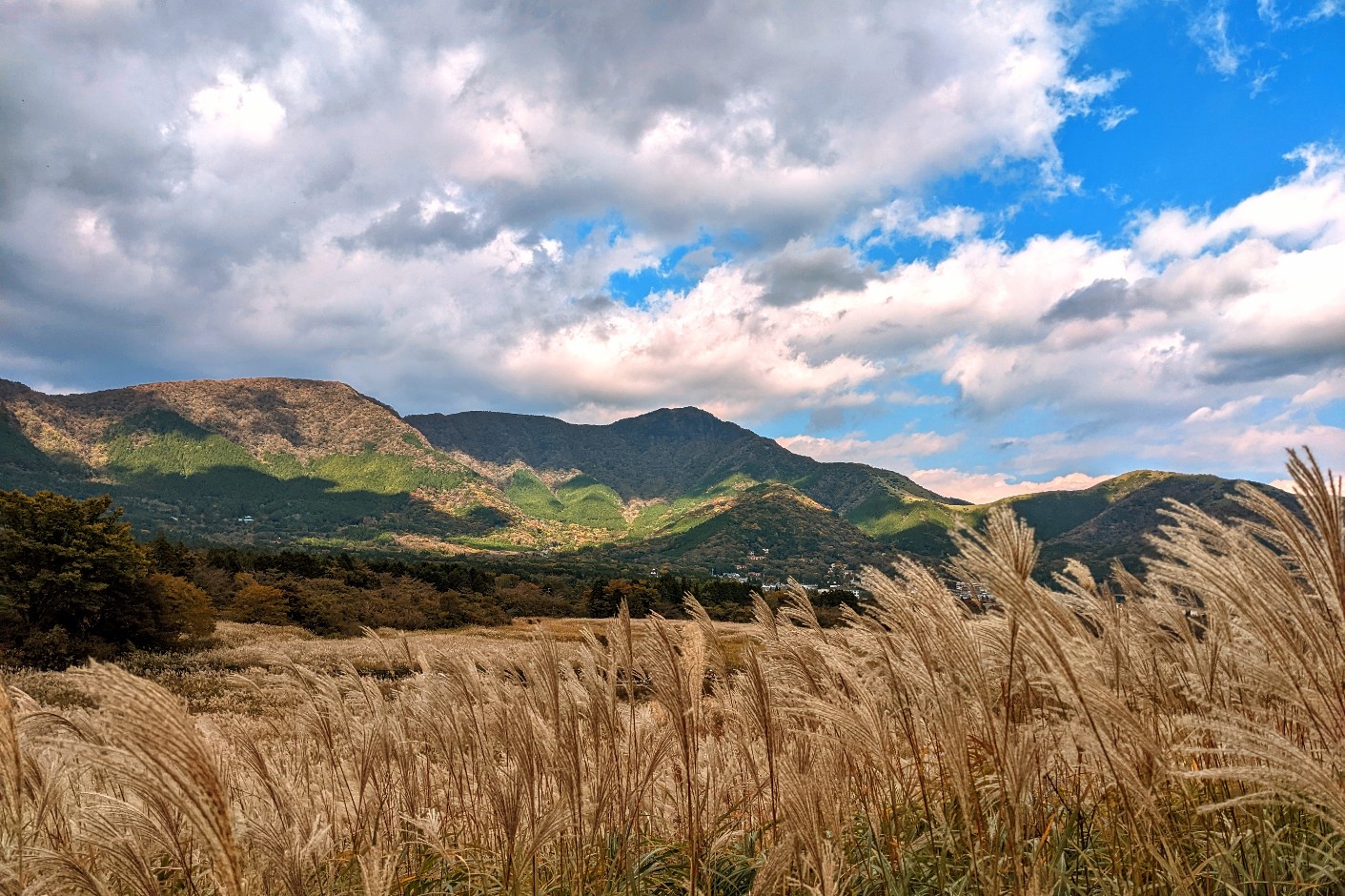
The visiting experience is polished and relaxed. The single-level galleries are easy to navigate and accessible, the labelling explains Lalique's techniques clearly, and the intimate scale means you can linger over individual pieces without a crowd pressing behind you. The Sengokuhara setting — open, breezy and green in summer, framed by autumn colour later — makes the grounds a pleasure in their own right.
There is no single 'best' season, since the collection is indoors, which makes this a dependable choice on a rainy or cold Hakone day; but pairing a visit with the nearby Pola Museum and the Venetian Glass Museum makes for a superb full-day art crawl through Sengokuhara. Do reserve the Orient Express tea well in advance if it appeals.
To get there, take the Hakone Tozan Bus from Hakone-Yumoto or Gōra toward Sengokuhara and Togendai and alight at 'Sengoku Annaijo-mae', a two-minute walk from the entrance; it is roughly 25 minutes by bus from Yumoto. Hakone's buses and trains belong to the Odakyu and Hakone Tozan network rather than JR, so a Japan Rail Pass will not help here — the Hakone Freepass covers the buses and is the better value for museum-hopping.
A local's tip
Reserve a seat for afternoon tea inside the restored 1929 Orient Express carriage 'Le Train' — it sells out, and the museum's grounds, shop and restaurant are free to enter even without a gallery ticket.
Best time to visit
Any season; book the Orient Express tea in advance
Getting there
From Gōra or Hakone-Yumoto take the Hakone Tozan Bus toward Sengokuhara/Togendai and get off at 'Sengoku Annaijo-mae', a couple of minutes' walk away. Roughly 25 minutes by bus from Yumoto.
Good to know
- Cafe
- Shop
- Restrooms
- Restaurant
- Orient Express Carriage
Plan the whole trip offline
Lalique Museum Hakone is one of many places in the Real Japan app — with turn-by-turn directions, nearby spots and full offline maps you can use with no signal.