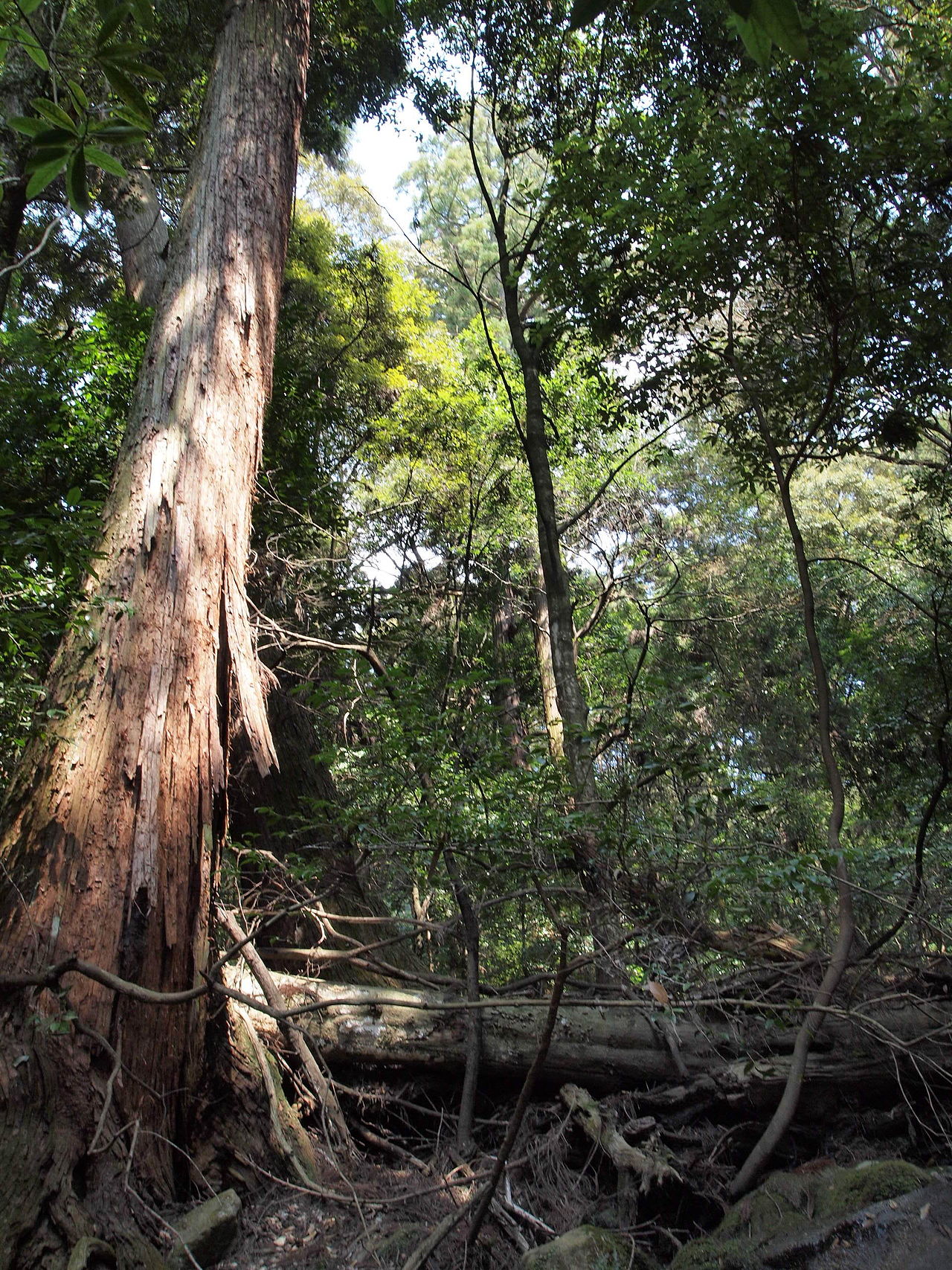
A UNESCO-listed ancient forest behind Kasuga Taisha, protected as sacred and untouched for over a thousand years.
The Kasugayama Primeval Forest is a rare survival: nearly 300 hectares of woodland on the mountains behind Kasuga Taisha shrine that have been protected from logging, hunting and clearing since the year 841. Declared off-limits as sacred ground associated with the shrine's mountain deity, the forest has been left largely untouched for more than eleven centuries, and it is this extraordinary continuity that earned it protection as a Special Natural Monument and inclusion in the UNESCO World Heritage listing of the Historic Monuments of Ancient Nara.
What makes the forest scientifically remarkable is that it preserves the kind of warm-temperate evergreen woodland that once covered much of lowland western Japan but has almost entirely vanished elsewhere. Towering evergreen oaks, laurels, camphor and giant cedars form a dense canopy, while the humid understorey supports an unusually rich community of ferns, mosses and fungi. Botanists have recorded many hundreds of plant species here, some found in few other places, and the forest functions as a living reference for what the natural vegetation of the region looked like before human settlement transformed it.
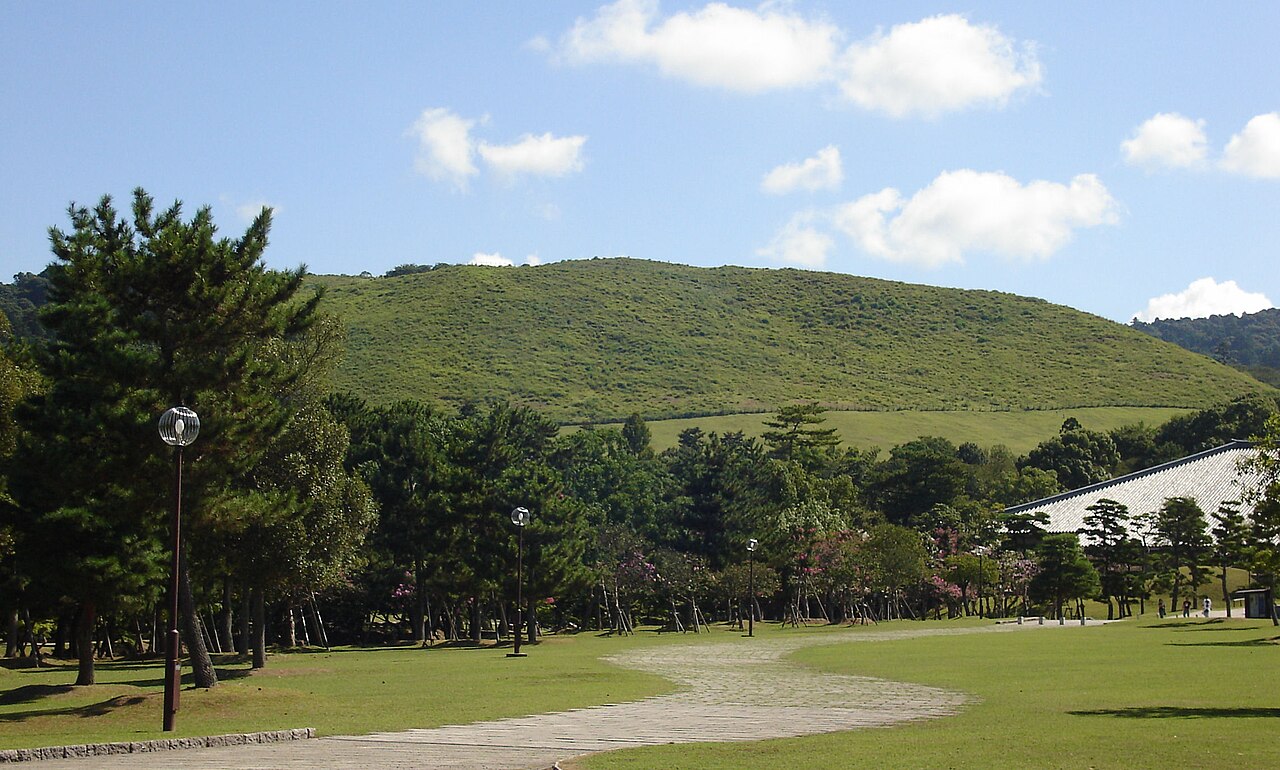
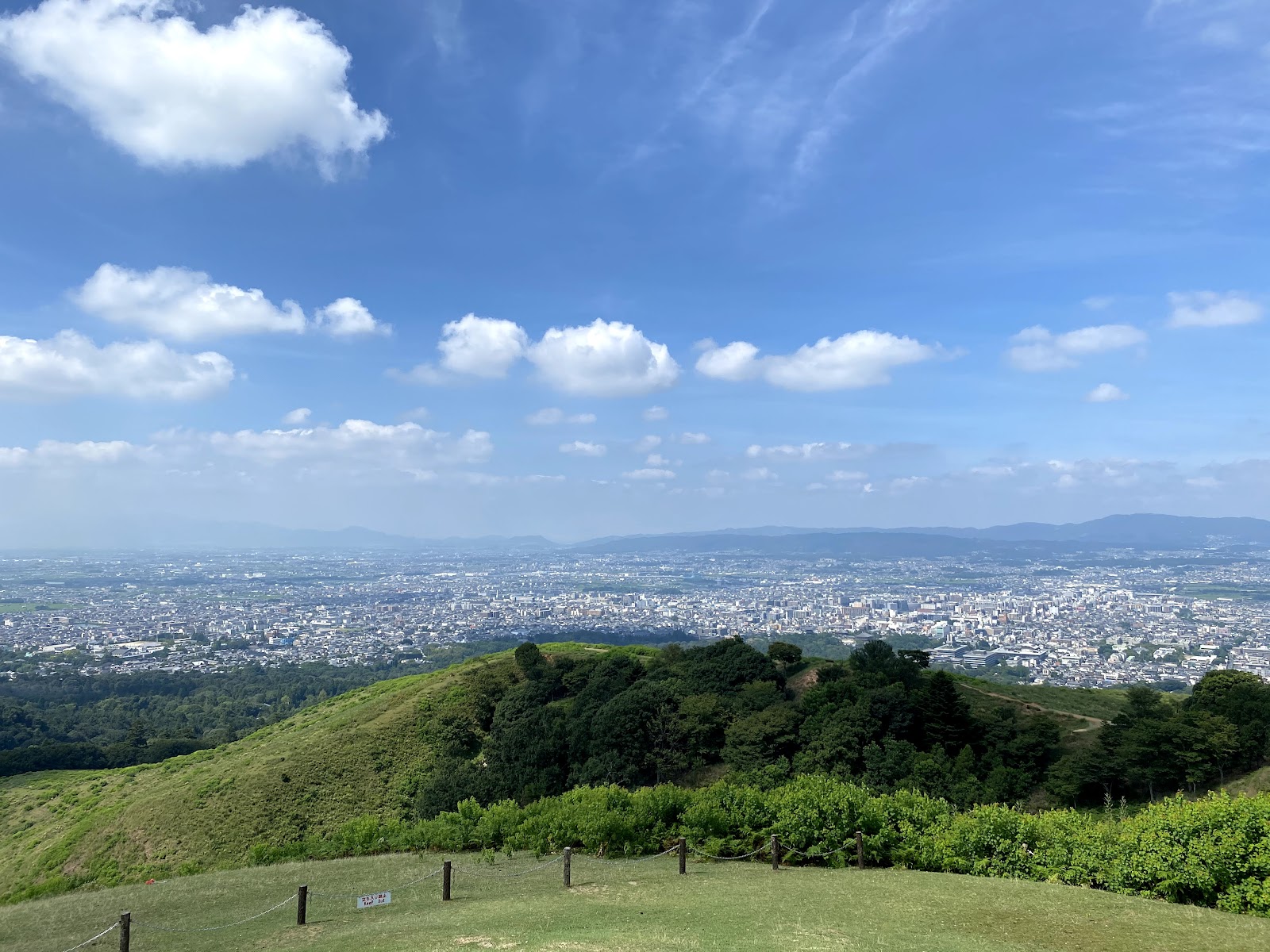
For visitors, the forest offers a hiking experience utterly different from the manicured gardens and temple precincts of the city below. Trails climb from behind Kasuga Taisha into deep green shade, the noise of Nara Park quickly fading into birdsong and the trickle of streams. The best-known route is the Takisaka-no-michi, an old stone-paved path lined with weathered Jizo statues and small waterfalls, which winds up through the most atmospheric and least-crowded parts of the woodland. Longer loops lead toward the summit area of Mount Kasuga and can be combined with the open grass of neighbouring Mount Wakakusa, from which the whole Nara basin spreads out below.
Because the forest is a protected sanctuary, walkers are asked to keep strictly to the marked paths and to take nothing and leave nothing. There are no shops, vending machines or lighting once you are inside, so the walk should be treated as a proper half-day hike: sturdy shoes, water, and an early start are sensible, and the full circuit can take three hours or more. The reward is a genuine sense of stepping into the primeval landscape that Japan's first permanent capital was carved out of.
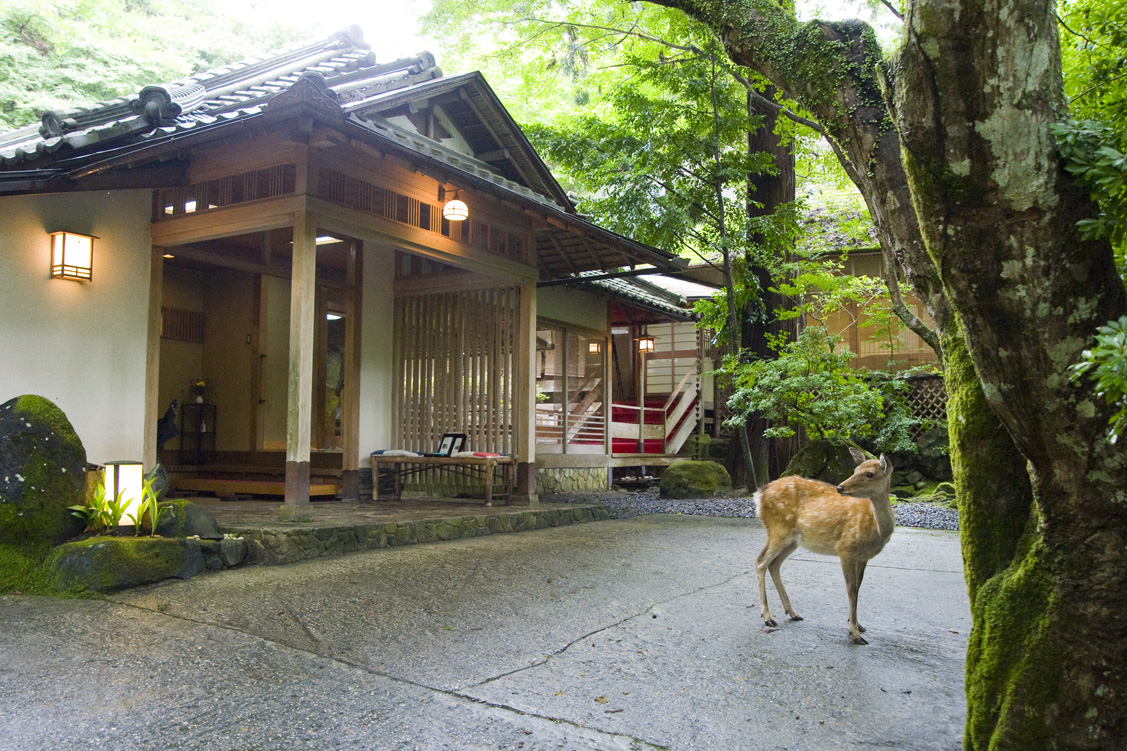
The forest is at its most beautiful in autumn, when maples and other deciduous trees mixed among the evergreens turn gold and crimson, and in the fresh green of late spring. Summer is humid but shaded and cool beneath the canopy. Wild sika deer, considered messengers of the Kasuga deity, roam the lower fringes, reinforcing the sense that this is sacred as well as natural ground.
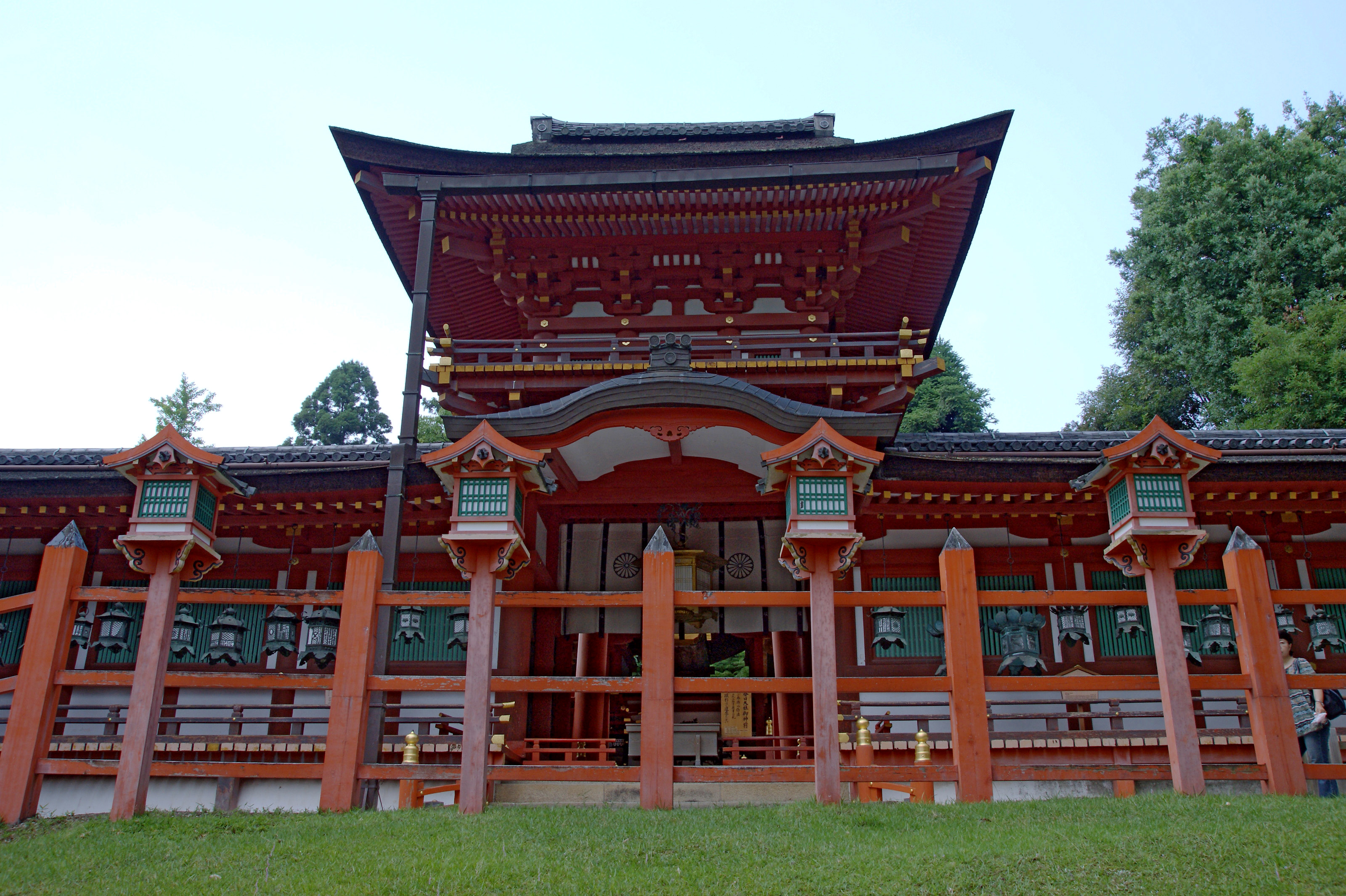
Access is on foot: from Kintetsu or JR Nara station walk east through Nara Park to Kasuga Taisha, a journey of thirty to forty minutes, or take a City Loop bus to the shrine and pick up the forest trails from behind it. Entry is free and the paths are open during daylight hours, but there is no artificial lighting, so plan to be back down well before dusk.
A local's tip
Walk the Takisaka-no-michi trail toward Jizo statues and stone paving for the most atmospheric, least-visited stretch of ancient forest.
Best time to visit
Autumn for foliage; morning start for the full loop
Getting there
Begin behind Kasuga Taisha, reached by a 30-40 minute walk east through Nara Park from Kintetsu Nara Station or by City Loop bus to Kasuga Taisha Honden. The Kasugayama and Takisaka-no-michi paths lead into the forest.
Good to know
- Restrooms
- Trail markers
Plan the whole trip offline
Kasugayama Primeval Forest is one of many places in the Real Japan app — with turn-by-turn directions, nearby spots and full offline maps you can use with no signal.