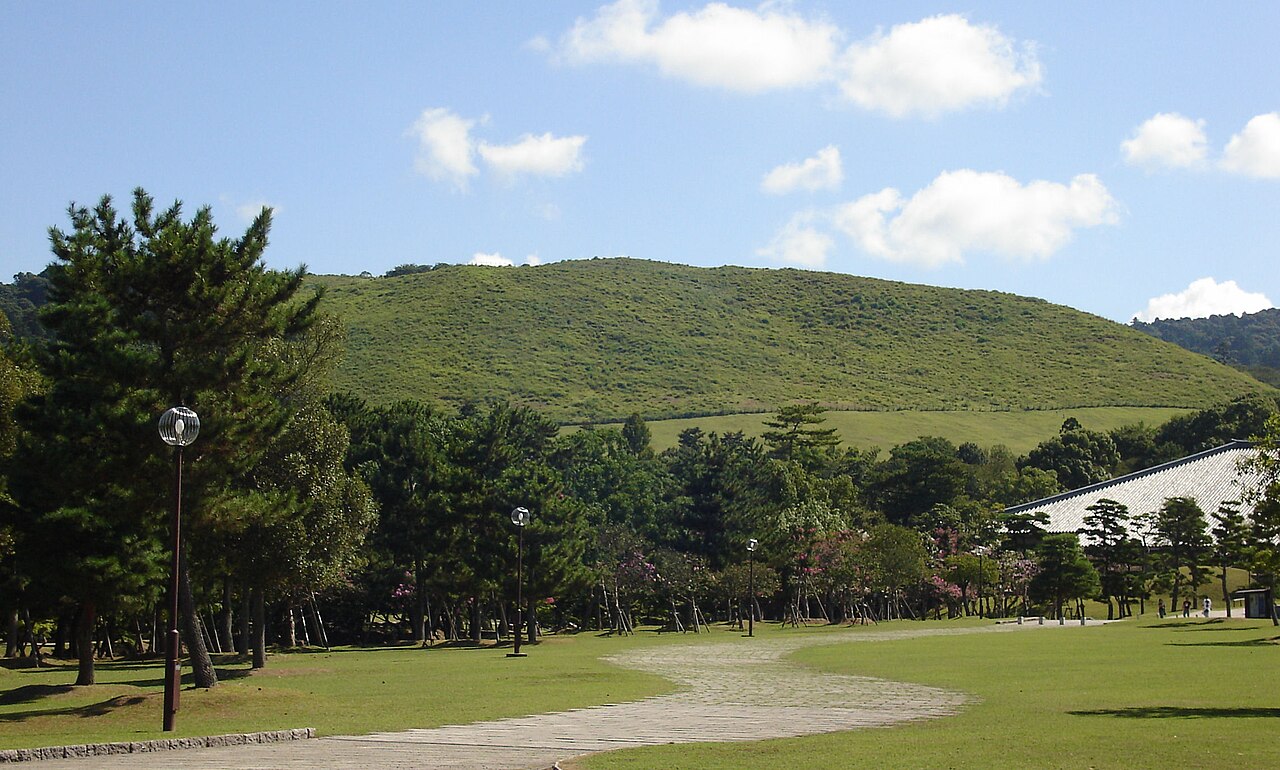
A gentle grass-covered mountain above Nara Park with sweeping sunset views and its own winter fire festival.
Mount Wakakusa, known locally as Wakakusayama and sometimes as Mikasayama, is the smooth, treeless grass mountain that rises directly behind Nara Park to a height of 342 metres. Its rounded flanks, kept clear of forest for centuries, give it an unmistakable silhouette on the eastern edge of the old capital and make it one of the most rewarding short climbs in the Kansai region.
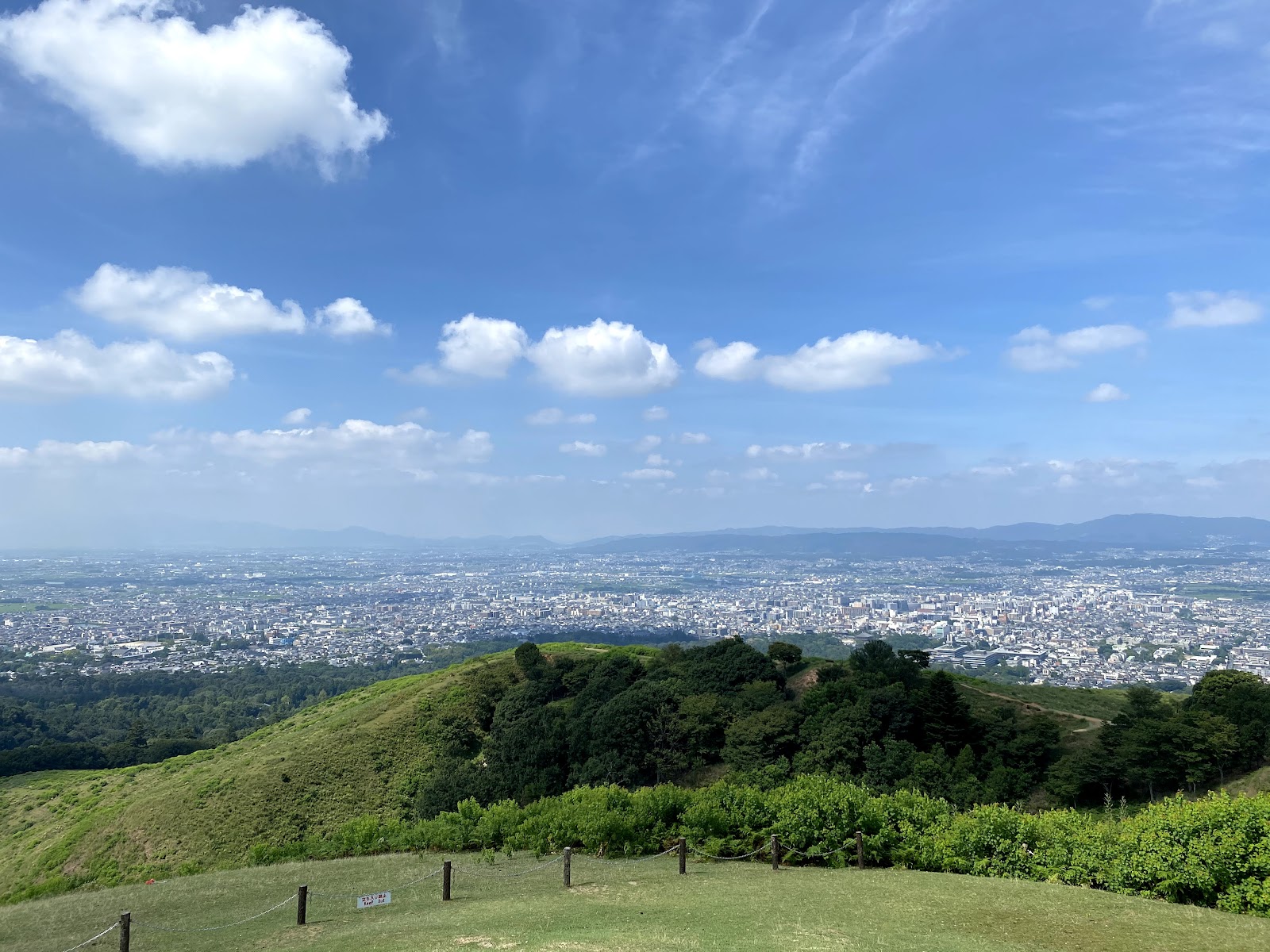
The mountain is formed of three tiers, so the walk up feels like a series of green terraces. A paved-and-stepped path climbs from the base gate to the first ridge in about twenty minutes, and reaching the true summit takes roughly an hour at an easy pace. There is no dense woodland to block the view: almost the entire ascent looks out over Nara city, with Todai-ji's Great Buddha Hall, the five-storey pagoda of Kofuku-ji and, on clear days, the mountains of Ikoma and Kongo lined up on the horizon. Wild sika deer from the park wander freely on the lower slopes, so it is common to share the climb with them.
Wakakusa's most famous moment comes each year on the fourth Saturday of January, during the Yamayaki, or mountain-burning festival. At dusk the dead winter grass covering the entire hillside is deliberately set alight, preceded by a large fireworks display, turning the mountain into a glowing spectacle visible across the city. The origins of the ritual are debated — theories range from a boundary dispute between the temples of Todai-ji and Kofuku-ji to pest control and the driving-off of wild boar — but today it marks the symbolic start of Nara's year and draws large crowds to the park below.
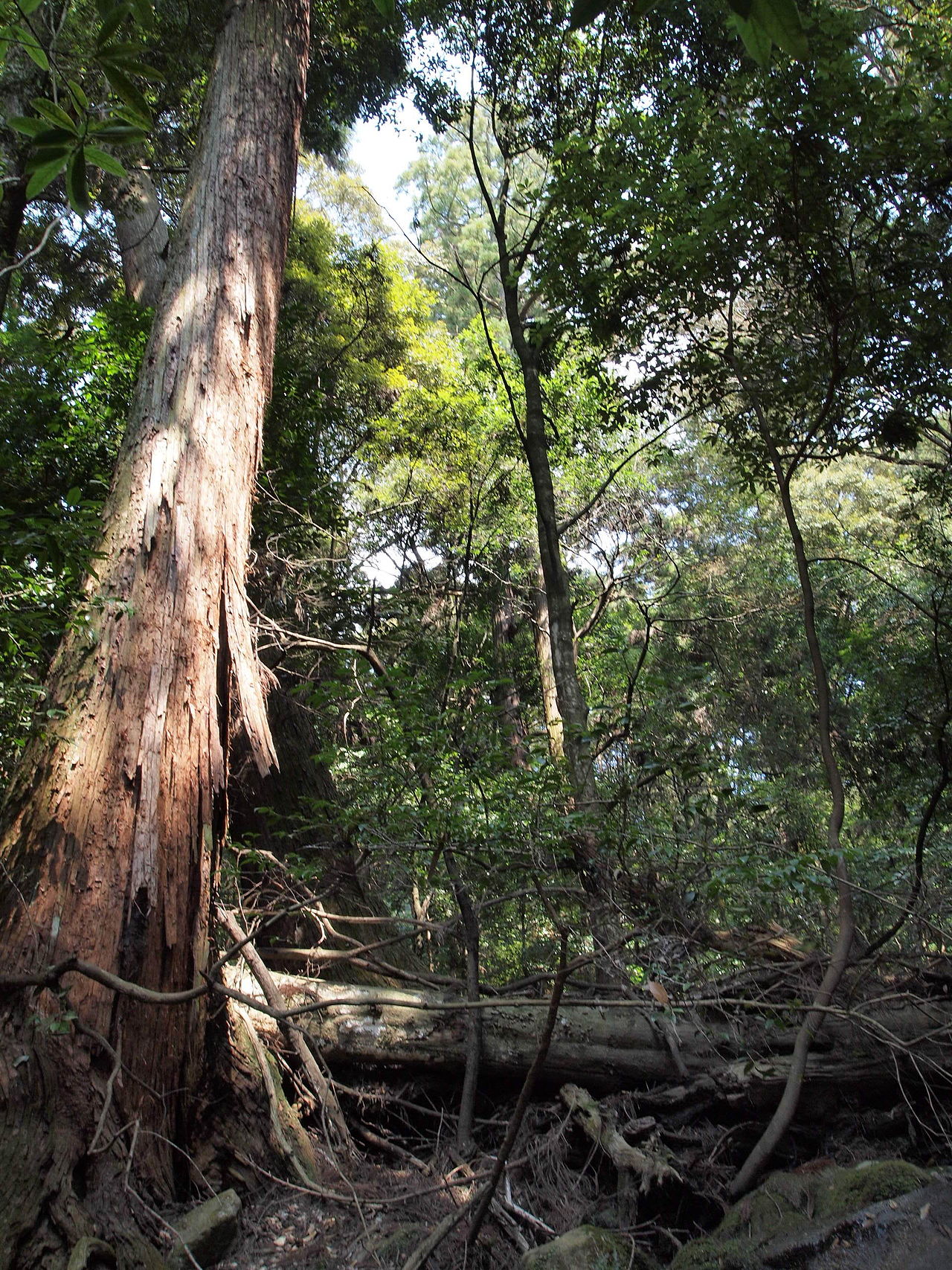
For most of the year the pleasure is quieter. Spring brings fresh green and picnicking families; autumn tints the surrounding forest of Mount Kasuga in reds and golds behind the still-green summit; and clear evenings make the mountain one of the finest free sunset viewpoints in western Japan. Because the slope faces west, the light in the final hour before sundown floods the whole Nara plain, and photographers gather along the ridgelines for the panorama.
The mountain is only open to climbers during a set season, generally from mid-March to mid-December, and there is a modest entry fee of around 150 yen collected at the gate. Sensible shoes are enough — the grass can be slippery when wet, and there is little shade, so water and sun protection are worth carrying in summer.
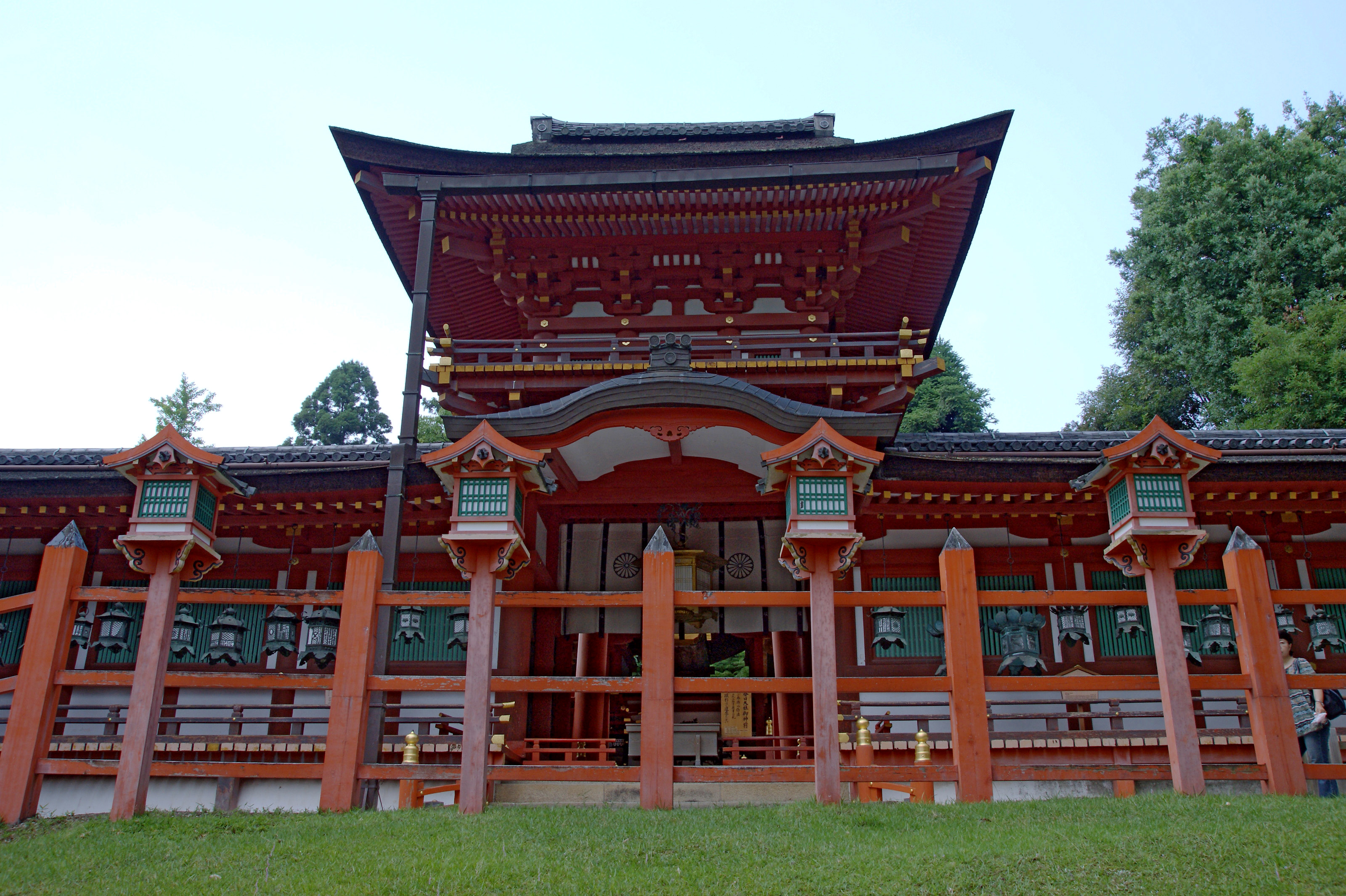
Getting there is simple: from either Kintetsu Nara or JR Nara station, walk east through Nara Park, passing Todai-ji and the approach to Kasuga Taisha, to reach the base of the slope in about half an hour. A City Loop bus to the Kasuga Taisha stop shortens the walk considerably. Allow around two hours for a relaxed round trip with time at the top to take in what may be the best all-round view of the ancient capital.
A local's tip
Climb for the last hour of daylight — the whole Nara basin turns gold and you often share the summit only with a few grazing deer.
Best time to visit
Late afternoon for sunset; late January for the fire festival
Getting there
From Kintetsu Nara Station walk east through Nara Park past Todai-ji and Kasuga Taisha (about 30-35 minutes) to the base gate below the grassy slope. City Loop bus to Kasuga Taisha Honden also gets you close.
Good to know
- Parking
- Restrooms
Plan the whole trip offline
Mount Wakakusa is one of many places in the Real Japan app — with turn-by-turn directions, nearby spots and full offline maps you can use with no signal.