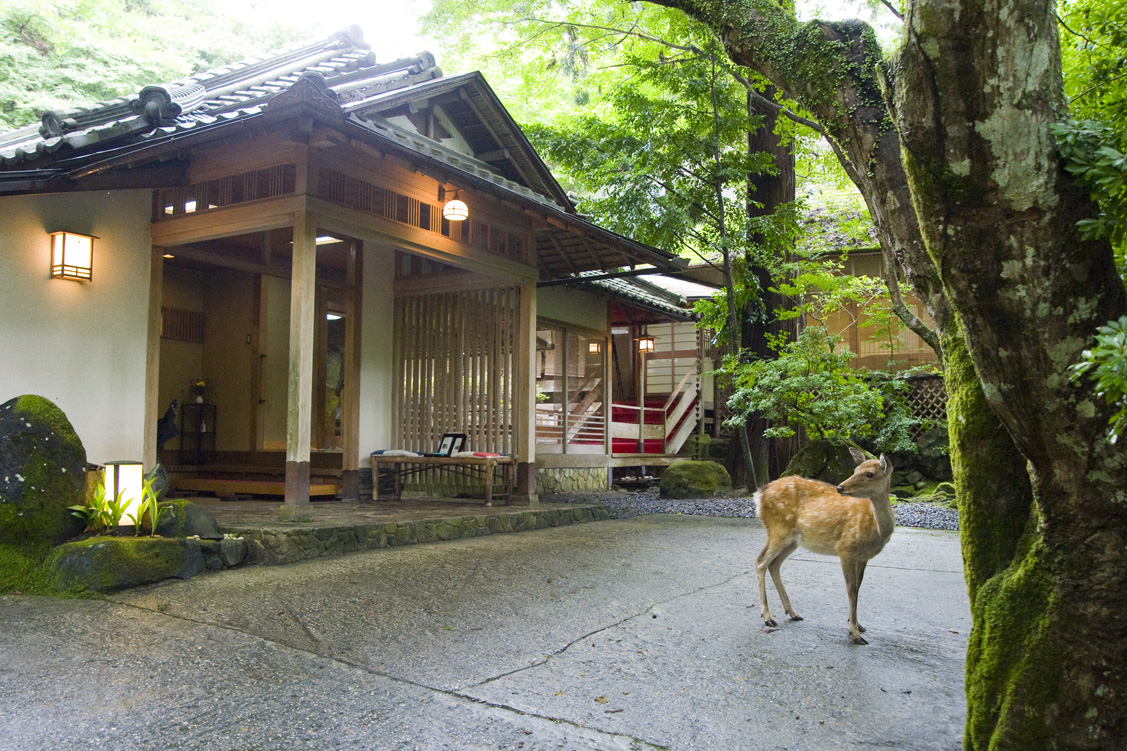
A secluded kaiseki restaurant and ryokan set in Nara's ancient Kasugayama forest, serving refined seasonal cuisine since 1903.
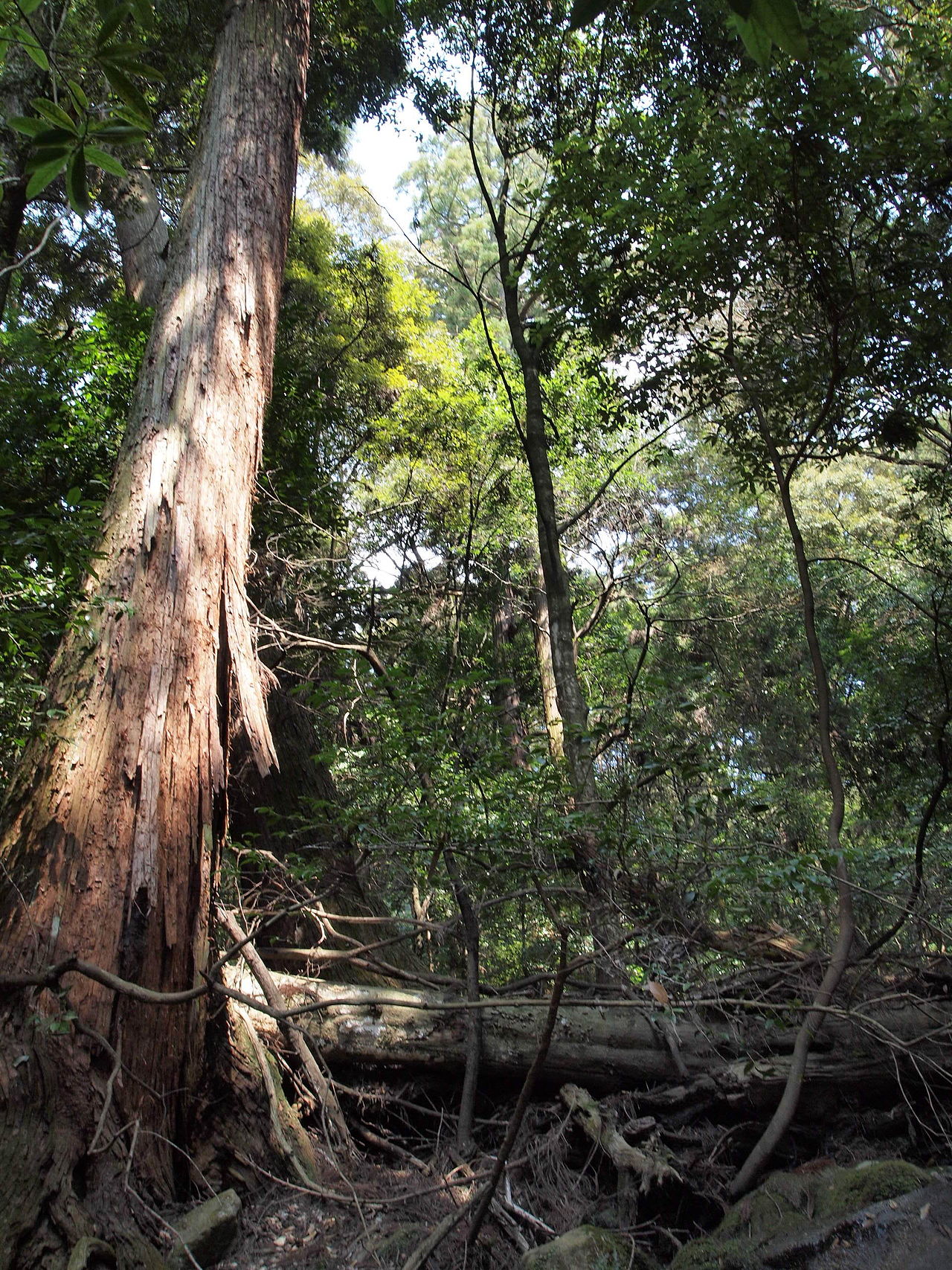
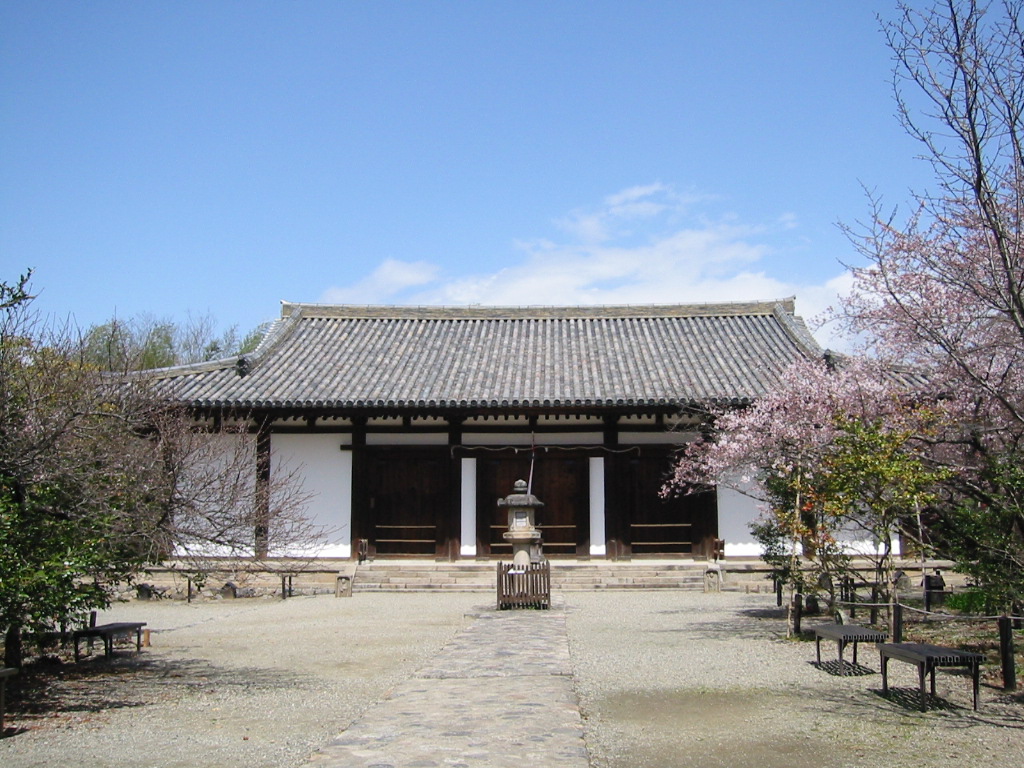
Hidden in the Kasugayama primeval forest — a UNESCO-protected woodland behind Kasuga Taisha that has been left untouched by logging for over a thousand years — Tsukihitei is Nara's most atmospheric fine-dining destination. The building dates to 1903, when it was constructed as a guesthouse where the Governor of Nara Prefecture could host important visitors. That heritage still defines the experience: a quiet, low wooden structure standing alone among towering ancient trees, reached by a wooded approach that feels a world away from the deer-thronged park below.
Tsukihitei serves kaiseki, the multi-course haute cuisine of Japan, built around whatever the season offers. A meal unfolds as a sequence of small, precisely composed dishes — clear seasonal broths, sashimi, grilled and simmered courses, and delicate vegetable preparations — each plated to reflect the moment in the year and the colors of the surrounding forest. The kitchen makes a point of local specialties; at breakfast it serves cha-gayu, the Nara tea porridge that temples and townspeople have eaten for centuries, a dish rarely found on restaurant menus elsewhere.
The setting is the reason to come. Because it sits inside the primeval forest, the restaurant changes dramatically with the seasons. In autumn the maples flare into red and gold around the windows; in spring the woodland softens into new green with cherry blossom nearby; even in winter the bare, moss-cloaked ancient trees create a hushed, painterly stillness. Dining rooms are designed to frame this scenery, so the view is as much a course as the food.
Tsukihitei operates both as a restaurant and as an exclusive ryokan with a small number of rooms, so it is possible either to stay overnight in this secluded forest retreat or to visit purely for a meal. For most travelers, a reserved lunch course is the accessible way in: it delivers the full kaiseki experience and the extraordinary setting without the considerable cost of the lodging. Either way, advance reservation is essential — this is not a walk-in restaurant, and the intimate scale means seats are limited.
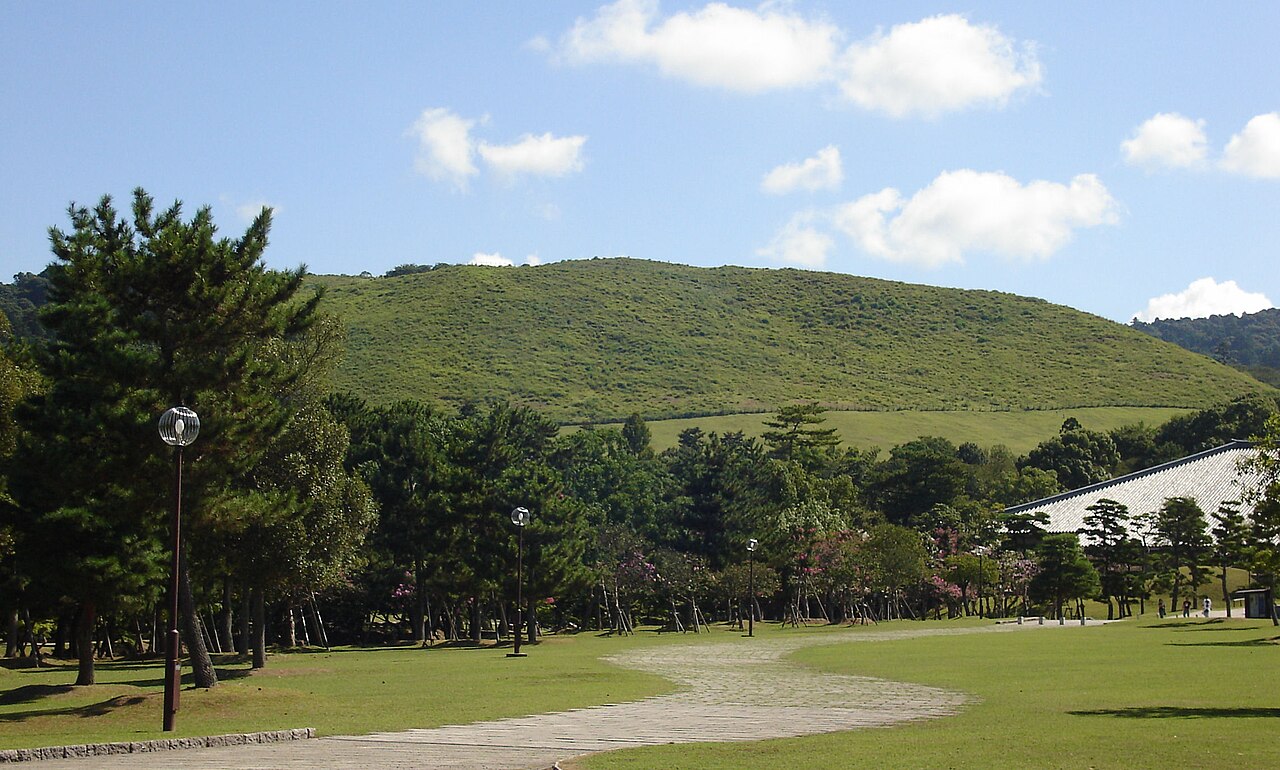
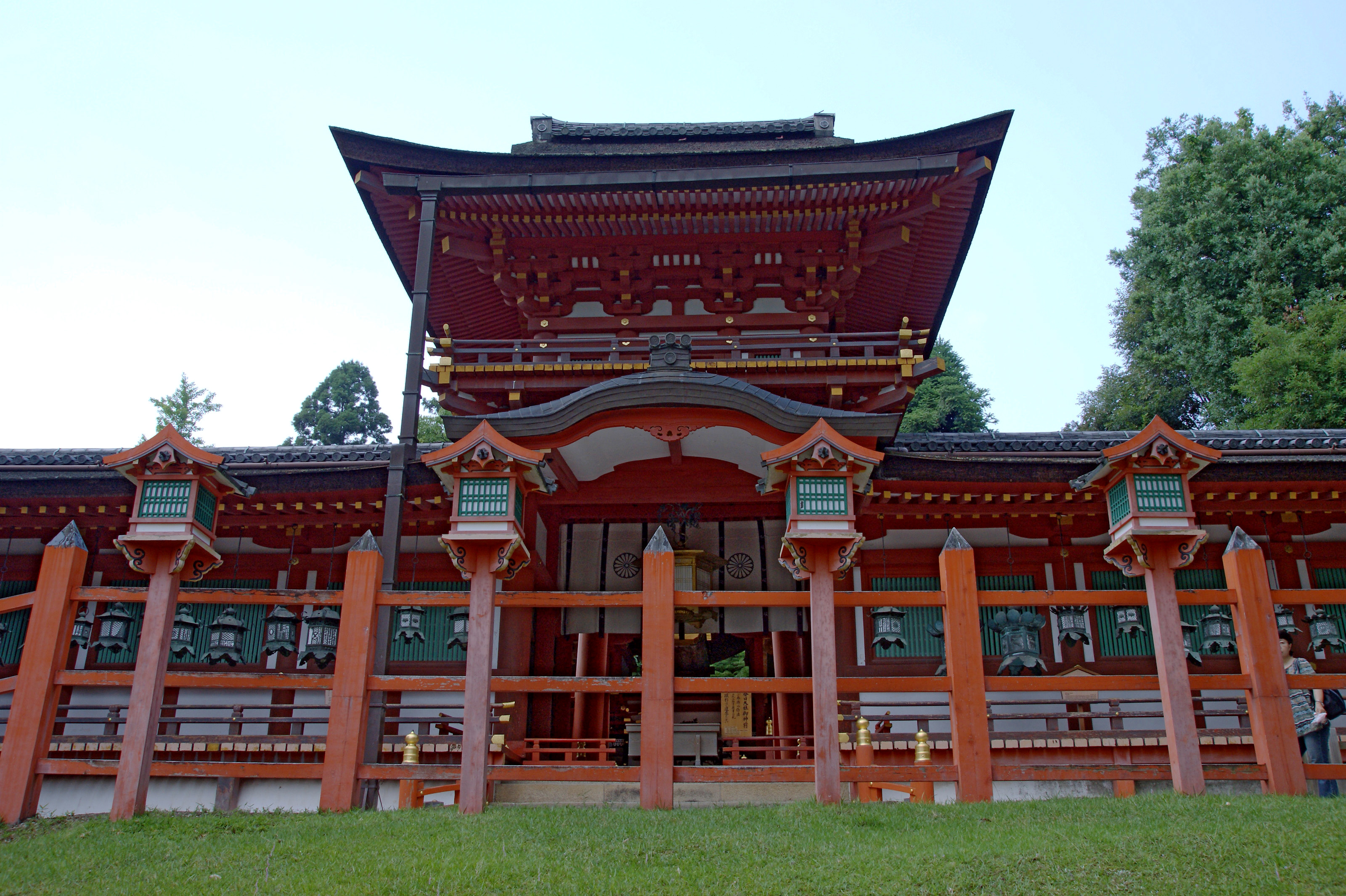
Getting there requires a little effort, which is part of the point. The restaurant sits southeast of the central park, up in the forest behind Kasuga Taisha, and most guests arrive by taxi (around 15 minutes from the Nara stations); fit walkers can approach on foot through the forest trails, but should confirm the route and timing when booking. The staff are accustomed to guiding visitors on access.
For anyone wanting to pair Nara's ancient landscape with a serious meal, Tsukihitei is close to unmatched: a century-old guesthouse, a thousand-year-old forest, and a kaiseki kitchen working with the seasons, all in one deeply peaceful place. It is a splurge, and a memorable one — the kind of lunch that becomes the story you tell about the trip.
A local's tip
Book a lunch course rather than staying overnight if you want the experience at a fraction of the ryokan price — you still get the kaiseki meal in the forest setting. Ask to try the cha-gayu (Nara tea porridge), a local specialty they serve at breakfast.
Best time to visit
Autumn for koyo; reserve well ahead
Getting there
Set deep in the Kasugayama primeval forest behind Kasuga Taisha, southeast of the central park. Access is by taxi from Kintetsu or JR Nara Station (about 15 minutes), or on foot via the forest paths for the energetic. Reservations are essential and the restaurant can advise on access.
Good to know
- Private rooms
- Ryokan lodging
- Reservation required
Plan the whole trip offline
Nara Kasugaokuyama Tsukihitei is one of many places in the Real Japan app — with turn-by-turn directions, nearby spots and full offline maps you can use with no signal.