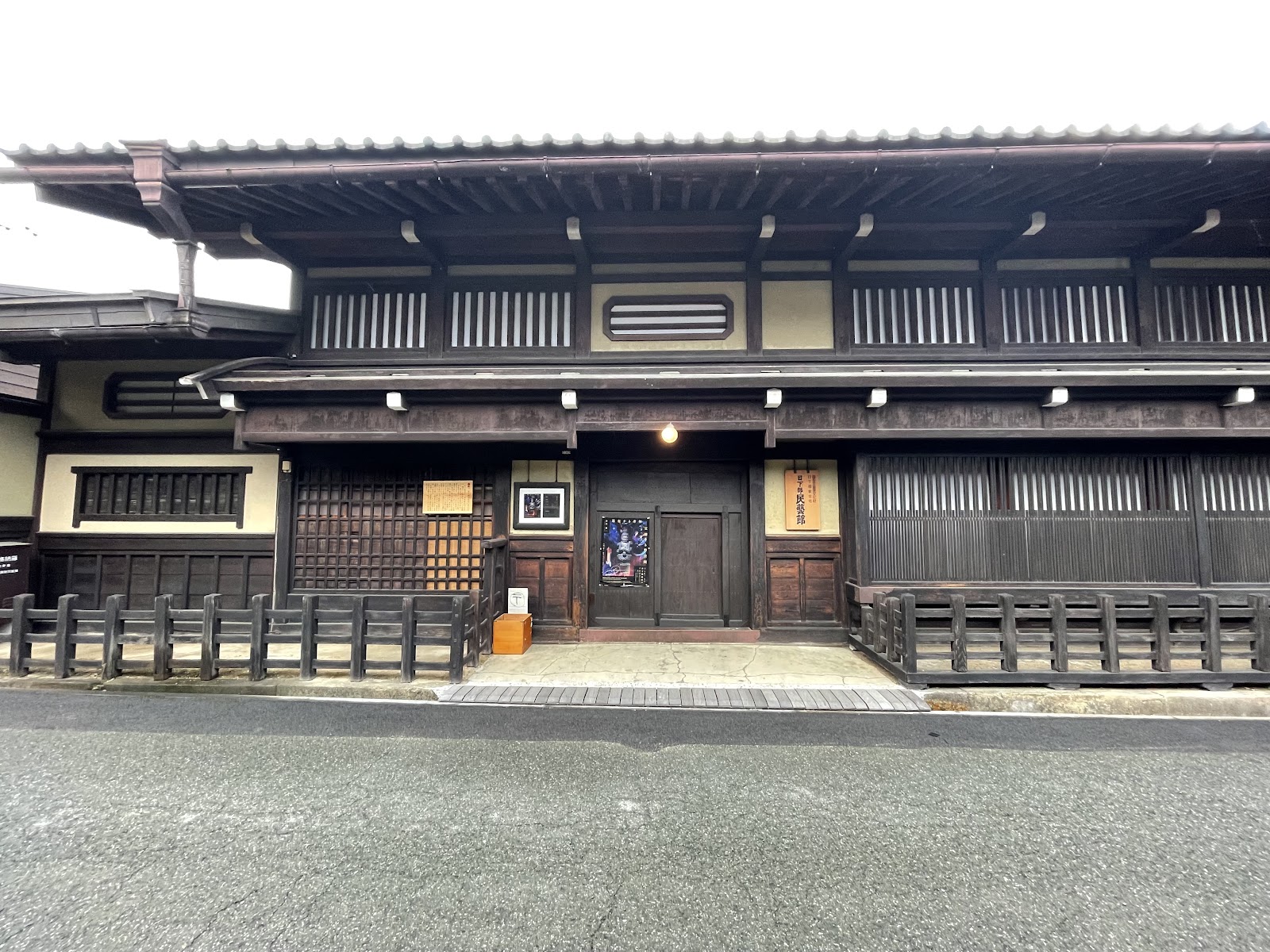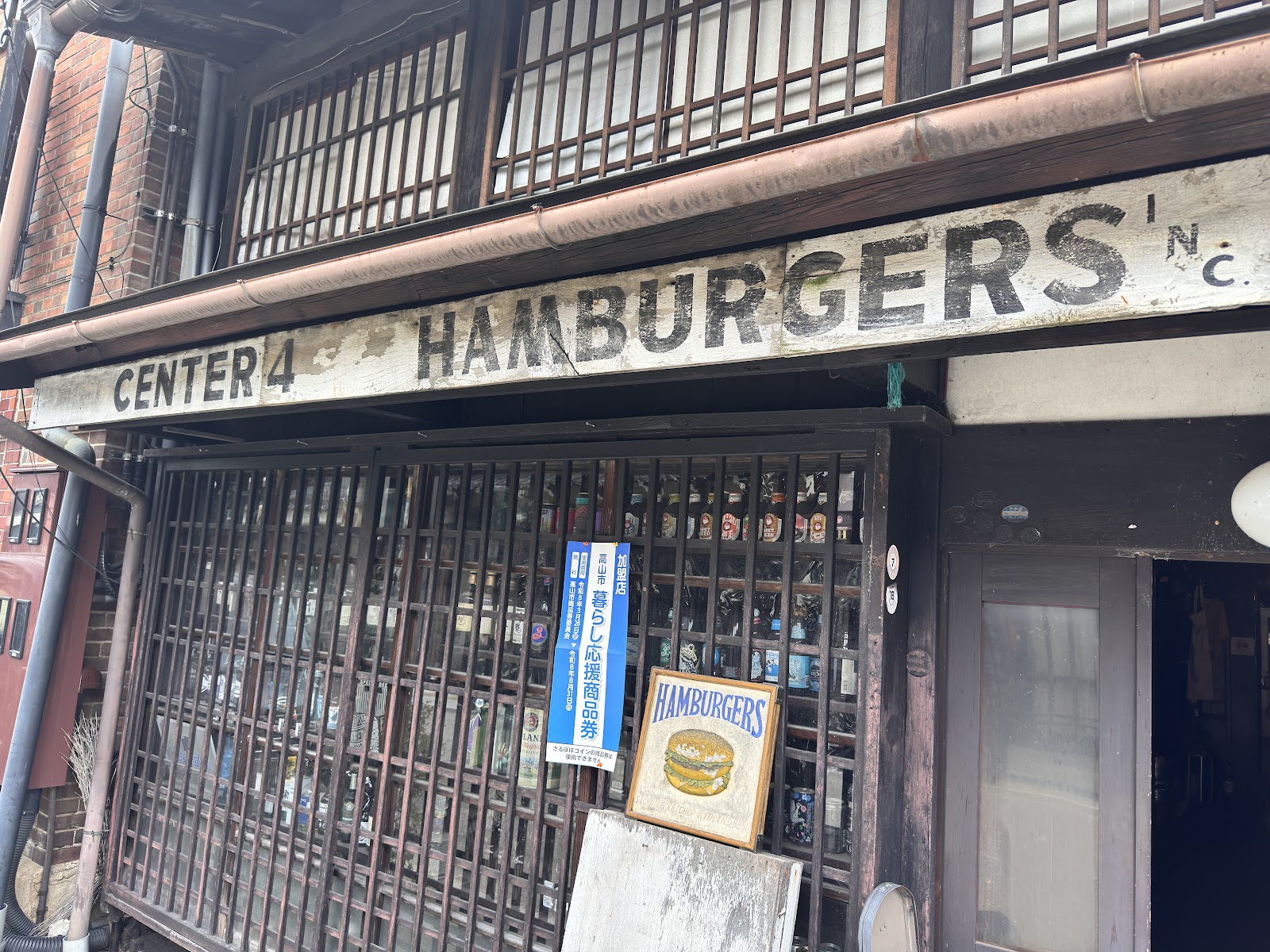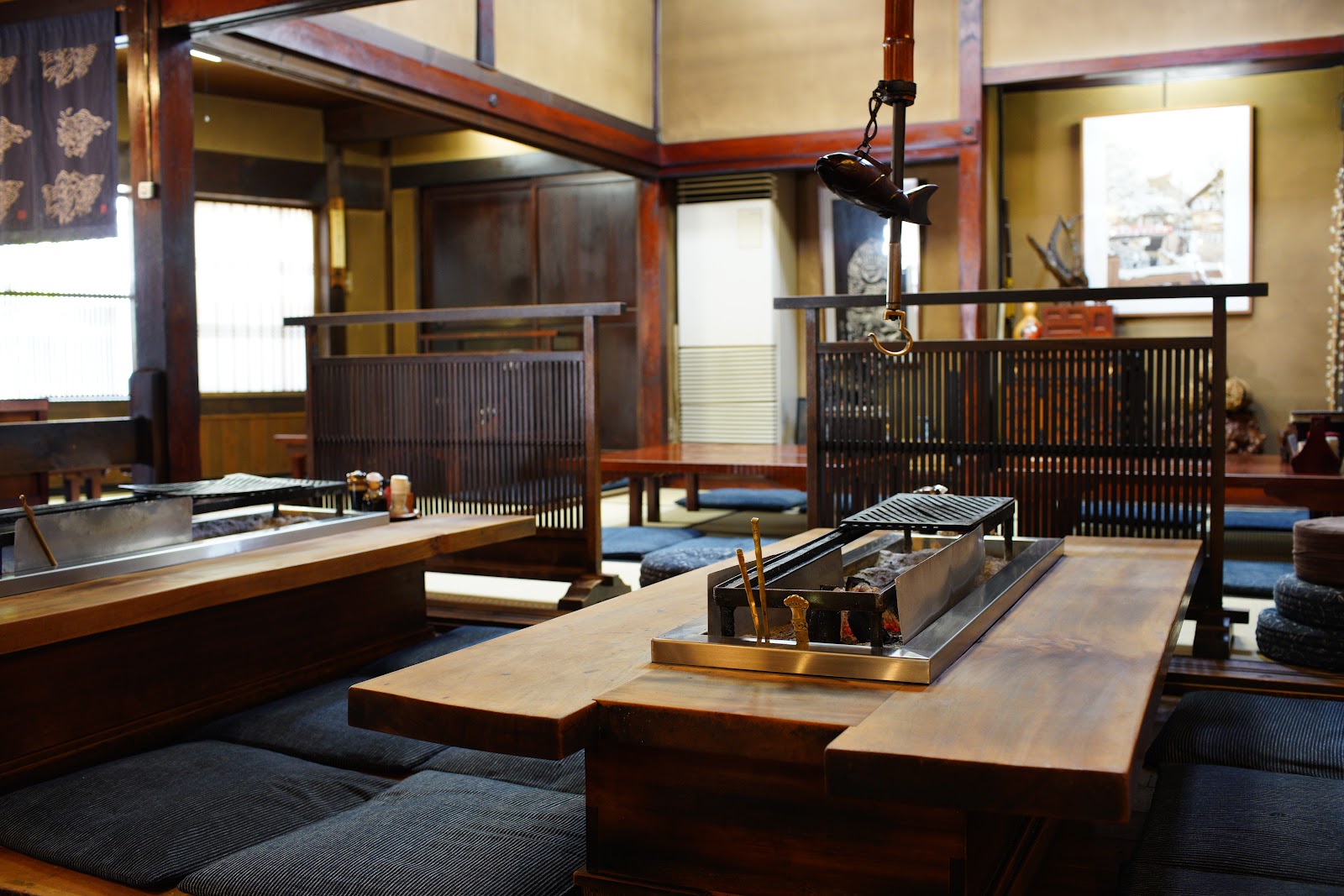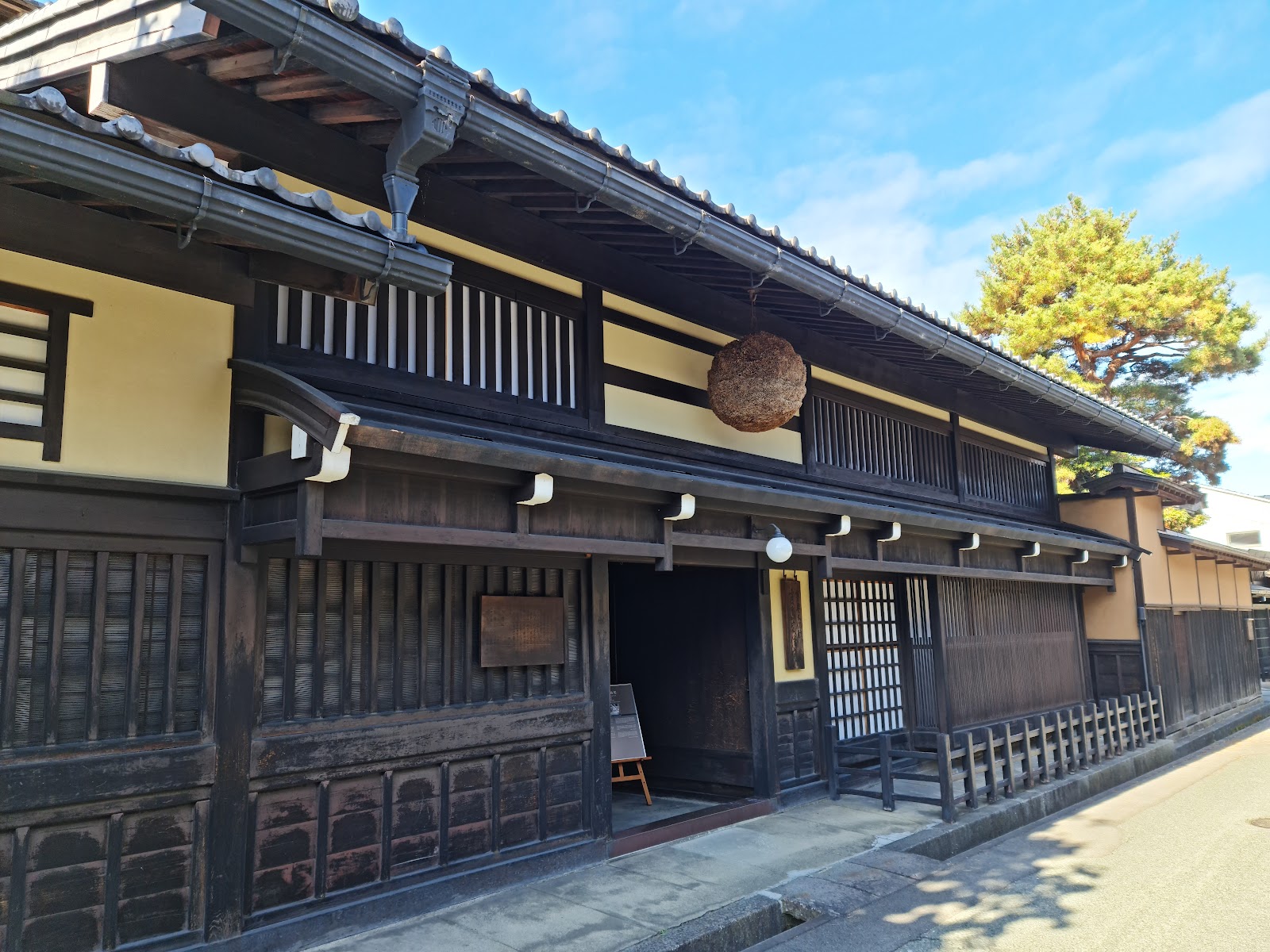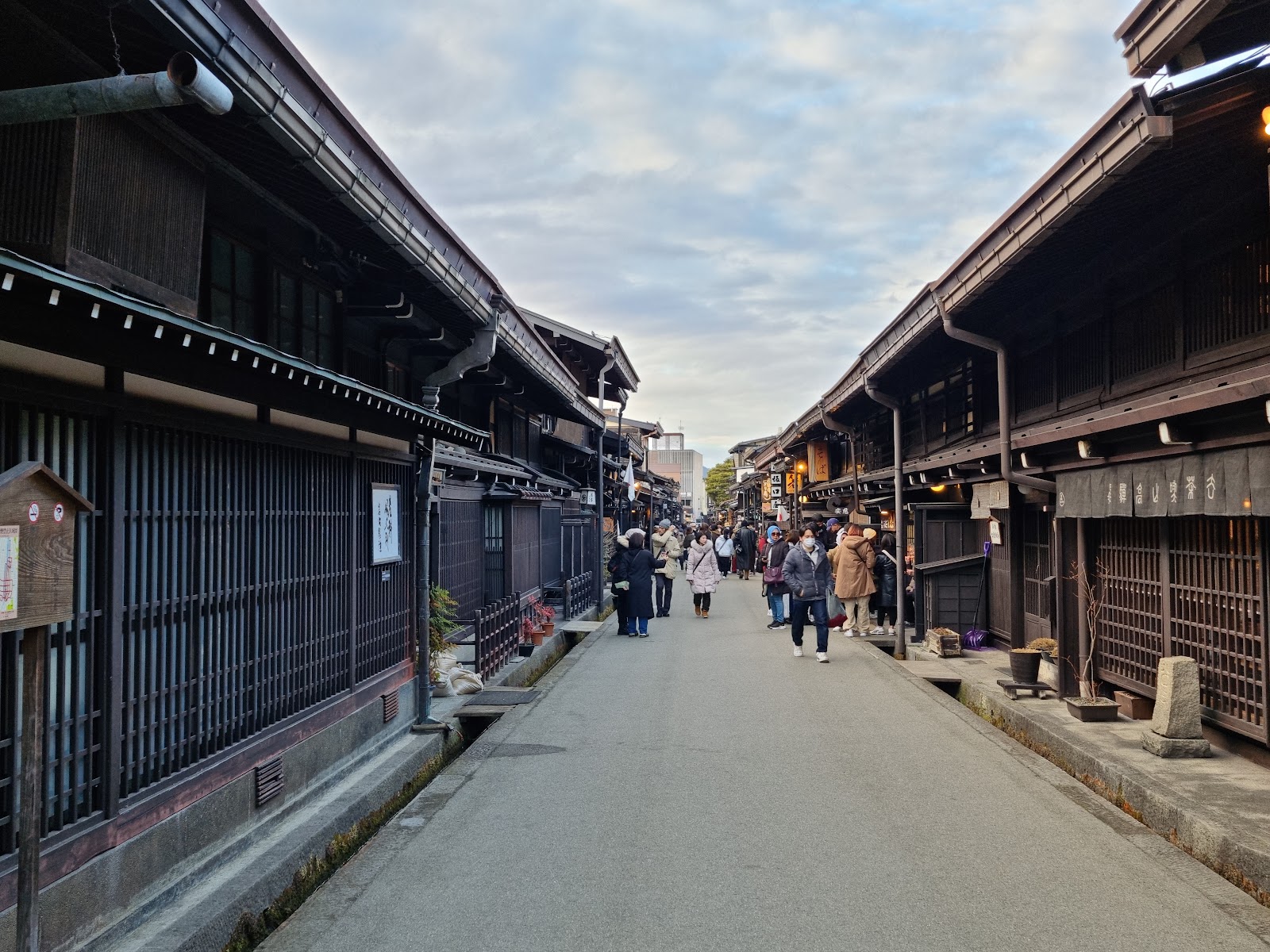
The quieter northern extension of Takayama's old town, lined with grand merchant mansions and preserved wooden storehouses.
Just beyond the well-trodden lanes of Sanmachi Suji, the old town of Takayama continues northward into a set of quieter, equally historic streets often grouped as the Shimomachi, or lower-town, merchant quarter — including Shimo-ninomachi and Kamiichinomachi. Here the same dark-timbered townhouses and latticed shopfronts line the streets, but the crowds thin dramatically, and you can appreciate the preserved townscape in relative solitude. For visitors who find the main old town too busy, this northern stretch offers the same Edo-period atmosphere at a gentler pace.
The district's great distinction is that it holds two of the finest surviving merchant mansions in the region, standing close together as reminders of the wealth and craftsmanship that flowed through Takayama in the nineteenth century. The Yoshijima Heritage House (Yoshijima-ke) and the Kusakabe Heritage House (Kusakabe Mingeikan) were the homes of prosperous merchant families — dealers in things like sake, lending, and trade — and each is a masterpiece of Hida carpentry, the woodworking tradition for which the region was famous throughout Japan. Both are designated Important Cultural Properties, and stepping inside either reveals soaring interiors of exposed beams and posts rising into the roof space, lit by high windows, with polished floors, inner storehouses, and gardens. The two houses were built by rival master builders and are often compared: Yoshijima is admired for its refined, almost feminine elegance of light and structure, Kusakabe for its bold, robust framing. Seeing one or both is one of the best ways anywhere to understand the artistry of Hida's carpenters.
Around these landmark mansions, the streets themselves reward a slow wander. Old sake breweries, storehouses with thick white plaster walls (dozo), small craft workshops, and the occasional quiet cafe occupy the historic buildings, and because fewer tourists venture this far north, the district feels more like a place where people still live and work than a stage set. The absence of crowds makes it especially atmospheric in the early morning or toward the end of the day, and it is quietly beautiful under snow in winter.
Exploring the streets costs nothing; you pay only to enter the heritage houses, each for a modest fee, and it is well worth doing so for at least one. The lanes are flat and easily walked, though the interiors of the old mansions involve stepping up onto raised wooden floors and navigating traditional layouts, so they are only partly step-free. Basic facilities are available nearby in the old town.
The Shimomachi streets lie about fourteen minutes on foot from Takayama Station and flow directly on from Sanmachi Suji, so the natural approach is to walk the busy preserved lanes first and then continue north into this calmer quarter, ending at the great merchant houses. Doing so rounds out a fuller picture of old Takayama — not only the picturesque shopfronts but the grand homes and craftsmanship that the town's mountain wealth made possible.
A local's tip
This is where two of Takayama's grandest merchant mansions stand almost opposite each other — the Yoshijima and Kusakabe heritage houses — built by rival master carpenters and worth stepping inside to see soaring beamed interiors.
Best time to visit
Morning, continuing north from the busier old town
Getting there
A 14-minute walk from Takayama Station; continue north through Sanmachi Suji into the quieter Shimo-ninomachi and Kamiichinomachi streets.
Good to know
- Shops
- Restrooms
- Heritage houses
Plan the whole trip offline
Shimomachi Old Merchant Streets is one of many places in the Real Japan app — with turn-by-turn directions, nearby spots and full offline maps you can use with no signal.