A grand 1879 merchant house and Important Cultural Property showcasing master Hida carpentry.
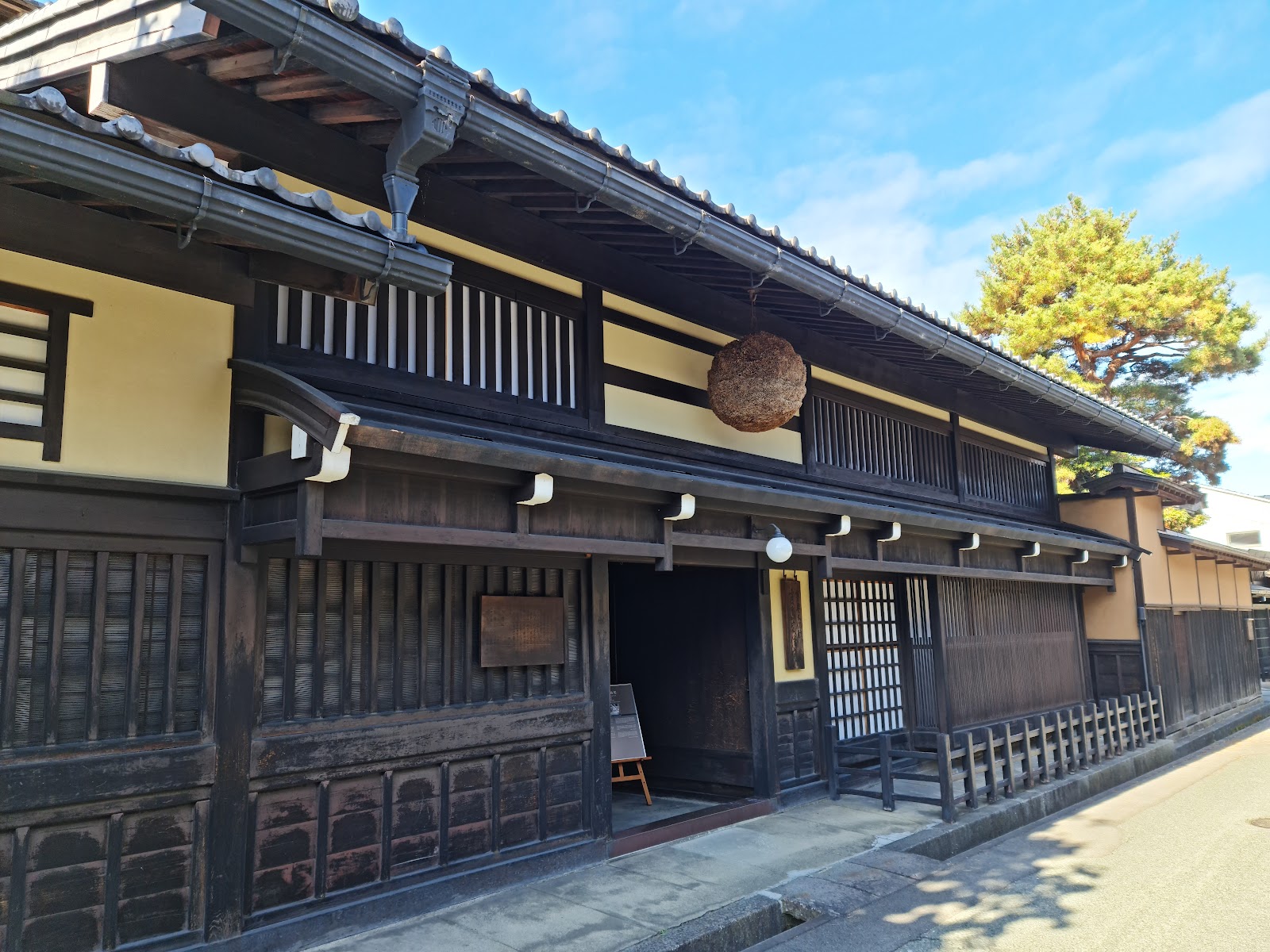
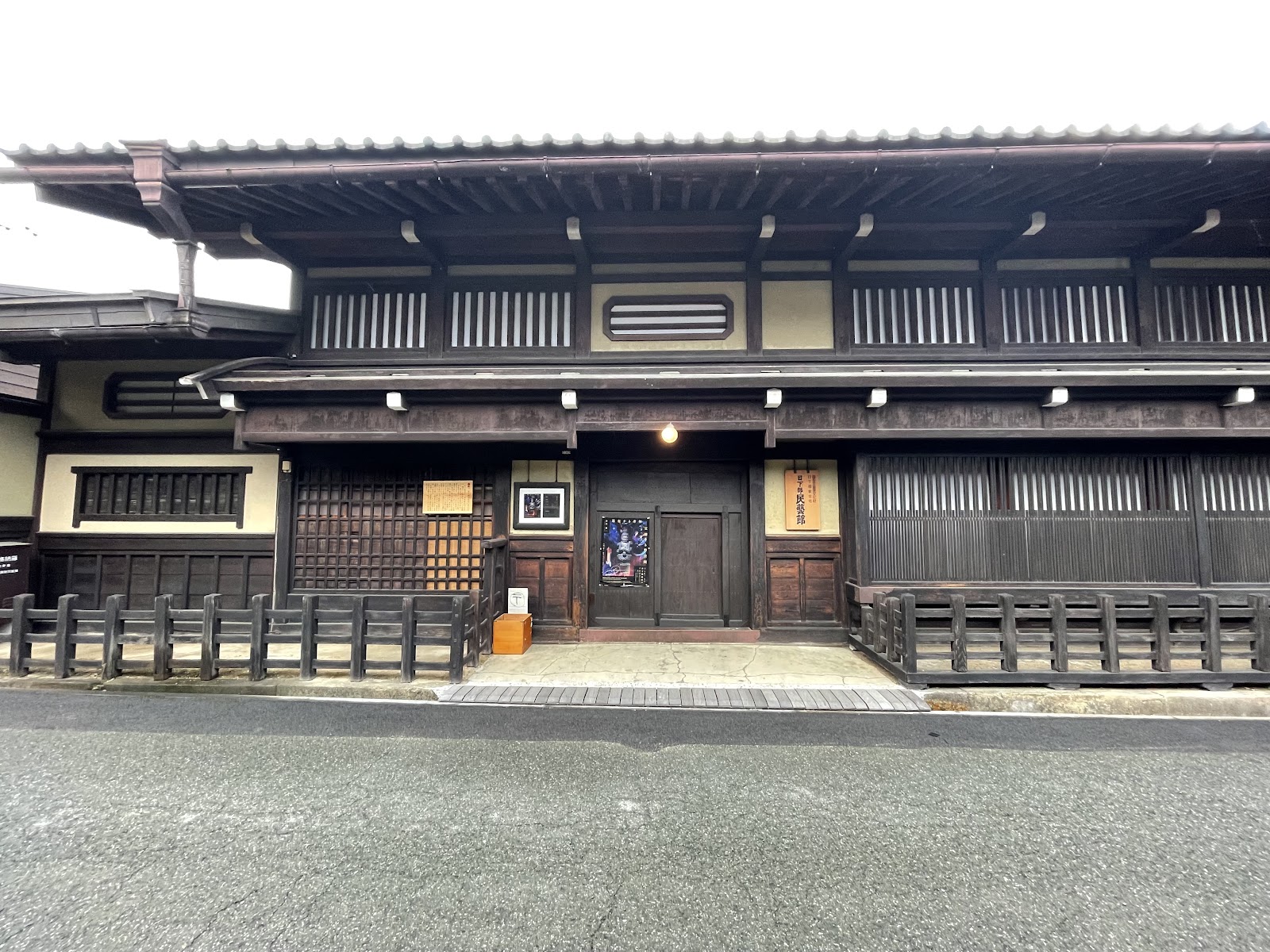
The Kusakabe Heritage House, or Kusakabe Mingeikan, is one of Takayama's finest surviving merchant residences and a designated Important Cultural Property of Japan. Built in 1879, just after a fire had swept through the district, it was constructed by the Kusakabe family, wealthy merchants who had once handled finances on behalf of the shogunate. The house is celebrated as a supreme example of the traditional townhouse carpentry for which Hida craftsmen were famous, and stepping inside is like entering the confident, prosperous world of a Meiji-era merchant dynasty.
The first impression is of soaring, powerful woodwork. The main living hall rises in a lofty open space crowned by a magnificent latticework of exposed beams, all built from dark, polished timber joined without nails using the interlocking techniques perfected by Hida master carpenters. A great sunken hearth anchors the room, and light filters down through high windows and paper screens, giving the interior a solemn, almost templelike grandeur. The construction is deliberately robust, designed to bear heavy snow loads and to project the standing of a leading commercial family.
Beyond the architecture, the house now serves as a folk art museum. Its rooms and storehouses are filled with everyday and decorative objects from the period: lacquerware, ceramics, textiles, furniture, ironwork and household implements that together illustrate the material culture of Hida in the nineteenth century. A small garden and inner courtyard add to the sense of a complete, self-contained world in which family, business and craft were interwoven. Depending on the day, visitors may be offered a cup of tea, adding a gentle note of hospitality to the visit.
Part of what makes Kusakabe so rewarding is its neighbour. The Yoshijima Heritage House stands right beside it, and the two are often visited together precisely because they present such an instructive contrast. Where Kusakabe is dark, heavy and imposing, an expression of merchant strength, Yoshijima is lighter, more delicate and refined, built by a sake-brewing family with an eye for elegant proportion and luminous interiors. Seeing both in succession is one of the best ways to appreciate the range and sophistication of Hida carpentry.
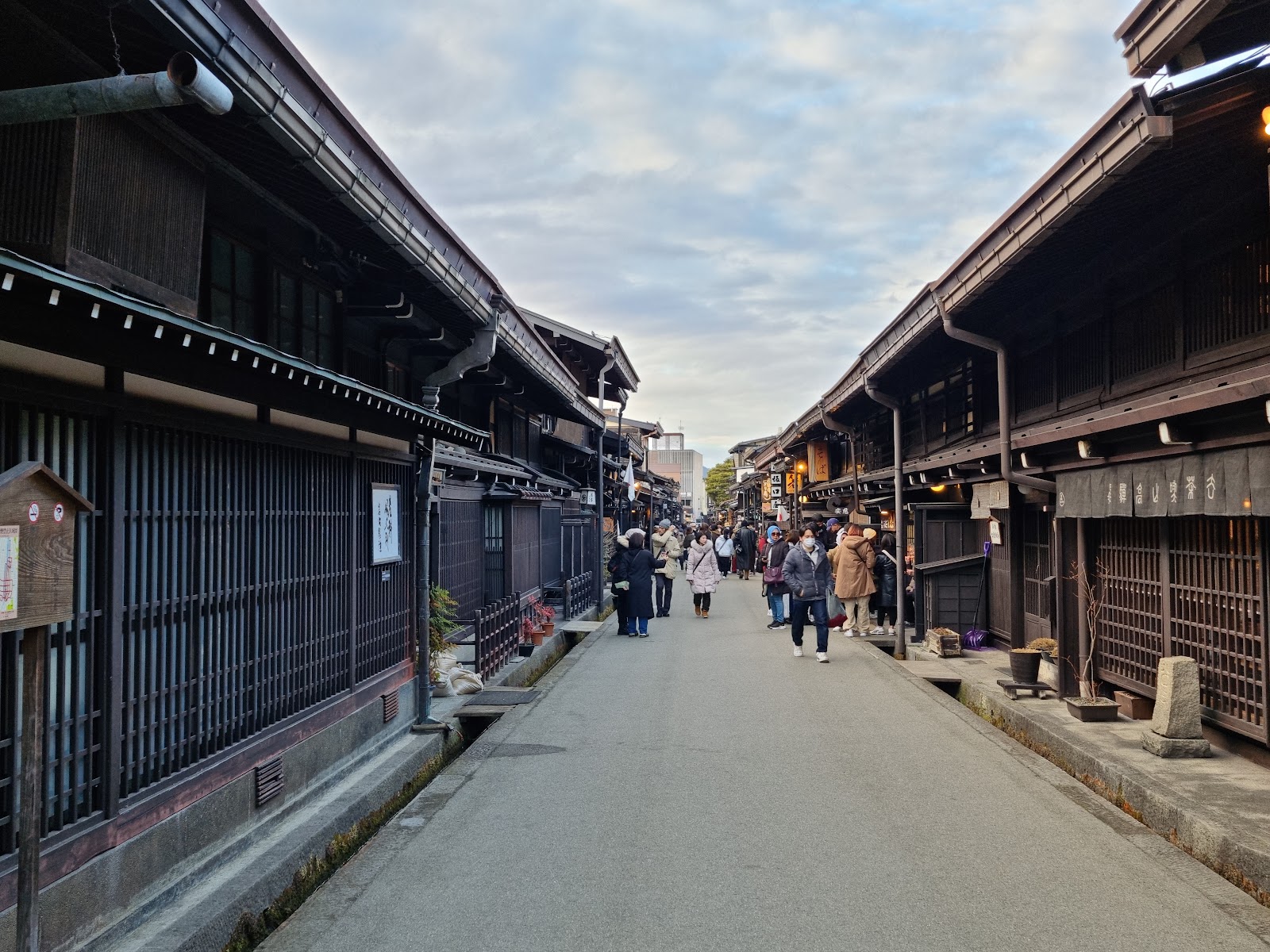
The experience takes around forty minutes at an unhurried pace. The house is quiet and contemplative, a welcome retreat from the busier tourist lanes, and photography of the beautiful timber framing is a pleasure in itself. There are restrooms on site, and the setting near the Enako River, just north of the main Sanmachi preservation district, makes it easy to fold into a walking tour of the old town.
To reach it, walk about fifteen minutes east from Takayama Station across the Miyagawa River and up toward the northern edge of the historic quarter. Opening hours are generally 09:00 to 16:30, shortening slightly in winter, with admission around 500 yen. For anyone interested in architecture, traditional crafts or simply the texture of old Japan, the Kusakabe Heritage House is among the most atmospheric and authentic interiors in Takayama.
A local's tip
Pair it with the neighbouring Yoshijima House and compare the two: Kusakabe is dark, sturdy and masculine; Yoshijima is light and refined, so seeing them back to back is a masterclass in Hida carpentry.
Best time to visit
Morning light through the lattice windows; any season
Getting there
About a 15-minute walk east of Takayama Station, just north of the Sanmachi old town near the Enako River, next door to the Yoshijima Heritage House.
Good to know
- Restrooms
- Tea service
- Folk craft display
Plan the whole trip offline
Kusakabe Heritage House (Kusakabe Mingeikan) is one of many places in the Real Japan app — with turn-by-turn directions, nearby spots and full offline maps you can use with no signal.