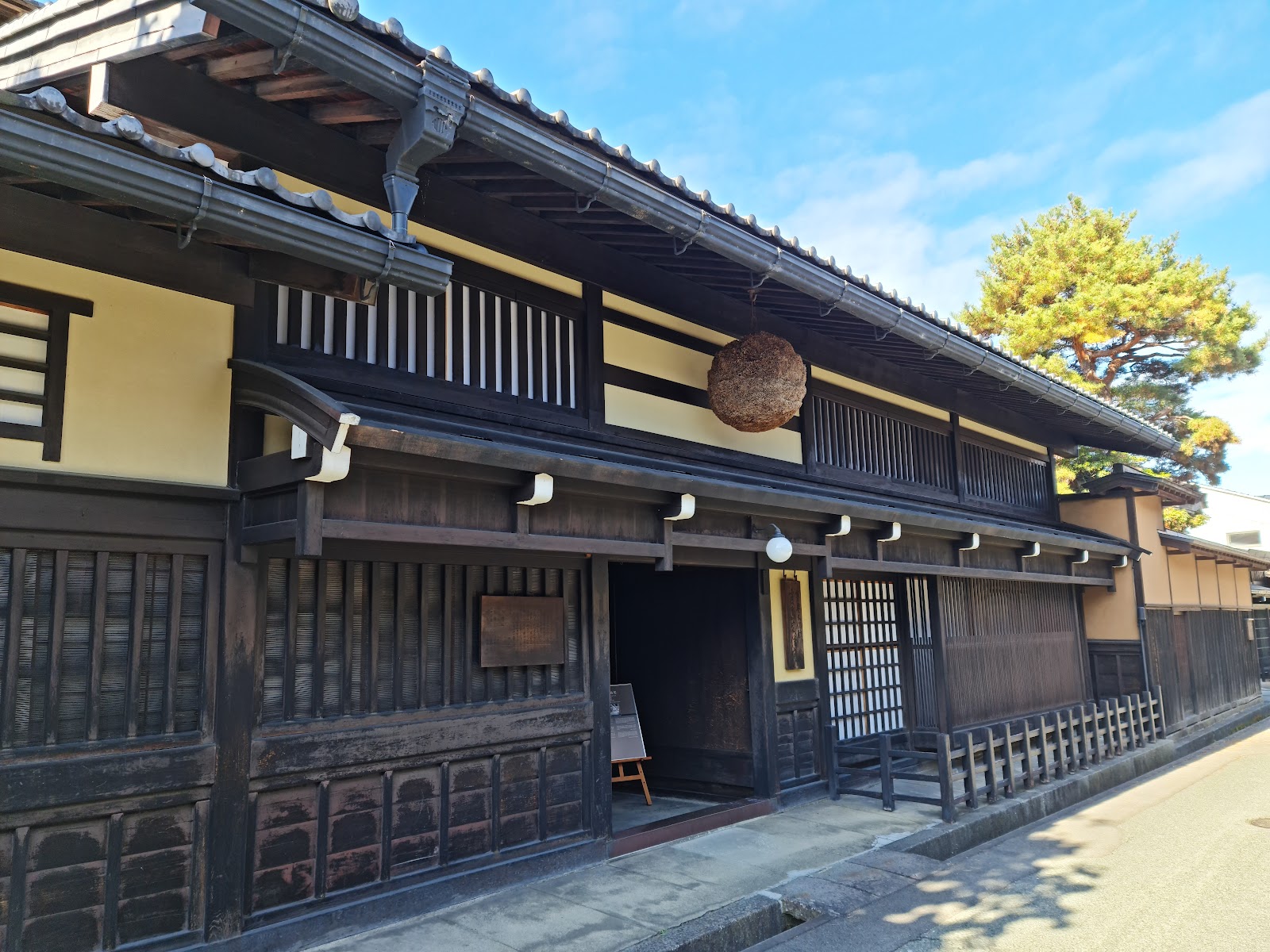
An elegant sake-brewer's mansion prized as a landmark of refined Japanese wooden architecture.
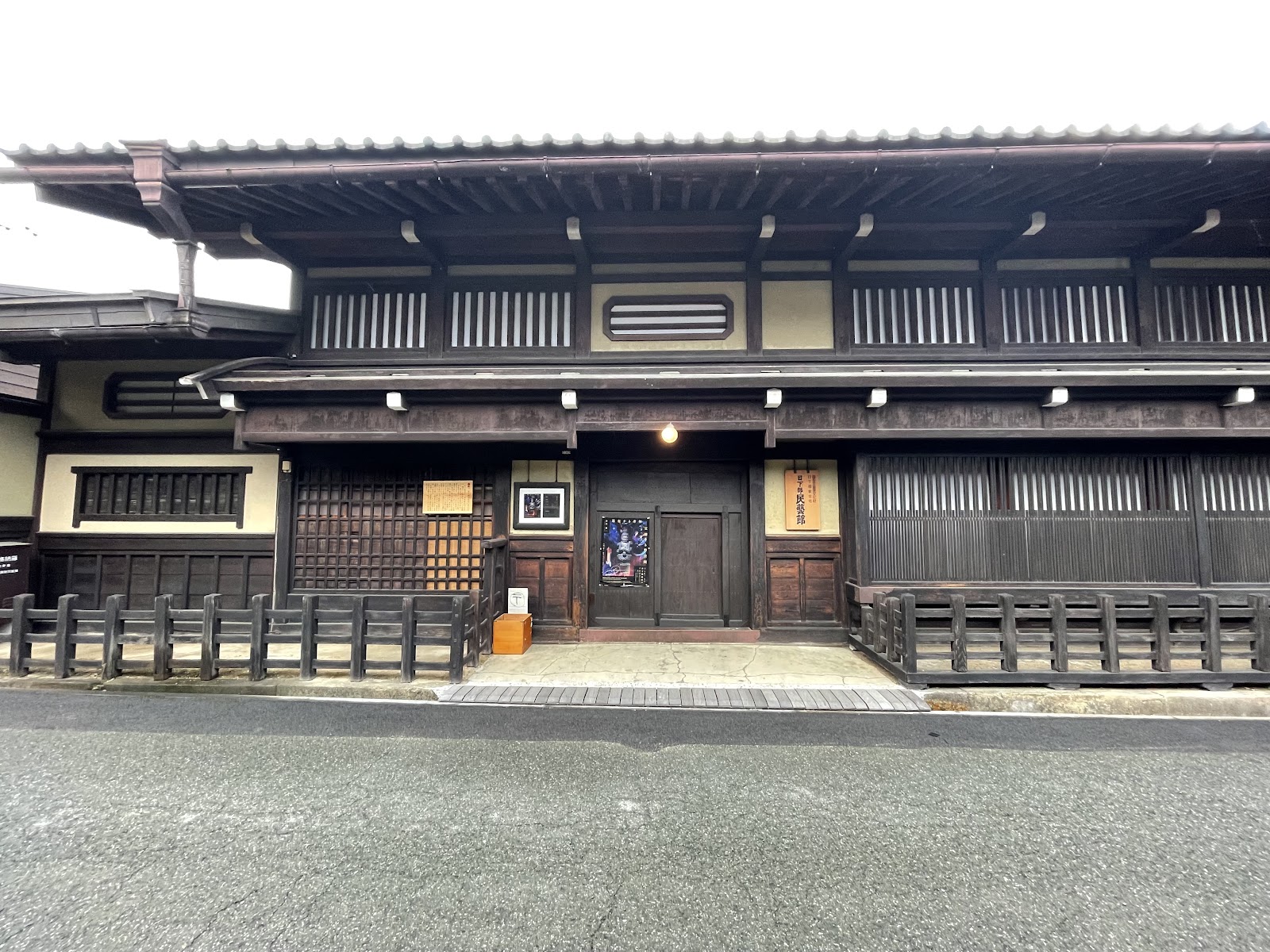
The Yoshijima Heritage House, or Yoshijima-ke, is one of the most admired pieces of traditional wooden architecture in Japan and a designated Important Cultural Property. Built in its present form in 1907 by a prosperous Takayama family of sake brewers and financiers, it is renowned not for grandeur of scale but for the grace, lightness and structural clarity of its design, qualities that have made it a place of pilgrimage for architects and designers from around the world.
The heart of the house is its breathtaking entrance hall. Here a lattice of slender wooden beams and pillars rises toward a high skylight, and on a bright day sunlight pours down through the opening to illuminate the pale, polished timber in shifting patterns. The effect is at once airy and precise, an interplay of light, line and shadow that feels almost modern despite being rooted in centuries-old joinery. Unlike the heavier, darker merchant houses of the era, Yoshijima was built with an aesthetic sensibility that prized refinement and luminosity, reflecting the cultured taste of a brewing family whose livelihood depended on clean water and careful craft.
Because it was a sake brewer's residence, the building combines living quarters, reception rooms and the practical spaces of a business under one roof, and its layout repays slow exploration. Sliding screens open onto a small garden, tatami rooms flow into one another, and the exposed structural framework is celebrated rather than concealed, allowing visitors to read the logic of the construction directly. Interpretive materials explain the techniques of the Hida carpenters and the significance of the house within the history of Japanese domestic architecture.
Yoshijima is almost always mentioned in the same breath as the neighbouring Kusakabe Heritage House, and with good reason: the two stand side by side and are best appreciated together. Kusakabe is robust, dark and imposing, an emblem of merchant power, while Yoshijima is delicate, bright and elegant, an emblem of merchant taste. Walking from one directly into the other is a memorable lesson in how two families of similar wealth expressed themselves through utterly different architectural moods, both realised by the same tradition of master carpentry.
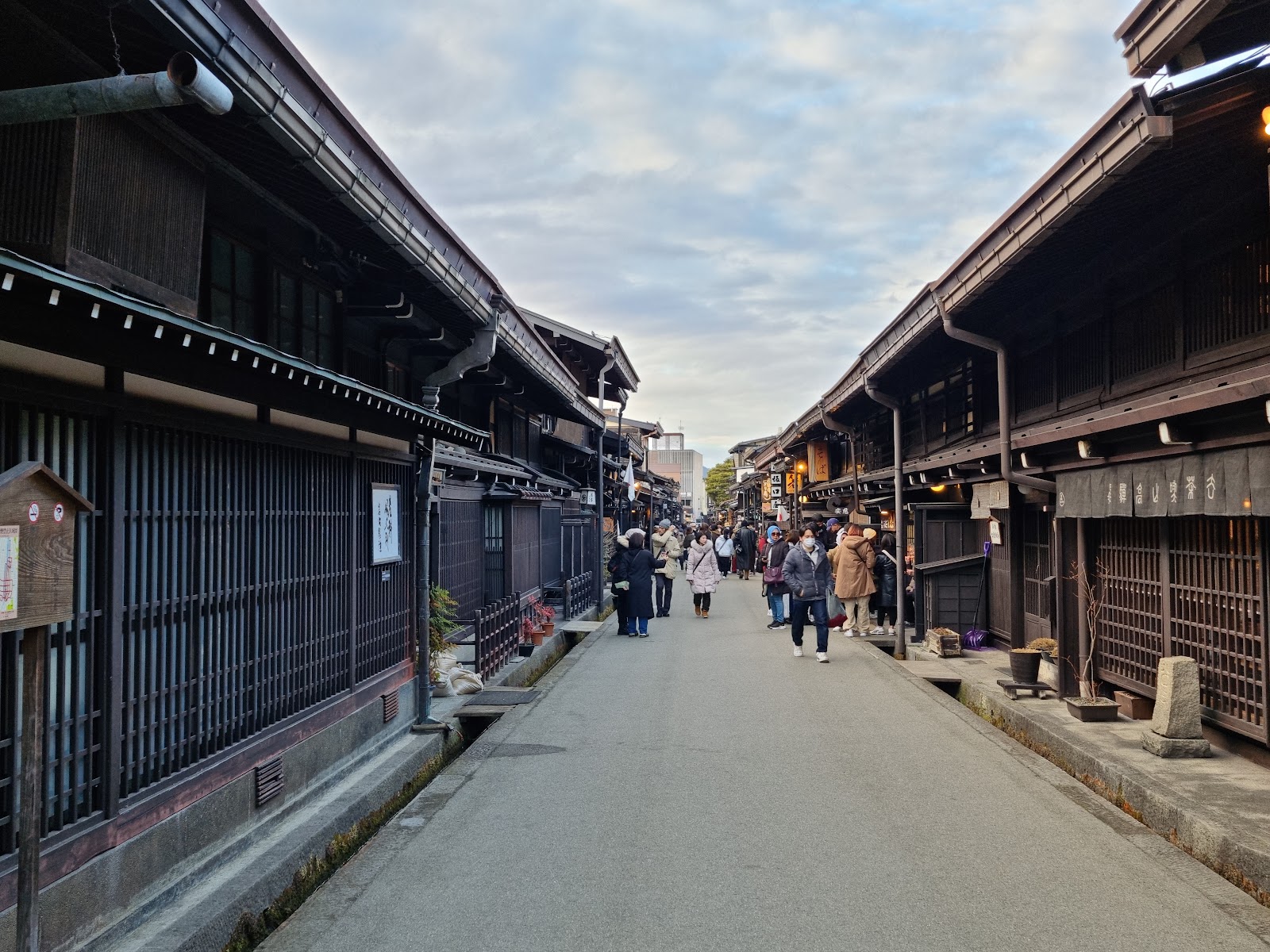
A visit takes around forty minutes. The atmosphere is calm and meditative, and photographers in particular will want to linger beneath the skylit beams. The house is quieter than the shop-lined lanes nearby, offering a restful pause, and there are restrooms on site. Its position just north of the Sanmachi preservation district makes it a natural inclusion on any walking tour of the old town.
From Takayama Station it is about a fifteen-minute walk east across the Miyagawa River toward the northern edge of the historic quarter. Opening hours run roughly 09:00 to 17:00, a little shorter in winter, with admission around 500 yen. For travellers with any interest in architecture, craftsmanship or the quiet beauty of traditional Japanese interiors, the Yoshijima Heritage House is an essential and deeply rewarding stop in Takayama.
A local's tip
Stand beneath the soaring beam lattice and look up toward the skylight; the play of natural light on the polished wood is the shot the house is famous for and inspired generations of architects.
Best time to visit
Late morning when sunlight streams through the skylight onto the beams
Getting there
About a 15-minute walk east of Takayama Station, just north of the Sanmachi district beside the Kusakabe Heritage House.
Good to know
- Restrooms
- Architecture display
Plan the whole trip offline
Yoshijima Heritage House (Yoshijima-ke) is one of many places in the Real Japan app — with turn-by-turn directions, nearby spots and full offline maps you can use with no signal.