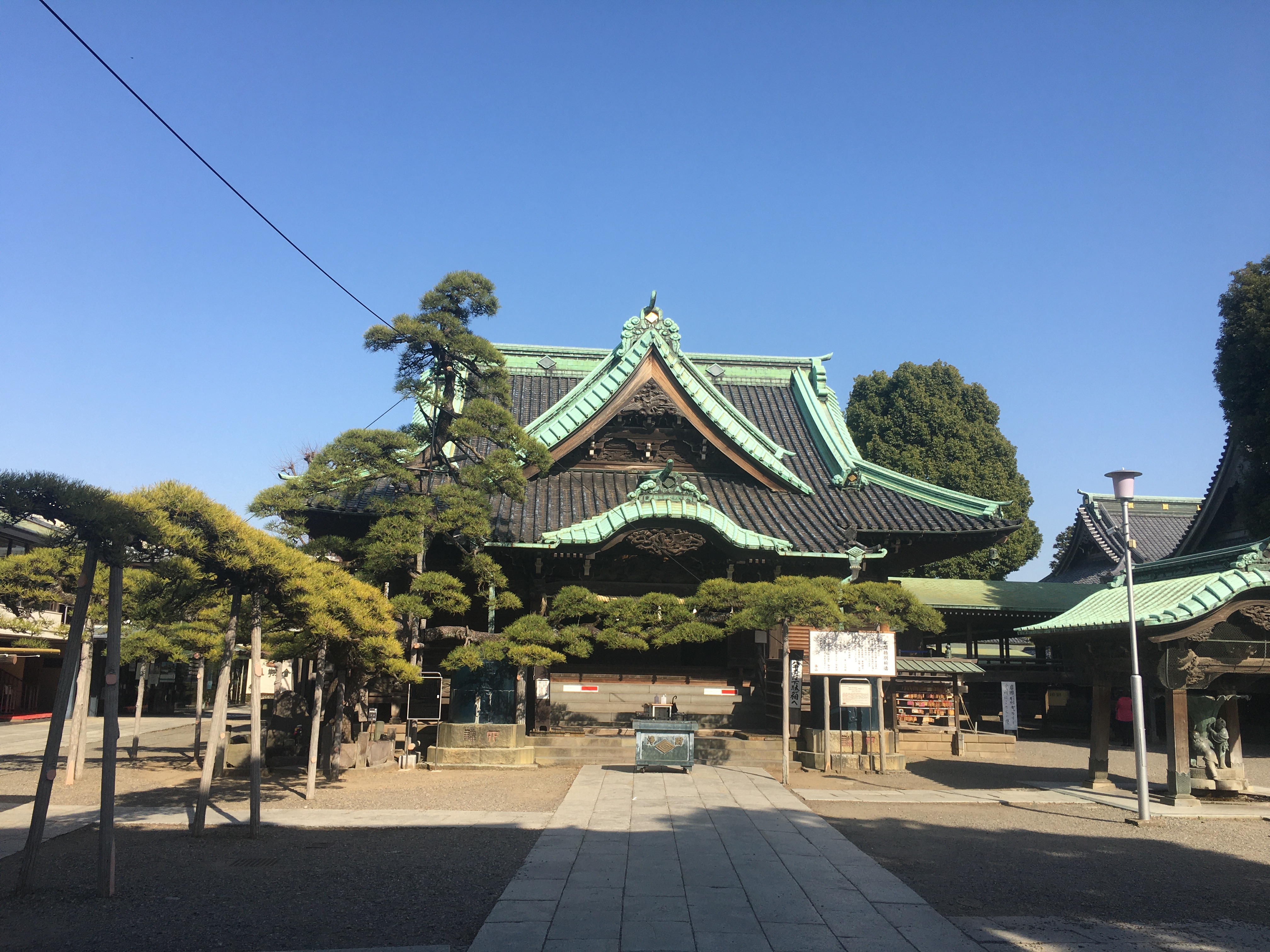
A retro shitamachi temple of jaw-dropping wood carvings, reached down a nostalgic old sweet-shop street.
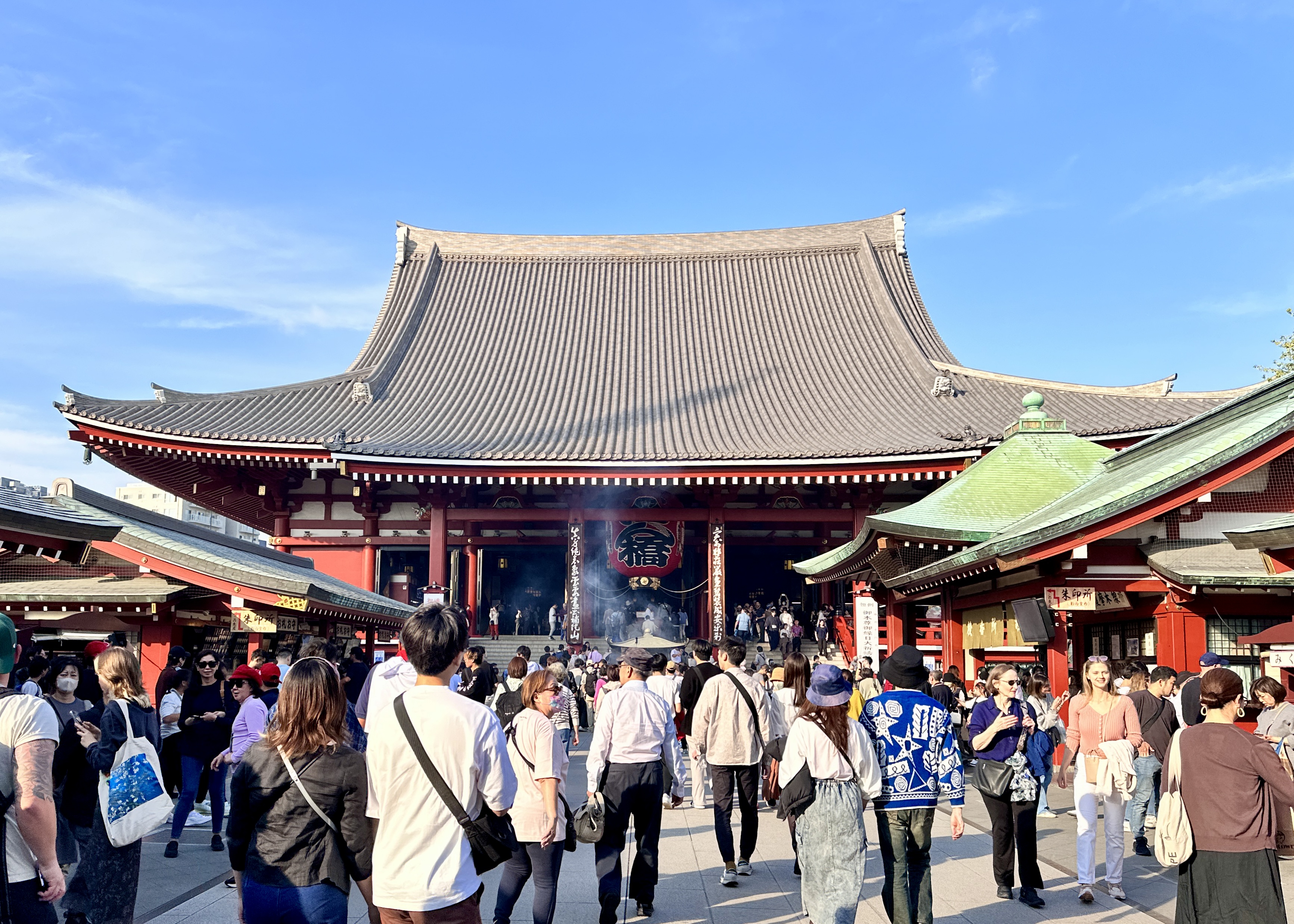
Out in the far northeast of Tokyo, in Katsushika ward near the Edogawa River, Shibamata Taishakuten offers a step back into an older, gentler Japan that the central city has largely lost. Officially named Kyōei-zan Daikyō-ji, it is a Nichiren-shū Buddhist temple founded in 1629, and it is beloved for three things: its extraordinary wood carvings, its nostalgic approach street, and its starring role in one of Japan's most cherished film series.
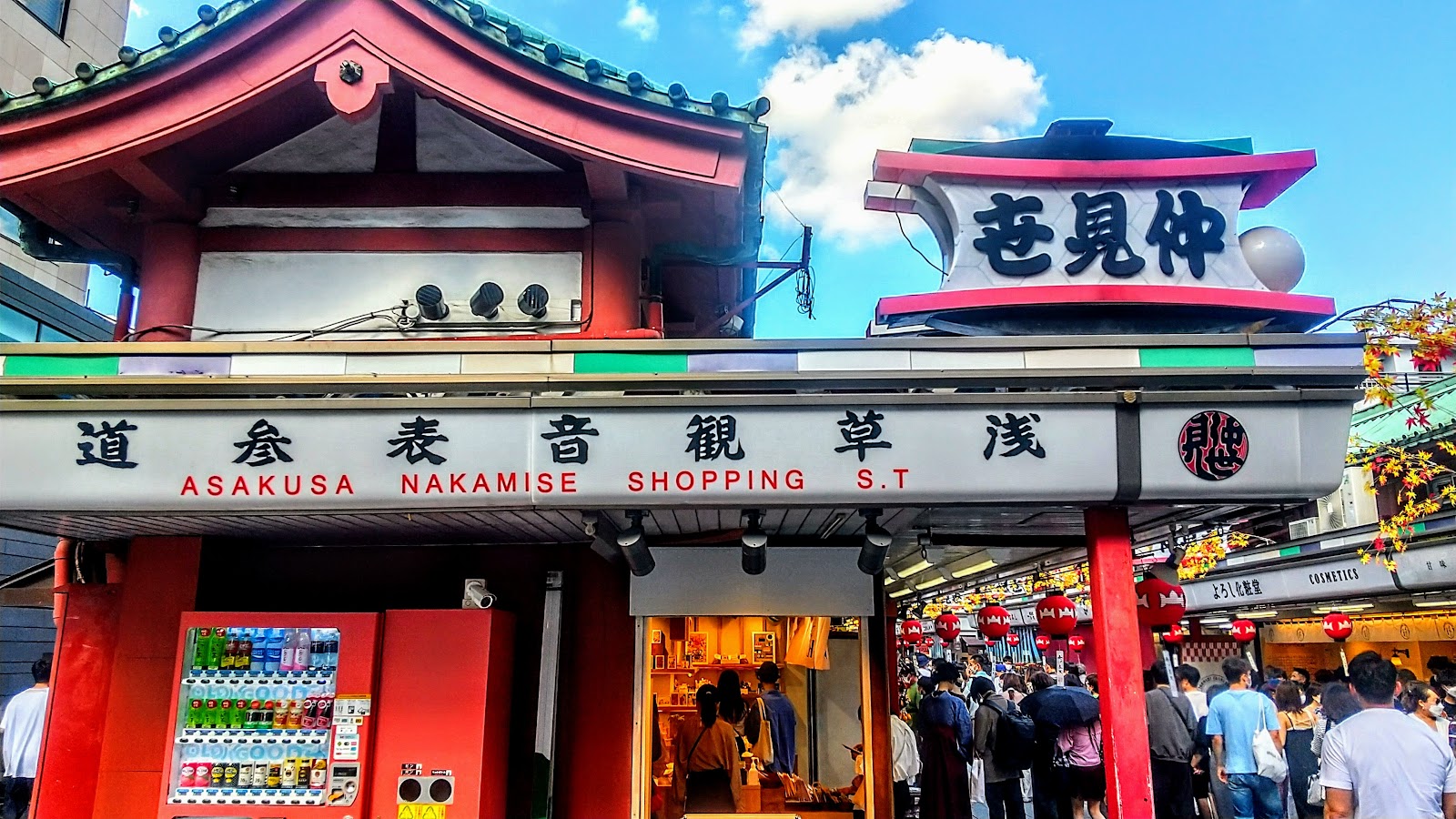
The journey begins the moment you leave tiny Shibamata Station, where a statue of Tora-san — the wandering, warm-hearted hero of the 48-film comedy series Otoko wa Tsurai yo — greets arrivals. The films, made between 1969 and 1995, were set here, and the short Taishakuten Sandō approach street still looks the part: a low corridor of wooden shops selling grilled dango, senbei crackers, tsukudani and hand-made sweets, the air thick with the smell of roasting rice cakes. It is one of the most atmospheric shopping streets in Tokyo and a destination in its own right.
At the end stands the temple, whose principal object of worship is a wooden tablet of Taishakuten (the Buddhist guardian deity Indra) said to have been carved by Nichiren himself and rediscovered inside the hall in 1779. But the true marvel is architectural. The Taishakudō hall is wrapped in a series of intricately carved wooden relief panels, the Legends of the Lotus Sutra, executed by master carvers over many years in the early 20th century. Layer upon layer of figures, waves, clouds and animals are cut so deeply that the panels seem almost three-dimensional — a masterpiece of Japanese woodwork that rewards slow, close looking. A protective glass gallery lets you walk right up to them.
Behind the hall lies the Suikei-en, a small but exquisite traditional garden of ponds, stones and clipped pines viewed from an encircling wooden corridor — the perfect place to sit and absorb the craftsmanship. A modest combined ticket covers both the carving gallery and the garden, while the main grounds are free to enter.
The visiting experience is unhurried and deeply local, with far more Japanese day-trippers than foreign tourists. The temple and street are largely flat and easy to navigate, and the whole outing — street, temple, carvings, garden — fills a relaxed hour or two. Nearby you can walk to the Edogawa riverbank and ride the Yagiri-no-Watashi, the last hand-poled ferry in Tokyo, for an extra dose of old Japan.
Getting there takes about 40 minutes from central Tokyo: ride to Keisei-Takasago and change to the short Keisei Kanamachi Line for Shibamata, from where the temple is a three-minute walk. It is one of the best half-day escapes in the city for travellers who want atmosphere and craftsmanship over crowds.
A local's tip
Pay the small fee to see the astonishing carved wooden panels wrapping the inner hall — then eat a grilled dango sweet on the retro shopping street made famous by the Tora-san films.
Best time to visit
Any clear day; weekends for full old-town atmosphere
Getting there
From Shibamata Station on the Keisei Kanamachi Line, walk 3 minutes down the old Taishakuten Sando shopping street to the temple gate.
Good to know
- Garden
- Restrooms
- Food street
- Sculpture gallery
Plan the whole trip offline
Shibamata Taishakuten is one of many places in the Real Japan app — with turn-by-turn directions, nearby spots and full offline maps you can use with no signal.