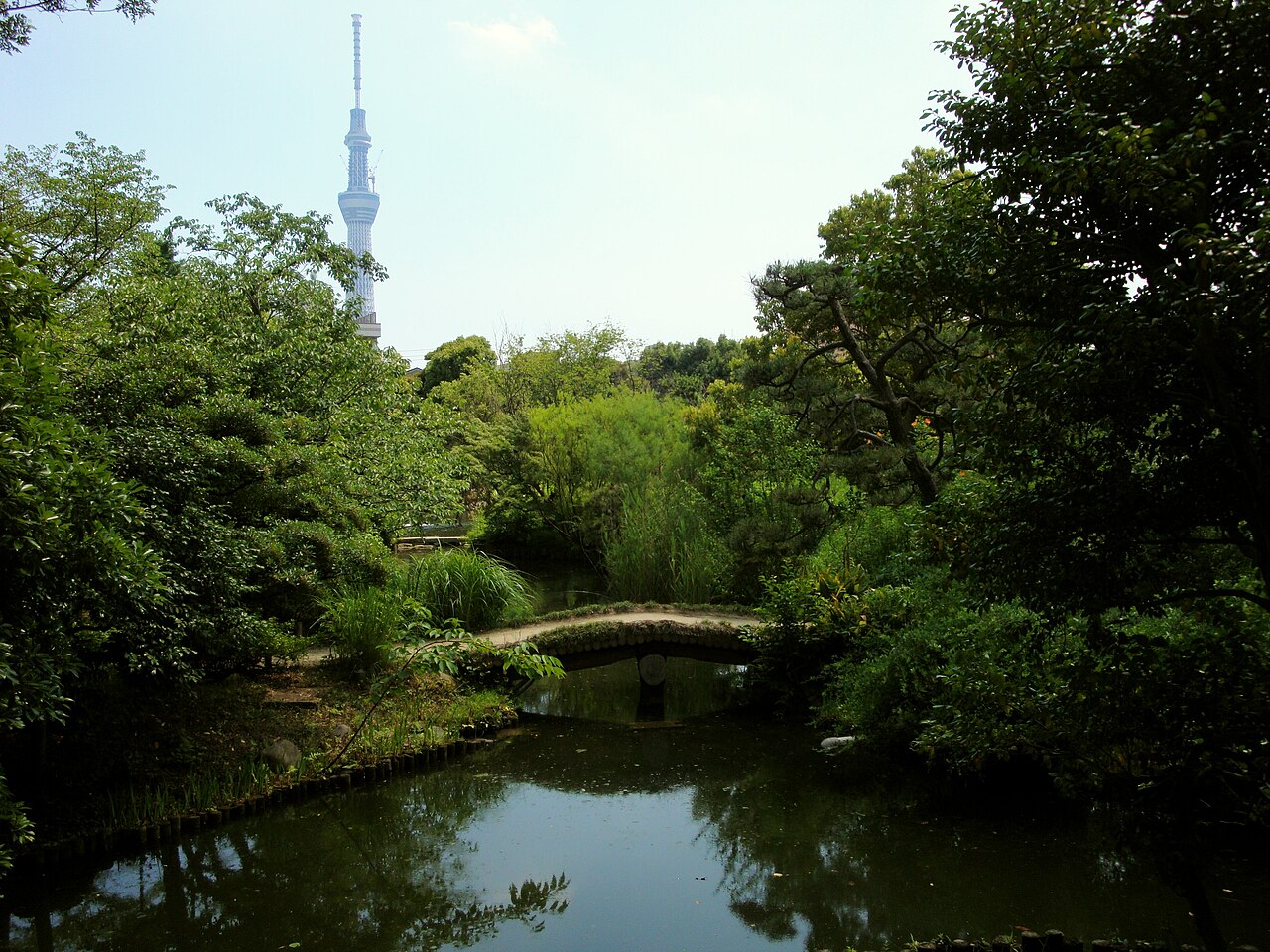
The only surviving Edo-period flower garden in Tokyo, a poetic merchant's retreat famous for its autumn bush-clover tunnel.
Mukojima-Hyakkaen is a small, intimate, and utterly charming garden in Tokyo's old shitamachi east side, notable as the only flower garden surviving from the Edo period in the entire city. Where the great daimyo gardens were built by lords to display power and recreate famous landscapes, Hyakkaen was created by and for townspeople—a democratic, literary, flower-filled retreat whose gentle scale and seasonal blossoms have delighted ordinary Tokyoites for more than two centuries.
The garden was founded around 1804 by Sahara Kiku, a successful antiques merchant, who with the help of poet and artist friends planted the grounds with flowers chosen to bloom across all four seasons. Its name, Hyakkaen, means "garden of a hundred flowers," and it was conceived from the start as a place of culture as much as horticulture: a salon where writers, painters, and haiku poets gathered, composed, and left their verses. More than thirty stone monuments scattered through the garden are inscribed with poetry by those literary visitors, giving the grounds a quiet, contemplative atmosphere quite different from Tokyo's grander pleasure gardens.
The garden's most famous feature is its hagi tunnel, a long arched bamboo trellis draped with bush clover that in September bursts into a canopy of tiny purple-and-white blossoms; walking beneath it as the flowers nod overhead is one of the loveliest and least-known seasonal experiences in Tokyo. But something is always in bloom: plum blossom perfumes the garden in late February, followed through the year by irises, morning glories, and the seven traditional flowers of autumn. A central pond, rustic wooden shelters, and winding earthen paths complete the deliberately unpretentious, homely design.
The garden has endured a great deal to survive. It weathered the industrialisation of the surrounding district, a major flood in 1910, and the firebombing of 1945, which burned it to the ground; it was faithfully restored and reopened in 1949, and in 1978 was designated a National Place of Scenic Beauty and Historic Site. That it persists at all, a fragile pocket of Edo culture amid dense working-class streets, is part of its appeal.
The visiting experience is quiet, personal, and refreshingly free of crowds—foreign tourists rarely find their way here, so a visit feels like a local secret. The garden is small and flat and can be enjoyed at a gentle pace in under an hour, with a rest house and restrooms near the entrance; earthen paths make most of it accessible, though they can soften after rain. Admission is just 150 yen.
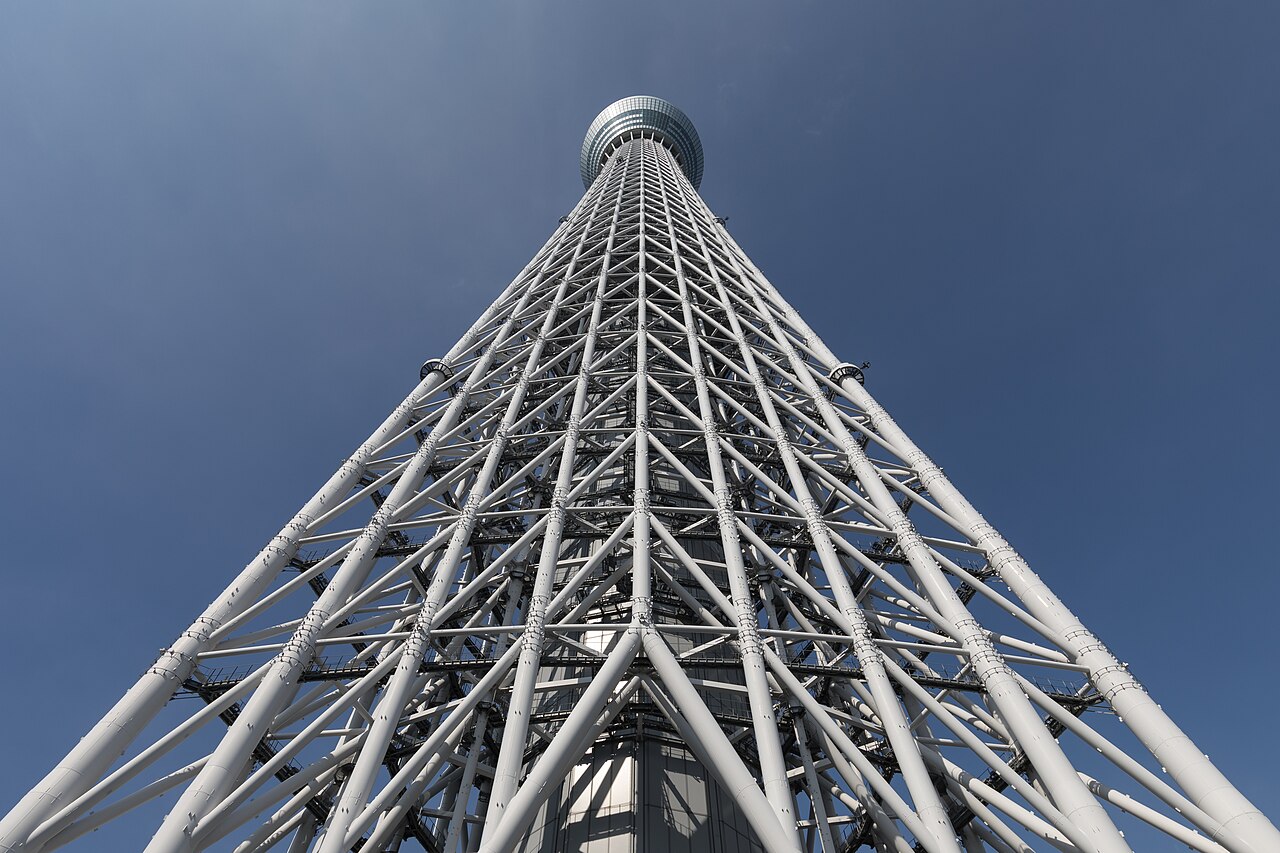
The best time to visit is mid-September for the hagi tunnel or late February for the plum, though the garden charms in every season. From Higashi-Mukojima Station on the Tobu Skytree Line it is about an eight-minute walk. Because Tokyo Skytree rises a short distance to the south, the garden makes a delightful, tranquil counterpoint to that modern landmark, rewarding travellers curious enough to explore the old neighbourhoods of the Sumida ward.
A local's tip
Visit in mid-September when the hagi tunnel—a long arched trellis dripping with purple bush-clover blossom—is at its peak; walking through it is a quietly magical, distinctly old-Tokyo experience almost no foreign tourists know about.
Best time to visit
September for the hagi (bush clover) tunnel; late February for plum
Getting there
From Higashi-Mukojima Station (Tobu Skytree Line) it is about an 8-minute walk. Keisei Hikifune Station on the Keisei Oshiage Line is roughly 13 minutes away, and it can be combined with a walk from Tokyo Skytree.
Good to know
- Restrooms
- Rest house
- Wheelchair
Plan the whole trip offline
Mukojima-Hyakkaen Garden is one of many places in the Real Japan app — with turn-by-turn directions, nearby spots and full offline maps you can use with no signal.