A serene Date-family temple with a classic pond garden, five-storey pagoda and famous iris blooms.
Rinnoji is a peaceful and beautiful Zen temple in the northern Kitayama district of Sendai, celebrated above all for its exquisite Japanese strolling garden, its graceful five-storey pagoda and its seasonal displays of irises and autumn colour. Closely tied to the ruling Date family, it offers a tranquil retreat from the city and one of the finest traditional garden experiences in the Tohoku region.
The temple was founded in the early sixteenth century by the Date clan, before Masamune moved the family seat to Sendai, and was relocated to its present site as one of the important Date family temples when the city was established. It belongs to the Soto school of Zen Buddhism, and for centuries it has served as a place of prayer and remembrance connected to the domain's rulers. Set against the wooded hills at the edge of the city, it retains an air of quiet devotion.
The garden is the temple's crowning glory. Laid out in the classic chisen-kaiyu, or pond-strolling, style, it centres on a large pond crossed by stepping stones and arched bridges, its surface planted with lotus and edged with carefully placed rocks, pines and seasonal flowers. A path winds around the water, revealing changing compositions at every turn, and the elegant vermilion five-storey pagoda rises among the trees behind, its tiers reflected in the still pond to create one of Sendai's most photographed scenes. The pagoda, though a twentieth-century addition, is perfectly proportioned and adds a note of grandeur to the composition.
The garden is designed around the seasons. Spring brings cherry blossom and fresh green; early summer, and especially late June, brings the temple's famous iris beds into brilliant purple and white bloom, along with lotus on the pond; and autumn sets the surrounding maples ablaze, their red and gold mirrored in the water. Even in the quiet of winter the garden holds a spare beauty. Because Rinnoji lies a little away from the main tourist circuit, it is often peaceful, allowing unhurried contemplation of the changing views.
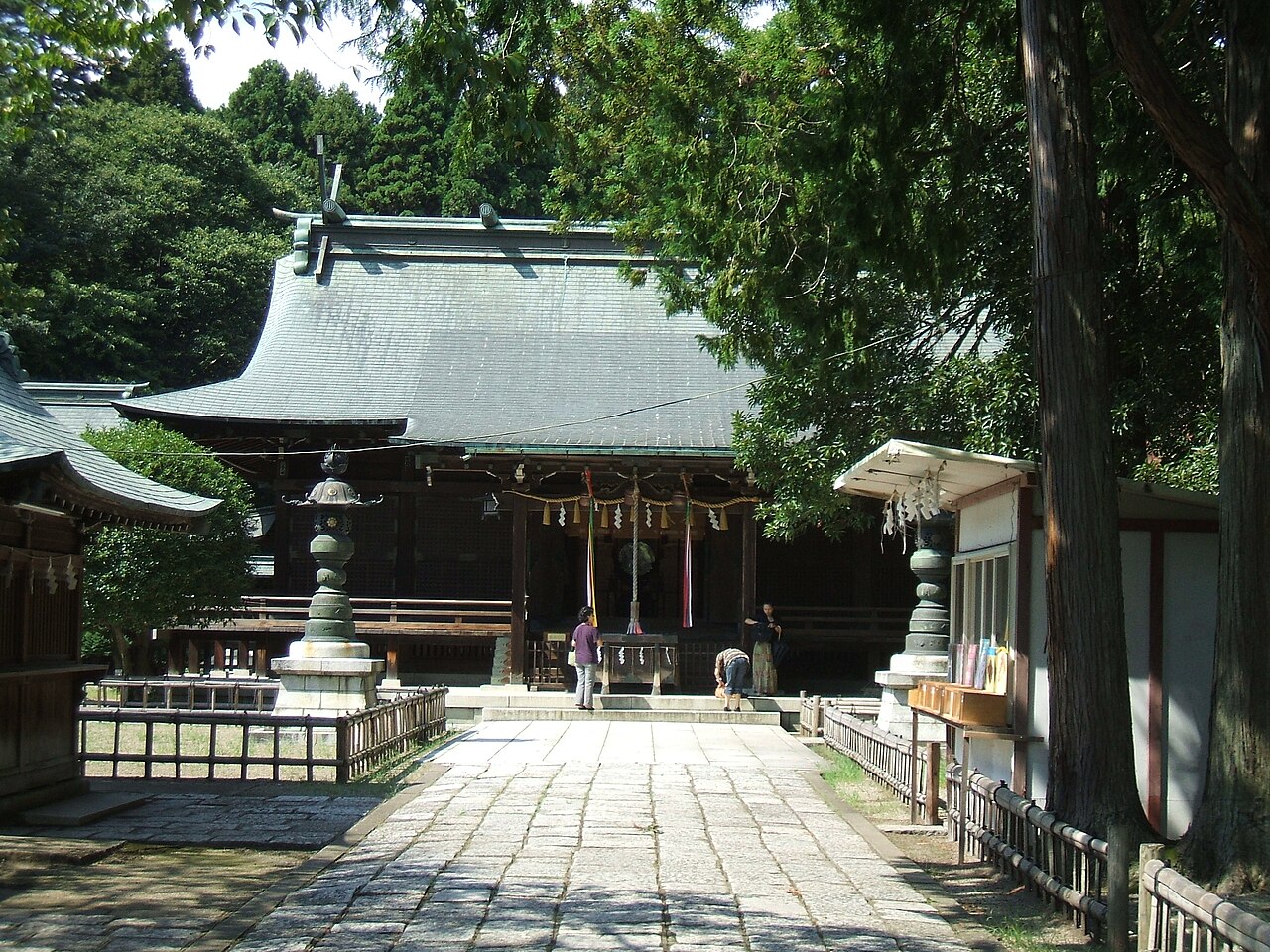
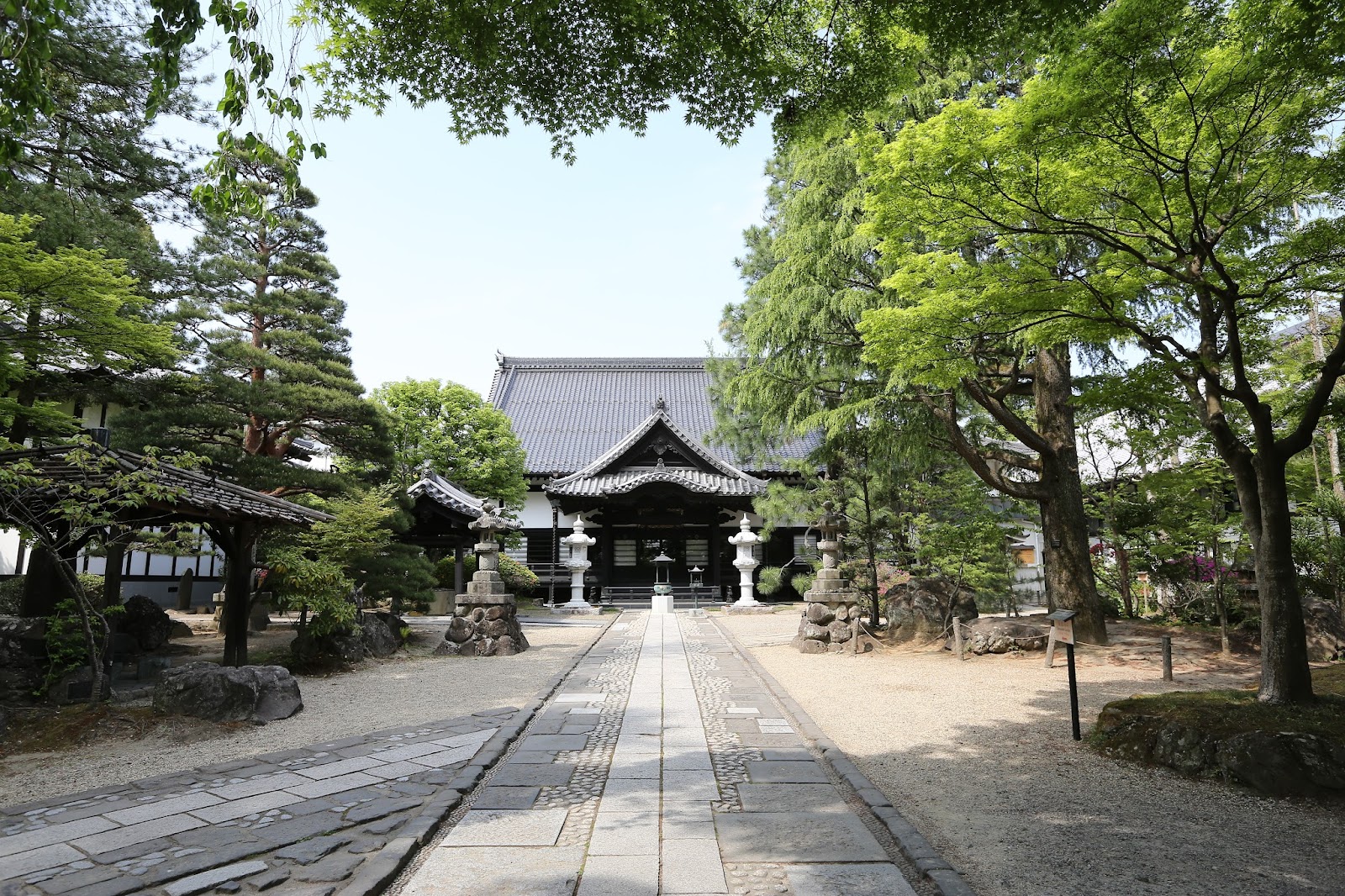
Beyond the garden, the temple grounds include the main hall and other buildings in a restrained Zen style, and the whole complex invites a slow, meditative visit. It is an ideal place to pause and reset between the busier sights of central Sendai.
A visit is easy and inexpensive, with a modest fee for the garden and largely level, accessible paths around the pond, though some sections involve stepping stones. Restrooms and parking are available, and an hour is ample to enjoy the grounds at a relaxed pace.
Getting here is straightforward: Rinnoji lies in the Kitayama temple district in the north of the city, a short walk from JR Kitayama Station on the Senzan Line or a local bus ride from Sendai Station. It can be combined with the other historic temples of Kitayama for a quiet half-day away from the crowds. For garden lovers, and for anyone seeking calm and classic Japanese beauty in Sendai, Rinnoji, with its pagoda mirrored in the iris pond, is a genuine highlight.
A local's tip
Time your visit for late June when the iris garden is in full bloom and the pond mirrors the pagoda — it is one of the loveliest and least crowded garden scenes in Sendai.
Best time to visit
Late June for irises; autumn for maple reflections
Getting there
From JR Kitayama Station on the Senzan Line walk about 10 minutes to the temple, or take a local bus from Sendai Station toward the Kitayama temple district.
Good to know
- Garden
- Parking
- Restrooms
Plan the whole trip offline
Rinnoji Temple is one of many places in the Real Japan app — with turn-by-turn directions, nearby spots and full offline maps you can use with no signal.