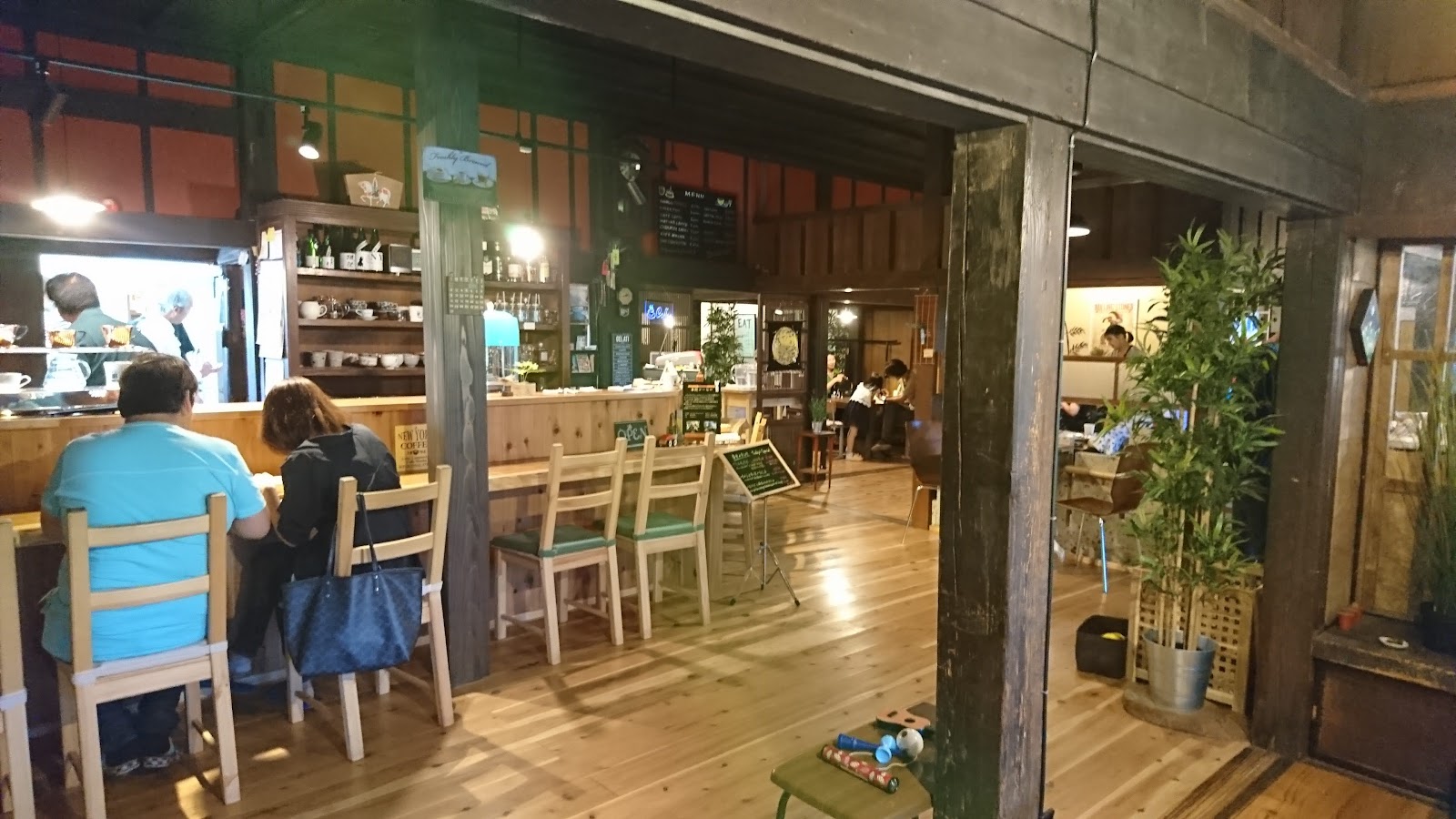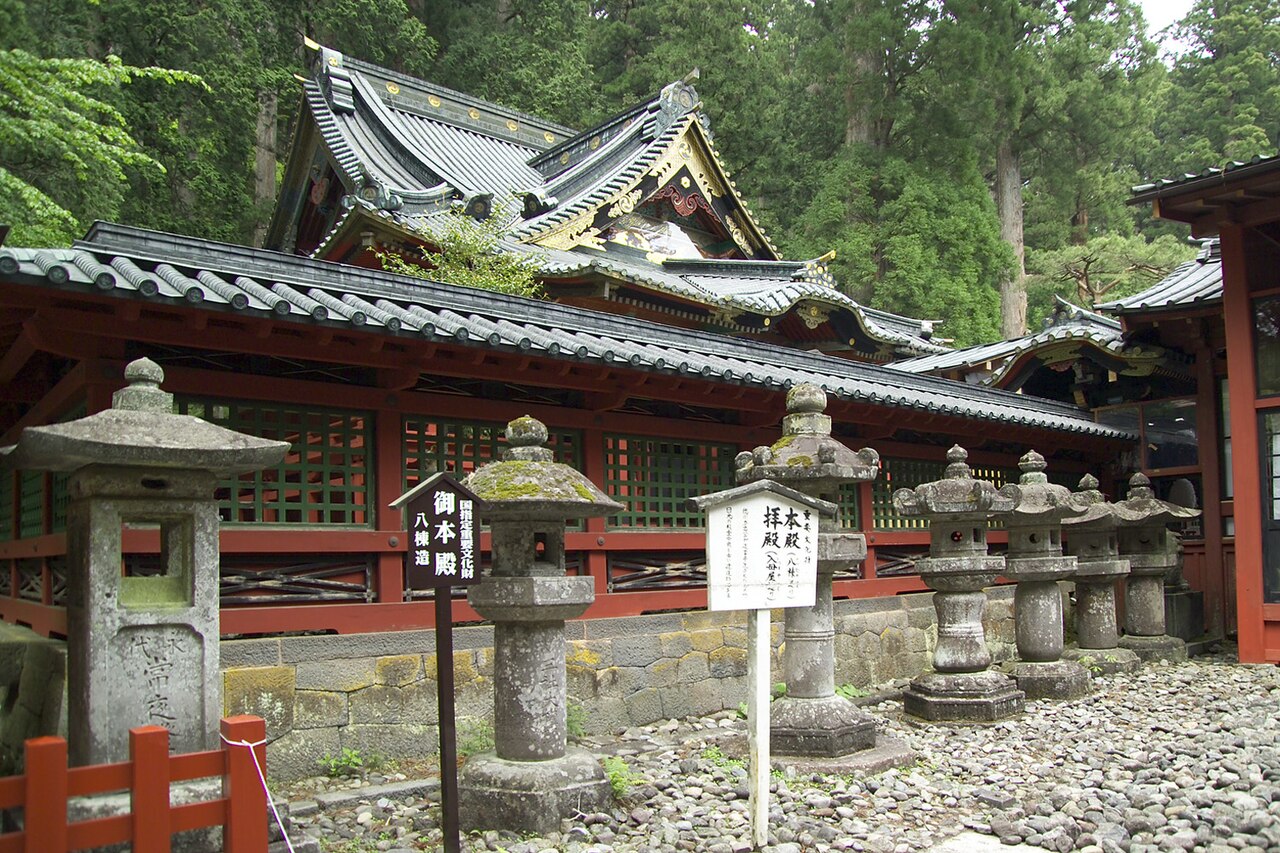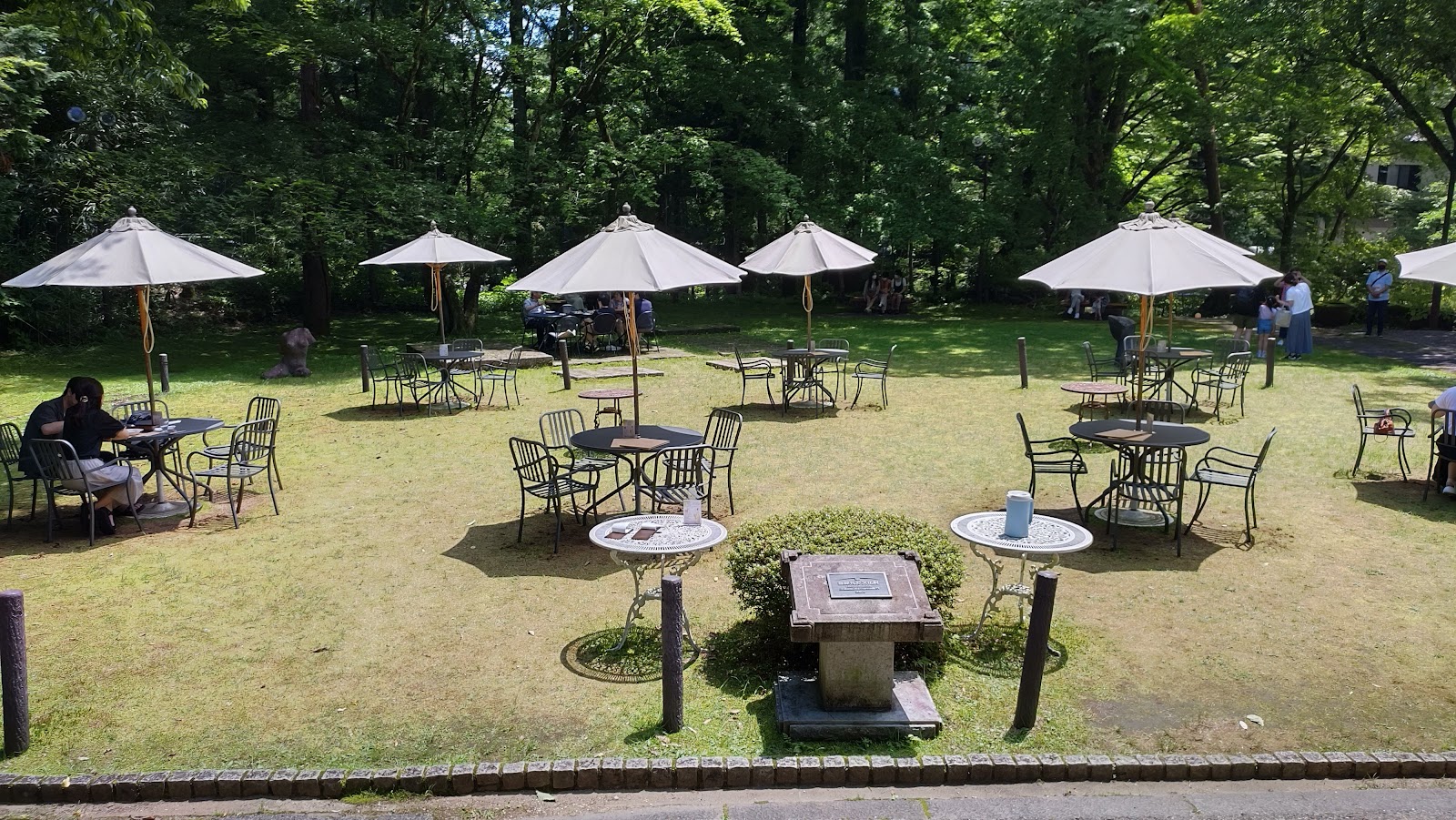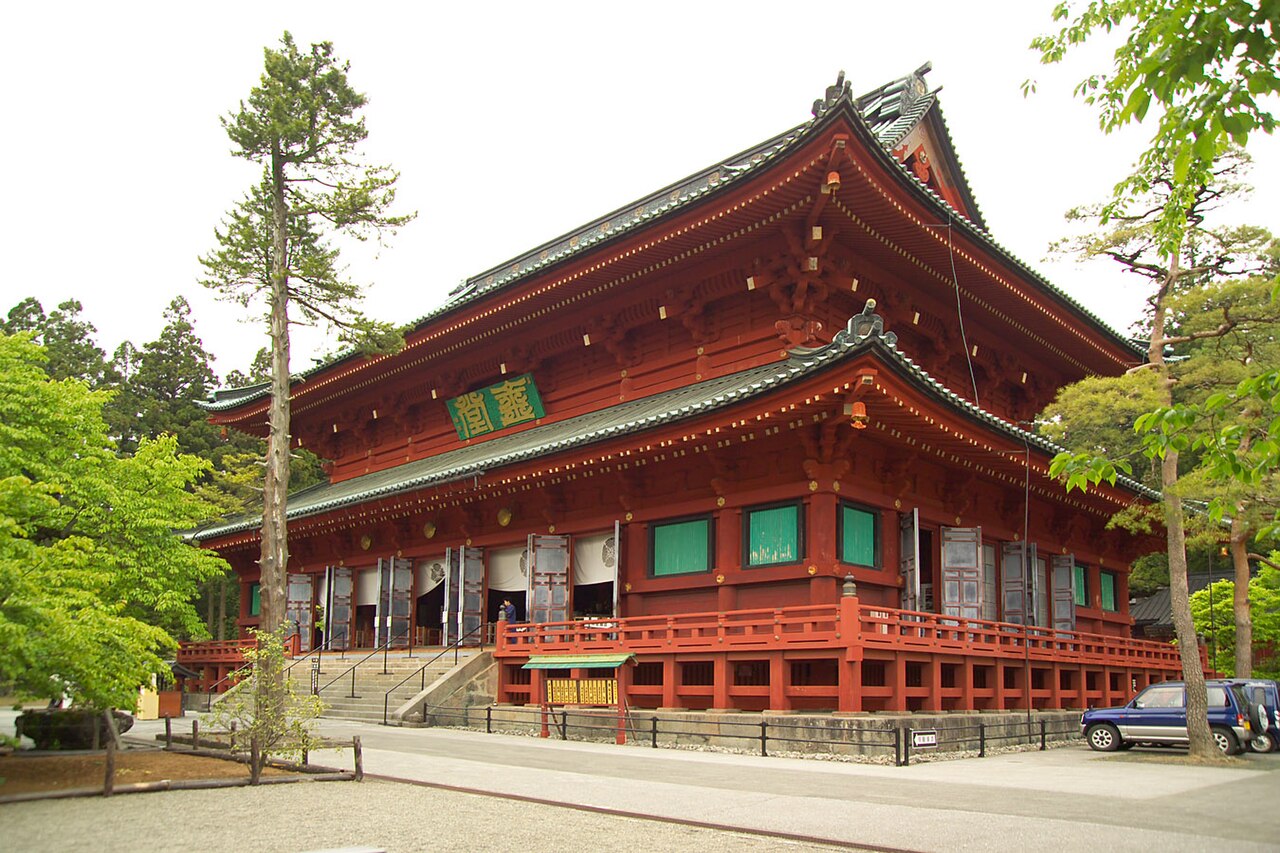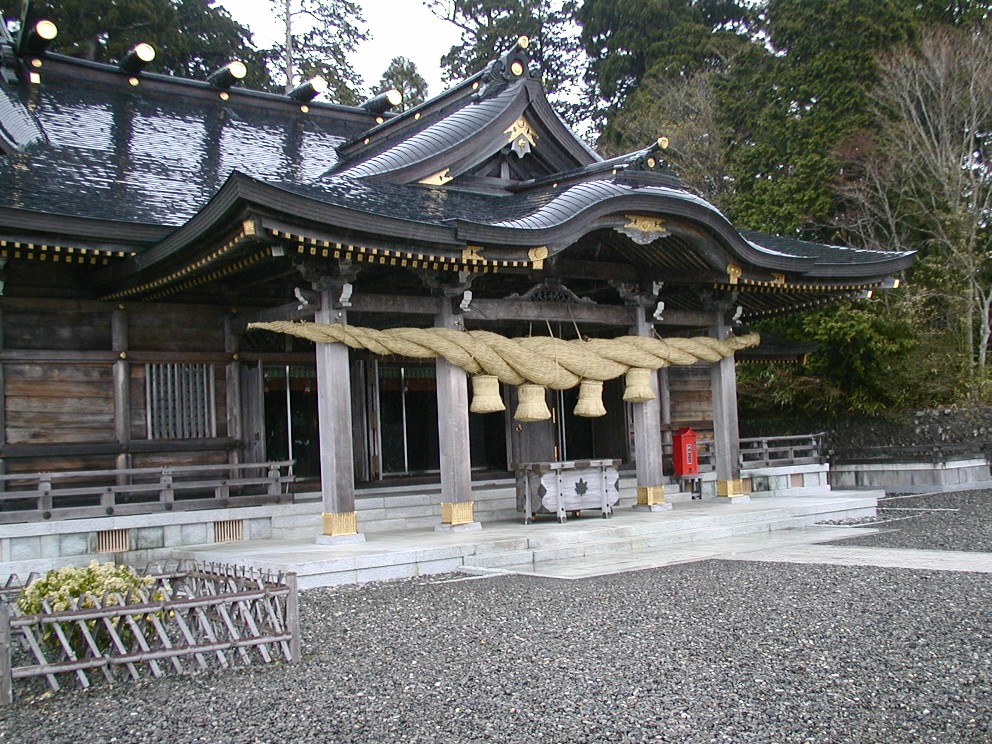
The original site where the monk Shodo founded Nikko, a small, tranquil shrine near the Shinkyo Bridge.
Hongu Shrine is the humble birthplace of sacred Nikko, the spot where the monk Shodo Shonin is said to have established the very first place of worship after crossing the Daiya River in the eighth century. An auxiliary shrine of Futarasan and part of the UNESCO World Heritage complex, it is easily overlooked by the crowds streaming uphill toward the dazzling Toshogu — which is exactly what makes it such a rewarding, peaceful stop.
When Shodo Shonin arrived in 766 and founded his mountain practice, this is where it began: the original Futarasan shrine and the nearby Shihonryu-ji temple (a forerunner of Rinno-ji) once stood on this ground, making Hongu the historical root from which Nikko's entire religious landscape grew. Though the great shrines and temples were later built higher up the slope, Hongu has remained as a quiet marker of those origins, its weathered wooden hall and simple torii standing among tall trees just a short walk above the Shinkyo Bridge.
The shrine's small scale is precisely its charm. Where Toshogu overwhelms with gold and carving, Hongu offers the older, more austere spirit of Shinto mountain worship — unpainted timber, moss, and the sound of the river below. It takes only a few minutes to visit, but standing before the modest hall gives a sense of perspective on everything that followed, and the grounds are almost always calm even when the rest of Nikko is busy.
Because of its location right on the approach between the Shinkyo Bridge and the main World Heritage precinct, Hongu is effortless to include: a brief detour of a few minutes off the main path. It pairs naturally with a walk up from the sacred bridge, and from here it is only a short continuation to Rinno-ji and Toshogu. Nearby also stands the Gohotendo hall, part of the same historic cluster.
The experience is contemplative rather than spectacular, and it appeals especially to travellers who enjoy understanding the story behind a place. Spring wraps the grounds in cherry blossom and fresh green, while autumn brings the maples to red; morning is quietest and the light through the surrounding trees is loveliest early in the day. The site is small, level and free to enter, making it accessible to almost everyone, and there are restrooms and shops back down by the bridge.
Nikko lies about two hours north of Tokyo. Japan Rail Pass holders reach it via the shinkansen to Utsunomiya and the JR Nikko Line, while the Tobu Railway from Asakusa runs direct to Tobu Nikko Station. From either station, walk about twenty minutes up toward the shrines or take the World Heritage sightseeing bus to the Shinkyo stop, from where Hongu is only a short stroll uphill.
A local's tip
Most visitors rush past on their way to Toshogu — step aside into Hongu's quiet grounds to see where Nikko's entire sacred history actually began, usually with no crowds at all.
Best time to visit
Morning
Getting there
Just uphill from the Shinkyo Bridge on the way to the main shrines; take the World Heritage bus to the Shinkyo stop and walk a few minutes toward Rinno-ji.
Good to know
- Restrooms
Plan the whole trip offline
Hongu Shrine is one of many places in the Real Japan app — with turn-by-turn directions, nearby spots and full offline maps you can use with no signal.