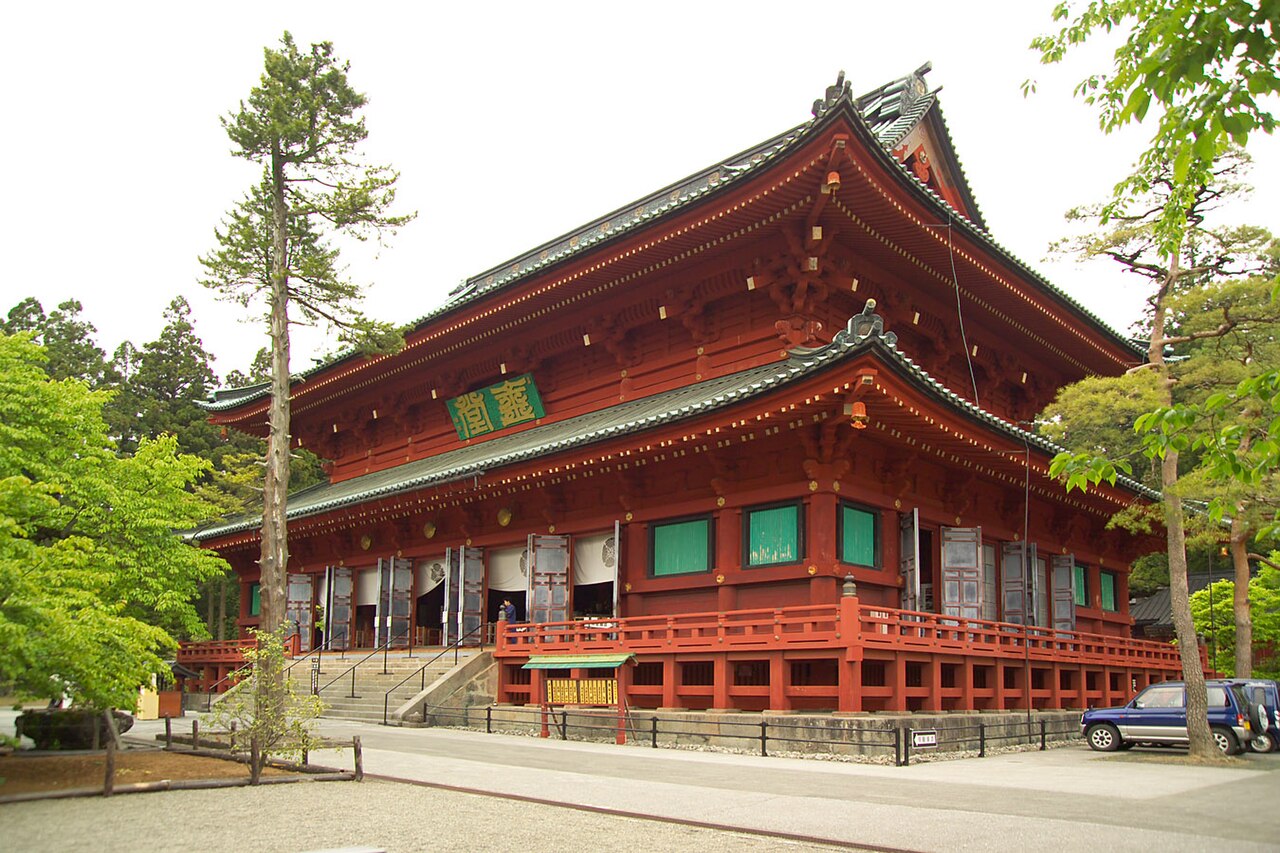
Rinnoji temple's museum of Buddhist art paired with the elegant Shoyo-en strolling pond garden.
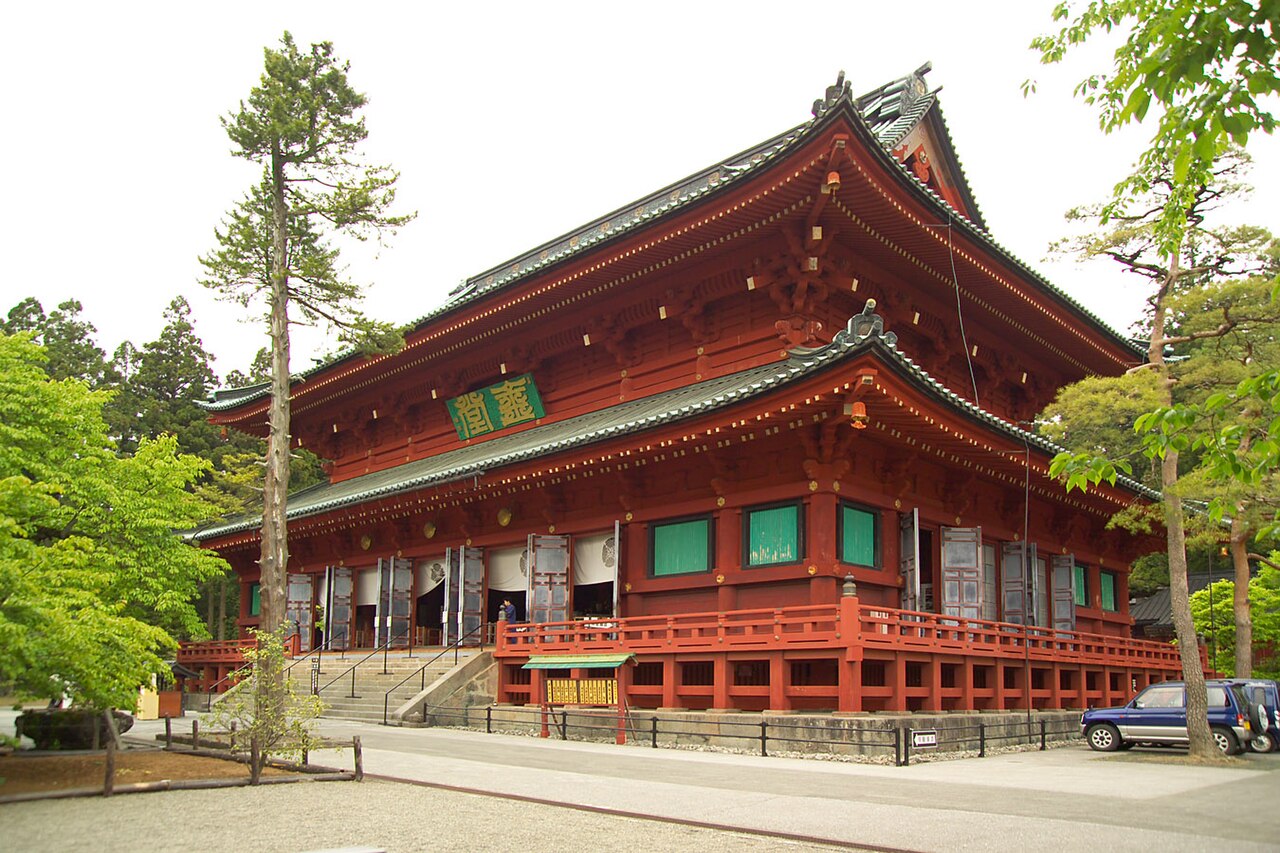
The Rinnoji Treasure House, known as the Homotsuden, is the museum of Nikko's most important Buddhist temple, and it comes with an unexpected bonus: entry also includes Shoyo-en, one of the loveliest small strolling gardens in the region. Rinnoji was founded in the eighth century by the monk Shodo Shonin, the ascetic credited with opening the sacred mountains of Nikko to Buddhist practice, and over the centuries it grew into the spiritual anchor of the whole complex. The temple is best known for its Sanbutsudo, a vast wooden hall sheltering three towering gold-lacquered Buddhist statues, and the Treasure House stands nearby.
Inside the museum, rotating displays draw on a collection of some six thousand objects accumulated over more than a thousand years. Visitors see Buddhist statuary, painted mandalas and hanging scrolls, illuminated sutras, ceremonial implements, calligraphy by imperial abbots and objects connected to the temple's long links with the imperial family and the Tokugawa shoguns. Because Rinnoji served as head temple for the region's Tendai Buddhism and later absorbed the rituals surrounding the deified Ieyasu, its holdings bridge sacred art and political history in a way few single collections do. The galleries are modest in size but rich in quality, with clear seasonal rotations that protect the light-sensitive works.
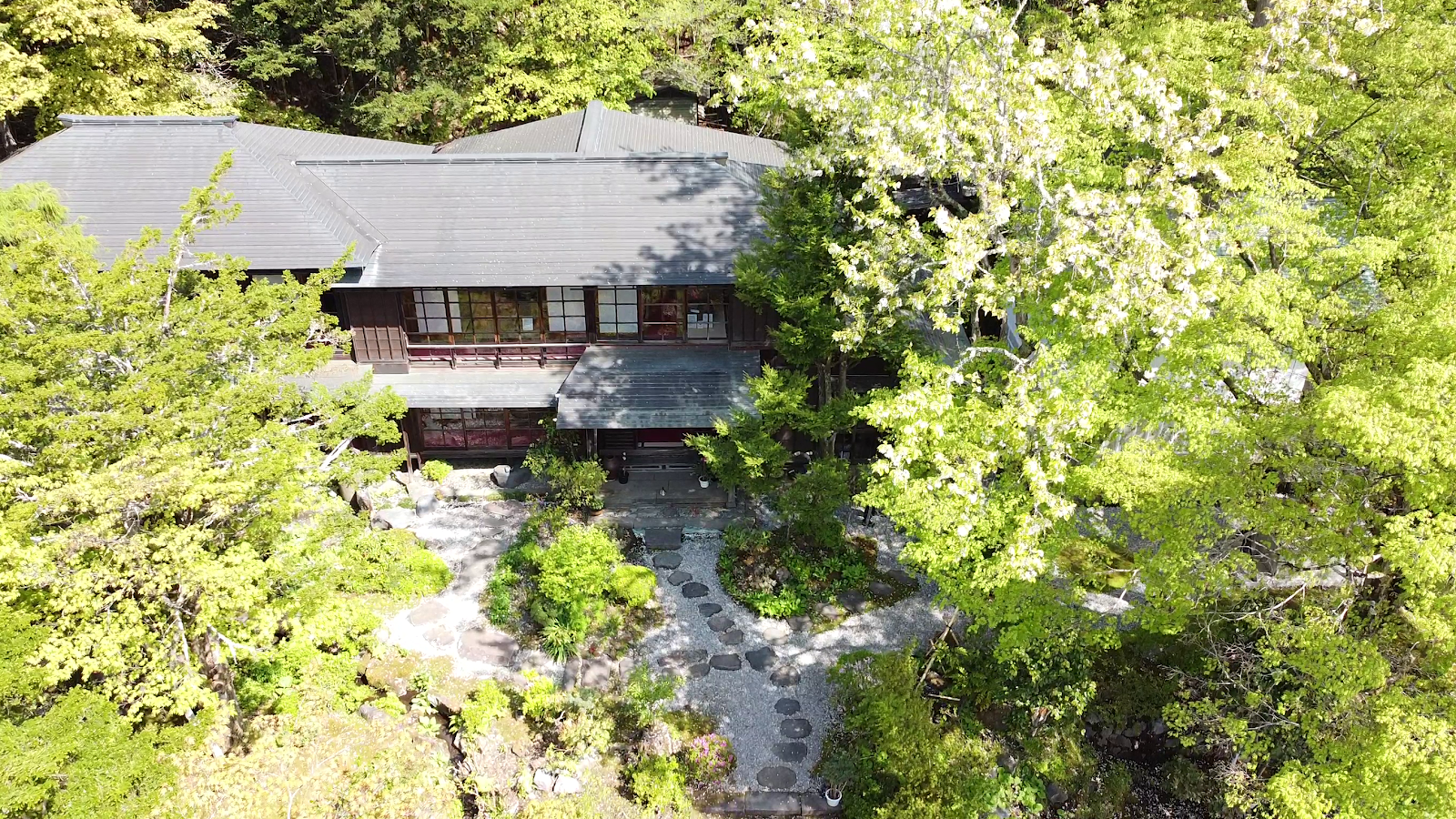
Step out of the museum and Shoyo-en unfolds, a compact pond garden created in the early nineteenth century in the refined stroll-garden style. A path circles the central pond past stone lanterns, carefully placed rocks, a small waterfall and seasonal planting, with borrowed views of the surrounding cedars and hills. In spring the garden is softened by cherry and azalea, and in November it becomes a jewel box of red and gold maples reflected in still water. A tea arbour overlooks the pond, and the whole loop takes only ten or fifteen unhurried minutes, yet it offers the kind of composed, meditative beauty that rewards slowing down.
Together the museum and garden make an ideal pause within a busy Nikko itinerary. Rinnoji is part of the UNESCO World Heritage Shrines and Temples of Nikko, and its precinct lies at the foot of the mountain just beyond the famous vermilion Shinkyo bridge, so it is usually the first major site visitors reach on the walk up from the river. Many people race straight to the flashier Toshogu shrine and miss this quieter, more reflective corner.
To visit, take a short bus ride from either Nikko station to the Shinkyo stop and walk up into the temple grounds. Allow about forty-five minutes for both the galleries and the garden. The best seasons are cherry-blossom time in mid to late April and the koyo foliage peak in the first half of November, but the covered galleries make it a good rainy-day option year round, and the calm it offers is a fine antidote to Nikko's busier attractions.
A local's tip
The 300 yen ticket includes the strolling garden, which most rushed visitors skip entirely, so save it for last and enjoy a quiet pond loop after the galleries.
Best time to visit
Autumn for the garden foliage
Getting there
From either Nikko station take a Tobu bus to the Shinkyo stop, cross toward the sacred red bridge and walk up into the temple precinct; the Treasure House and its garden sit beside the great Sanbutsudo hall of Rinnoji.
Good to know
- Garden
- Restrooms
- Wheelchair access
Plan the whole trip offline
Rinnoji Treasure House and Shoyo-en Garden is one of many places in the Real Japan app — with turn-by-turn directions, nearby spots and full offline maps you can use with no signal.