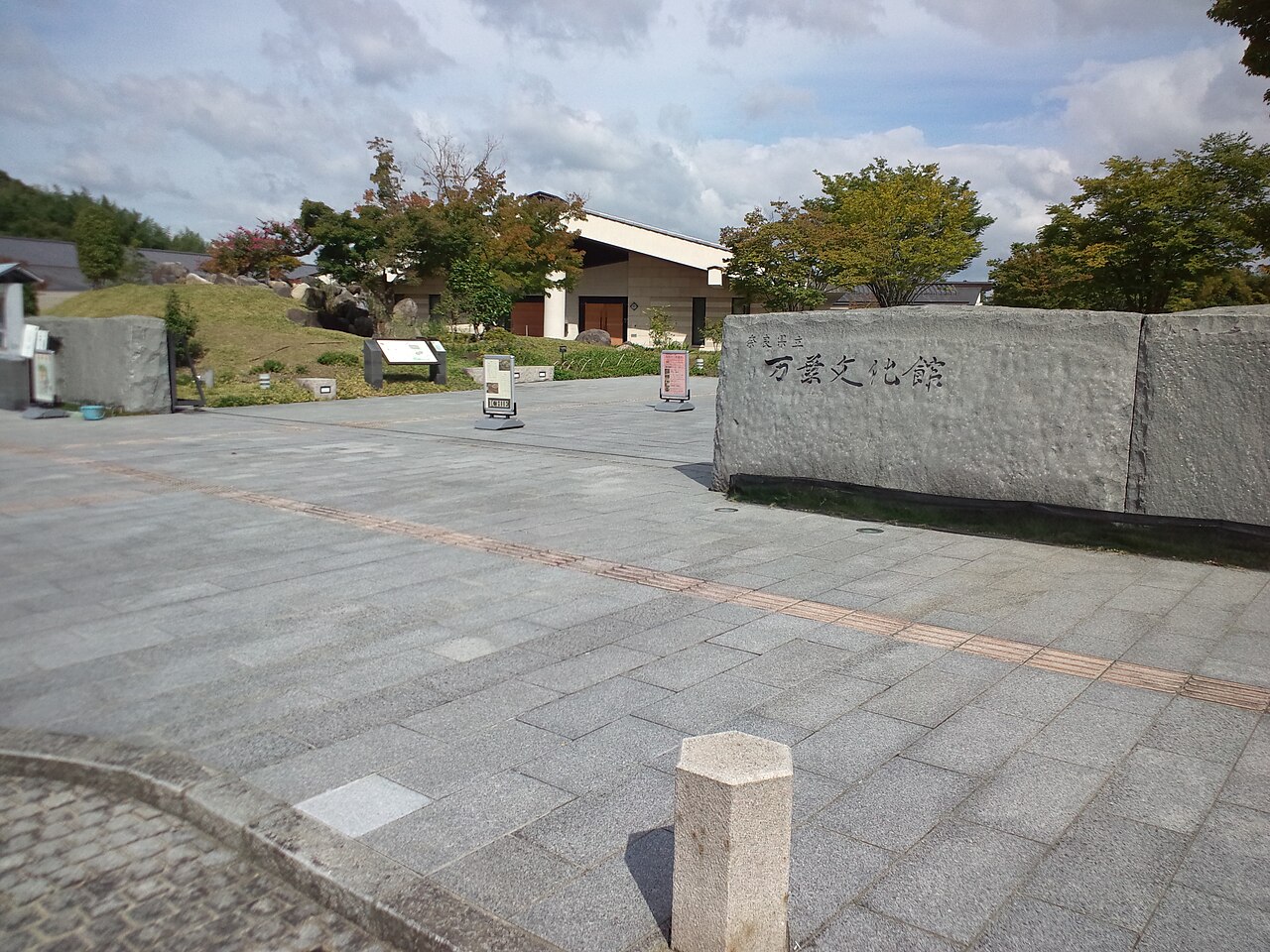
An immersive museum dedicated to the Manyoshu, Japan's oldest poetry anthology, set among the ancient ruins of Asuka.
The Nara Prefecture Complex of Man'yo Culture is a large and imaginative museum devoted to the Manyoshu, the oldest surviving anthology of Japanese poetry, compiled in the 8th century. Standing in the historic village of Asuka in southern Nara Prefecture — the cradle of the early Japanese state — it brings to life a body of verse that most visitors know by name but few have experienced, and does so on the very ground where much of that poetry was written.
The Manyoshu, or Collection of Ten Thousand Leaves, gathers more than four thousand poems by emperors, courtiers, soldiers and commoners alike, offering an unusually democratic window onto the emotions and daily life of Japan more than 1,200 years ago. The museum explores this world through two main exhibition halls. The first presents modern Japanese-style paintings that take the poems as their theme, translating ancient verse into vivid visual scenes. The second is an elaborate, interactive space filled with life-size models of Nara-period people and buildings, a small theatre and dramatic dioramas that recreate the landscapes, seasons and rituals that the poets described. The effect is to make an ancient literary tradition tangible and welcoming even to those who cannot read the original.
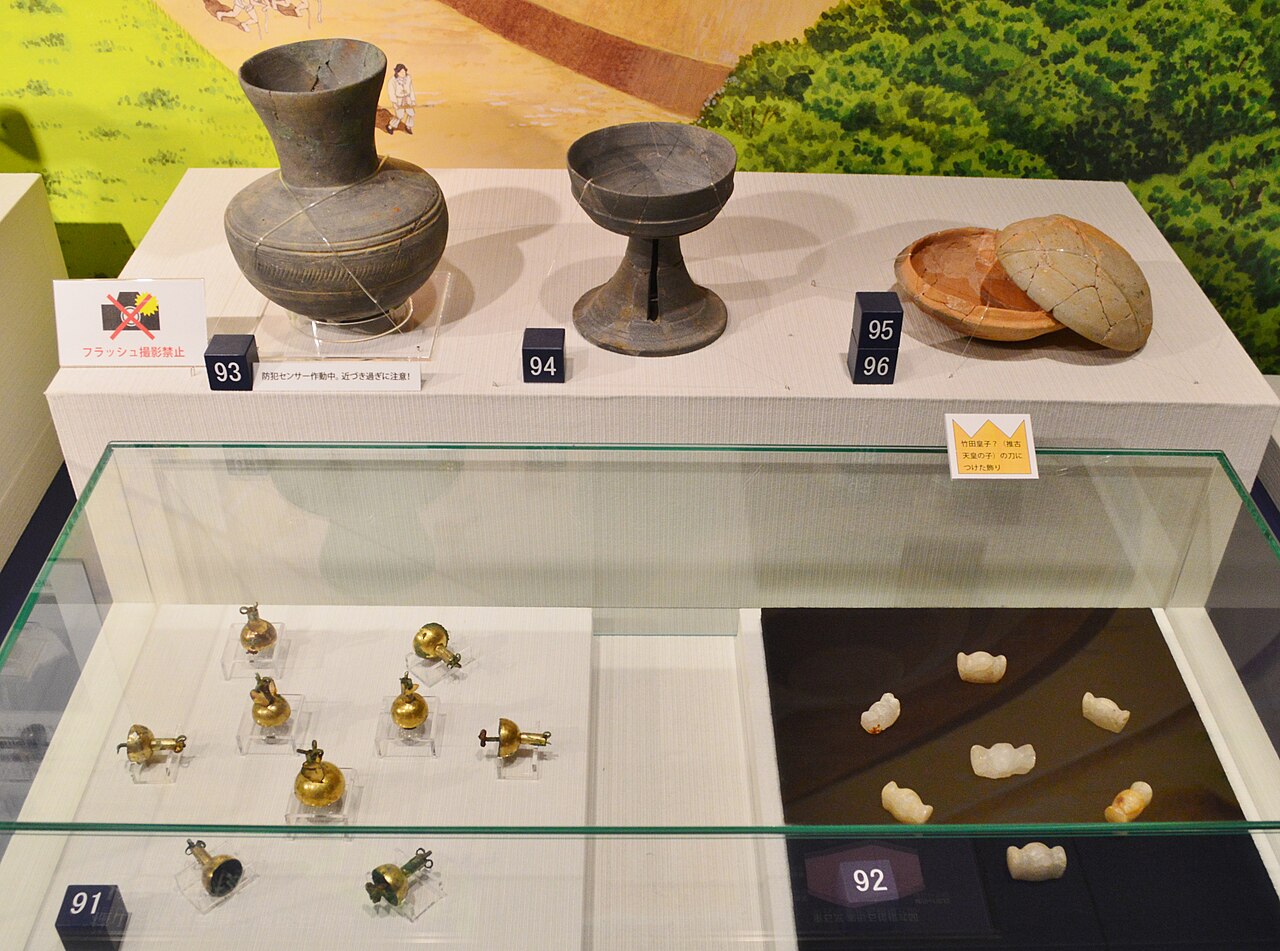
The complex holds a further historical surprise: it was built on the site of Japan's first known mint, and the excavated foundations can be viewed by visitors while examples of the early coins struck there are put on display. This layering of poetry, art and archaeology captures the spirit of Asuka itself, a quiet rural valley that was once the political and cultural heart of the emerging nation, dotted with imperial palaces, temples and the great stone tombs of its rulers.
Practically, the museum is spacious, modern and family-friendly, with a cafe, shop and generous parking. The permanent exhibition is free, an unusual and welcome feature that makes it easy to drop in, while special exhibitions carry a modest charge. Displays are richly visual, though the deepest interpretation is in Japanese; the models and dioramas, however, communicate across any language barrier. The building is accessible, with level floors and lifts.
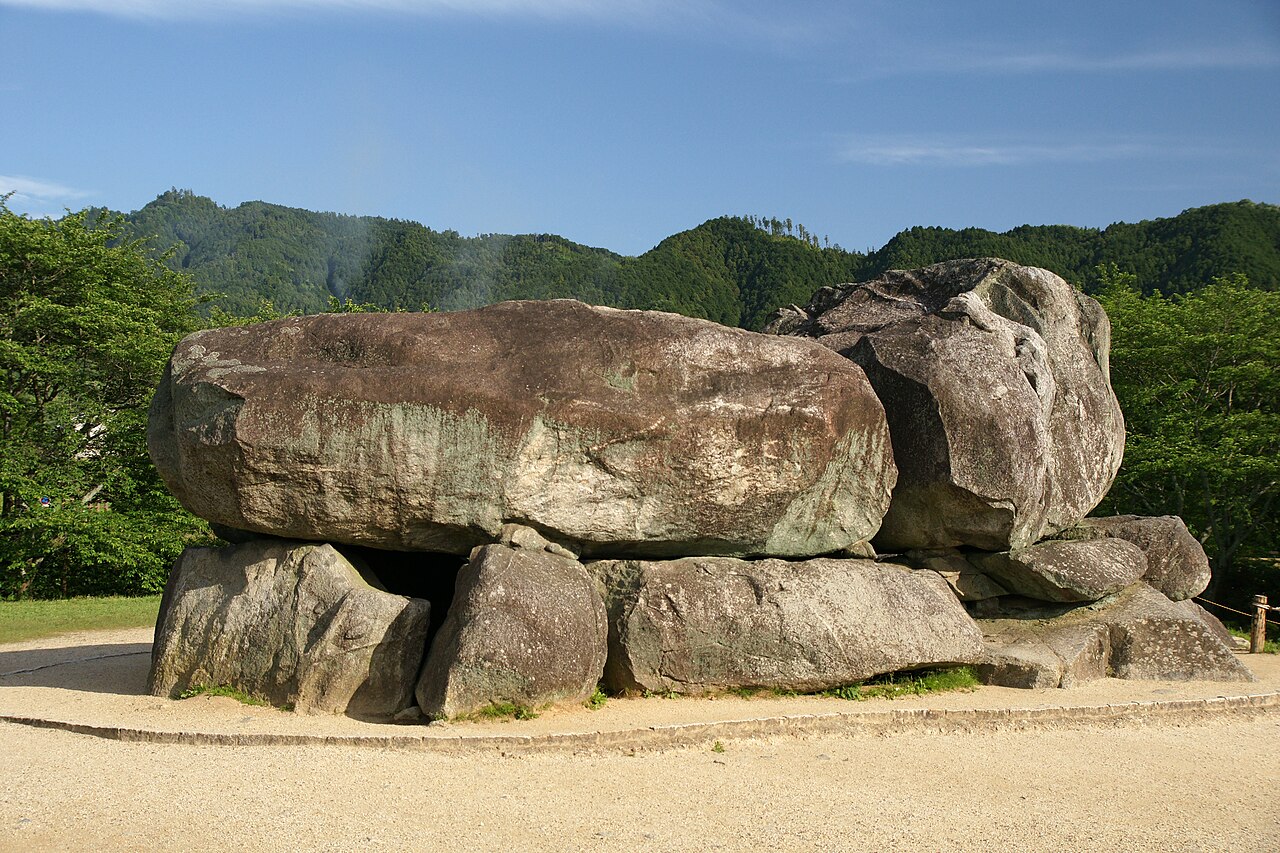
Asuka rewards visitors who slow down, and the best way to enjoy the museum is as part of a wider exploration of the valley in spring or autumn, ideally by bicycle. Take the Kintetsu Yoshino Line to Asuka Station, rent a bike or catch the community bus, and weave the museum into a loop that also takes in the Ishibutai megalithic tomb, Asuka-dera temple and the region's mysterious carved stones. As the line is Kintetsu-operated, a Japan Rail Pass will not cover the journey, but the ride through terraced fields and ancient sites is a highlight in itself, and the museum makes a thoughtful, restful centrepiece.
A local's tip
Rent a bicycle at Asuka Station and make the museum one stop on a loop past the Ishibutai burial mound and the Asuka temple — the permanent exhibition is free, so it is an easy, rewarding pause between the ruins.
Best time to visit
Spring and autumn, combined with cycling around Asuka's ancient sites
Getting there
In Asuka village, deep in southern Nara Prefecture. Take the Kintetsu Yoshino Line to Asuka Station, then a community bus or a rental-bicycle ride of around 20-30 minutes to the museum, which sits among the region's ancient tombs and ruins.
Good to know
- Cafe
- Shop
- Parking
- Restrooms
Plan the whole trip offline
Nara Prefecture Complex of Man'yo Culture is one of many places in the Real Japan app — with turn-by-turn directions, nearby spots and full offline maps you can use with no signal.