Home of the King of Na gold seal, a national treasure that proves Fukuoka's role in Japan's earliest diplomacy.
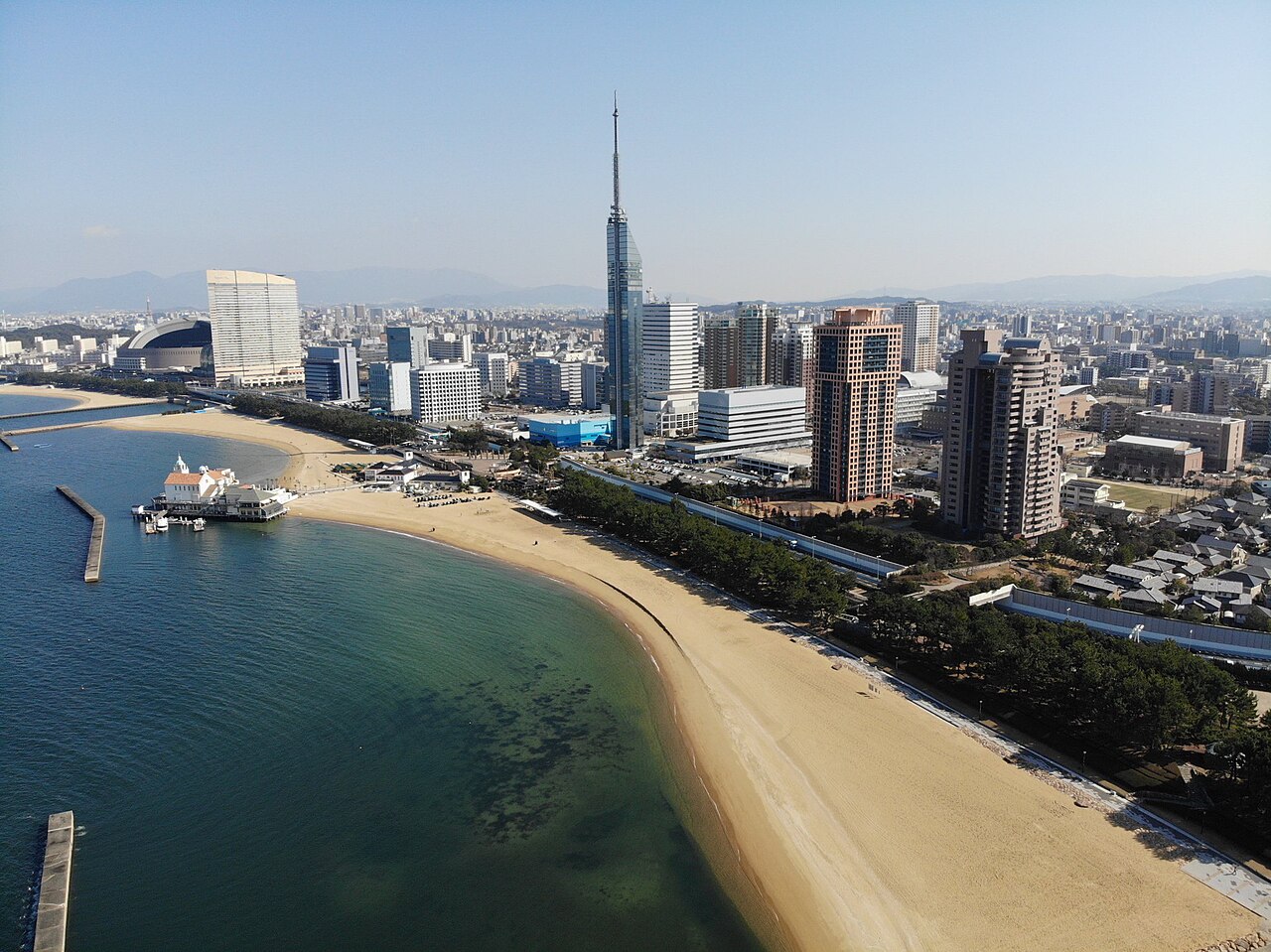
The Fukuoka City Museum sits in the modern Seaside Momochi district, a stretch of reclaimed land beside Fukuoka Tower and the baseball dome, and it exists largely to tell one big story: Fukuoka's ancient role as Japan's window on the Asian continent. The city and its Hakata port were, for much of history, the first place foreign envoys, traders and ideas reached, and the museum's permanent exhibition builds its narrative around that theme of exchange.
Its single most famous object is the King of Na gold seal, one of Japan's oldest and most important national treasures. This solid-gold stamp, only about 2.3 centimetres square with a coiled-snake handle, is inscribed with Chinese characters traditionally read as a title granted by the Han-dynasty emperor Guangwu in the year 57 AD to the ruler of the small state of Na, on the shores of Hakata Bay. A farmer reportedly unearthed it in 1784 on nearby Shikanoshima Island. The seal is remarkable proof that the Fukuoka area was engaged in formal diplomacy with China nearly two thousand years ago, and it is displayed in a dedicated, dimly lit room where its gleam is startling given its size.
Around this centrepiece, the permanent galleries walk visitors through the region's long history and folk culture, from Yayoi settlements and medieval trade to the merchant life of old Hakata and the festivals that still define the city. Displays on the Hakata Gion Yamakasa festival, with its towering decorative floats, and on local crafts help connect the ancient story to the living city outside.
The building is a grand, symmetrical stone-and-glass structure with a broad plaza and reflecting design that suits its seafront setting. Inside it is spacious, cool and fully accessible, with lifts, ramps and English labelling on the key exhibits. There is a museum shop and a cafe, and admission to the permanent collection is refreshingly cheap, though special exhibitions cost more.
Most visitors need about 60 to 90 minutes here. Because it lies out in Momochi rather than the city centre, the museum pairs perfectly with the surrounding attractions: Fukuoka Tower for its observation deck, the Momochi seafront promenade, and the retail and dining around the dome. Families will appreciate that the museum is calm and rarely crowded, making it an easy cultural stop between the beach and the tower.
Getting there is straightforward. The nearest subway station on the Kuko line is Nishijin, about a 15-minute walk north through the district, or you can take a frequent city bus from Tenjin or Hakata Station to the Hakubutsukan-minami-guchi (South Entrance of the Museum) stop, which drops you almost at the door. IC cards work everywhere, and the flat, wide pavements of reclaimed Momochi make the walk easy in any weather. Come on a clear day and combine the visit with sunset from Fukuoka Tower next door for a full afternoon that spans two thousand years of the city's history.
A local's tip
Go straight to the darkened treasure room to see the tiny King of Na gold seal — it is barely two centimetres across, so lean in close to read the ancient Chinese characters on its base.
Best time to visit
Any time; pair with a Momochi seafront afternoon
Getting there
Take the Kuko subway line to Nishijin Station and walk about 15 minutes north through the Seaside Momochi district toward the coast, or catch a city bus to the Hakubutsukan-minami-guchi stop. The museum sits beside Fukuoka Tower and the PayPay Dome.
Good to know
- Cafe
- Wi-Fi
- Restrooms
- Wheelchair
- English signage
Plan the whole trip offline
Fukuoka City Museum is one of many places in the Real Japan app — with turn-by-turn directions, nearby spots and full offline maps you can use with no signal.