Mountain fortress site where the legendary loyalist Kusunoki Masashige defied a huge army in the 1330s.
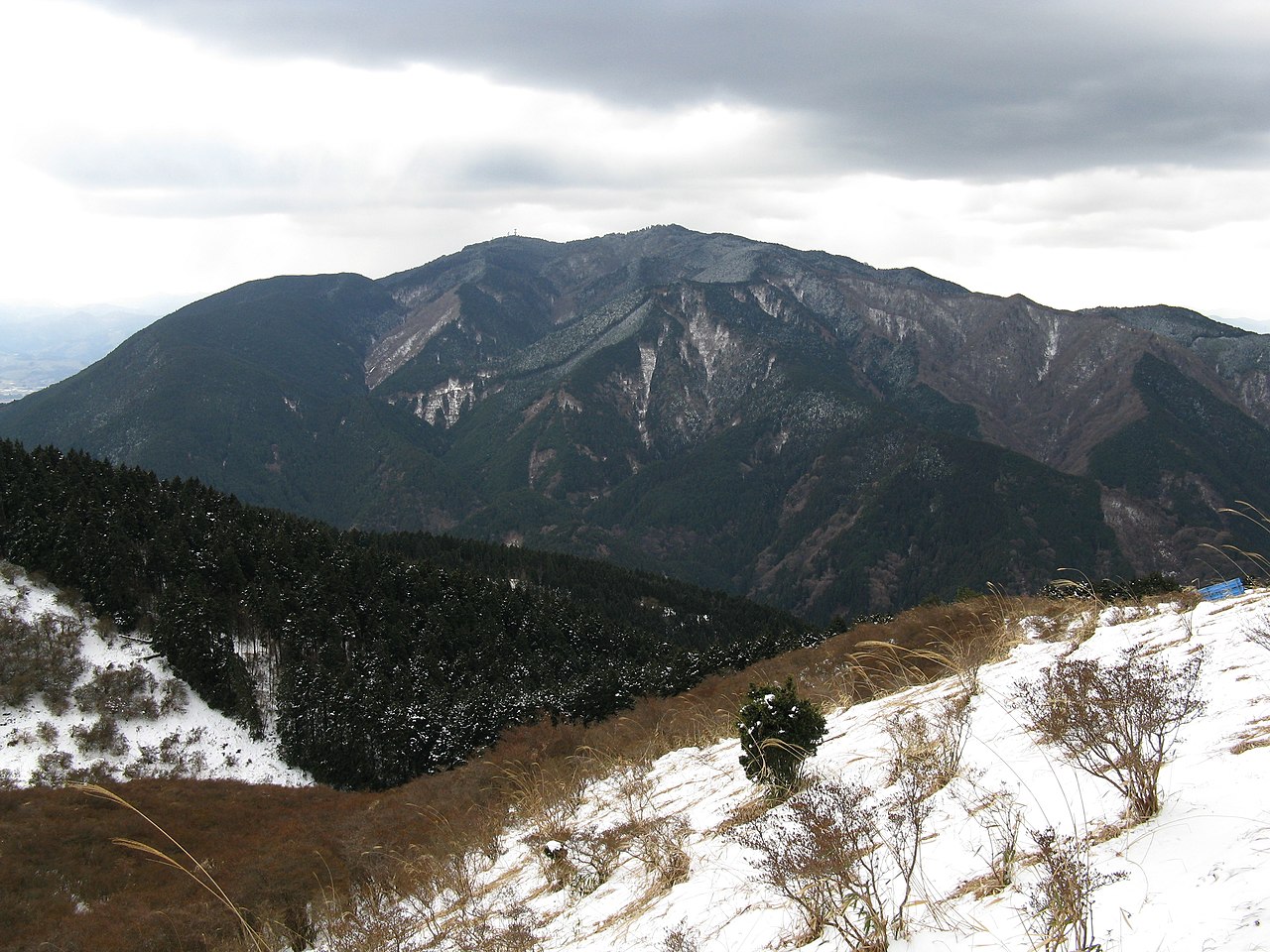
The Chihaya Castle Ruins occupy a rugged, forested spur on the slopes of Mount Kongo, on the mountainous border of southern Osaka Prefecture, and they mark the setting of one of the most celebrated episodes in Japanese military history. In the early fourteenth century, the brilliant and fiercely loyal samurai Kusunoki Masashige built a series of mountain fortresses here in support of Emperor Go-Daigo's attempt to overthrow the Kamakura shogunate and restore direct imperial rule. In 1333, from the small, cleverly sited fortress of Chihaya, Masashige and a modest band of defenders held out against a vastly larger besieging army, using guile, the difficult terrain and unconventional tactics, boulders, logs, feints and night raids, to tie down and exhaust his enemies. His legendary resistance helped bring down the shogunate, and Masashige became the archetype of samurai loyalty and ingenuity, revered for centuries and especially venerated in the modern era.
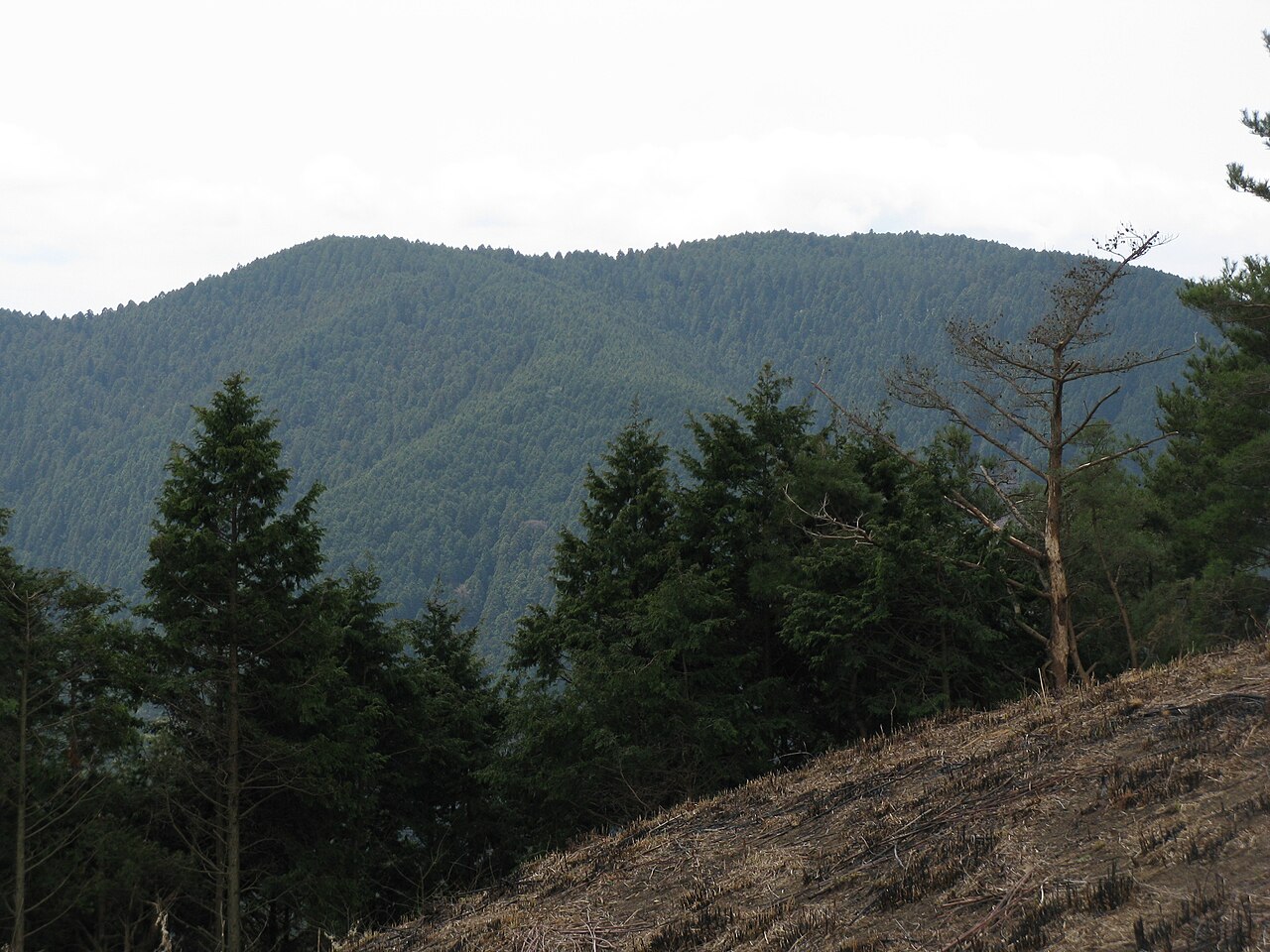
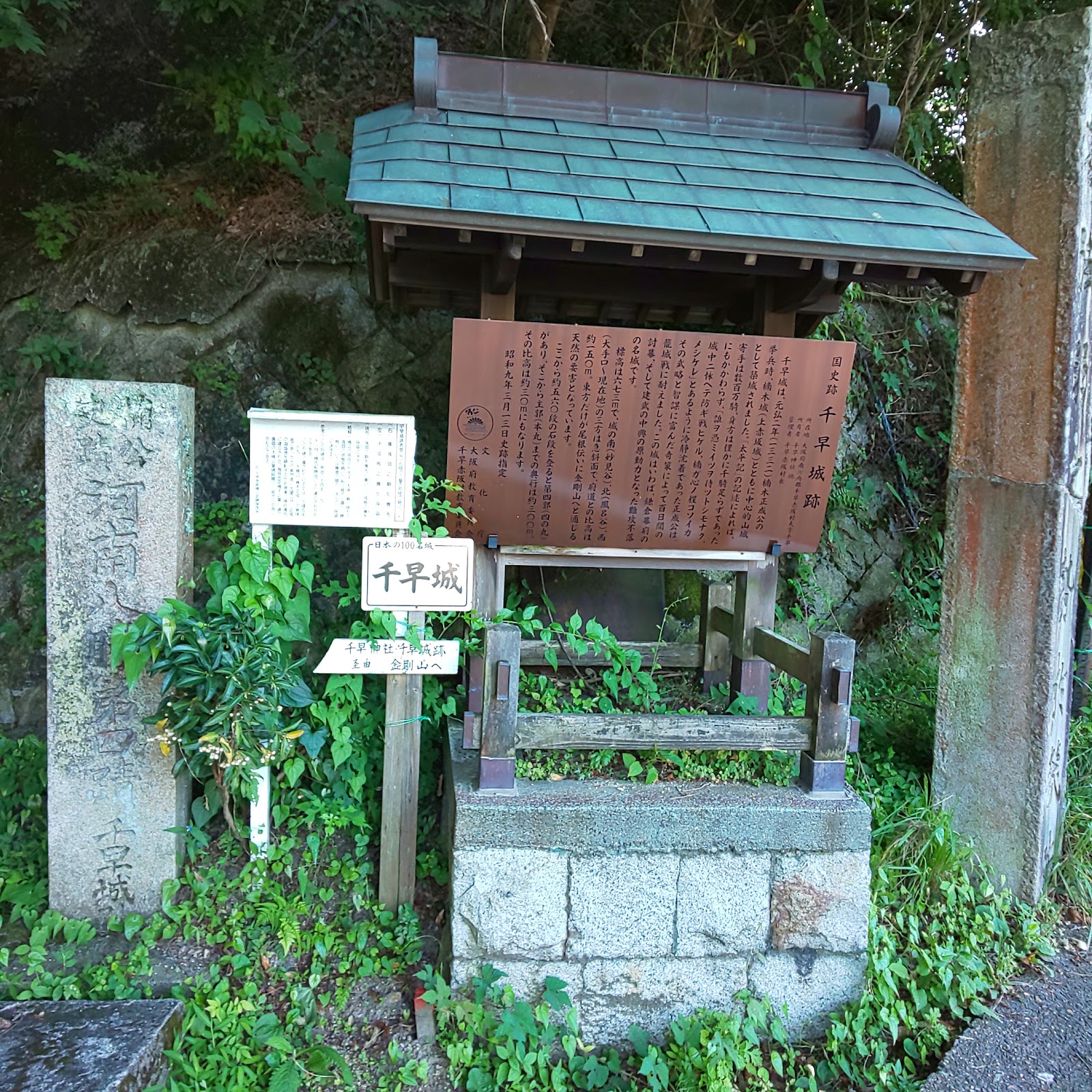
Little remains of the fortress itself, for these medieval mountain castles were built of earth and timber and left few masonry traces, but the site is laid out with paths, stone markers, monuments and interpretive signs that guide visitors through the terraced defensive positions and explain the epic siege. A small shrine on the hillside honours Masashige, and the atmosphere among the tall cedars and steep ridgelines makes it easy to appreciate why the position was so formidable and why the defenders could hold out so long against overwhelming odds.
Reaching the ruins involves a climb up a stepped mountain path from the road below, so a visit is as much a modest hike as a historical outing, and sturdy footwear is essential. The effort is rewarded not only by the historical resonance of the place but by the mountain forest itself, cool and green in summer, glorious with red and gold foliage in autumn, and dusted with snow in winter, since Mount Kongo is one of the few places near Osaka that reliably sees snow. The castle site sits on one of the main trails up Mount Kongo, the highest peak in the prefecture, so energetic visitors can combine a pilgrimage to Chihaya with a hike to the summit and its panoramic views.
For travellers drawn to samurai history and to the romantic figure of the loyal retainer, Chihaya is a stirring destination well off the standard tourist route, offering solitude, forest and a genuine sense of walking in the footsteps of a national hero. It rewards those willing to venture into the mountains beyond the city.
To get there, take a train to Kawachinagano Station and a Nankai bus toward Mount Kongo, alighting near Chihaya, then follow the signposted stepped trail up to the ruins, a walk of around forty minutes. The site is free and open, but treat it as a mountain outing: go in daylight, wear proper shoes, carry water, and check the weather, especially in winter. Allow at least ninety minutes, or a full half-day if you continue up Mount Kongo.
A local's tip
The site is a trailhead for Mount Kongo, so wear proper shoes and continue up the mountain for panoramic views after paying your respects at the fortress of Kusunoki Masashige.
Best time to visit
Autumn foliage; combine with a Mount Kongo hike
Getting there
Take the Nankai Koya Line or Kintetsu line to Kawachinagano Station, then a Nankai bus toward Kongo-san and alight near Chihaya; the ruins lie on the forested slopes of Mount Kongo and are reached by a stepped mountain path.
Good to know
- Restrooms
- Trailhead
- Historical markers
Plan the whole trip offline
Chihaya Castle Ruins (Chihayajo) is one of many places in the Real Japan app — with turn-by-turn directions, nearby spots and full offline maps you can use with no signal.