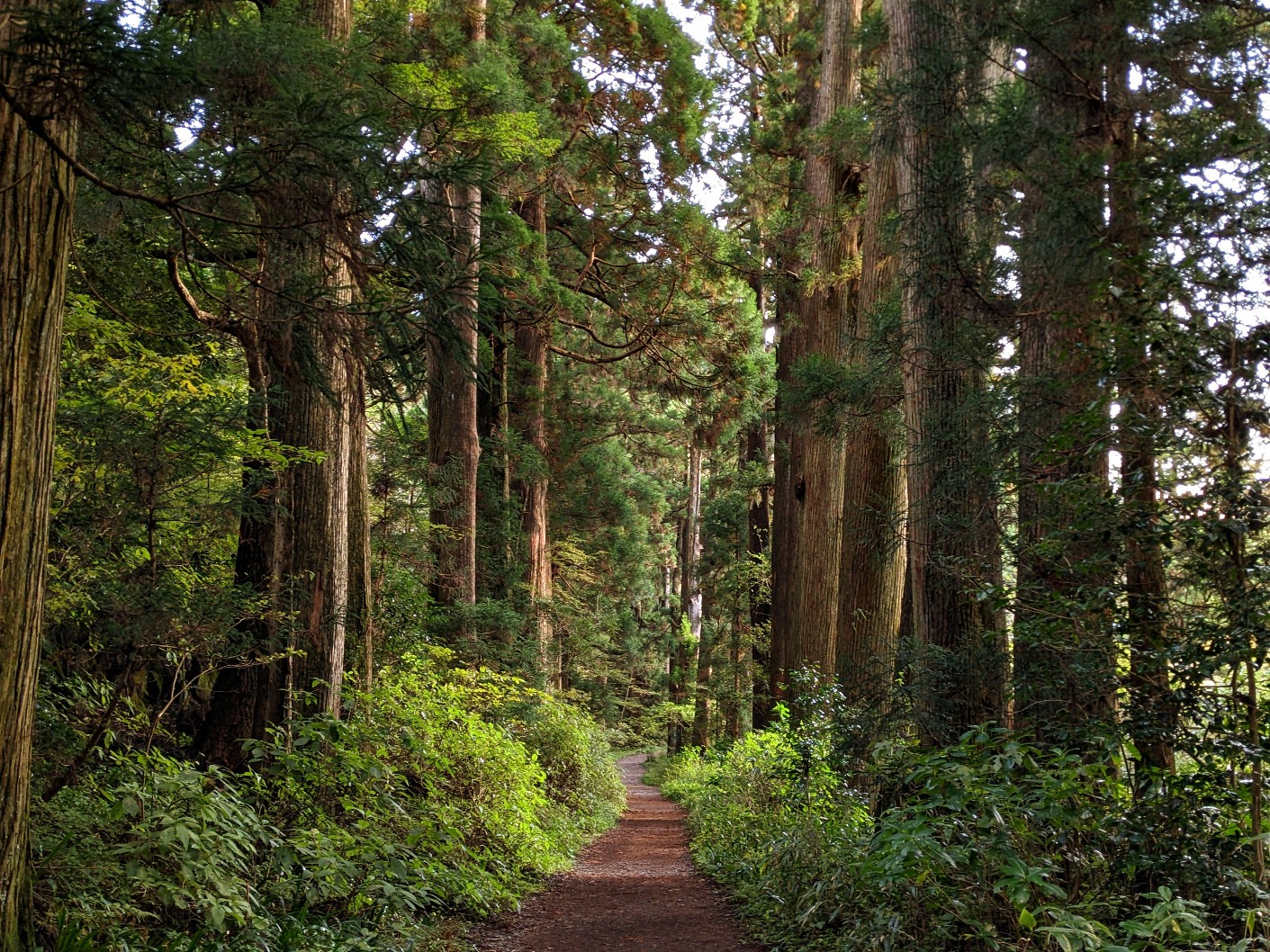
A shaded avenue of 400-year-old cedars lining the old Tokaido highway beside Lake Ashi.
The Cedar Avenue of Hakone, known in Japanese as the Hakone Kyu-kaido Suginamiki, is a majestic corridor of towering cedar trees that lines a preserved stretch of the old Tokaido highway along the shore of Lake Ashi. Planted around 1618, early in the Edo period, the trees were set along the road to shade and shelter the travellers, merchants, and feudal processions who journeyed on foot between Edo and Kyoto. More than four centuries later, several hundred of these giant cryptomeria still stand, their massive trunks and dark evergreen canopy forming a cathedral-like passage that is both a scenic viewpoint and a living relic of Japan's great historic road.
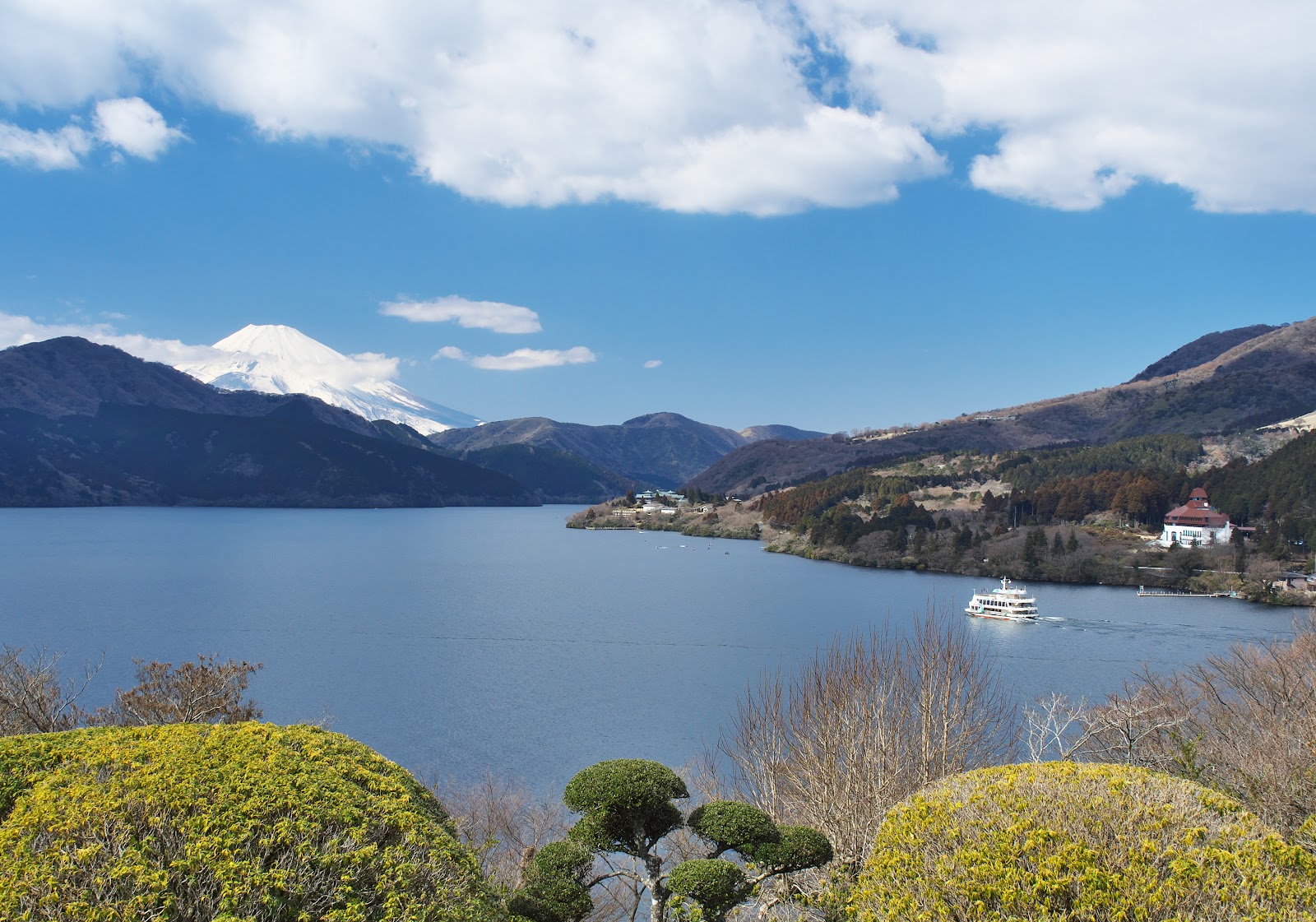
Walking beneath the cedars is a genuinely atmospheric experience. The trees rise straight and tall on either side of the old cobbled and earthen path, filtering the sunlight into shafts that fall across the ground and creating a cool, hushed microclimate even on a hot day. The avenue runs close to the edge of Lake Ashi, and through gaps in the trees there are glimpses of the water and the surrounding mountains. In the low, golden light of early morning the scene is especially photogenic, the light streaming between the trunks and the deep green of the canopy glowing overhead.
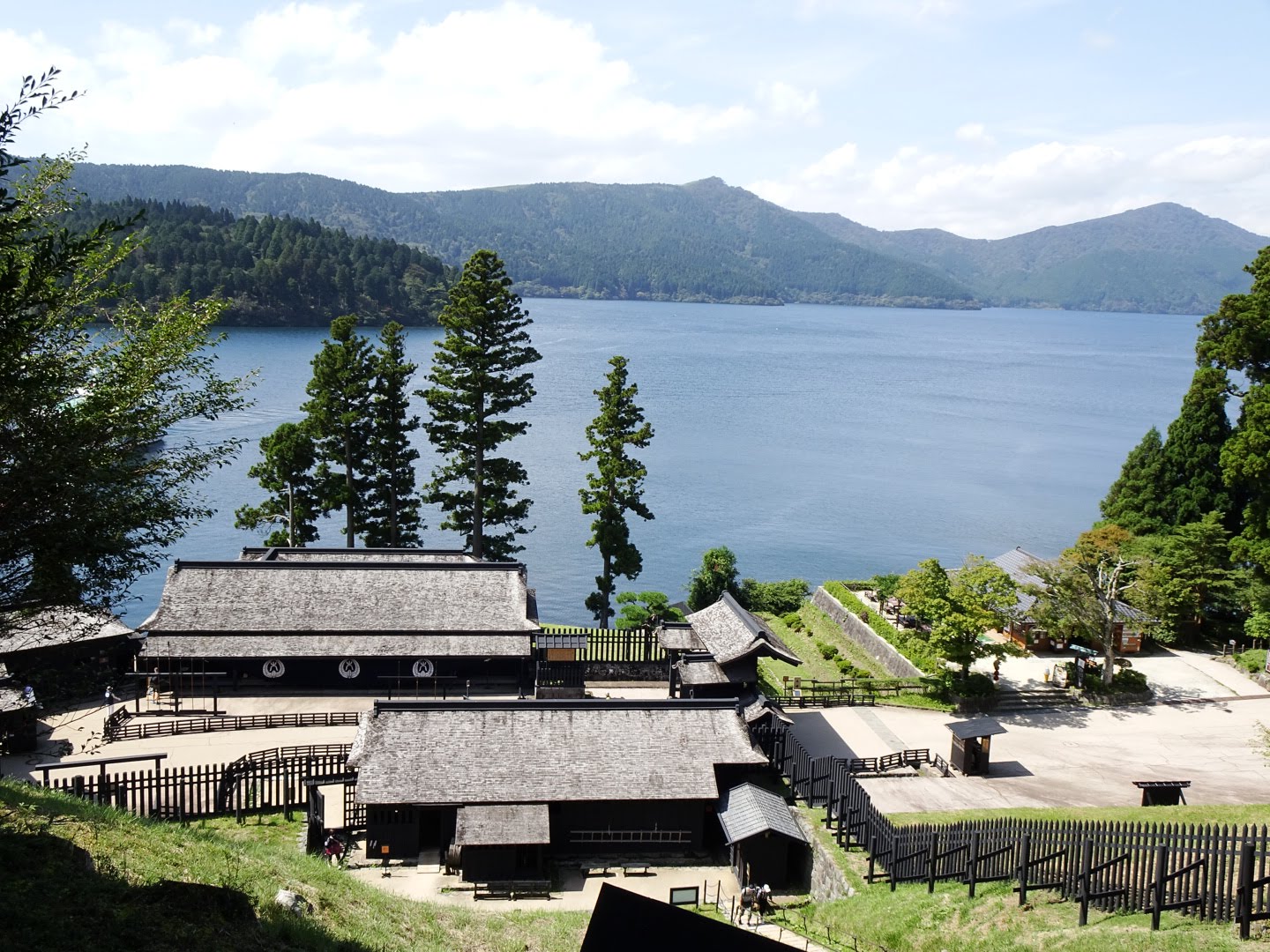
The avenue is part of the broader network of Edo-period infrastructure preserved in this part of Hakone, which also includes the reconstructed Hakone Checkpoint, or Sekisho, where travellers on the Tokaido were once inspected. Together they evoke the era when Hakone was a strategic mountain barrier controlling movement along the country's most important highway. Walking the cedar avenue, it is easy to imagine the daimyo processions and pilgrims who once passed this way, and interpretive signs along the route explain the history of the road and its remarkable trees.
The trees themselves are protected as a natural and cultural monument, and their age shows in the sheer girth of the trunks, some of which take several people to encircle. Because the cedars are evergreen, the avenue is beautiful year-round, but it is at its most striking in the crisp light of autumn and winter, when the surrounding foliage has thinned and the low sun rakes through the columns of the forest. Unlike Hakone's foliage spots, the appeal here is the timeless green of the ancient cedars rather than seasonal colour.
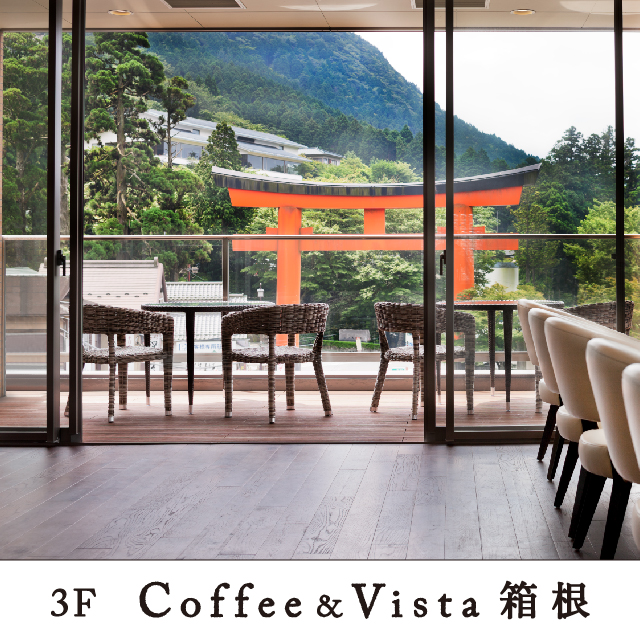
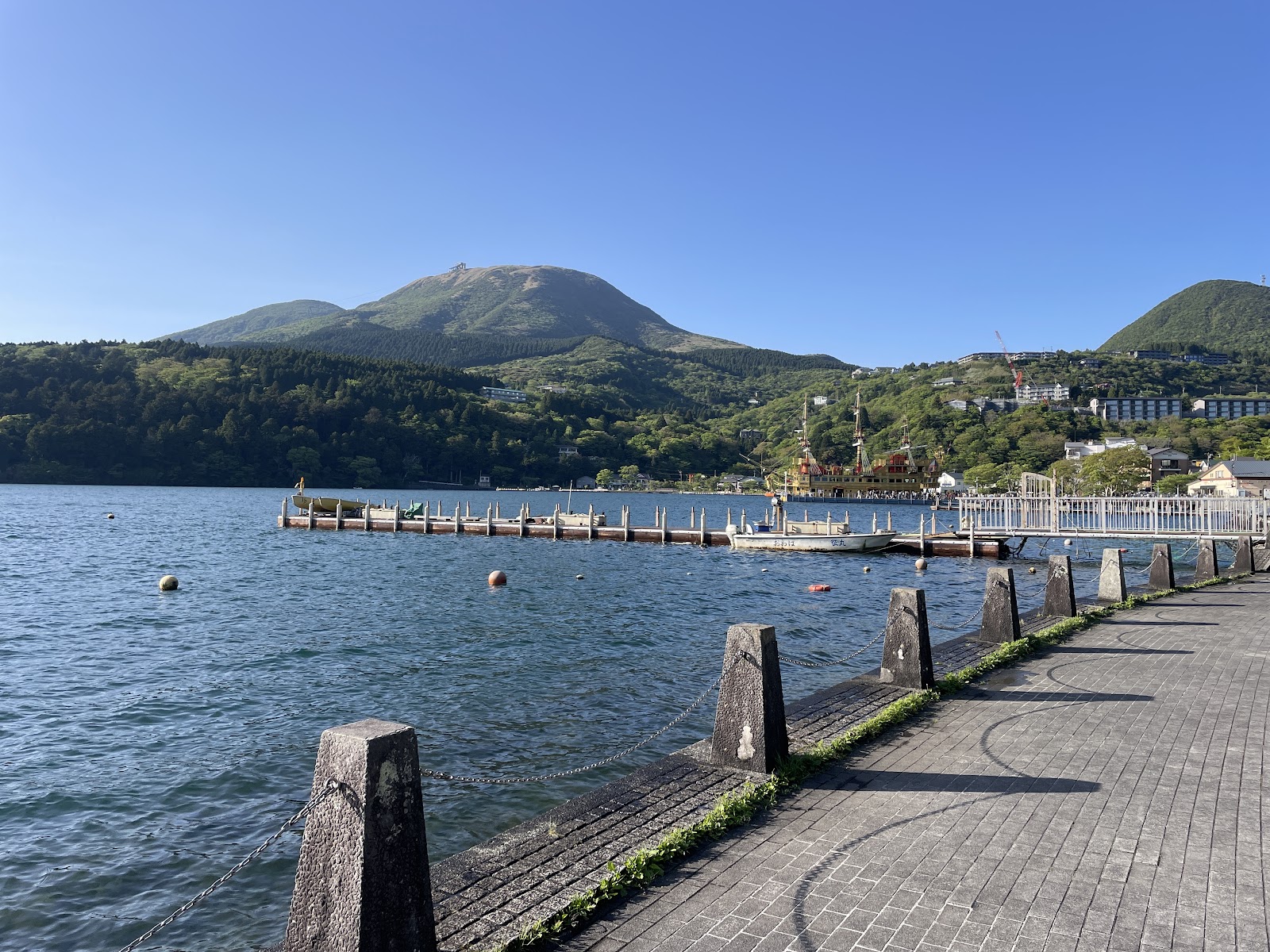
The avenue is easy to reach and completely free, running along the lakeside a few minutes on foot from Moto-Hakone Port, where the sightseeing boats dock. It combines naturally with a visit to the nearby Hakone Shrine and its famous lakeside torii, the Hakone Checkpoint, and a cruise on Lake Ashi, making it a gentle, rewarding stop on the classic Hakone circuit. Allow around half an hour to stroll the preserved section at an unhurried pace, ideally early in the day before the tour groups arrive, when the great trees can be enjoyed in near silence.
A local's tip
Walk the avenue early when low sunlight streams between the trunks and the path is empty of tour groups.
Best time to visit
Morning light, autumn and winter
Getting there
From Moto-Hakone Port walk a few minutes to the lakeside start of the old Tokaido cedar avenue, which runs parallel to the shore of Lake Ashi.
Good to know
- Parking
- Restrooms
Plan the whole trip offline
Cedar Avenue of Hakone is one of many places in the Real Japan app — with turn-by-turn directions, nearby spots and full offline maps you can use with no signal.