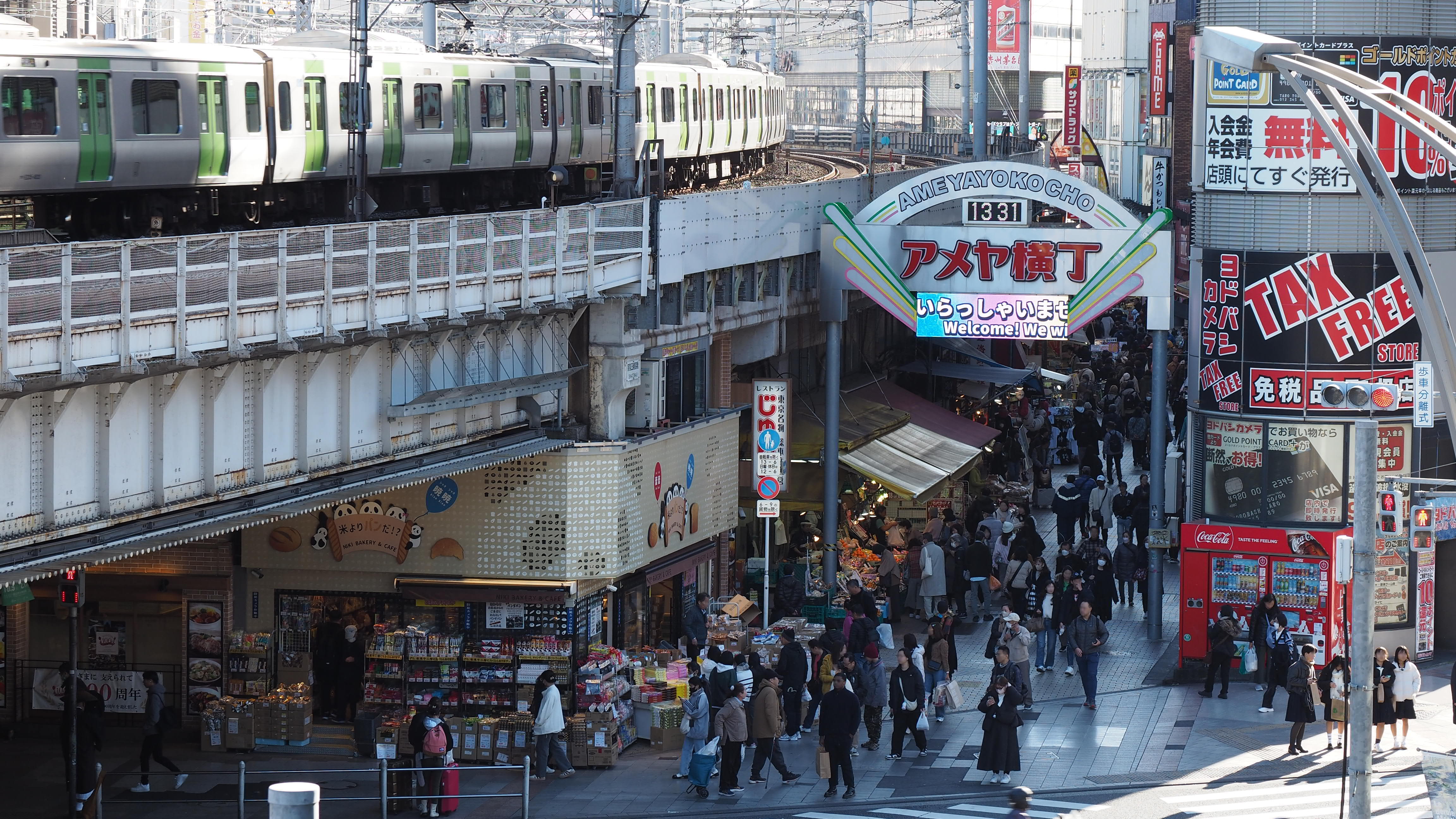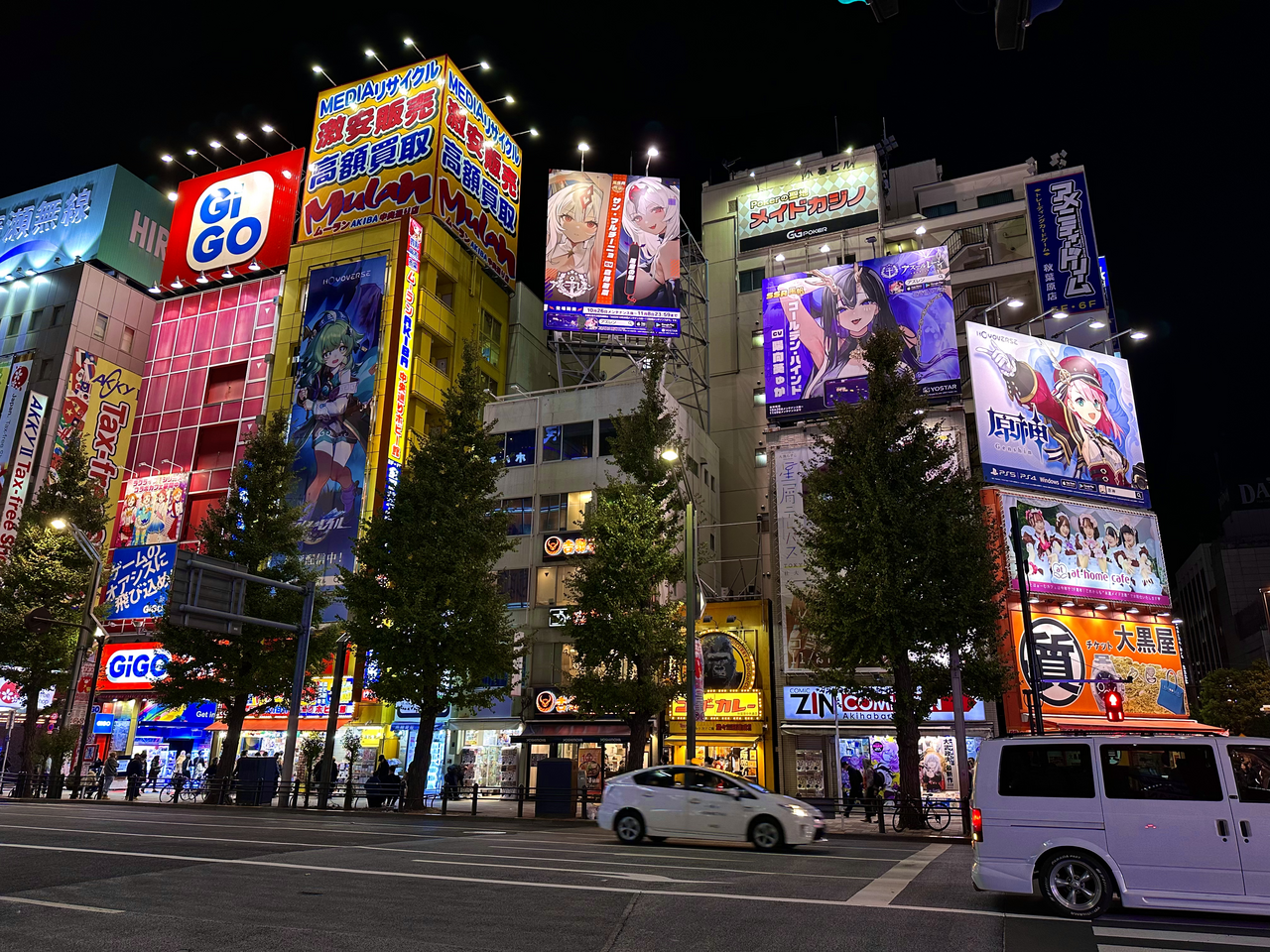
The neon capital of anime, electronics and otaku culture, stacked storey upon storey around Akihabara Station.
Akihabara, universally shortened to 'Akiba', is Tokyo's most famous shopping district and the global epicentre of otaku culture. Wrapped around the west side of JR Akihabara Station and spilling down the main Chuo-dori boulevard, it began life in the post-war years as a warren of stalls selling radio parts and black-market electronics, earning the nickname 'Electric Town'. That DNA is still visible in the tiny component shops tucked under the railway arches, but the district has evolved into something far broader.
Today Akihabara is defined by anime, manga, video games, and idol culture as much as by hardware. Multi-storey buildings are packed floor to floor with a single obsession each: one tower might hold nothing but trading-card shops, another retro video games, another figures and collectibles, another second-hand manga. Chains like Yodobashi Camera (a vast complex on the station's east side), Sofmap, Mandarake, and Animate anchor the scene, while countless independent stores reward anyone willing to ride an elevator to the sixth or seventh floor.
The street-level atmosphere is unmistakable. Building facades are wallpapered floor to roof with anime characters, arcades throb with the sound of rhythm games and UFO catchers, and staff in maid costumes hand out flyers for the district's famous maid cafes, where the theatre of the service is the attraction. It is loud, bright, and gloriously specific, a place built around passions rather than mass appeal.
A highlight for many visitors is simply the vertical density: unlike a Western mall, Akihabara hides its best finds upstairs, so exploring means constant elevator-hopping and discovery. Retro-gaming fans hunt for boxed Famicom cartridges, electronics tinkerers dig through the parts stalls of Radio Kaikan and the arches, and collectors comb Mandarake's legendary basement floors. Even non-shoppers enjoy the multi-level SEGA and Taito arcades and the sheer visual spectacle.
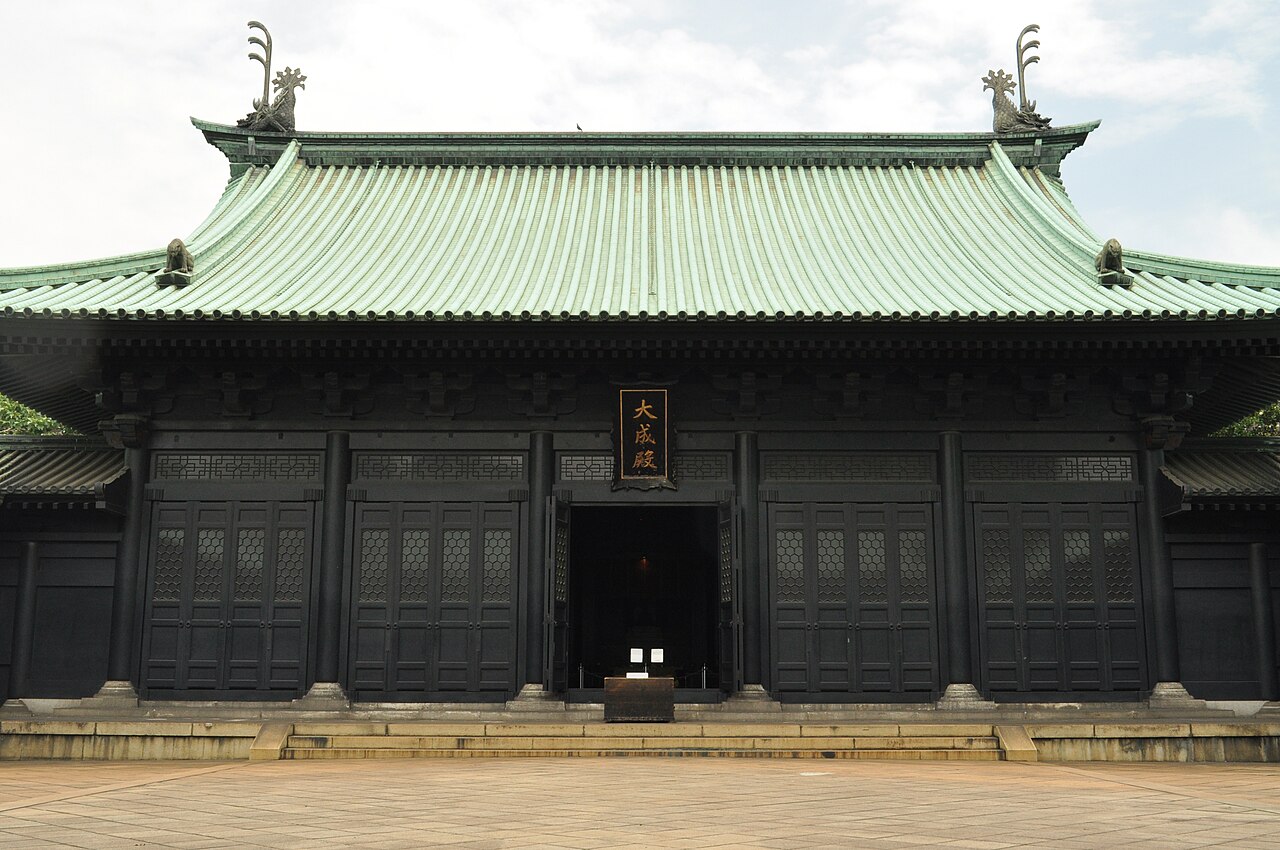
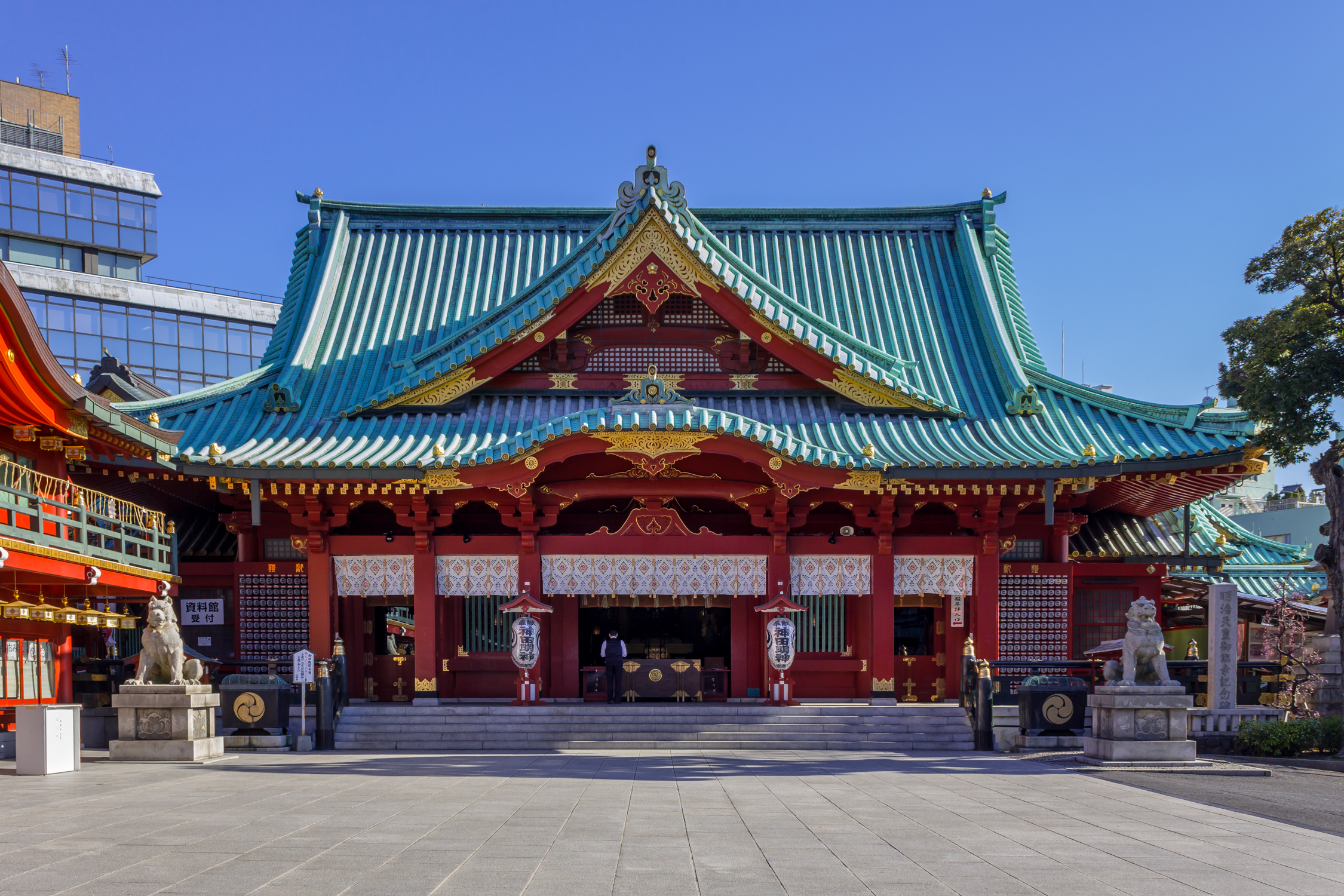
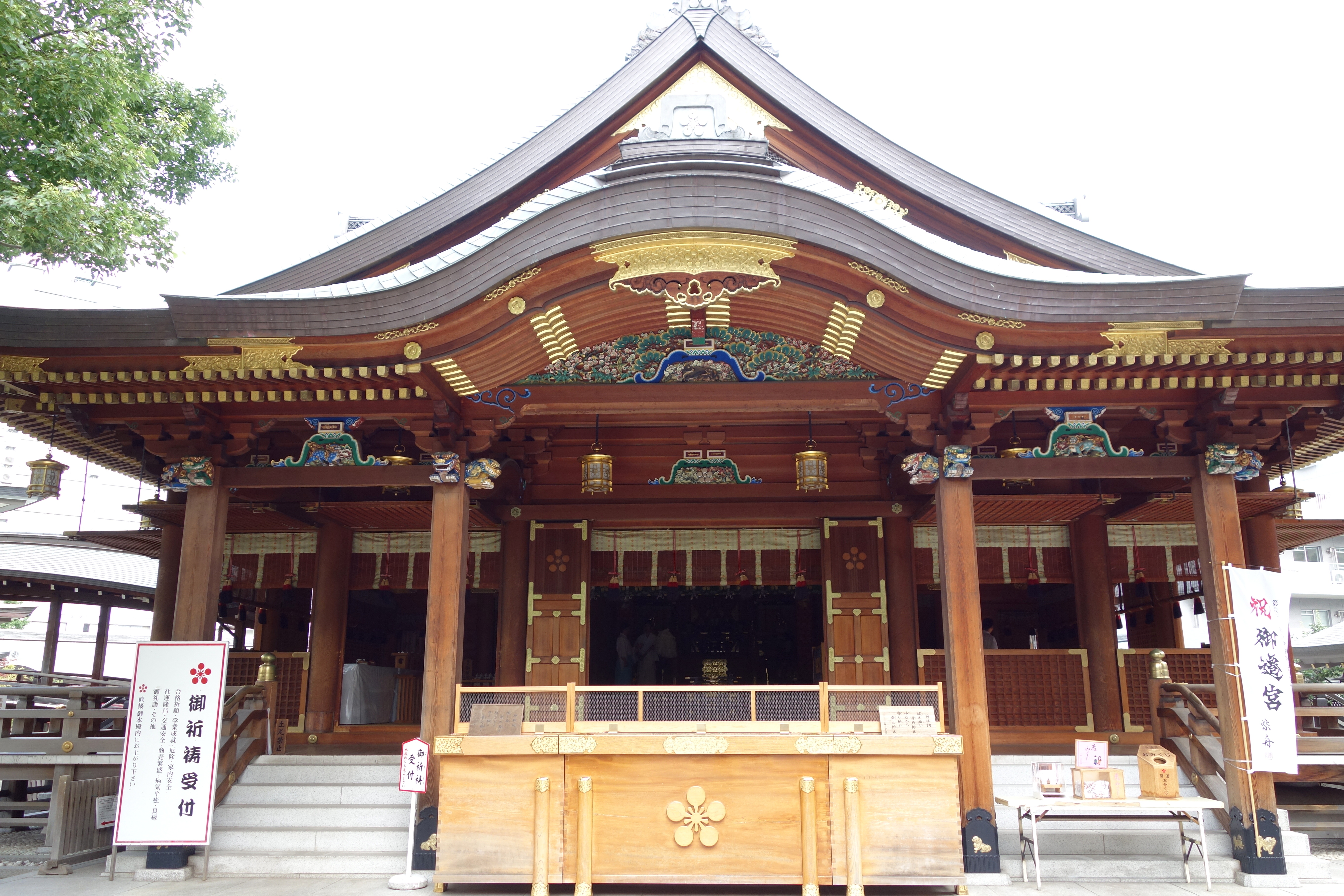
One historical note gives the district a sober dimension: the crossing of Chuo-dori and Kanda-Myojin-dori was the site of a 2008 tragedy, and the nearby Kanda Myojin shrine, a short uphill walk away, has become a cultural counterpoint, blending Shinto tradition with anime pilgrimage and even selling IT-themed protective charms.
Accessibility is excellent. The area is flat and immediately outside the station's Electric Town Exit, and everything of interest sits within a compact ten-minute walking radius. Most shops open from around 10:00 to 20:00.
The single best time to visit is Sunday afternoon, when Chuo-dori is closed to traffic and becomes a 'hokosha tengoku', or pedestrian paradise, roughly from 13:00 to 18:00 depending on the season. With no cars, the whole boulevard opens up for strolling and photography and the district feels at its most festive.
Getting there is effortless. JR Akihabara Station is on the Yamanote loop as well as the Keihin-Tohoku and Sobu lines, so it connects directly to Tokyo, Ueno, and Shinjuku. The Tokyo Metro Hibiya Line and the Tsukuba Express also serve the station, and the Electric Town Exit deposits you at the foot of the main strip.
A local's tip
On Sundays (weather permitting, roughly 13:00-18:00) the main Chuo-dori is closed to cars and becomes a 'hokosha tengoku' pedestrian street, the best time to wander and photograph.
Best time to visit
Sunday afternoon, when Chuo-dori becomes a pedestrian paradise
Getting there
Use the Electric Town Exit of JR Akihabara Station; the main strip along Chuo-dori is immediately outside. The Hibiya subway line and Tsukuba Express also stop here.
Good to know
- Wi-Fi
- Cashless
- Restrooms
Plan the whole trip offline
Akihabara Electric Town is one of many places in the Real Japan app — with turn-by-turn directions, nearby spots and full offline maps you can use with no signal.