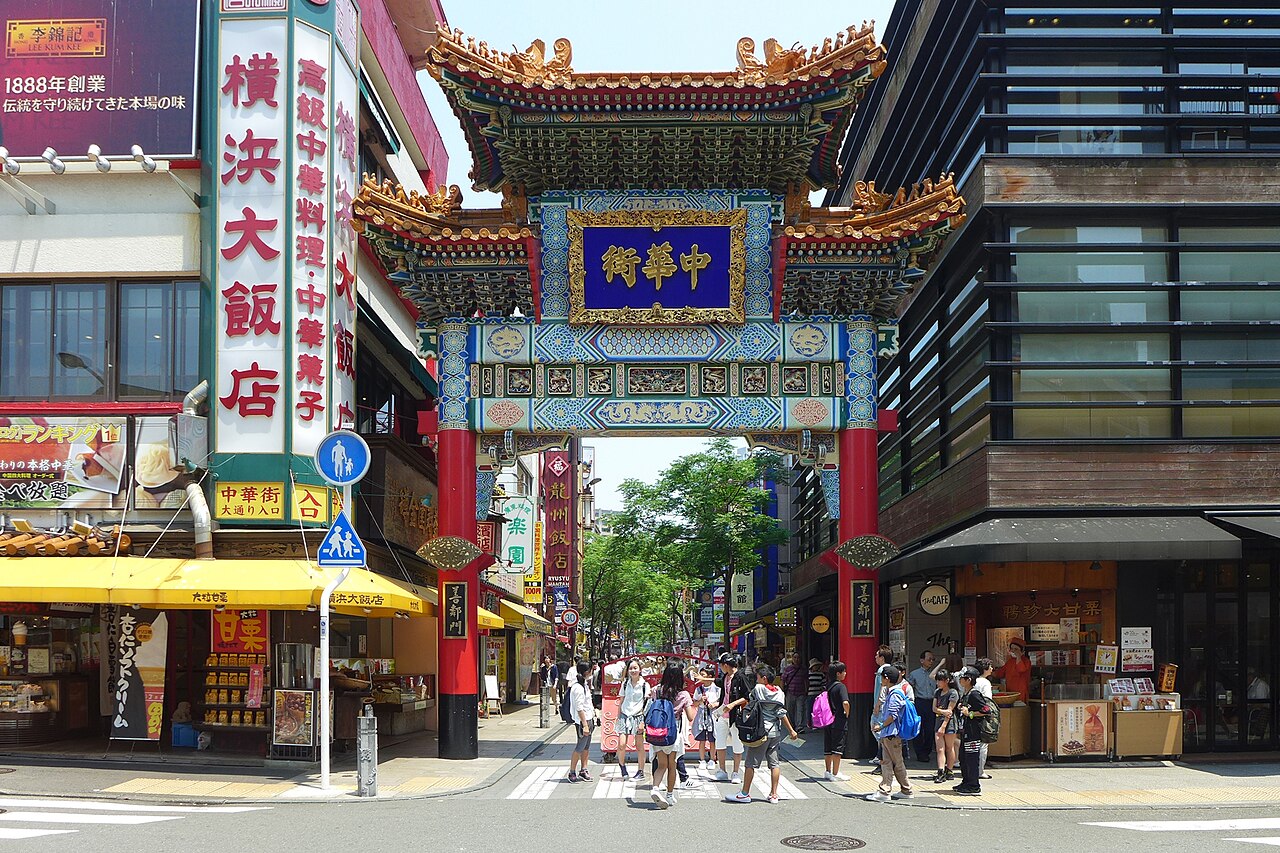
The largest Chinatown in Japan and one of the biggest in the world, packed with 600 shops, ornate gates and a landmark Chinese temple.
Yokohama Chinatown, known in Japanese as Chukagai, is the largest Chinatown in Japan and among the biggest in the world, a dense and vividly coloured quarter of roughly 600 shops and restaurants squeezed into a few blocks near the harbour. Its history reaches back to 1859, when Yokohama opened as one of Japan's first international ports and Chinese traders, cooks and craftsmen settled beside the foreign settlement. More than a century and a half later the district thrives as both a living community and one of the city's most popular attractions, drawing millions of visitors a year.
Ten ornate paifang gates mark the entrances and internal crossroads, each painted in the traditional five directional colours and named for a compass point or a virtue. The grandest, the Zenrinmon or 'good neighbour' gate, arches over the main east-west street. Between the gates the lanes are a sensory rush: red lanterns overhead, the hiss of steamers, gold shopfronts, and the mingled aromas of roast duck, sesame, and star anise.
Food is the heart of any visit. Cantonese, Sichuan, Shanghai and Beijing kitchens sit side by side, from grand banquet halls to tiny counters, and the street-food culture is a draw in itself. The signature snack is the nikuman, a fist-sized steamed bun filled with seasoned pork, sold hot from bamboo baskets at shop windows; alongside it you will find shengjianbao pan-fried buns, xiaolongbao soup dumplings, sweet goma dango sesame balls, tapioca drinks and panda-shaped desserts. Many restaurants offer all-you-can-eat tabehodai courses that are excellent value for groups.
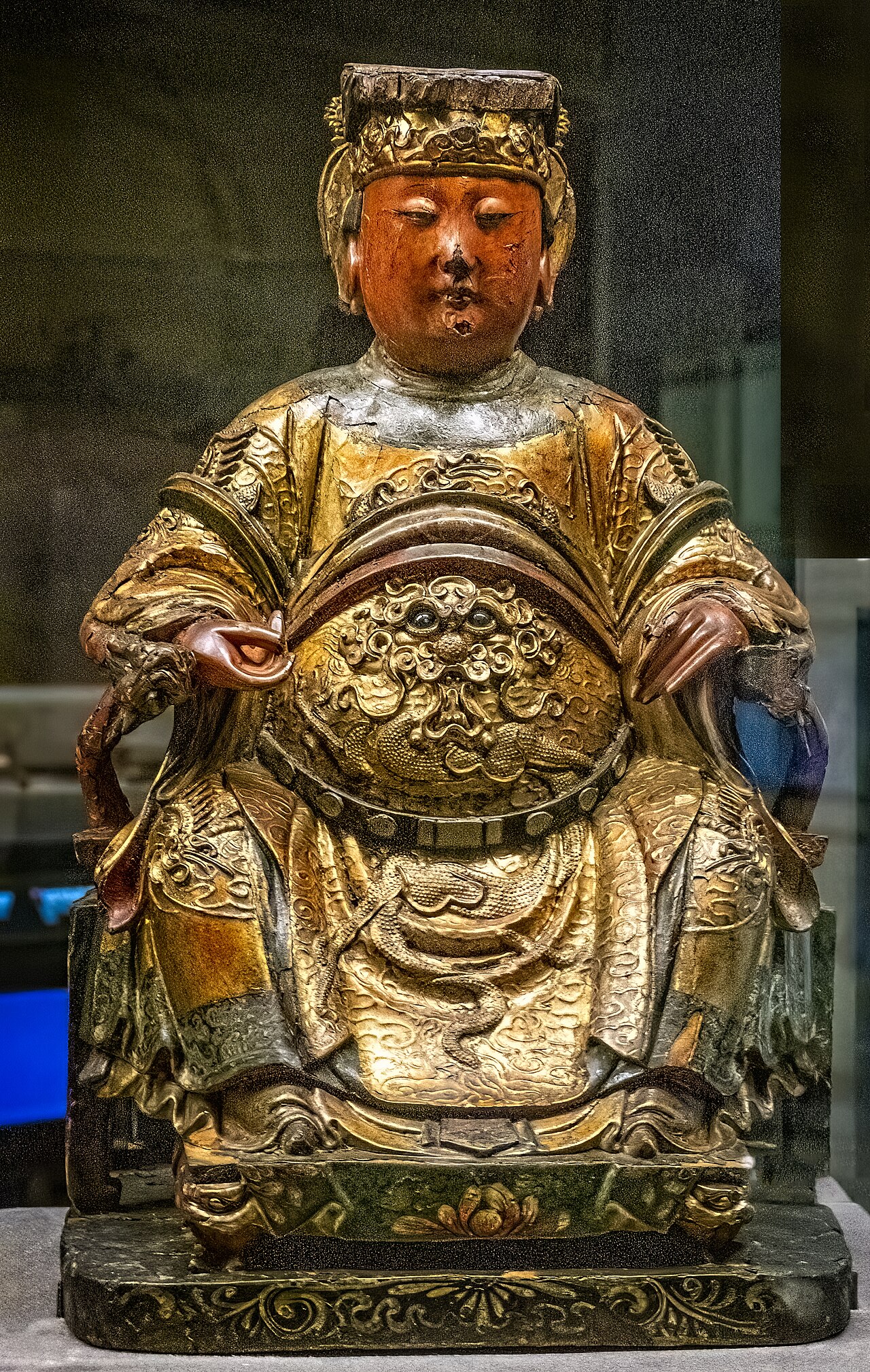
At the spiritual centre of the district stands Kanteibyo, a lavishly decorated temple dedicated to Guan Yu, the deified Chinese general revered as a god of business and good fortune. Its gilded carvings, dragon pillars and swirling incense make it a striking contrast to the commercial bustle outside, and it is a genuine place of worship for the local Chinese-Japanese community. Nearby, the newer Masobyo temple honours Mazu, the sea goddess and protector of sailors, a fitting dedication for a port community.
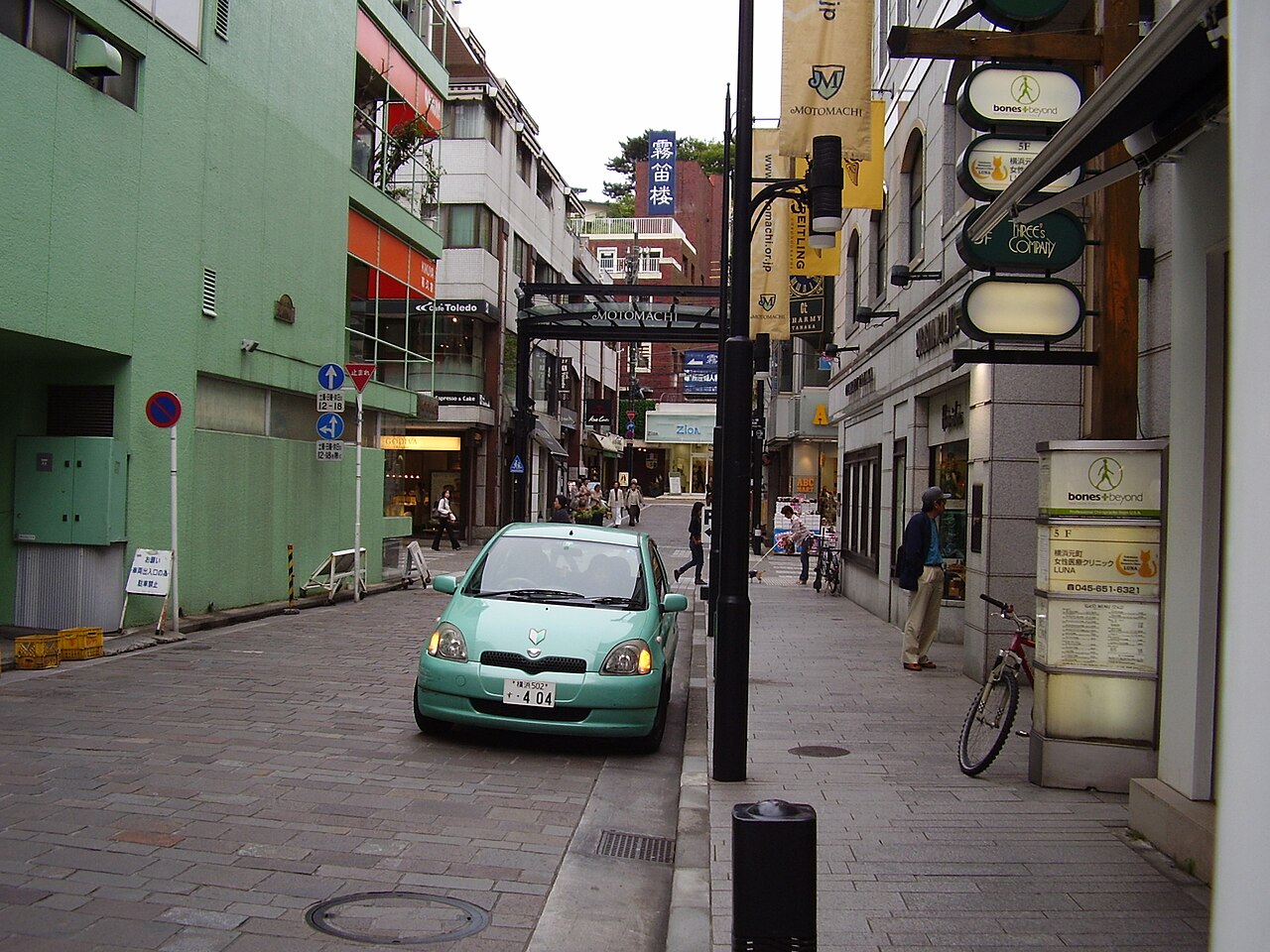
Beyond eating, visitors browse shops selling Chinese groceries, tea, sweets, herbal medicine, souvenirs and knick-knacks, and some duck into fortune-tellers or panda-themed stores. The atmosphere peaks during Chinese New Year, when dragon and lion dances, drums, firecrackers and parades fill the streets. Access is exceptionally easy: Motomachi-Chukagai Station on the Minatomirai Line opens right at the gates, and the district connects on foot to Yamashita Park, the harbour and the Motomachi shopping street. Lively by day and glowing under lanterns by night, Yokohama Chinatown is an essential and delicious stop on any visit to the city.
A local's tip
Skip the sit-down queues at lunch and graze instead: buy nikuman (steamed pork buns) from a street window, then hunt down goma dango and tapioca; the side lanes off the main street are cheaper and less crowded.
Best time to visit
Late morning or evening for street food and lit gates
Getting there
Motomachi-Chukagai Station on the Minatomirai Line exits directly at the Chinatown gates. From the JR Negishi Line, Ishikawacho Station is a 5-minute walk to the south gate.
Good to know
- Shopping
- Restrooms
- Restaurants
- Street Food
Plan the whole trip offline
Yokohama Chinatown is one of many places in the Real Japan app — with turn-by-turn directions, nearby spots and full offline maps you can use with no signal.