A vividly ornate Chinese temple in Yokohama Chinatown honouring Mazu, the beloved goddess of the sea and protector of travellers.
Masobyō (橫濱媽祖廟), the Yokohama Mazu Temple, is the younger and equally dazzling companion to Chinatown's Kantei-byō. Where the Kantei-byō honours the fierce god of war and commerce, Masobyō is dedicated to Mazu (Maso in Japanese), the gentle and hugely popular goddess of the sea, worshipped across southern China, Taiwan and the wider Chinese diaspora as the guardian of sailors, fishermen, and all who travel — a fitting patron for a community founded on maritime trade.
The temple is a modern addition to Chinatown, completed in 2006 to mark the 150th anniversary of the opening of Yokohama's port and to give the community a dedicated home for Mazu worship. Though recent, it was built in full traditional style by craftsmen using classical Chinese techniques, and the result is spectacular: a compact but soaring complex of scarlet and gold, its multi-tiered roofs bristling with ceramic dragons and phoenixes, its courtyard framed by ornate gates and stone lions. At night, lit up, it is one of the most photogenic corners of the whole district.
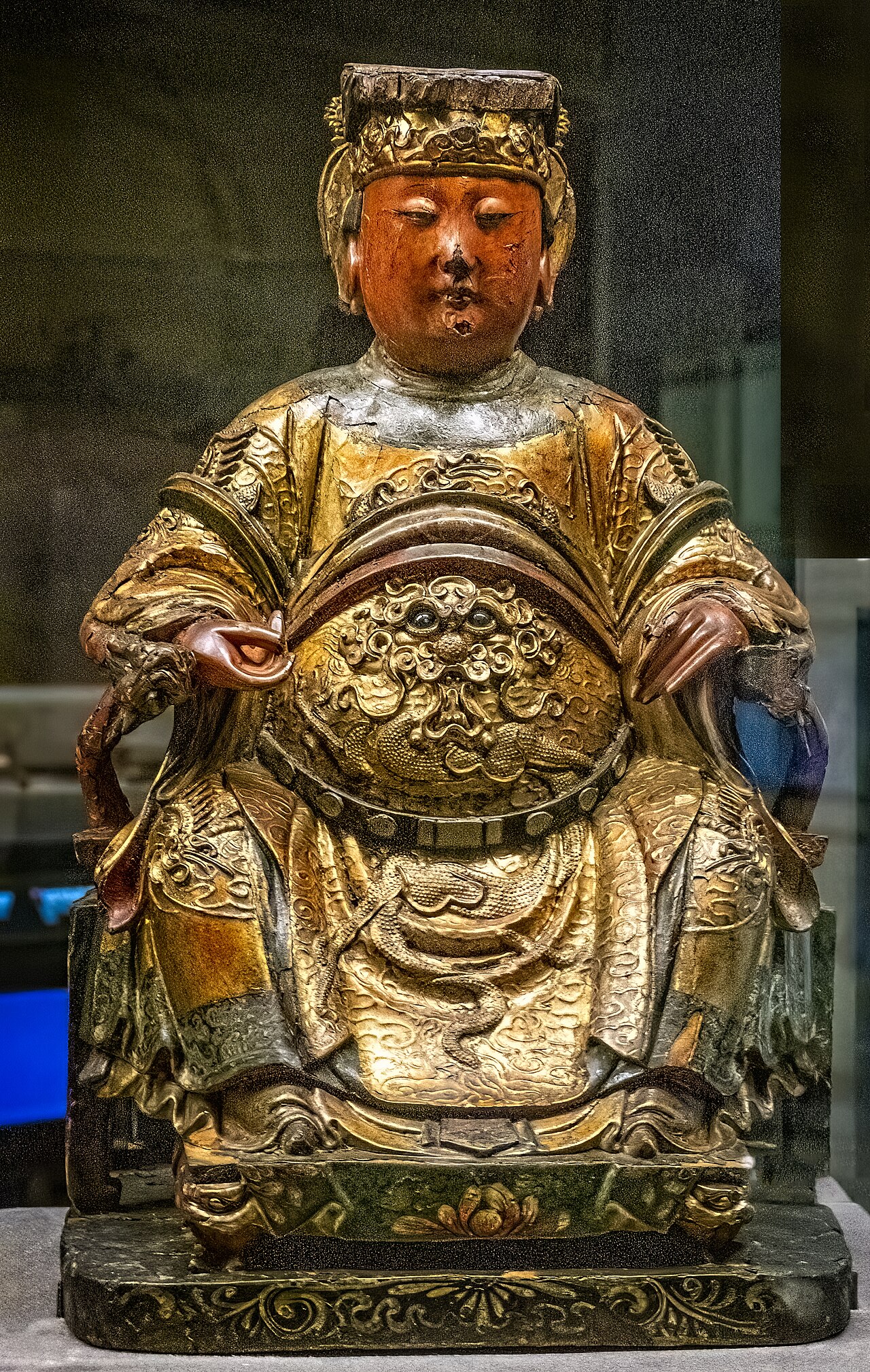
Mazu's legend is central to the temple's appeal. She is said to have been a real young woman, Lin Moniang, born on an island off Fujian in the 10th century, who could predict weather and was believed to rescue sailors from storms through her spiritual power; after her early death she was deified and her cult spread wherever Chinese seafarers went. In the temple's main hall her serene statue, richly robed and crowned, presides over altars where worshippers light towering incense sticks and pray for safe journeys, family wellbeing, and good fortune. Because she protects travellers, the temple is a popular stop for people about to embark on trips — and its maritime safe-passage charms make a meaningful souvenir.
Visiting rituals mirror those at the Kantei-byō: burn incense at the succession of altars, bow, and if you wish, draw a fortune. A small admission funds the inner hall and the temple's ornate upkeep. The temple's biggest celebration falls around Mazu's birthday in spring (traditionally the 23rd day of the third lunar month), when processions, drumming and offerings fill the courtyard; Chinese New Year also brings lion dances and lanterns to the surrounding streets.
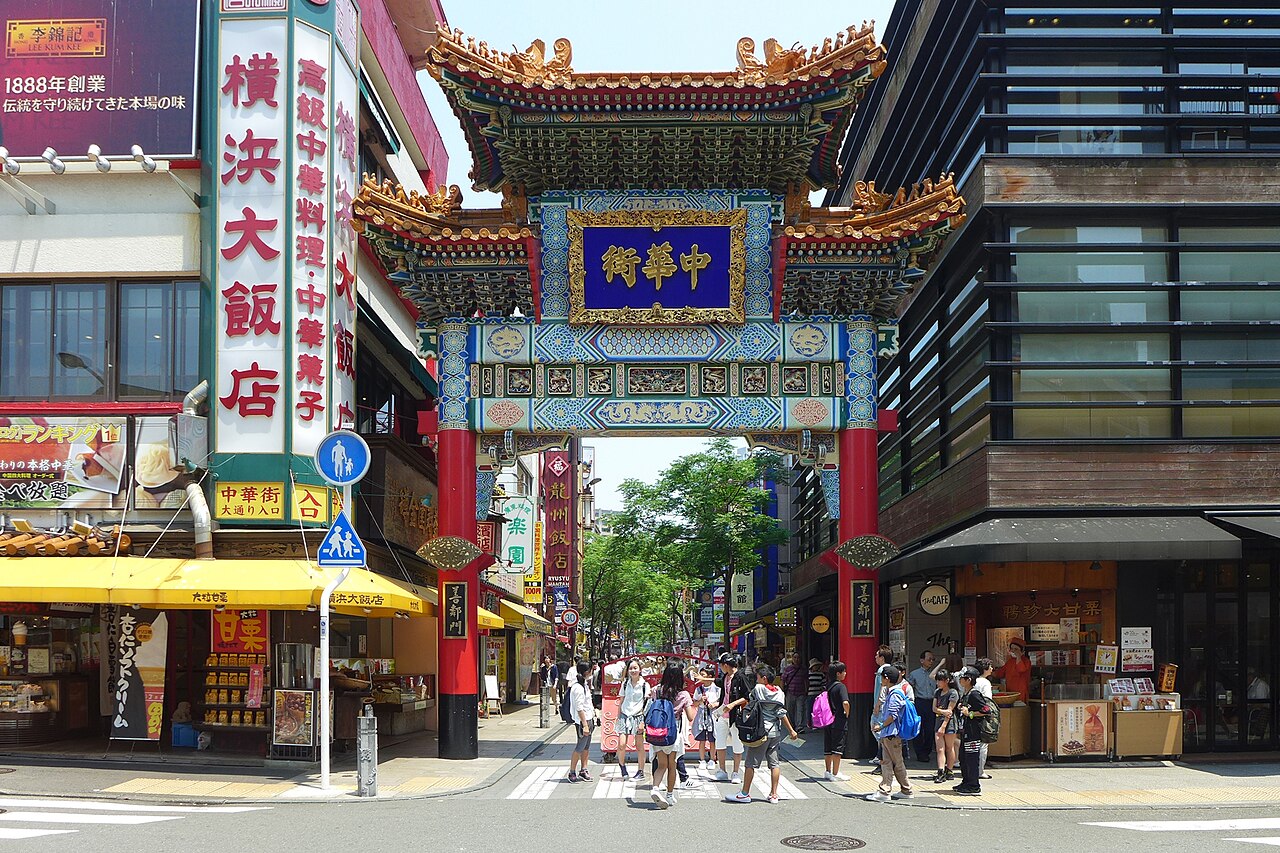
Masobyō sits toward the southern edge of Chinatown, a five-minute walk from Motomachi-Chukagai Station on the Minatomirai Line, or about seven minutes from JR Ishikawacho on the Negishi Line. The Minatomirai Line is a private railway outside the Japan Rail Pass, but the JR approach is covered. Its proximity to the Kantei-byō — only a few streets away — means the two temples are best seen together, offering a vivid contrast between two of the most important deities of Chinese folk religion.
Allow around thirty minutes for the temple, and build it into a broader wander through Chinatown's food-packed lanes. Masobyō may be modern, but its craftsmanship, its glowing colours, and the tender, seafaring story of the goddess it honours make it one of Yokohama's most rewarding and least-understood sacred sights.
A local's tip
Pair it with the Kantei-byō a few streets away — together they let you see the two poles of Chinese folk faith: the god of war and commerce, and the compassionate sea-goddess who protects travellers. Buy a maritime safe-journey charm here before a big trip.
Best time to visit
Mazu's birthday festival (spring) or evening
Getting there
A 5-minute walk from Motomachi-Chukagai Station (Minatomirai Line), near the southern edge of Yokohama Chinatown; about 7 minutes from JR Ishikawacho Station.
Good to know
- Charms
- Incense
- Restrooms
Plan the whole trip offline
Masobyō (Yokohama Mazu Temple) is one of many places in the Real Japan app — with turn-by-turn directions, nearby spots and full offline maps you can use with no signal.