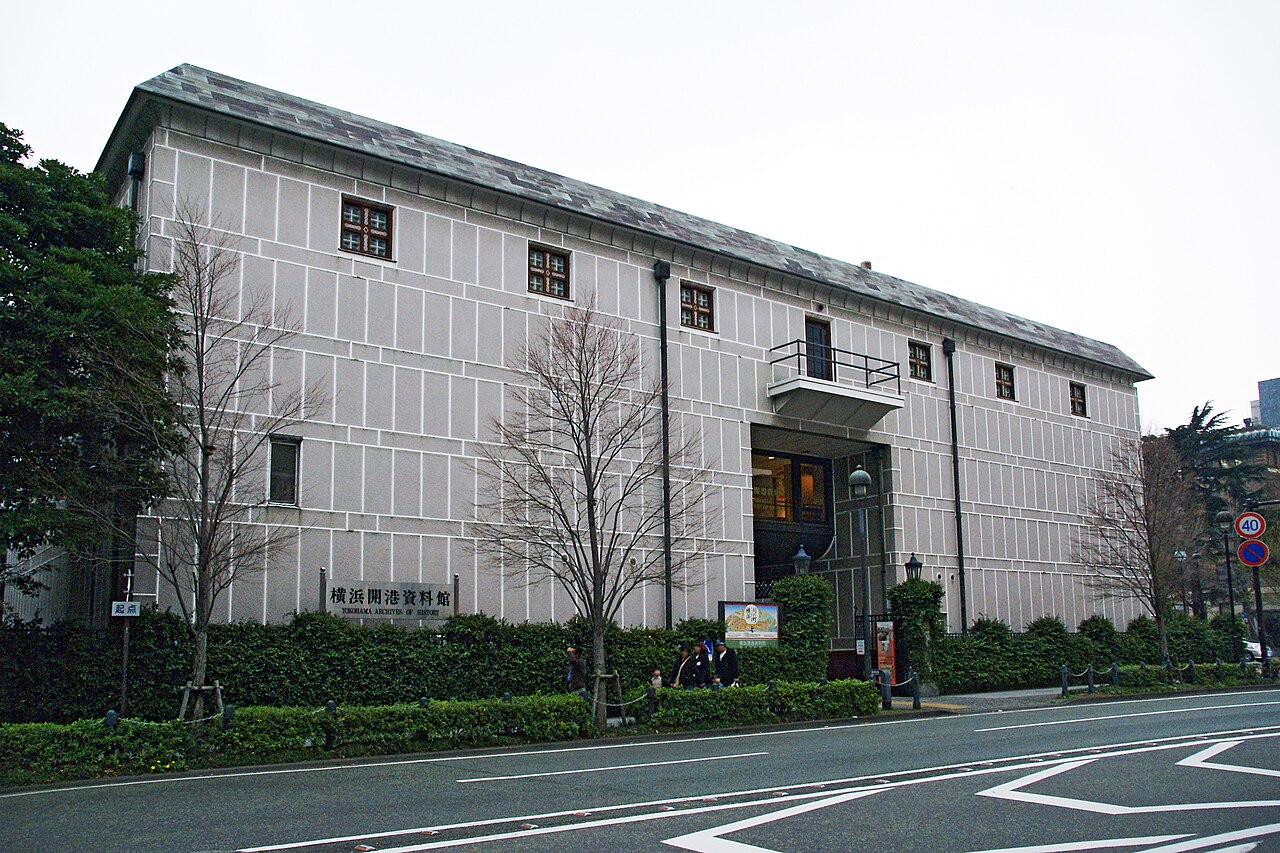
A museum of Yokohama's opening to the West, housed in the former British Consulate beside the harbour.
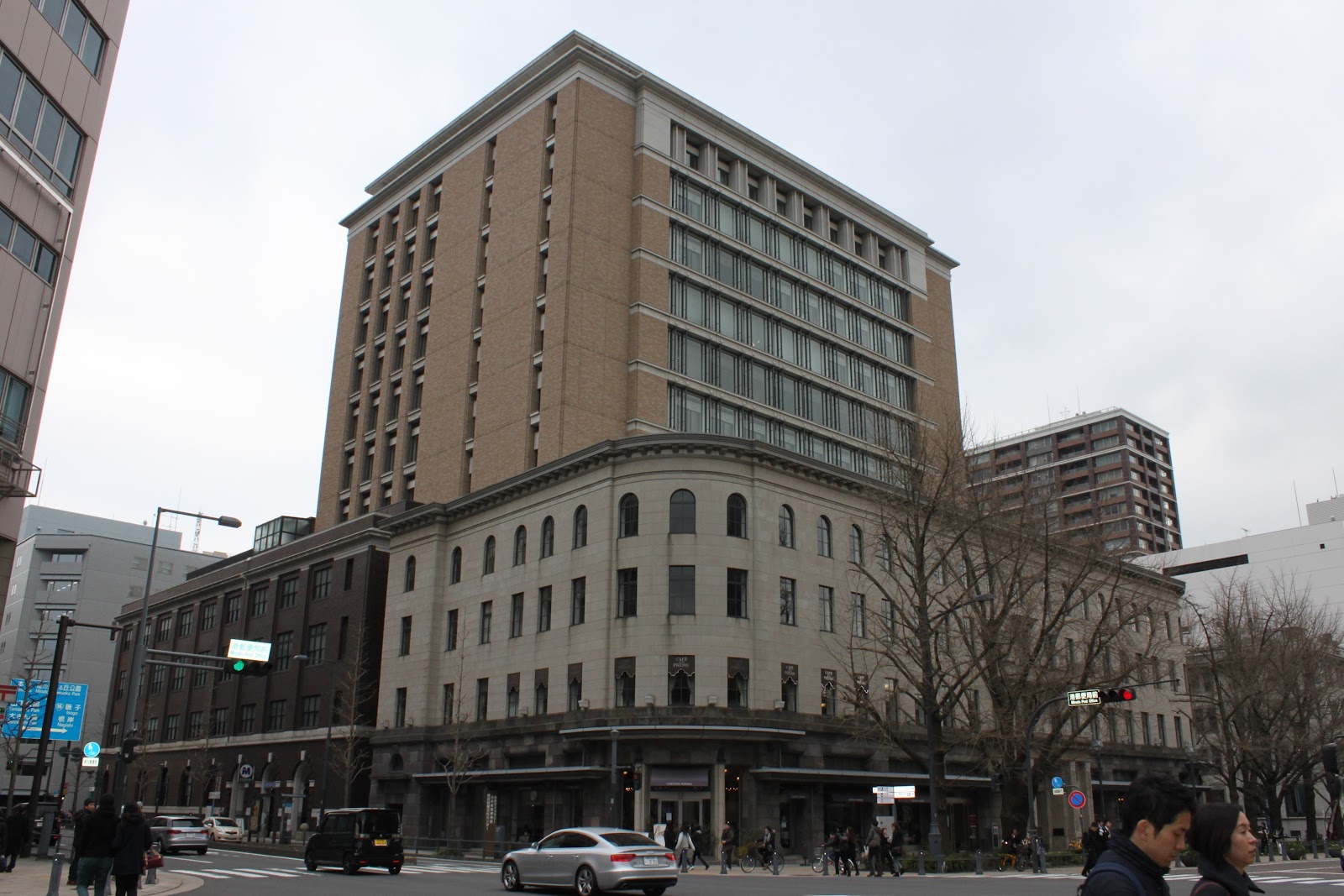
The Yokohama Archives of History tells the story of how a small fishing village on Tokyo Bay was transformed, almost overnight, into Japan's principal gateway to the outside world. Set in the historic Kannai district a stone's throw from the harbour and Yamashita Park, the museum occupies the handsome brick-and-stone building of the former British Consulate, and it is dedicated to the dramatic events of the mid-nineteenth century when Japan ended more than two centuries of seclusion and opened the port of Yokohama to foreign trade in 1859.
The museum's exhibits trace this pivotal era in vivid detail, from the arrival of Commodore Perry's 'Black Ships' and the signing of the Treaty of Peace and Amity to the rapid growth of the foreign settlement and the birth of a cosmopolitan port culture. Through old maps, prints, photographs, newspapers, documents, everyday objects and ukiyo-e depicting foreigners and their strange new customs, it conveys both the geopolitical stakes and the human texture of a moment when East and West collided on Yokohama's waterfront. The collection is a serious research resource, and the museum incorporates an archive and library used by historians, but the displays are arranged to be accessible and engaging for general visitors as well.
The building itself is part of the story. Reconstructed in 1931 on the site of the earlier consulate, it wraps around a peaceful inner courtyard, at the centre of which grows the celebrated 'tamakusu' — a great camphor tree that survived both the fire accompanying the 1854 treaty negotiations and the devastating Great Kanto Earthquake of 1923, and whose descendant still shades the courtyard today as a living symbol of continuity through catastrophe. The elegant former consular architecture, with its arches and brickwork, evokes the very period the museum documents.
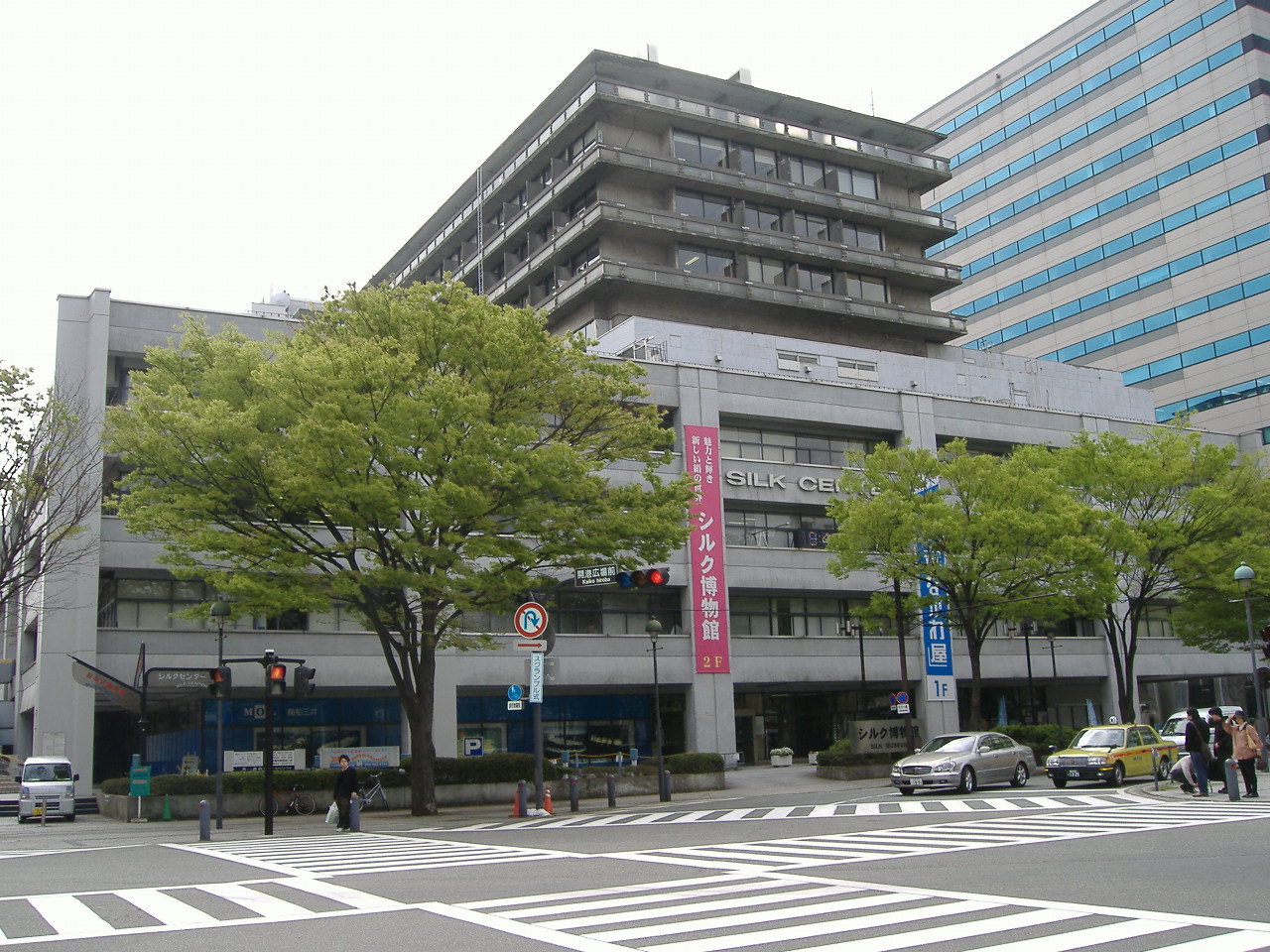
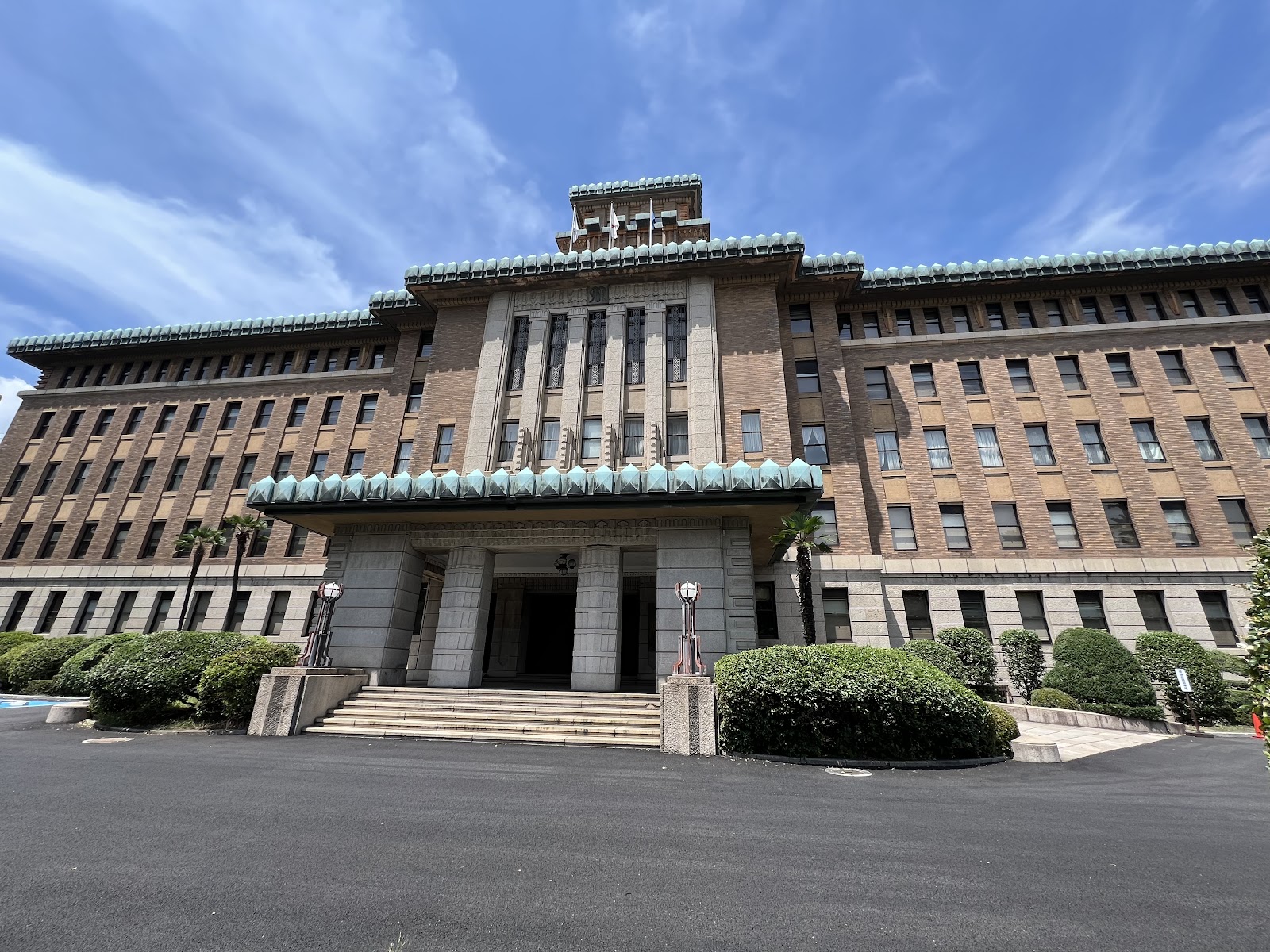
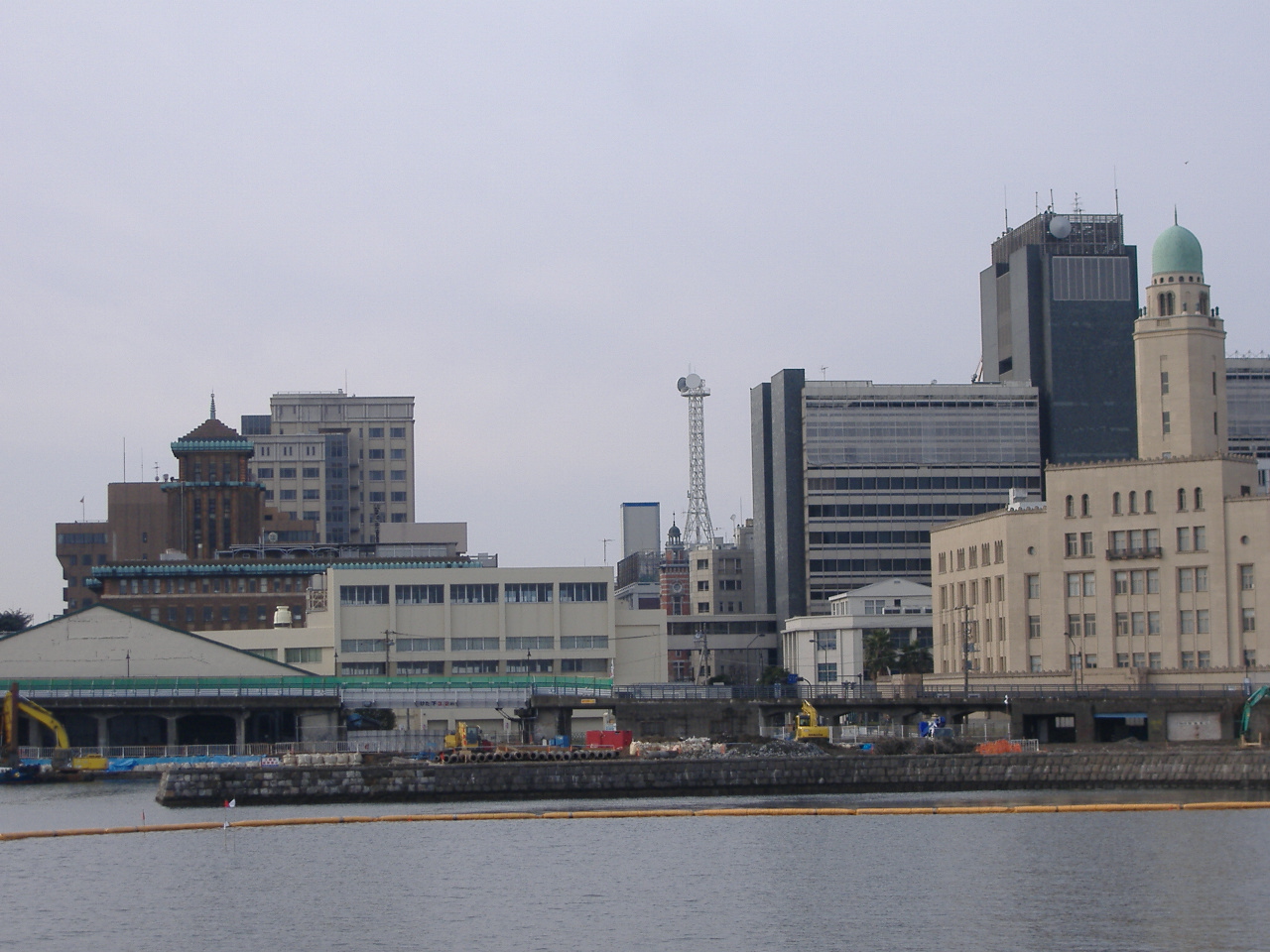
For visitors, the Archives make an ideal anchor for exploring historic Yokohama. The surrounding Kannai and Yamashita areas are dotted with related landmarks — the Silk Museum, the old customs and government buildings, the harbour promenade and the moored Hikawa Maru — so the museum's context is quite literally all around it. Displays include English-language information, admission is inexpensive, and the compact scale means a visit fits comfortably into a wider waterfront walk. Facilities are modest but adequate, with restrooms, a small shop and the reference library, and the building is largely accessible.
The museum is closed on Mondays and keeps daytime hours, with a very reasonable entrance fee. It sits about three minutes on foot from Nihon-odori Station on the Minatomirai Line, directly across from Yamashita Park. Allow around an hour to take in the exhibits and the courtyard tree, and use it as a starting point to understand the history behind everything else you will see along Yokohama's harbour — the moment this port city was born into the modern age.
A local's tip
In the courtyard stands the 'tamakusu' camphor tree that survived the fires of the 1854 treaty signing and the 1923 earthquake — a living link to the very events the museum documents.
Best time to visit
Anytime; pair with a Kannai and Yamashita Park walk
Getting there
A 3-minute walk from Nihon-odori Station on the Minatomirai Line, across from Yamashita Park near the Silk Museum and the harbour.
Good to know
- Shop
- Library
- Restrooms
Plan the whole trip offline
Yokohama Archives of History is one of many places in the Real Japan app — with turn-by-turn directions, nearby spots and full offline maps you can use with no signal.