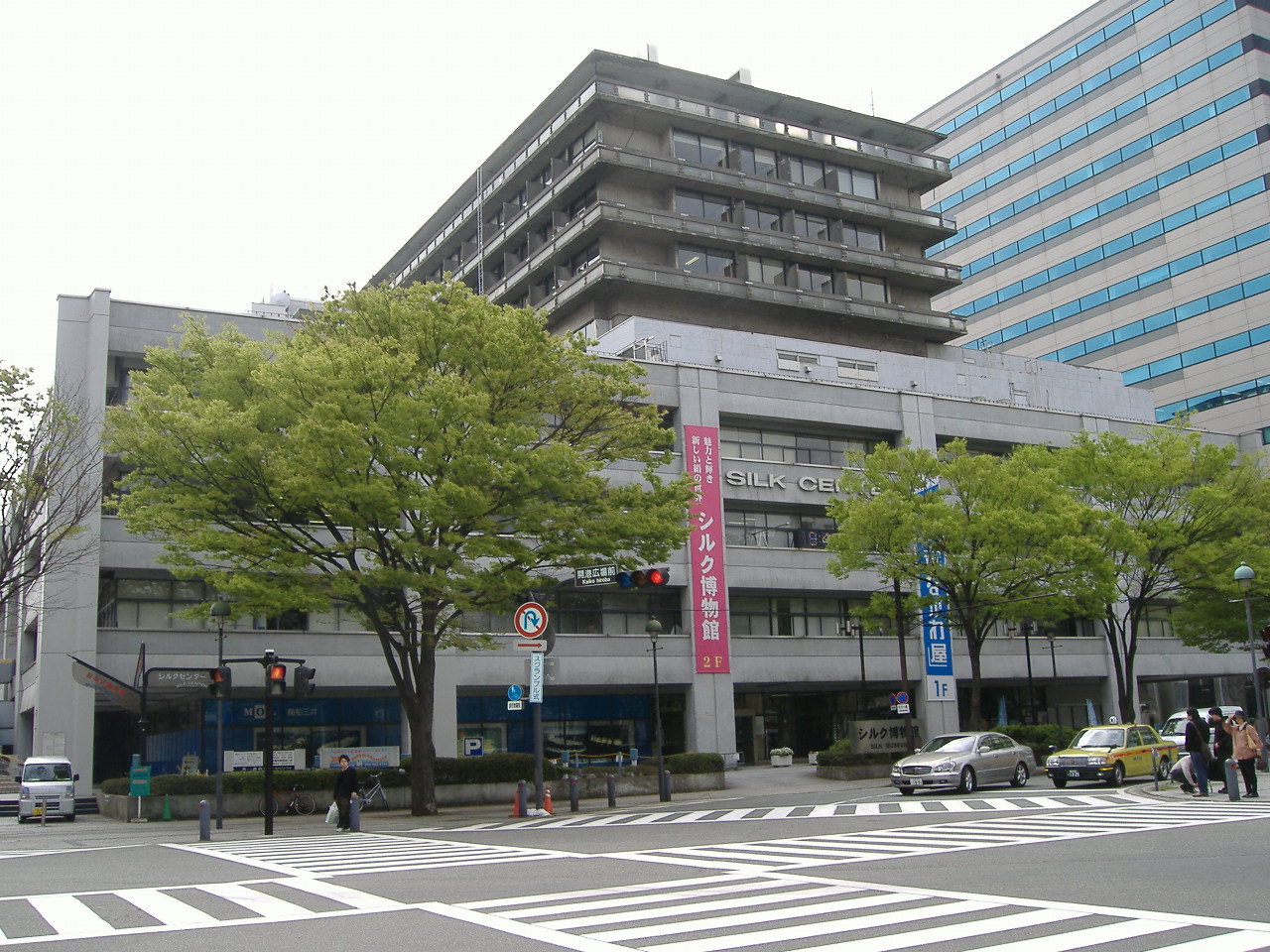
A museum on the silk trade that made Yokohama rich, from cocoon to kimono, in the harbourside Silk Center.
The Silk Museum celebrates the commodity that, more than any other, built modern Yokohama: raw silk. After the port opened to foreign trade in 1859, silk became Japan's dominant export, and Yokohama grew wealthy as the point from which the country's silk thread flowed to the mills of Europe and America. Housed in the Silk Center building at the harbour end of the grand Nihon-odori avenue, the museum tells this story of the fibre that shaped the city's fortunes, and does so through a rich display of textiles, tools and history.
The exhibition walks visitors through the entire journey of silk, from biology to finished garment. It begins with the silkworm and the mulberry leaves it feeds on, explains the delicate process of sericulture and the reeling of raw thread from cocoons, and continues through weaving, dyeing and the creation of luxurious fabrics. Displays of looms and reeling equipment illustrate the craft, while the human story of the silk trade — the merchants, the foreign buyers and the role silk played in financing Japan's rapid modernisation — grounds the technical material in Yokohama's own history. Live demonstrations of silk-reeling or related crafts are sometimes held, offering a memorable close-up of how thread is drawn from a boiled cocoon.
The undoubted highlight for many visitors is the collection of magnificent kimono and historical costumes. Ranging across eras and styles, these garments showcase the extraordinary artistry of Japanese silk textiles — the intricate weaving, hand-dyeing and embroidery that turn plain thread into wearable art. Some displays trace the evolution of Japanese dress, and the sheer craftsmanship and colour of the finest pieces make this section a feast for anyone interested in fashion, textiles or traditional craft. A shop sells silk goods and souvenirs.
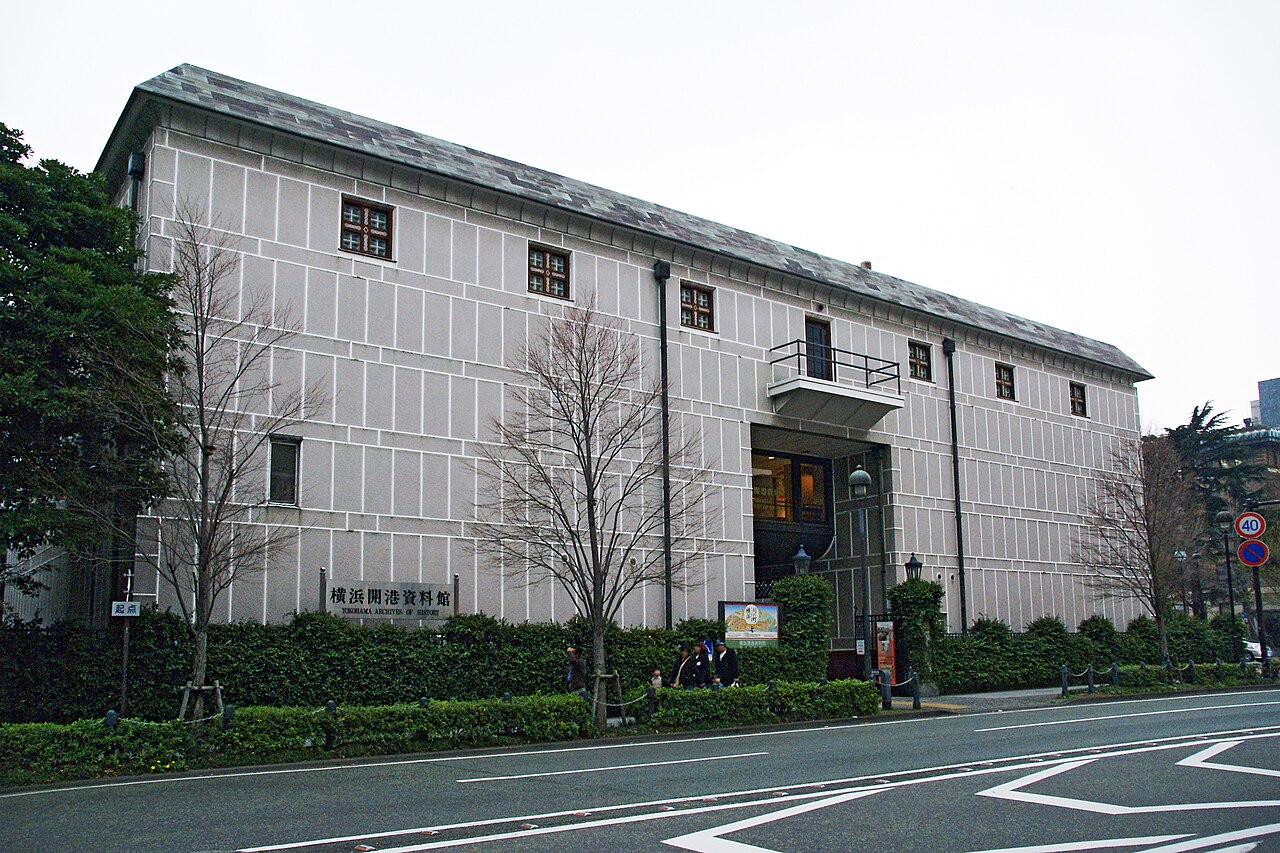
For visitors the museum offers a focused, hour-long experience that pairs naturally with the surrounding historic waterfront. It sits beside the harbour, Yamashita Park and the cluster of treaty-port landmarks in Kannai, including the neighbouring Yokohama Archives of History, so it slots easily into a themed walk through the district where Japan met the modern world. The displays include English information, the scale is manageable, and the building is accessible, with restrooms and a shop on site.
The Silk Museum is closed on Mondays, keeps daytime hours and charges a modest admission. It is just a two-minute walk from Nihon-odori Station on the Minatomirai Line, at the harbour end of Nihon-odori. Allow about an hour to appreciate both the industrial story and the dazzling kimono collection — and let it deepen your understanding of why Yokohama, of all Japan's ports, became the glittering gateway it remains today.
A local's tip
Time your visit for a live silk-reeling or kimono demonstration if one is scheduled — watching raw thread pulled from cocoons brings the whole exhibition to life.
Best time to visit
Anytime; combine with the harbour and Kannai sights
Getting there
A 2-minute walk from Nihon-odori Station on the Minatomirai Line, in the Silk Center building at the harbour end of Nihon-odori avenue.
Good to know
- Shop
- Restrooms
Plan the whole trip offline
Silk Museum is one of many places in the Real Japan app — with turn-by-turn directions, nearby spots and full offline maps you can use with no signal.