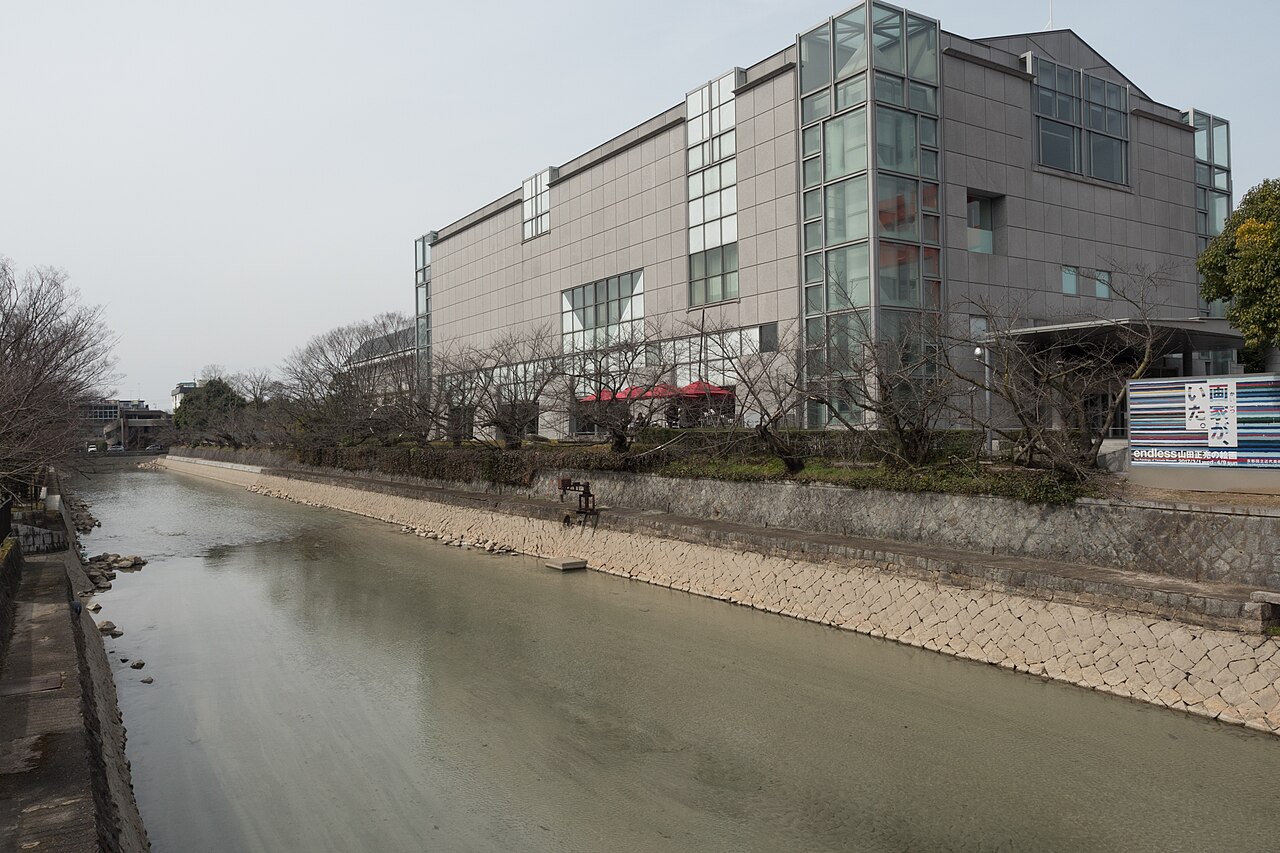
A refined national collection of modern art strong in Kyoto ceramics, crafts and Nihonga, in a Fumihiko Maki building.
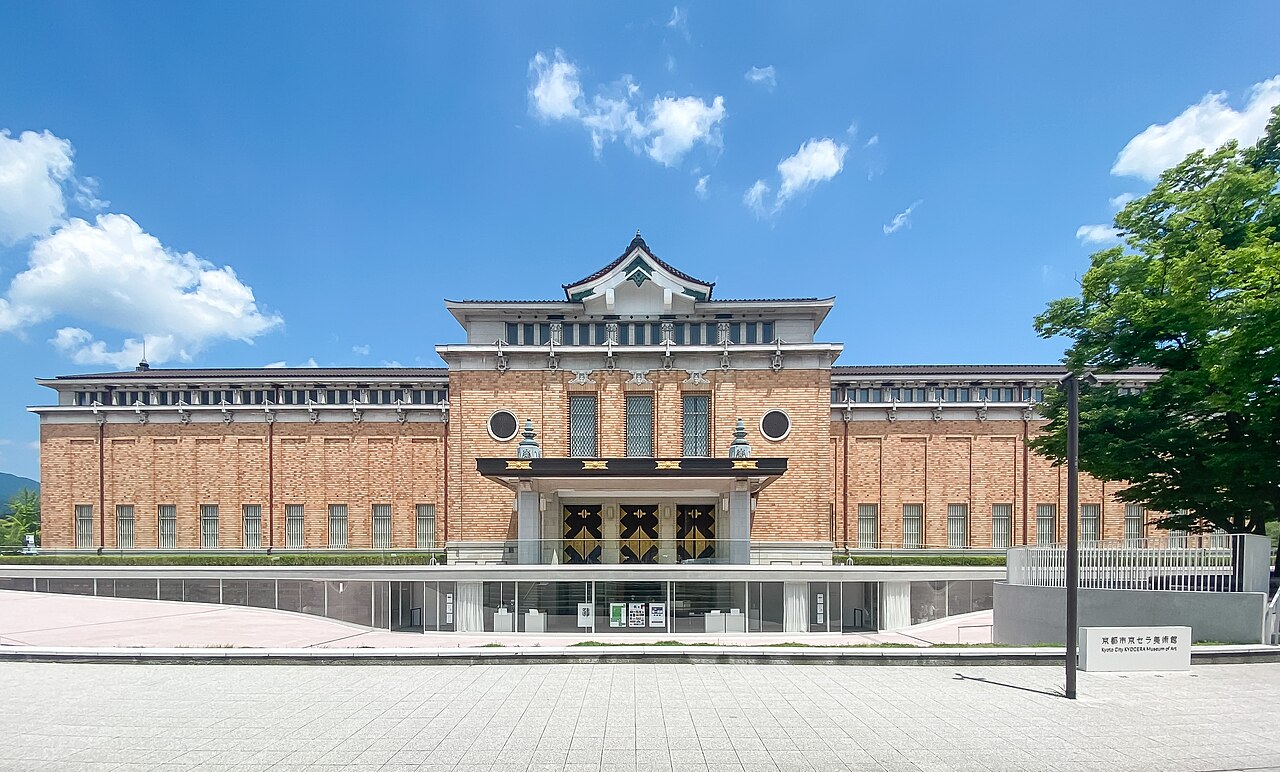
The National Museum of Modern Art, Kyoto, usually shortened to MoMAK, is the quieter, more contemplative counterpart to the grand Kyocera Museum that faces it across the Okazaki cultural park. One of the country's national museums of modern art, alongside its Tokyo sibling, it was established in 1963 and moved in 1986 into its present home, a crisp, elegant building designed by the celebrated architect Fumihiko Maki, later a Pritzker Prize laureate. His restrained grid of grey granite and glass sits with deliberate modesty beneath the towering vermilion torii of Heian Shrine.
MoMAK's collection runs to several thousand works and has a distinctive Kyoto and Kansai accent that sets it apart from national museums elsewhere. Its greatest strength is in crafts and ceramics: it holds a superb body of modern Japanese pottery, including works by Kanjiro Kawai and the mingei folk-craft movement, along with lacquer, textiles, bamboo and metalwork that connect directly to Kyoto's living tradition of artisan workshops. Alongside these it presents strong holdings of Nihonga (Japanese-style painting) from the Kyoto school, Western-style painting, prints, and photography, plus a growing collection of modern and contemporary works from Japan and abroad.
Because the permanent galleries rotate frequently and thematically, repeat visitors rarely see the same show twice, and the museum stages a steady programme of special exhibitions devoted to individual artists, design movements and photography. The scale is human and manageable: where a national blockbuster can be exhausting, MoMAK can be savoured in an hour or ninety minutes, which makes it a perfect pairing with the neighbouring attractions.
The building itself is part of the pleasure. Maki's design pulls daylight deep into the stacked galleries, and the upper floors offer framed views out over Okazaki; the fourth-floor window looking straight down the avenue of the Heian Shrine torii is a favourite quiet photo spot. There is a comfortable cafe and a well-stocked shop with craft-focused books and design objects.
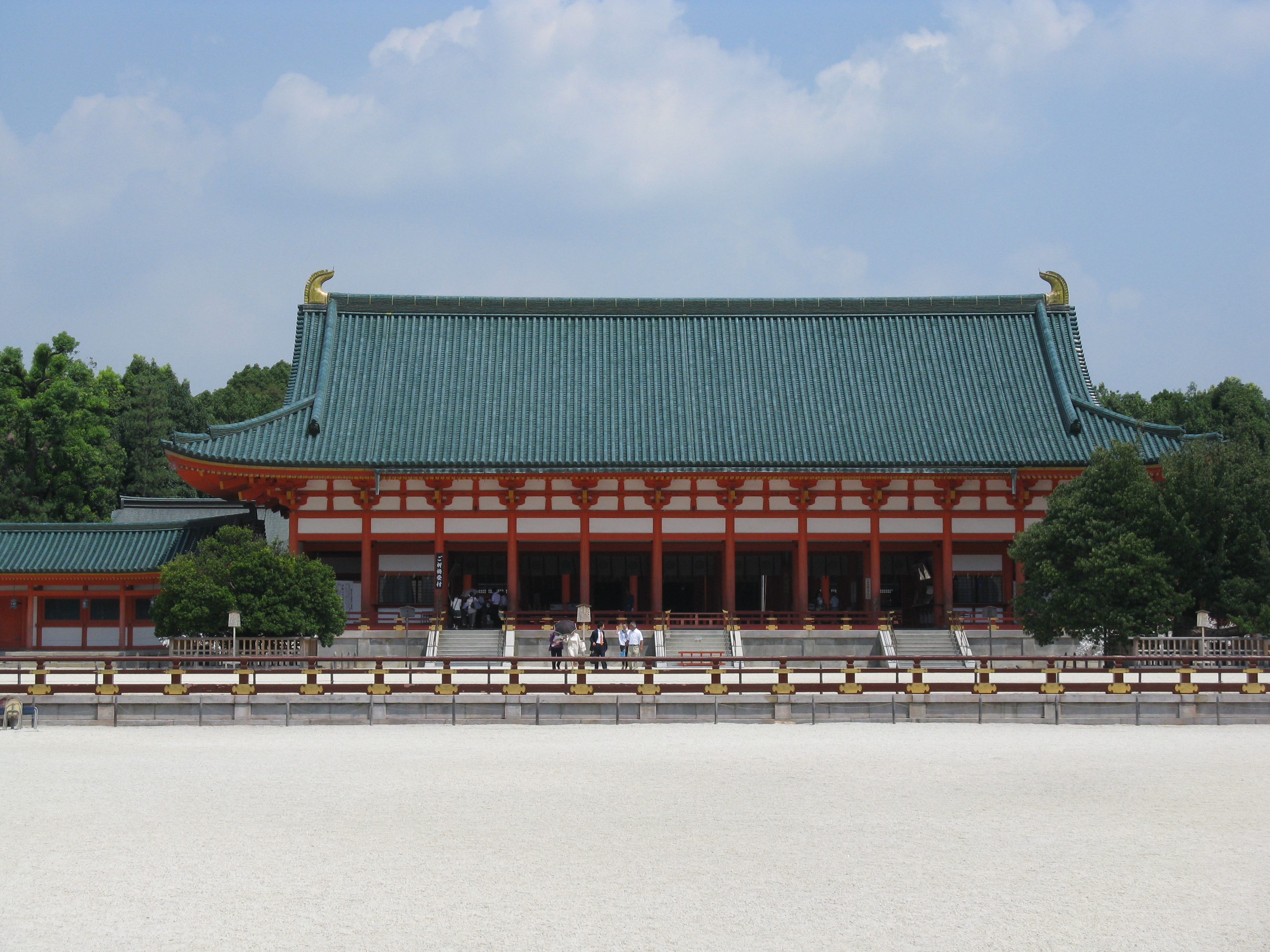
MoMAK's setting could hardly be better for a culture-focused day. It stands within the Okazaki park cluster that also holds the Kyocera Museum of Art, the Kyoto Municipal Zoo, the Heian Shrine and its famous garden, the Lake Biwa Canal Museum and the ROHM Theatre, all within a few minutes' walk. In spring the canal and park fill with cherry blossom and pleasure boats, and in autumn the maples glow, so the approach alone can be a highlight.
Getting there is easy: take the Tozai subway line to Higashiyama Station and walk about eight minutes, or catch a city bus from Kyoto Station to the Okazaki-koen area. Admission to the collection galleries is a very reasonable 430 yen, while special exhibitions are priced separately. The museum stays open until 20:00 on Fridays, a lovely time to visit when the galleries empty out, and is closed on Mondays and over the New Year holidays.
A local's tip
The upstairs galleries hold one of Japan's best collections of Kyoto ceramics and crafts; the fourth-floor window frames a postcard view straight down the Okazaki torii avenue.
Best time to visit
Friday evenings (extended hours); spring for the surrounding blossoms
Getting there
An 8-minute walk from Higashiyama Station on the Tozai subway line; the museum faces the great torii gate of Heian Shrine across the Okazaki park, opposite the Kyocera Museum of Art.
Good to know
- Cafe
- Wi-Fi
- Restrooms
- Museum Shop
Plan the whole trip offline
The National Museum of Modern Art, Kyoto is one of many places in the Real Japan app — with turn-by-turn directions, nearby spots and full offline maps you can use with no signal.