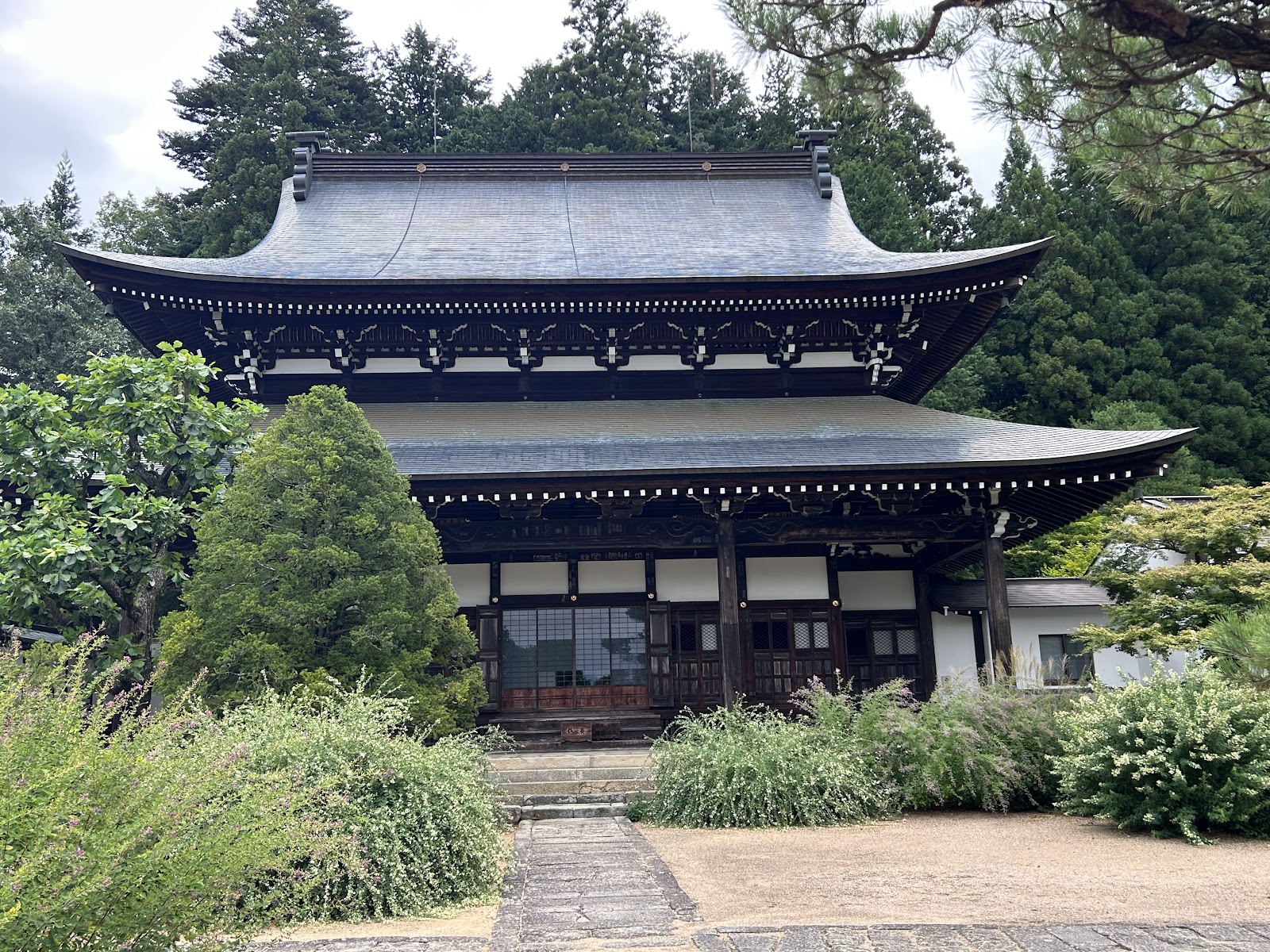
A Rinzai Zen temple of the Kanamori lords, tied to the great swordsman-monk Yamaoka Tesshu, deep in the Higashiyama hills.
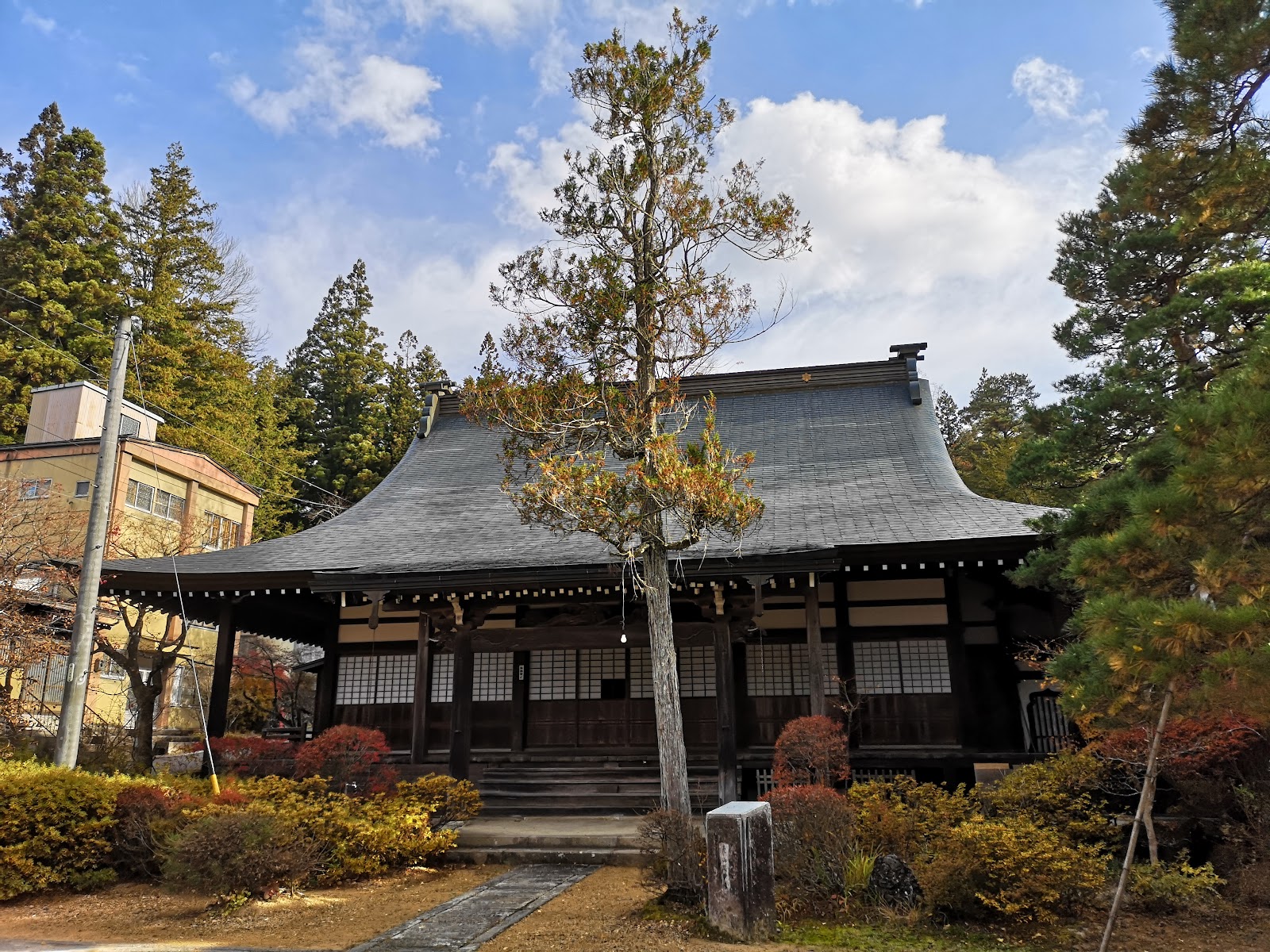
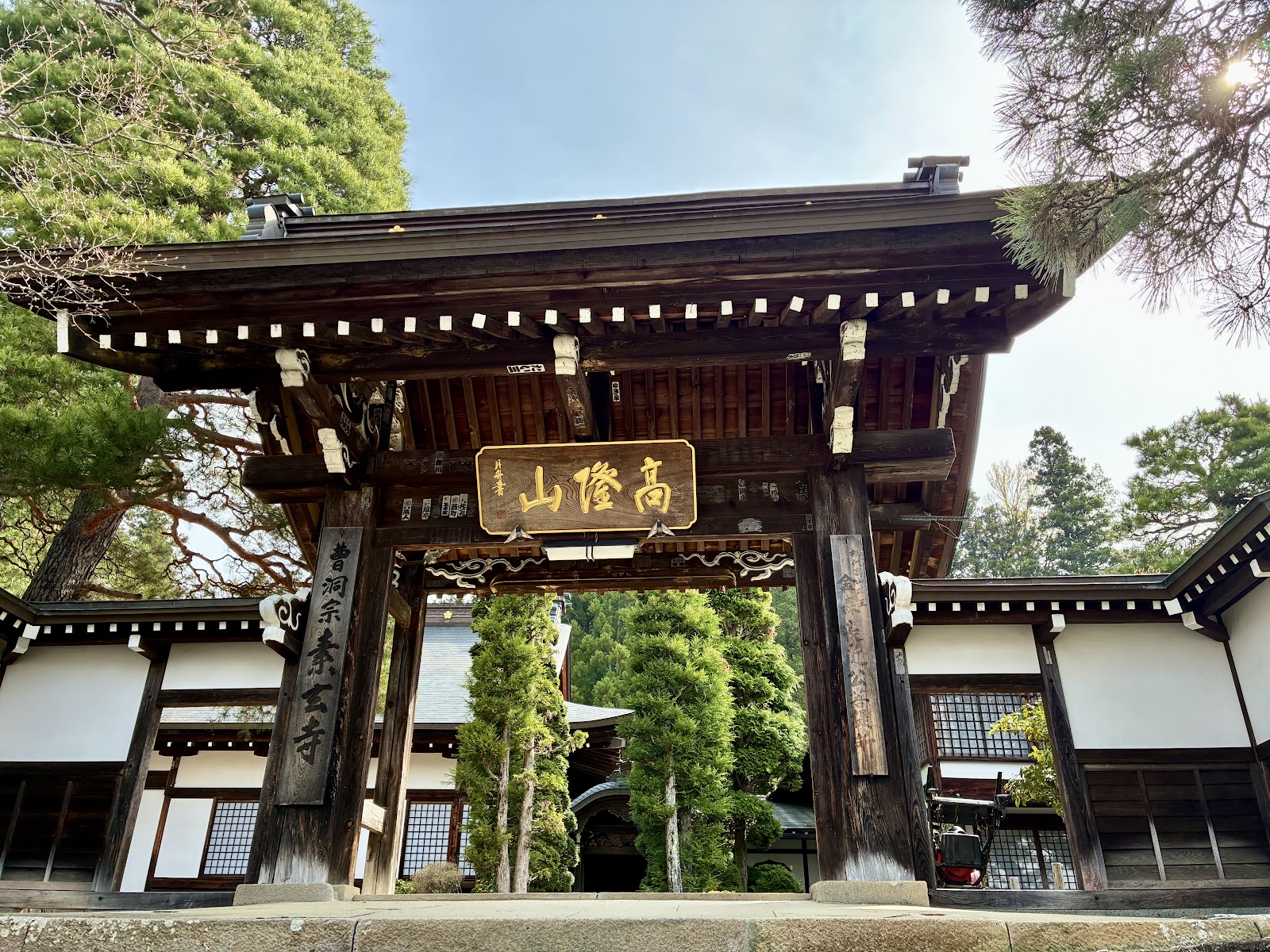
Sōyū-ji is a Rinzai Zen temple set among the cedars of Takayama's Higashiyama temple district, and it carries a strong thread of the town's samurai history. It was established in the early 17th century as a family temple connected to the Kanamori clan, the lords who founded Takayama's castle town, and it belongs to the Myōshin-ji line of Rinzai Zen. Its restrained Zen buildings and the mossy, tree-shaded grounds are characteristic of the quiet, contemplative mood that makes the Higashiyama walk so rewarding.
The temple's most compelling human story concerns Yamaoka Tesshū (1836–1888), one of the towering figures of the late Edo and early Meiji era — a master swordsman, Zen practitioner, and celebrated calligrapher who is remembered above all for his role in the bloodless surrender of Edo Castle, helping Japan avoid a catastrophic battle during the collapse of the shogunate. Tesshū's family had roots in Hida, and the graves of his parents lie here at Sōyū-ji. Each year on July 19, the anniversary of Tesshū's death, a Buddhist memorial service is held in his honor, and admirers of his calligraphy and his philosophy of “no-sword” swordsmanship still make the pilgrimage.
As with its neighbors, Sōyū-ji is best understood as part of the Higashiyama Teramachi. When Kanamori Nagachika laid out his castle town at the end of the 16th century, he relocated temples and shrines onto the eastern hills, creating a spiritual quarter that doubled as a defensive screen. Today those foundations are threaded together by the Higashiyama Walking Course, a peaceful promenade of about three and a half kilometers that links more than a dozen temples and shrines. Walking it, you leave behind the crowds of the Sanmachi merchant streets for stone steps, old graveyards, and forest quiet — and Sōyū-ji is one of its more historically resonant stops.
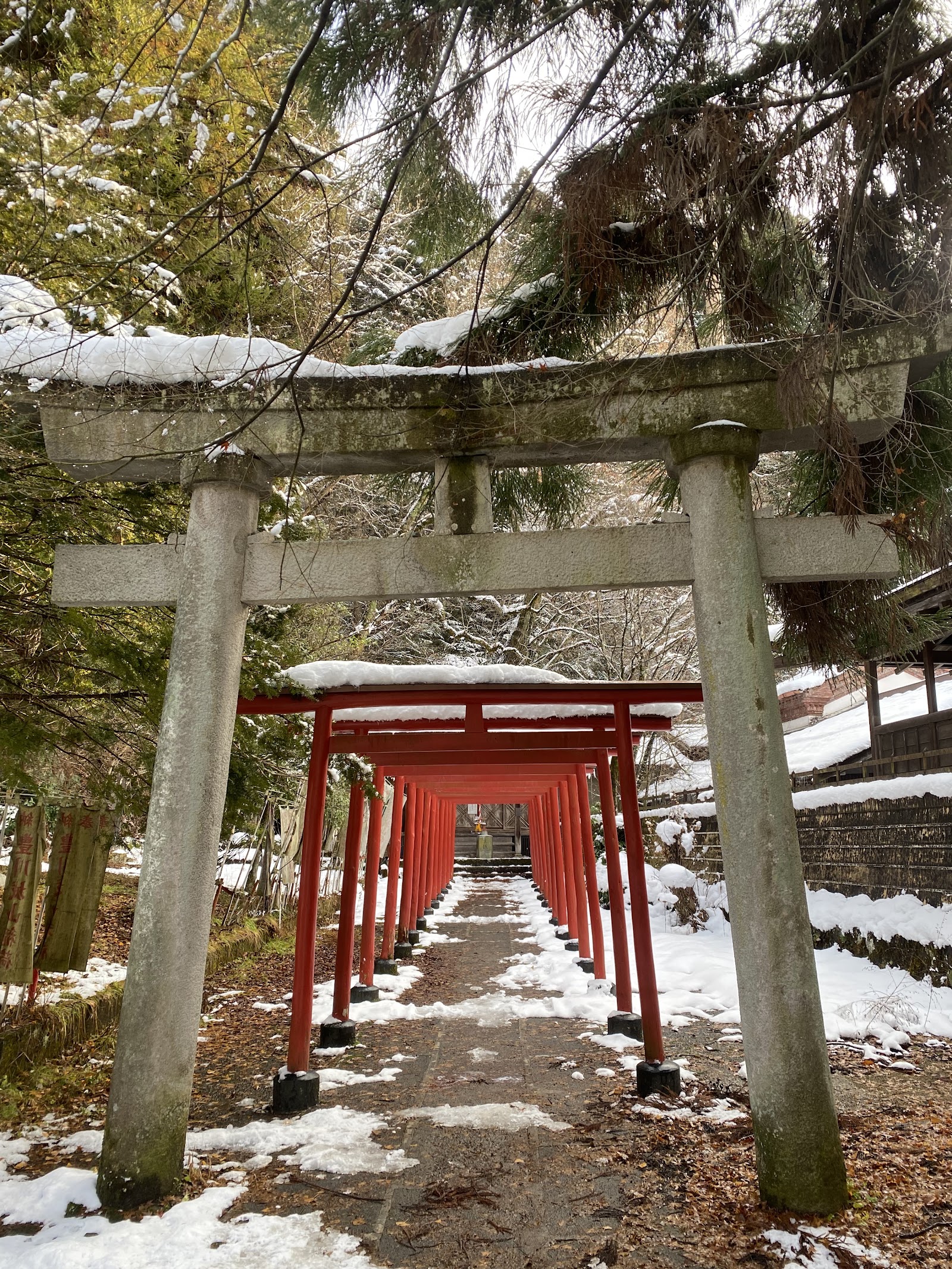
The grounds are free and open, and a visit of 20 to 25 minutes is ample to take in the Zen halls, wander the cemetery in search of the Yamaoka graves, and enjoy the stillness under the trees. There is little commercialization here; this is a living neighborhood temple rather than a managed attraction, which is precisely its charm. Autumn is the loveliest time, when maples color the hillside, though the deep green of early summer and the snow-laden roofs of winter each suit the somber Zen character of the place.
To reach Sōyū-ji, walk about 22 minutes east from Takayama Station into the hills, or simply follow the Higashiyama Walking Course, which passes directly by. It pairs naturally with Unryū-ji, Higashiyama Hakusan Shrine, and Tenshō-ji just to the north, and with a continuation of the trail toward Shiroyama Park and the Takayama Castle ruins. For travelers drawn to samurai history and Zen — or simply seeking the quietest, most contemplative corner of Takayama — Sōyū-ji is a deeply worthwhile detour.
A local's tip
The parents of Yamaoka Tesshu — the legendary swordsman, Zen master and calligrapher who helped negotiate the peaceful surrender of Edo — are buried here.
Best time to visit
Autumn for maple color; July 19 for the memorial service to Yamaoka Tesshu
Getting there
About a 22-minute walk east of JR Takayama Station into the Higashiyama district; on the Higashiyama Walking Course south of Unryu-ji.
Good to know
- Parking
- Restrooms
Plan the whole trip offline
Soyu-ji Temple is one of many places in the Real Japan app — with turn-by-turn directions, nearby spots and full offline maps you can use with no signal.