A rescued 1504 main hall — one of Japan's oldest Jodo Shinshu buildings — moved beam by beam from a valley before a dam flooded it.
Shōren-ji holds one of the most remarkable buildings in Takayama, and one with an extraordinary rescue story. Its main hall (Hondō) was originally built in 1504 in the mountain village of Shirakawa-gō, north of Takayama, as the center of Jōdo Shinshō (True Pure Land) Buddhism in the region. When the Miboro Dam was constructed in the 1960s and the valley was slated to be flooded, the historic hall was carefully dismantled and moved to its present site on the slope of Shiroyama in Takayama, where it was reassembled to save it from the rising waters. Today it is designated a National Important Cultural Property and stands as one of the oldest surviving Jōdo Shinshō main halls in Japan.
That history gives the building a quiet gravity. Its massive, dark timbers and restrained, powerful joinery are all early-16th-century work, expressing the austere aesthetic of Pure Land architecture. Standing inside, it is worth remembering that these very beams once framed a temple in a remote thatched-roof valley now beneath a reservoir — a piece of Shirakawa-gō's vanished landscape preserved here in the town.
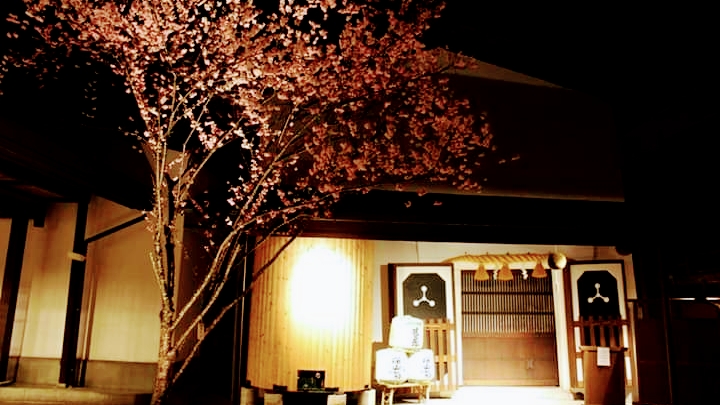
The temple's setting adds to its appeal. It sits on the lower reaches of Shiroyama Park, the wooded hill that once held Takayama Castle, so a visit combines easily with the castle ruins and the Kanamori Nagachika statue at the park's heart. In front of the hall, a small pond garden is presided over by a celebrated weeping cherry tree (shidarezakura). In spring, when the long blossom-laden branches droop over the water, it becomes one of the loveliest and most photographed corners in Takayama; in autumn the surrounding maples turn, and in winter the great roof carries a thick load of snow.
A modest admission fee grants access to the hall and grounds. The experience is contemplative rather than grand — this is a working temple, not a tourist spectacle — and 40 minutes is enough to appreciate the architecture, sit by the pond, and take in the view back over the town rooftops. Because it lies just off the busiest old-town streets, it is often peaceful even when the Sanmachi district is crowded.
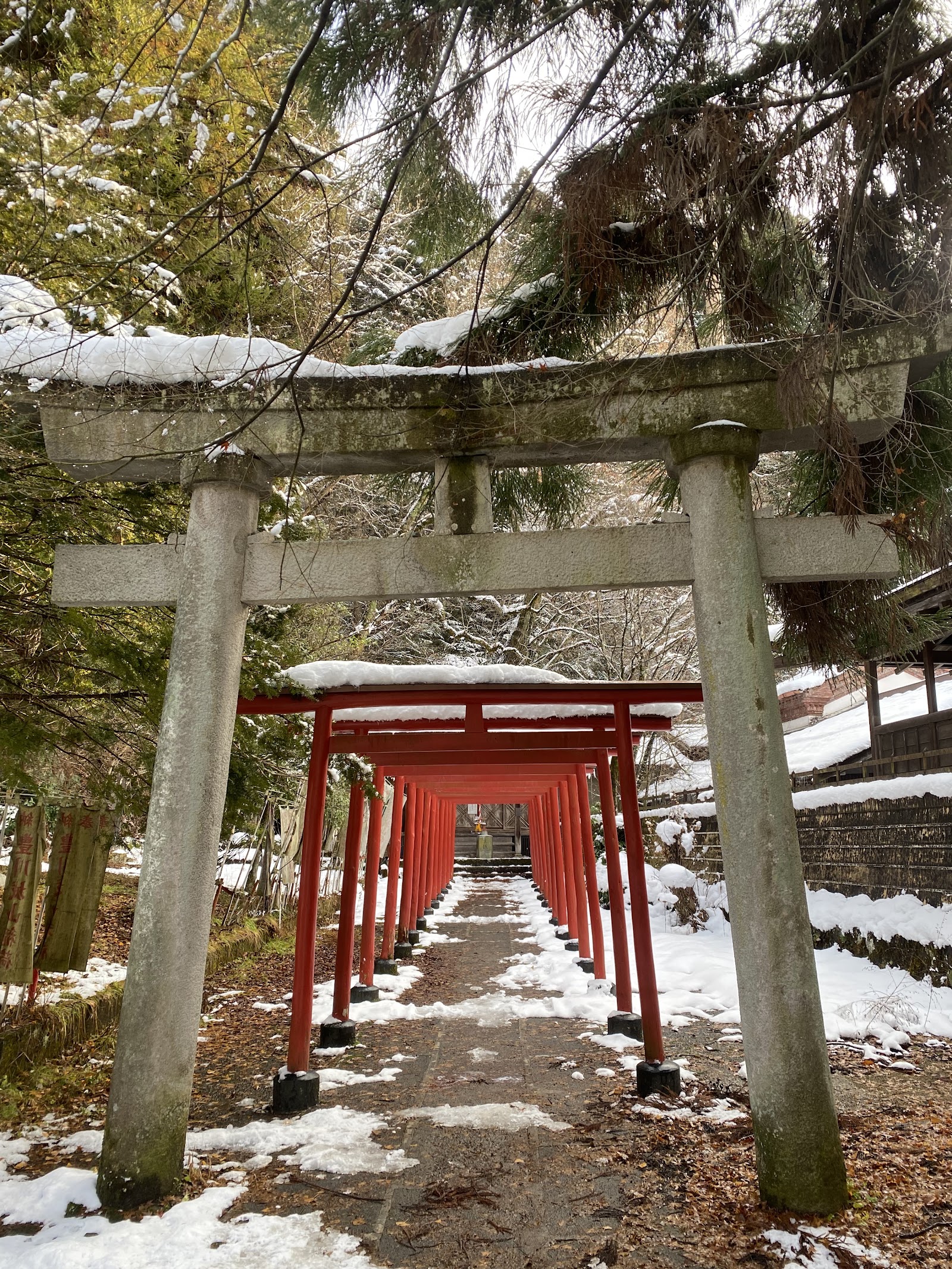
Spring is the signature season for the weeping cherry, but each season reshapes the temple: fresh green in early summer, red and gold maples in November, and deep snow in the long Hida winter that makes the old timbers look older still. The gentle uphill approach passes small torii and quiet residential lanes, part of the pleasure of reaching it.
Shōren-ji is roughly a 15-minute walk from Takayama Station, at the foot of Shiroyama on the southern side of the old town. Pair it with Hie Shrine just below, a climb up through Shiroyama Park to the castle ruins, and the start of the Higashiyama temple walk to the east. For anyone interested in how Takayama and its mountain hinterland preserved their heritage — sometimes quite literally by moving it out of harm's way — this rescued hall is a moving and underrated highlight.
A local's tip
The great main hall was floated out of a doomed valley before it flooded — look for the joinery of its massive, blackened beams, all original 1504 work.
Best time to visit
Spring, when the shidarezakura weeping cherry blooms over the pond
Getting there
About a 15-minute walk from JR Takayama Station toward Shiroyama Park; the temple stands on the lower slope near the Takayama Castle ruins.
Good to know
- Parking
- Restrooms
Plan the whole trip offline
Shoren-ji Temple is one of many places in the Real Japan app — with turn-by-turn directions, nearby spots and full offline maps you can use with no signal.