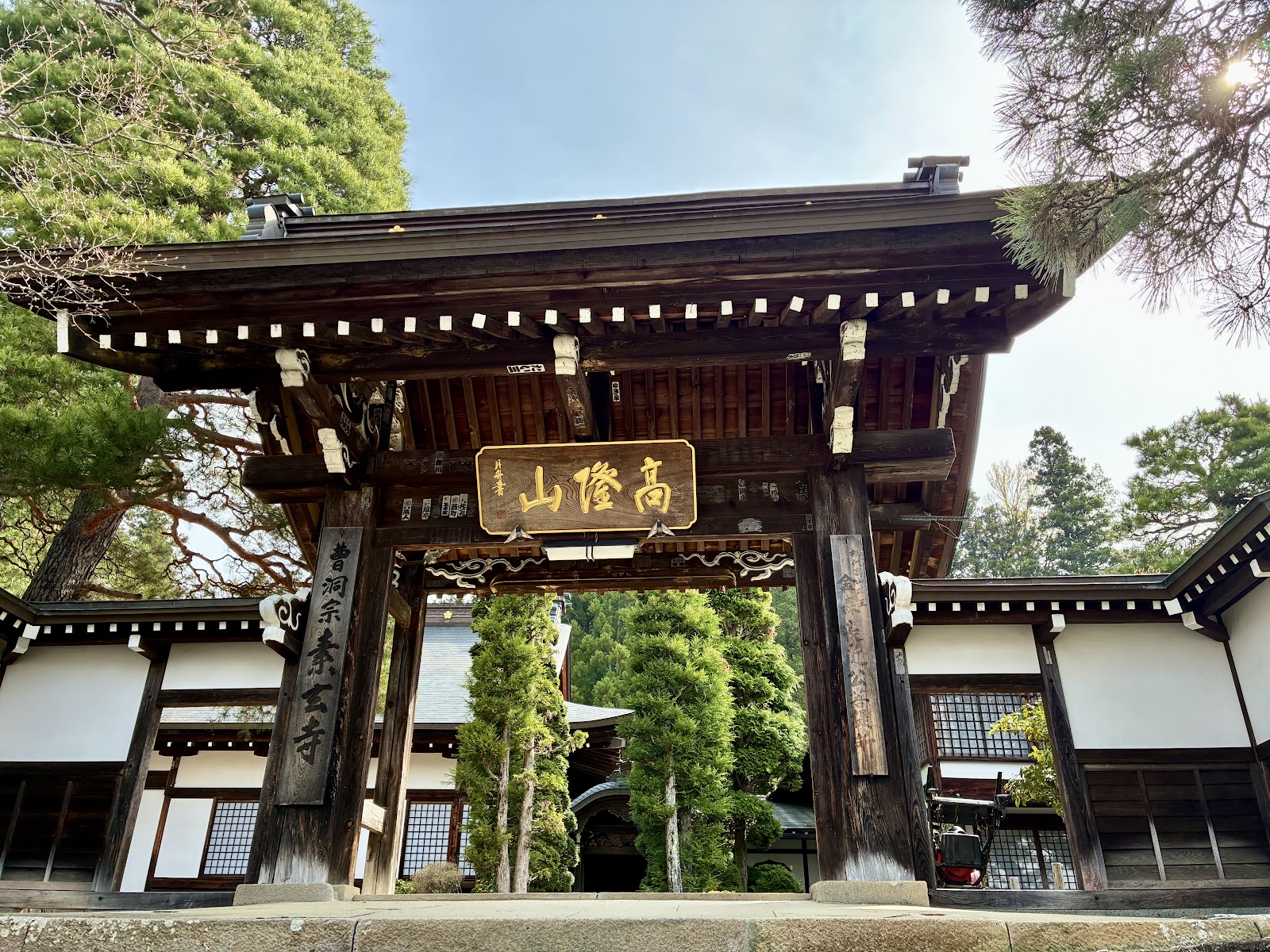
A tranquil temple town on Takayama's eastern hill, a signposted walking route linking a dozen quiet temples, shrines and old lanes.
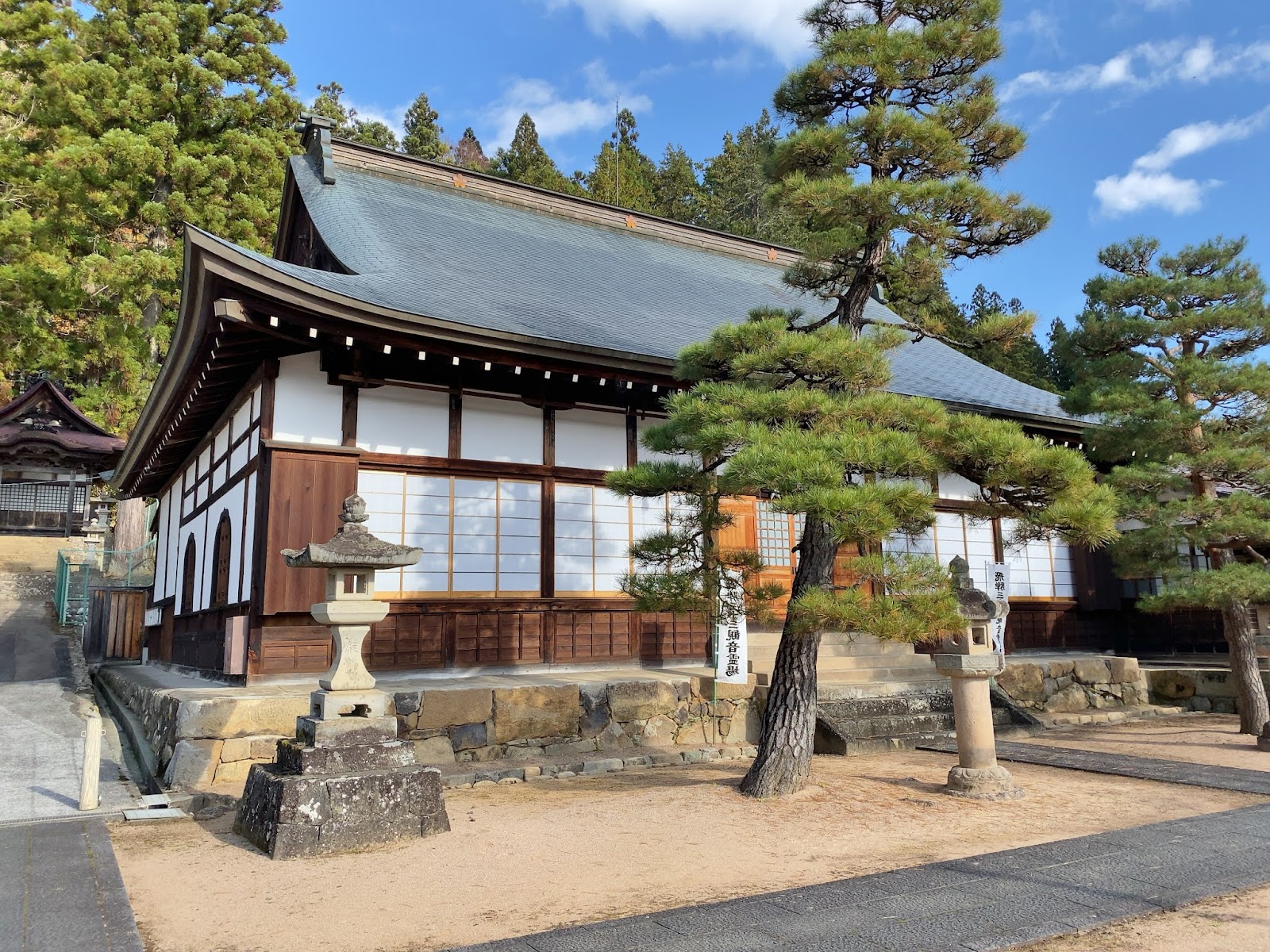
While the crowds cluster in the old merchant streets by the river, the Higashiyama district on Takayama's eastern hillside offers a quieter, more contemplative side of the town. Higashiyama Teramachi — literally the 'eastern mountain temple town' — is a concentration of temples and shrines laid out deliberately in the early Edo period. When the ruling Kanamori lords built their castle town, they gathered religious institutions along the eastern hills, both to create a spiritual quarter and, in the practical thinking of the age, to form a defensive line of walled temple compounds guarding the town's edge. The result is a serene district of some dozen temples and shrines connected by stone-paved lanes, old walls, and wooded slopes.
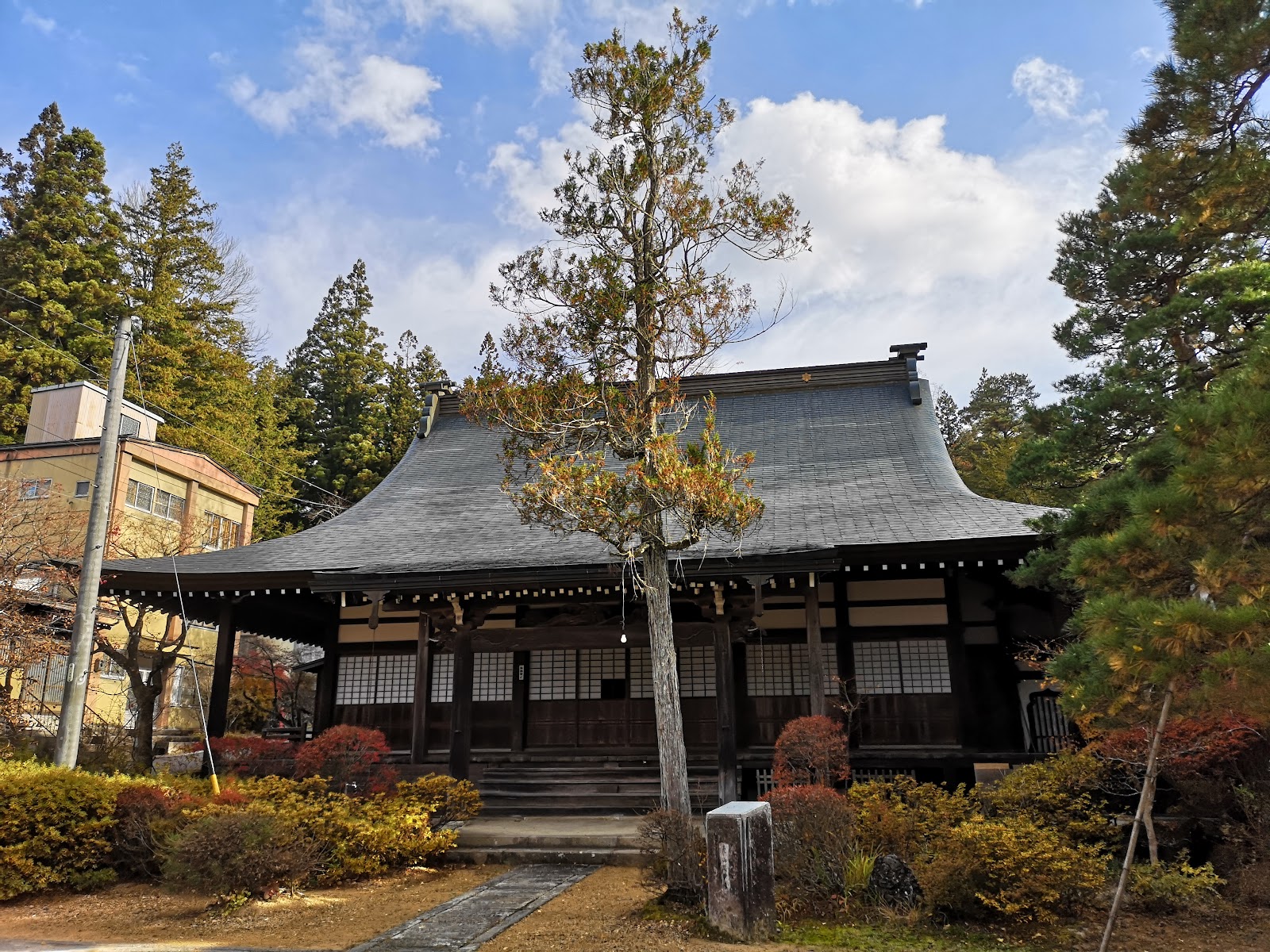
The town has turned this legacy into the Higashiyama Yuhodo, a signposted walking course roughly three and a half kilometres long that threads through the district and up to the site of the former Takayama Castle. Following it is one of the most rewarding things to do in the town, precisely because so few visitors bother. You pass moss-covered temple gates, small cemeteries, quiet halls, and gardens that see almost no tourists, with the sounds of the modern town fading behind you. Among the highlights are Soyu-ji, the Kanamori family's ancestral temple, and a string of lesser temples each with its own character, plus the leafy Shiroyama Park crowning the hill where the castle once stood before it was dismantled in the late seventeenth century.
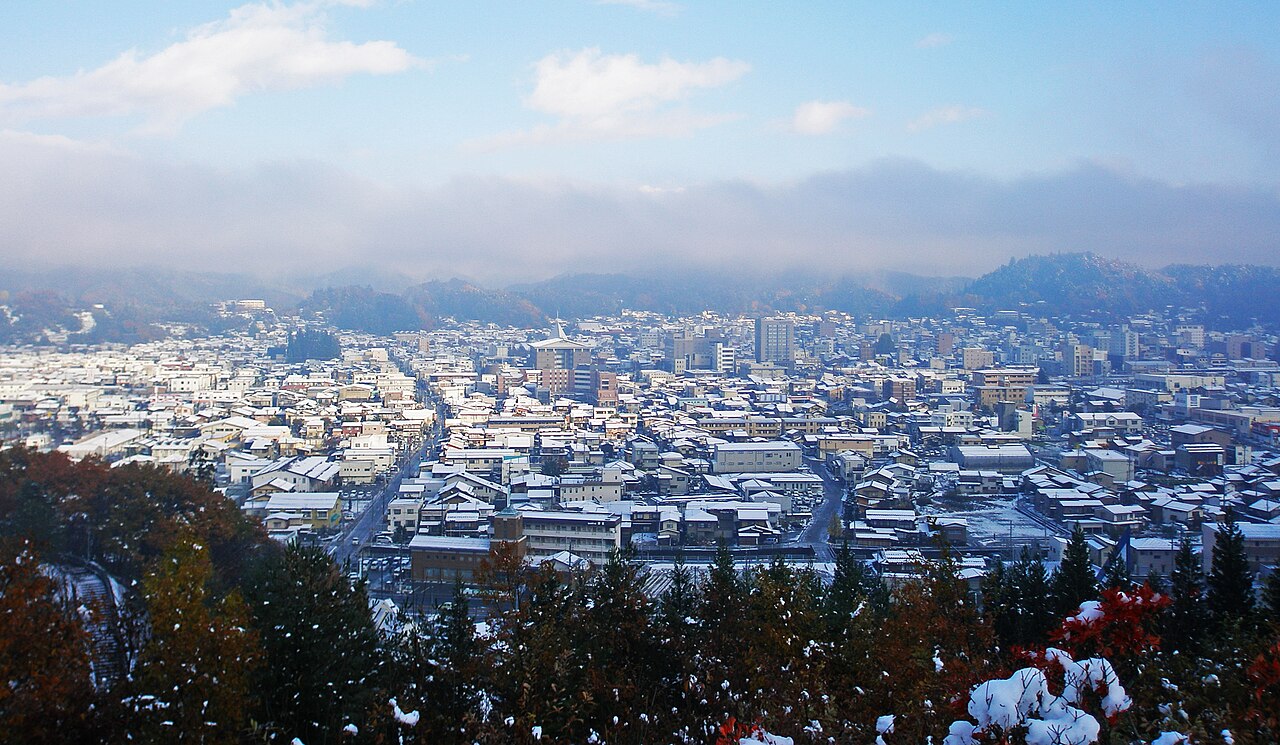
The appeal of Higashiyama is atmosphere rather than any single blockbuster sight. It is a place to walk slowly, to appreciate the way the temple district blends architecture and landscape, and to sense the layered history of a mountain town that was once an independent domain. In spring the temple grounds bloom with cherry, and in late autumn the maples in their gardens turn brilliant shades of red and gold, framed by dark timber halls and grey stone. Winter drapes the whole hillside in snow, and the quiet becomes profound.
Because the route climbs the eastern hill and includes stone steps and some unpaved stretches, it is more demanding than a stroll through the flat old town — comfortable shoes are advised, and those with limited mobility may prefer to visit just the lower temples. Reckon on one and a half to two hours to walk the full loop at an easy pace, longer if you linger in the gardens. There are restrooms and benches along the way, and the temple grounds are free to enter.
The district begins about twenty minutes on foot east of Takayama Station, just beyond the old merchant streets, so it pairs naturally with a morning in Sanmachi Suji: do the busy old town early, then escape to the temple hill for a peaceful afternoon. Pick up the free Higashiyama course map from the station tourist office before you set off, and you can navigate the whole route easily, ending with the view from the castle ruins over the town and the mountains of Hida beyond.
A local's tip
Pick up the free walking-course map from the tourist office — the route links a dozen temples and shrines and ends at the ruins of Takayama Castle on Shiroyama hill, so you can loop the whole thing in a couple of hours.
Best time to visit
Autumn for temple-garden maples; quiet at any time
Getting there
About a 20-minute walk east of Takayama Station, on the wooded hillside beyond the old town; signposted as the Higashiyama Yuhodo course.
Good to know
- Benches
- Restrooms
Plan the whole trip offline
Higashiyama Teramachi Walking Course is one of many places in the Real Japan app — with turn-by-turn directions, nearby spots and full offline maps you can use with no signal.